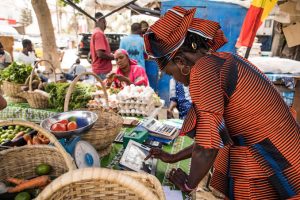
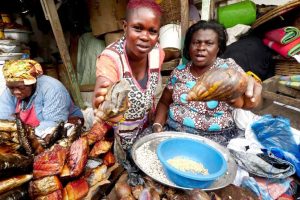

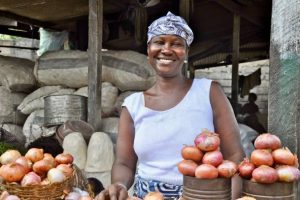




For the Ghanaian entrepreneur who has mastered the local market, the next frontier is international. With the African Continental Free Trade Area (AfCFTA) opening a market of over 1.4 billion people and Ghana’s non-traditional export earnings surpassing $5 billion in 2025, the opportunity to scale beyond borders has never been more tangible . Yet the path to export is strewn with challenges: certification requirements, market intelligence gaps, financing constraints, and the need to meet international standards.
Executive Introduction
Ghana’s economic transformation depends on its ability to move beyond raw commodity exports. The Cocoa Marketing Company, for example, is actively diversifying beyond Europe—where 70 percent of cocoa beans currently go—into emerging markets across Asia and North America, including Japan, Indonesia, Malaysia, Singapore, the United States, and Canada . This strategic shift reflects a broader national agenda: to capture higher value from processing and position Ghanaian products competitively in global markets.
The institutional framework for export growth is strengthening. The Ghana Export Promotion Authority (GEPA) has set an ambitious target of US$10 billion in non-traditional export earnings by 2030 . New partnerships, such as the Memorandum of Understanding with the Netherlands’ Centre for the Promotion of Imports from Developing Countries (CBI), are providing Ghanaian SMEs with technical support, market intelligence, and direct connections to European buyers .
📢 GET DETAILED ARTICLES + JOBS
Join THSB's WhatsApp Channel and never miss a post or opportunity.
For the entrepreneur ready to scale, the question is not whether opportunity exists—it is how to seize it.
The AfCFTA Opportunity: A Market of 1.4 Billion People
The African Continental Free Trade Area represents a transformative opportunity for Ghanaian businesses. As Benjamin Asiam, Acting Head of the National Coordination Office at the Ministry of Trade, Agribusiness and Industry, explains: “We have a population of over 1.4 billion people and also a GDP of more than $3 trillion. If we trade with each other, we see Africa as one market, the wealth of Africa will stay in Africa, and Africa will be better for it” .
Ghana has demonstrated strong commitment to the AfCFTA’s success, having played a key role in negotiations and hosting the Secretariat in Accra . More than 1,000 Ghanaian SMEs have already been screened and supported to take advantage of AfCFTA opportunities. These include businesses already exporting within Africa, firms serving markets outside the continent, and local producers with the capacity to expand under the agreement .
The Guided Trade Initiative has allowed Ghana to join seven other countries in testing AfCFTA trading arrangements, facilitating cross-border trade among member states . For entrepreneurs, this means the mechanisms for regional trade are being operationalised—but readiness remains the entrepreneur’s responsibility.
Institutional Support and Market Access
The GEPA-CBI Partnership: A Gateway to Europe
In July 2026, GEPA and the Netherlands’ CBI signed a landmark MoU to deepen trade cooperation and expand Ghana’s exports to Europe . The Netherlands remains Ghana’s leading destination for non-traditional exports, and the partnership aims to address market-access challenges while creating greater opportunities for Dutch and European importers seeking quality Ghanaian products .
The collaboration focuses on supporting Ghanaian SMEs in strategic sectors, including:
-
Horticulture (fresh fruits and vegetables)
-
Cocoa and agribusiness
-
IT and BPO services
A major component involves assisting Ghanaian businesses to meet the European Union’s stringent market requirements through certification, sustainability compliance, coaching, and technical support . Beyond technical assistance, the MoU establishes a framework for market intelligence, business matchmaking, trade fair participation, and direct connections between Ghanaian exporters and European buyers .
The Presidential Advisory Committee on Exports
In a significant policy announcement, the Minister for Trade, Agribusiness and Industry has revealed the establishment of a Presidential Advisory Committee on Exports, aimed at boosting export volumes and strengthening national export capacity . The Minister noted that a stronger export sector would drive import substitution, reduce pressure on the local currency, and create sustainable economic value: “The future of Ghana’s economy lies in sustained export-led production. This is how we create jobs, stabilize the currency, and move toward long-term resilience” .
Extended Repatriation Window
The Bank of Ghana has extended the export proceeds repatriation window from 60 to 120 days, providing Ghanaian exporters with much-needed flexibility in managing foreign exchange inflows and supporting economic stability .
Readiness: The Foundation of Export Success
The Nimdie Series Approach
The Nimdie Series, an initiative by UNDP Ghana, has delivered four impactful editions reaching approximately 300 MSMEs . The second edition focused specifically on Export Readiness, guiding entrepreneurs through international trade regulations, global quality standards, and strategic considerations needed to scale successfully .
Entrepreneurs who participated have experienced “remarkable transformations, applying the insight gained to strengthen their business strategies and expand their market reach” . Beyond expert presentations, Nimdie integrates the real-life experiences of MSMEs, demonstrating how knowledge-driven solutions can help businesses overcome hurdles .
Practical Training Programs
The Maastricht School of Management, in partnership with the Ghana Netherlands Business and Culture Council, has delivered comprehensive training for SMEs in cocoa and horticulture sectors . The five-module program covered:
-
Adding value in horticulture and cocoa: Optimising value chains through innovation and technology
-
Agribusiness marketing in local and global contexts: Positioning products for export markets
-
Upgrading businesses toward international standards: Achieving certifications and adhering to international norms
-
Equipping SMEs for African markets: Leveraging AfCFTA opportunities
-
Access to finance: Identifying funding sources and preparing documentation
Participants are now better positioned to export high-quality, value-added products across the African continent and Europe .
The Stanbic Trade Connect Initiative
Stanbic Bank’s Trade Connect programme aims to equip SMEs with the knowledge, tools, and networks necessary to scale beyond Ghana’s borders . The inaugural event, held under the theme “Global Gateway: Preparing Your Business for the International Market,” brought together entrepreneurs from various sectors keen on expanding their footprint abroad .
Eric Tsiri, Head of Enterprise Banking, urged participants to adopt a global mindset: “Start thinking beyond your current market. Somewhere out there, the world is waiting for the unique solution or product you offer” .
A critical message from the programme: intellectual property protection is fundamental. “One of the biggest mistakes entrepreneurs make is neglecting their intellectual property. That is what defines your competitive advantage. Before you think export, think IP protection. It’s the cornerstone of sustainable business success” .
The Value Addition Imperative
Moving Beyond Raw Commodities
Ghana’s traditional reliance on raw commodity exports has limited its capture of value. As one ITC training participant noted, “Africa has been exporting raw materials to the rest of the world for a long period of time, and we are not benefiting” .
The Cocoa Marketing Company’s diversification strategy includes exploring semi-finished cocoa exports to capture higher value from processing while positioning Ghana as a leading player in the global chocolate value chain . The Managing Director emphasised that “our ultimate goal is to ensure that when CMC grows, our farmers grow with us” .
Success Stories in Value Addition
Niche Cocoa Industry Ltd. exemplifies this shift. Ghana’s second-largest cocoa producer is processing cocoa into chocolate, cocoa butter, drinks, and powder for export to Europe, Asia, and the Americas—keeping more of the value chain local and setting a new standard for African value addition .
Eden Tree, founded in 1997 by Catherine Krobo Edusei, has evolved from a small packaging operation into a household brand, supported by a network of outgrower farmers and a modern processing facility in Tema . The company’s journey demonstrates that “Ghanaian agribusiness can meet strict international standards of safety, quality, and consistency” . Investors Pangea Africa and Black Star Africa have acquired a majority stake, planning to strengthen operations through solar-powered cooling systems, climate-smart drip irrigation, and outgrower cooperatives .
B. Manna Foods, a COVID-era startup, has expanded from three workers to about 15 staff and now exports to the United Kingdom . Access to approximately GH¢300,000 under the government’s Post-COVID-19 Skills Development and Productivity Enhancement Project enabled the company to expand infrastructure, acquire machinery, and begin exporting .
Financing Export Growth
Development Finance
The Post-COVID-19 Skills Development and Productivity Enhancement Project (PSDPEP), funded by the African Development Bank, provides financing, training, and operational support to MSMEs . Mrs Bernice Foster of B. Manna Foods noted that the funding enabled her company to “move from a small room into a proper facility, improve production, and even start exporting” .
The SME GO Programme
The SME GO Programme has mobilised approximately GHS 8.2 billion for small enterprises. For exporters, loans below market rates are available through Development Bank Ghana, and equity financing (patient capital) via the Venture Capital Trust Fund .
The Finance Gap
Despite these initiatives, financing remains a barrier. As one entrepreneur noted, “Through our incubator, we’re working to connect businesses with soft loans, grants, and other support mechanisms to strengthen their operations. We want to support businesses to grow to a point where they can walk into a bank and say, ‘This is what I’ve built. I’m ready to scale. Partner with me'” .
Tech and Services: Ghana’s Emerging Export Strength
Dataware Ghana and Think!Data Services
Two Ghanaian tech companies have expanded internationally through the Netherlands Trust Fund V (NTF V) Ghana Tech project .
dataware Ghana, a player in data storage and AI-powered solutions, recently entered the UK market following participation in London Tech Week and Tech in Ghana. The company secured its first UK client—a major fintech company—and is now developing an AI-powered solution for a UK payment platform servicing over 65,000 retailers . Dataware has established a UK-based group company, hired four new employees (75% women), and is projecting over £1.5 million in revenue from confirmed UK deals .
Think!Data Services, a technology and outsourcing company, has leveraged the NTF V programme to refine its export strategy and tap into new international markets. The company offers EdTech solutions digitising exam processes and AgriTech services helping farmers digitise workflows to meet European market regulations .
Hubtel and ExpressPay
Hubtel, Ghana’s first licensed Payment Services Provider, offers digital transaction solutions integrated with global platforms . ExpressPay, trusted by Visa and Mastercard, provides a reliable bridge between local businesses and international e-commerce .
Overcoming Barriers to Export
The Regulatory and Certification Challenge
Certification remains a significant hurdle. As one ITC workshop facilitator noted, “To export successfully, SMEs need to meet international standards. This requires achieving certifications and adhering to international norms, which are essential for accessing higher-value markets across Africa and globally” .
The GEPA-CBI partnership addresses this directly, helping Ghanaian businesses meet the European Union’s stringent market requirements through certification, sustainability compliance, coaching, and technical support .
Streamlining Procedures
Mrs Bernice Foster, founder of B. Manna Foods, has called for institutions responsible for trade facilitation under AfCFTA to “streamline certification, documentation and regulatory procedures to ease cross-border trade for SMEs. We need systems that truly work for small businesses. That is how we can fully benefit from regional trade” .
The SME Awards Platform
The MTN SME Ghana Awards, themed “Empowering SMEs to Scale Beyond Borders through Innovation, Resilience, and Digital Solutions,” aims to recognise businesses leveraging digital transformation and demonstrating resilience in a competitive global marketplace . Winners and finalists benefit from business development support, access to strategic partnerships, digital tools, and potential investment .
A Practical Roadmap for Export
-
Assess readiness: Use programmes like Nimdie Series, ITC workshops, or Stanbic Trade Connect to understand market requirements and certification needs.
-
Protect intellectual property: Before entering international markets, secure your IP rights—it defines your competitive advantage .
-
Add value: Move beyond raw commodities. Processing and packaging increase value, meet international standards, and command premium prices.
-
Seek institutional support: Engage GEPA for market intelligence, certification guidance, and trade fair participation. The GEPA-CBI partnership provides direct access to European buyers .
-
Explore AfCFTA opportunities: The African market of 1.4 billion people is opening. More than 1,000 SMEs have been screened for AfCFTA readiness—the mechanisms exist .
-
Access financing: Explore development finance through PSDPEP, the SME GO Programme, or Development Bank Ghana. Grants and soft loans can bridge initial capital gaps .
-
Build digital capacity: Technology is a competitive advantage. Fintech, EdTech, and AgriTech services are finding international markets .
-
Network and partner: Participate in trade fairs, business matchmaking, and association activities. Partnerships with international firms can provide market access and credibility.
THSB Conclusion
Ghanaian businesses have never had better institutional support for international expansion. The AfCFTA offers a market of 1.4 billion people. The GEPA-CBI partnership provides a gateway to Europe. Training programmes like Nimdie Series and Stanbic Trade Connect build export readiness. Success stories from Niche Cocoa, Eden Tree, B. Manna Foods, Dataware Ghana, and Think!Data Services demonstrate that Ghanaian businesses can compete globally.
The challenge is no longer opportunity—it is readiness. Export demands certification, value addition, market intelligence, and financing. But for the entrepreneur willing to invest in these foundations, the global market is accessible.
As the Minister for Trade, Agribusiness and Industry noted, “The future of Ghana’s economy lies in sustained export-led production. This is how we create jobs, stabilize the currency, and move toward long-term resilience” .
Quick Facts Box
| Element | Detail |
|---|---|
| AfCFTA Market Size | 1.4 billion people; $3+ trillion GDP |
| SMEs Screened for AfCFTA | 1,000+ |
| Non-Traditional Export Earnings (2025) | $5 billion+ |
| GEPA NTE Target (2030) | $10 billion |
| Cocoa Exports to Europe | 70% (diversifying to Asia, North America) |
| Nimdie Series Reach | ~300 MSMEs |
| SME GO Programme | GHS 8.2 billion mobilised |
| B. Manna Foods Funding | GH¢300,000 (PSDPEP) |
| Dataware UK Revenue Projection | £1.5 million+ |
| Export Repatriation Window | Extended to 120 days |
Frequently Asked Questions
1. What is the AfCFTA and how can Ghanaian businesses benefit?
The African Continental Free Trade Area is a trade agreement creating a single market for goods and services across Africa, providing access to over 1.4 billion people and a $3 trillion GDP. Ghanaian businesses can benefit from preferential trading terms, reduced tariffs, and access to new regional markets . More than 1,000 Ghanaian SMEs have been screened for AfCFTA participation .
2. How can I access support for exporting from Ghana?
The Ghana Export Promotion Authority (GEPA) offers market intelligence, certification guidance, and trade fair participation. The GEPA-CBI partnership provides direct support for exporting to Europe, including technical assistance and business matchmaking . Training programmes like Stanbic Trade Connect and UNDP’s Nimdie Series build export readiness .
3. What sectors offer the best export opportunities?
Priority sectors include: horticulture (fresh fruits and vegetables), cocoa and agribusiness, IT and BPO services . Ghanaian businesses are also finding international success in fashion (Woodin), fintech (Hubtel, ExpressPay), and health-tech (mPharma) .
4. How much does it cost to export from Ghana?
Costs vary significantly by sector and destination. Key expenses include: certification and compliance with international standards, logistics and shipping, export documentation, and market entry costs. GEPA and the GEPA-CBI partnership provide some services free of charge .
5. What certifications do I need to export to Europe?
European Union market requirements include food safety certification, sustainability compliance, and adherence to deforestation-free standards. The GEPA-CBI partnership supports Ghanaian businesses in achieving these certifications through coaching and technical support .
6. What financing options are available for export growth?
Options include: the SME GO Programme (GHS 8.2 billion mobilised), development loans below market rates through Development Bank Ghana, equity financing via the Venture Capital Trust Fund, and the Post-COVID-19 Skills Development and Productivity Enhancement Project (PSDPEP) which provides financing, training, and operational support .
7. Can tech companies export from Ghana?
Yes. Dataware Ghana has entered the UK market, providing AI-powered solutions to a fintech payment platform servicing over 65,000 retailers. Think!Data Services exports EdTech and AgriTech solutions to Nigeria, Cameroon, and Côte d’Ivoire. Hubtel and ExpressPay are trusted by global payment platforms .
8. How can I prepare my business for export?
Start by: assessing your readiness through programmes like Nimdie Series, protecting your intellectual property, adding value to your products, building digital capacity, and engaging GEPA for market intelligence. Export requires certification, value addition, and market understanding .
9. What is the GEPA-CBI partnership?
The Ghana Export Promotion Authority (GEPA) and the Netherlands’ Centre for the Promotion of Imports from Developing Countries (CBI) signed an MoU to increase Ghana’s non-traditional exports to Europe. It provides Ghanaian SMEs with technical support, market intelligence, certification coaching, business matchmaking, and trade fair participation .
10. What is the export repatriation window?
The Bank of Ghana has extended the export proceeds repatriation window from 60 to 120 days, providing Ghanaian exporters with flexibility in managing foreign exchange inflows. This supports economic stability and strengthens the cedi .
11. How can I protect my intellectual property before exporting?
Stanbic Bank’s Trade Connect initiative emphasises that IP protection is fundamental—it defines your competitive advantage. Entrepreneurs should secure trademarks, patents, and copyrights in target markets before entering, as enforcement becomes more complex across borders .
12. What success stories exist for Ghanaian exporters?
Success stories include: Niche Cocoa exporting processed cocoa products globally, Eden Tree expanding as a West African fresh food champion, B. Manna Foods exporting to the UK, Dataware Ghana entering the UK tech market, and Think!Data Services exporting EdTech and AgriTech solutions across West Africa.
Source: The High Street Business
Disclaimer: Some content on The High Street Business may be aggregated, summarized, or edited from third-party sources for informational purposes. Images and media are used under fair use or royalty-free licenses. The High Street Business is a subsidiary of SamBoad Publishing under SamBoad Business Group Ltd, registered in Ghana since 2014.
For concerns or inquiries, please visit our Privacy Policy or Contact Page.

Samuel Kwame Boadu is a Ghanaian entrepreneur, writer, and digital consultant passionate about creating impactful stories and business solutions. He is the Founder & CEO of SamBoad Business Group Ltd, a dynamic company with subsidiaries in digital marketing, logistics, publishing, and risk management.