







In Ghana’s evolving business landscape, scaling a small or medium-sized enterprise (SME) no longer requires the backing of a venture capitalist. While venture capital (VC) has fueled startup ecosystems globally—from Silicon Valley to Lagos—most Ghanaian SMEs have learned to thrive through resilience, innovation, and resource efficiency.
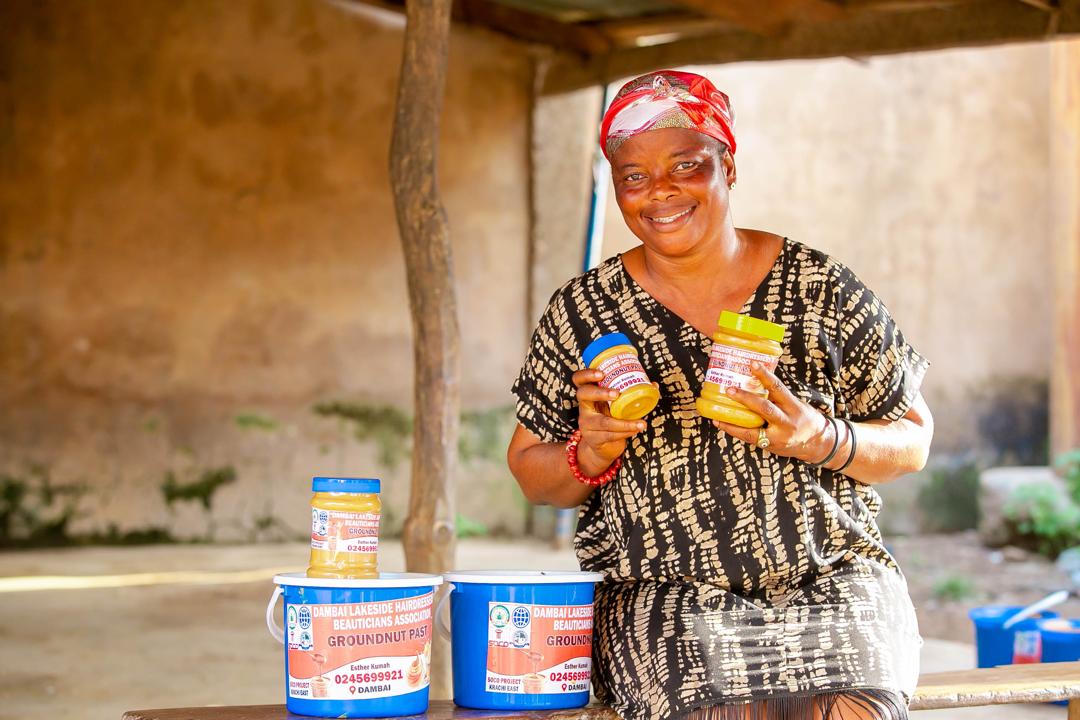
The reality is simple: venture capital remains scarce in Ghana. Only a fraction of local SMEs ever secure equity funding. Yet, thousands of businesses—from logistics and agribusiness firms to retail and manufacturing enterprises—continue to expand across regions, driven by creativity and strategic reinvestment rather than external cash injections.
1. Building Growth Through Organic Reinvestment
For most Ghanaian entrepreneurs, the first investor is the customer. Reinvesting profits remains the most sustainable growth strategy for SMEs that lack external capital. Instead of focusing on investor pitches, successful businesses prioritize profitability early, manage costs tightly, and channel earnings into expansion.
📢 GET DETAILED ARTICLES + JOBS
Join THSB's WhatsApp Channel and never miss a post or opportunity.
Brands like Pizzaman-Chickenman, Yaa Woyoo Foods, and Zeepay Ghana began modestly but scaled through disciplined reinvestment, customer retention, and efficient operations. The approach ensures ownership remains intact and the business grows at a pace aligned with its revenue base.
2. Leveraging Digital Infrastructure for Scale
Digital transformation has leveled the playing field. Social media, e-commerce platforms, and mobile money have become the growth engines for Ghanaian SMEs. Businesses no longer need large marketing budgets to reach national audiences — Instagram, WhatsApp Business, and TikTok have turned into digital storefronts and customer service channels.
Fintech integration also plays a critical role. With digital payments becoming mainstream, businesses in even remote areas can transact securely and expand without needing physical branches.
3. Strategic Partnerships and Collaborations
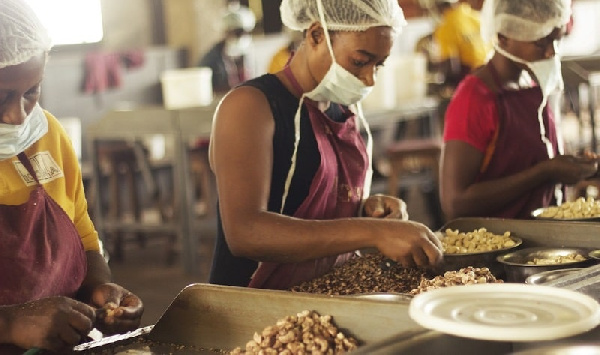
Partnerships often unlock the scale that capital cannot. SMEs can collaborate with distributors, transport networks, and established brands to penetrate new markets. For instance, small agro-processors often partner with retail chains like Melcom or Shoprite Ghana to reach broader customer bases.
These alliances not only expand reach but also provide operational efficiency and credibility.
4. Government and Institutional Support
The Ghanaian government and private institutions have been expanding SME support structures — from the Ghana Enterprises Agency (GEA) and NBSSI initiatives to funding programs like YouStart.
While not substitutes for venture capital, these grants, tax incentives, and training programs offer SMEs crucial working capital and capacity-building opportunities to scale sustainably.
5. Community Funding and Customer Loyalty
Ghana’s entrepreneurial culture is community-driven. Many small businesses grow with the help of informal investor groups, savings cooperatives (Susu), and customer loyalty systems. Crowdfunding platforms such as GoFundMe and Seedr are also gaining popularity among young entrepreneurs who seek alternative capital sources without losing equity.
6. Focus on Brand Trust and Execution
Ultimately, what separates SMEs that expand from those that stall is execution. Building a strong brand identity, delivering consistent quality, and maintaining trust in customer relationships matter more than a single round of funding.
Scaling nationally without VC requires patience, discipline, and market understanding—but for Ghanaian entrepreneurs, those have always been their strongest assets.
Source: The High Street Business
Disclaimer: Some content on The High Street Business may be aggregated, summarized, or edited from third-party sources for informational purposes. Images and media are used under fair use or royalty-free licenses. The High Street Business is a subsidiary of SamBoad Publishing under SamBoad Business Group Ltd, registered in Ghana since 2014.
For concerns or inquiries, please visit our Privacy Policy or Contact Page.

Samuel Kwame Boadu is a Ghanaian entrepreneur, writer, and digital consultant passionate about creating impactful stories and business solutions. He is the Founder & CEO of SamBoad Business Group Ltd, a dynamic company with subsidiaries in digital marketing, logistics, publishing, and risk management.