



Ghana’s retail sector is undergoing a defining transformation — a blend of traditional commerce, digital innovation, and shifting consumer behavior. From bustling open-air markets to sleek shopping malls and online storefronts, the country’s retail landscape reflects both resilience and reinvention.
Over the last decade, the expansion of the middle class, urbanization, and mobile technology have driven new ways of buying and selling. The result: a hybrid retail economy where both informal and formal business models coexist — and thrive.
1. The Omni-Channel Model: Blending Brick-and-Mortar with E-Commerce
The most successful retailers in Ghana today operate across both physical and digital platforms. This omni-channel model allows businesses to meet customers where they are — whether in-store, on social media, or through mobile money payments.
📢 GET DETAILED ARTICLES + JOBS
Join THSB's WhatsApp Channel and never miss a post or opportunity.
Retailers like Melcom, Palace Hypermarket, and Orca Deco have expanded their traditional stores into online platforms, offering delivery and pickup options. Similarly, smaller boutiques now rely on Instagram shops, WhatsApp Business, and Jumia Ghana for national reach.
This flexibility has proven vital, especially during economic downturns and post-pandemic shifts, as consumer spending increasingly depends on convenience and accessibility.
2. The Community-Based Retail Model: Trust and Proximity
In Ghana, personal relationships remain the backbone of commerce. The community-based model thrives on trust, loyalty, and accessibility. Corner shops, pharmacies, and mini-marts — often family-owned — build strong ties within neighborhoods and rely on repeat customers rather than heavy advertising.
These retailers succeed by offering credit lines, personalized service, and consistency — qualities that digital competitors often struggle to match.
3. The Informal Market Model: Scale Through Volume and Adaptability
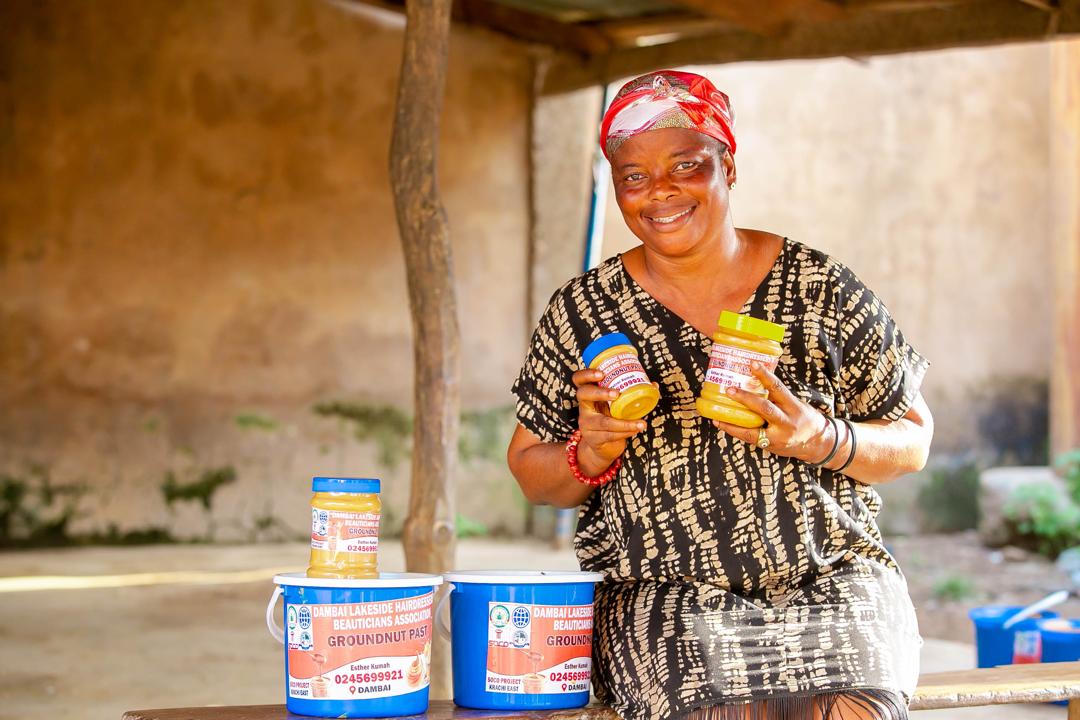
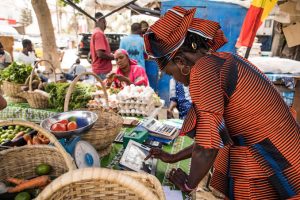
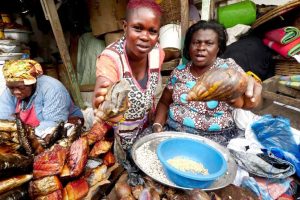
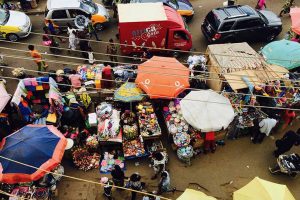
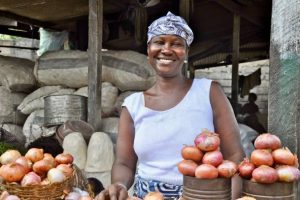
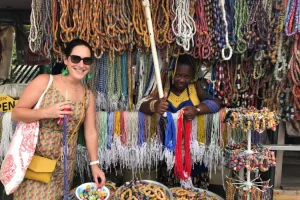
Despite rapid modernization, Ghana’s informal sector still dominates retail. Markets like Makola, Kejetia, and Kaneshie remain key economic engines, powered by volume-based trading and quick adaptation to demand changes.
The strength of this model lies in its flexibility: traders adjust prices daily, shift product mixes quickly, and reinvest profits immediately. Many informal retailers are also integrating mobile payments and digital bookkeeping tools like Oze and Swoove, bridging the gap between traditional trade and modern finance.
4. The Franchise and Distribution Model: Scaling Through Partnerships
Franchising is emerging as one of Ghana’s fastest-growing retail formats. Both local and international brands are using this model to expand efficiently.
Companies like KFC Ghana, Pizzaman-Chickenman, and Shoprite have demonstrated how franchising ensures consistency, brand trust, and scalability without massive capital outlay. Ghanaian entrepreneurs are also adopting this model to replicate success stories across cities — from food delivery startups to beauty supply chains.
5. The Direct-to-Consumer (DTC) Digital Model
With internet penetration surpassing 70%, many Ghanaian brands are cutting out middlemen and selling directly to customers through websites, social media, and digital marketing.
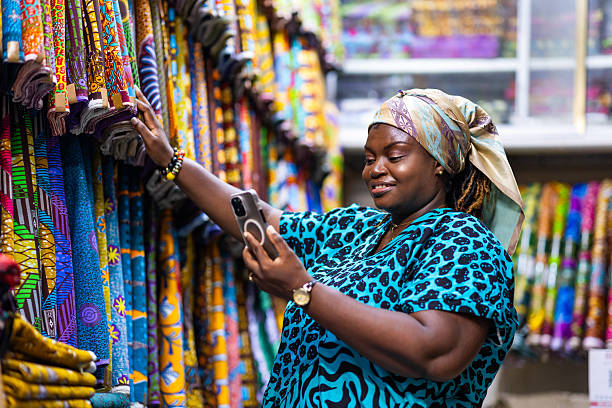
Fashion brands such as Christie Brown, Duaba Serwa, and Adjoa Yeboah Clothing exemplify how homegrown designers use digital storytelling, influencer marketing, and global e-commerce platforms to build loyal audiences.
The DTC model offers higher profit margins and control over brand identity but requires strong logistics and after-sales systems — areas many startups are now investing in.
6. The Wholesale Aggregator Model
This model focuses on buying in bulk and redistributing to smaller retailers. Companies like GB Foods, Unilever Ghana, and FanMilk leverage strong distribution networks and agent partnerships to ensure product reach nationwide.
Tech startups such as Swoove, Hubtel Commerce, and Shopa are also digitizing wholesale supply chains, giving smaller shop owners access to inventory financing and delivery support.
Conclusion
The most successful retail businesses in Ghana are those that adapt — merging tradition with innovation. Whether through digital integration, community relationships, or strategic franchising, Ghana’s retail sector continues to evolve into a dynamic marketplace driven by convenience, trust, and consumer experience.
As the country edges toward a more connected economy, retailers who blend technology with cultural insight will define the next era of Ghanaian commerce.
Disclaimer: Some content on The High Street Business may be aggregated, summarized, or edited from third-party sources for informational purposes. Images and media are used under fair use or royalty-free licenses. The High Street Business is a subsidiary of SamBoad Publishing under SamBoad Business Group Ltd, registered in Ghana since 2014.
For concerns or inquiries, please visit our Privacy Policy or Contact Page.

Samuel Kwame Boadu is a Ghanaian entrepreneur, writer, and digital consultant passionate about creating impactful stories and business solutions. He is the Founder & CEO of SamBoad Business Group Ltd, a dynamic company with subsidiaries in digital marketing, logistics, publishing, and risk management.