




How Small Businesses Drive Employment – Discover how small businesses drive employment in Ghana, creating jobs, supporting communities, and shaping the country’s economic growth.
How Small Businesses Drive Employment
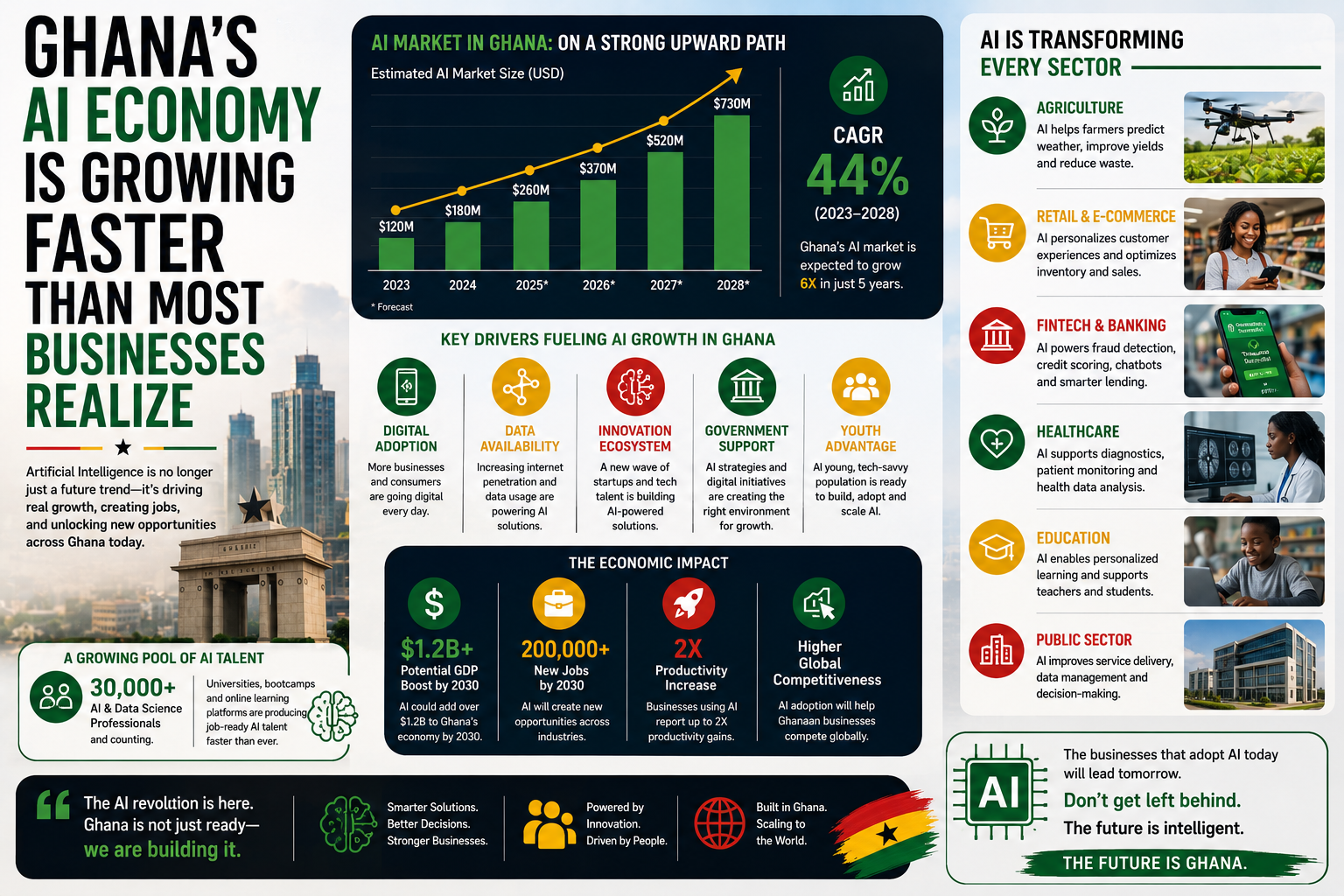
Walk through any busy street in Accra, Kumasi, or Tamale, and one thing becomes immediately clear: small businesses are everywhere. From roadside food vendors and fashion designers to tech startups and local manufacturers, these enterprises form the heartbeat of Ghana’s economy.
But beyond their visibility lies something even more powerful: their role in creating jobs. In many ways, small businesses are not just participants in the economy, they are its biggest employers.
📢 GET DETAILED ARTICLES + JOBS
Join THSB's WhatsApp Channel and never miss a post or opportunity.
The Backbone of Job Creation
Small businesses, often referred to as SMEs (Small and Medium-sized Enterprises), account for a significant portion of employment in Ghana. While large corporations tend to attract attention, it is the smaller enterprises that quietly absorb the majority of the workforce.
They employ people at every level: skilled, semi-skilled, and unskilled, making them crucial in a country where job opportunities can sometimes be limited. For many young people entering the workforce, a small business is often the first step into employment.These businesses are not just creating jobs; they are creating access.
Lower Barriers, Greater Opportunities
One of the reasons small businesses drive employment so effectively is their accessibility. Unlike large corporations that often require formal qualifications and structured recruitment processes, small businesses tend to be more flexible.
A young person with limited experience can learn on the job. An apprentice can become a skilled worker. A side hustle can grow into a full-time career.This flexibility makes small businesses a powerful tool for reducing unemployment, particularly among the youth. In a country where the population is largely young, that role cannot be overstated.
ALSO READ: How Ghana Is Managing Economic Recovery.
Supporting Local Communities
Small businesses are deeply rooted in their communities. They operate in neighbourhoods, markets, and towns, often serving people they know personally. Because of this, the jobs they create, tend to stay within the community. A local tailor hires an assistant. A food vendor employs a helper. A small construction business engages artisans.
This creates a ripple effect: income earned is spent locally, supporting other businesses and strengthening the community as a whole. Employment, in this sense, becomes more than just a pay-check. It becomes a cycle of local economic growth.
Encouraging Entrepreneurship and Self-Employment
Not all employment created by small businesses comes in the form of traditional jobs. Many individuals create their own opportunities by starting small enterprises. In Ghana, entrepreneurship is not just a choice, it is often a necessity. Faced with limited formal job opportunities, many people turn to small businesses as a means of survival and growth.
This culture of entrepreneurship contributes significantly to employment. A single individual starting a business today could employ several others tomorrow. Small businesses, therefore, do not just provide jobs, they multiply them.
The Role of Informal Sector Businesses
A large portion of Ghana’s small businesses operate within the informal sector. These include market traders, artisans, transport operators, and home-based businesses. While they may not always be formally registered, their impact on employment is undeniable. They provide livelihoods for millions of Ghanaians, often filling gaps left by the formal economy.
However, the informal nature of these businesses also presents challenges: limited access to finance, lack of social protection, and vulnerability to economic shocks. Supporting these businesses through formalisation and policy interventions could unlock even greater employment potential.
Challenges That Limit Their Impact
Despite their importance, small businesses face several challenges that can limit their ability to create jobs. Access to finance remains one of the biggest hurdles. Many small business owners struggle to secure loans due to high interest rates and strict lending conditions. Institutions like the Bank of Ghana continue to shape the financial environment, but affordability of credit is still a concern.
Additionally, inconsistent power supply, rising costs of raw materials, and market competition can make it difficult for small businesses to expand. When small businesses struggle, job creation slows. When they thrive, employment grows.
Digital Tools Opening New Doors
In recent years, technology has begun to change the way small businesses operate. Mobile money platforms, social media marketing, and e-commerce have created new opportunities for growth. A small business can now reach customers beyond its immediate location. A vendor can sell products online. A service provider can build a client base through digital platforms.
This expansion often leads to increased demand, and more jobs. Digital transformation is not just a trend; it is becoming a key driver of employment within the small business ecosystem.
RELATED: What Business Confidence Means For Growth.
Government and Policy Support
Recognising the importance of small businesses, policymakers are increasingly focusing on how to support them. Programmes aimed at providing funding, training, and infrastructure are slowly making an impact. Collaboration with institutions like the International Monetary Fund has also influenced broader economic reforms that affect business growth.
However, there is still room for improvement. Simplifying regulations, improving access to credit, and investing in infrastructure could significantly enhance the ability of small businesses to create jobs.
A Quiet but Powerful Force
Small businesses may not always dominate headlines, but their impact on employment is profound. They provide opportunities where few exist, empower individuals to take control of their livelihoods, and sustain communities across the country.
In many ways, they represent the true engine of Ghana’s economy: resilient, adaptive, and deeply connected to the people.
As Ghana continues its journey toward economic stability and growth, the role of small businesses in driving employment will remain not just important, but essential. Because when small businesses grow, jobs follow, and with them, the promise of a more inclusive and thriving economy.
Disclaimer: Some content on The High Street Business may be aggregated, summarized, or edited from third-party sources for informational purposes. Images and media are used under fair use or royalty-free licenses. The High Street Business is a subsidiary of SamBoad Publishing under SamBoad Business Group Ltd, registered in Ghana since 2014.
For concerns or inquiries, please visit our Privacy Policy or Contact Page.

Esther Aku-Sika is a content writer and social media strategist who helps brands and startups grow through intentional storytelling and practical marketing strategies. With a keen eye for trends and audience behavior, she shares business insights, content strategies, and real-life lessons to help entrepreneurs build visibility and turn ideas into income. Through her writing, she simplifies complex concepts and equips readers with actionable steps to grow in today’s digital space.