




How Ghana Is Managing Economic Recovery- Discover how Ghana is managing its economic recovery through policy reforms, IMF support, inflation control, and private sector growth in 2026.
How Ghana Is Managing Economic Recovery
Ghana’s economic recovery is no longer just a policy conversation, it is a lived reality for businesses, workers, and households navigating a fragile but improving environment. After a period marked by high inflation, debt distress, and currency instability, the country is gradually rebuilding confidence.
But recovery, as many economists will admit, is not a straight line. It is a careful balancing act of tough decisions, strategic reforms, and measured optimism. Ghana’s approach reveals both the complexity of its challenges and the resilience of its economy.
📢 GET DETAILED ARTICLES + JOBS
Join THSB's WhatsApp Channel and never miss a post or opportunity.
READ ALSO: Major Business Decisions That Will Impact Ghana’s Economy
A Reset Through IMF Support
At the centre of Ghana’s recovery strategy is its engagement with the International Monetary Fund. The IMF programme has provided not just financial support, but a framework for economic discipline.
This has meant implementing reforms that many would consider difficult: tightening government spending, improving tax collection, and restructuring debt. While these steps are necessary to restore stability, they also come with short-term discomfort for citizens and businesses.
Still, the programme has helped Ghana regain a measure of credibility on the global stage, signalling to investors that the country is serious about fixing its economic fundamentals.
Inflation Control and Currency Stabilisation
Inflation was one of the most visible symptoms of Ghana’s economic crisis. Rising prices affected everything from food to transport, placing immense pressure on households.
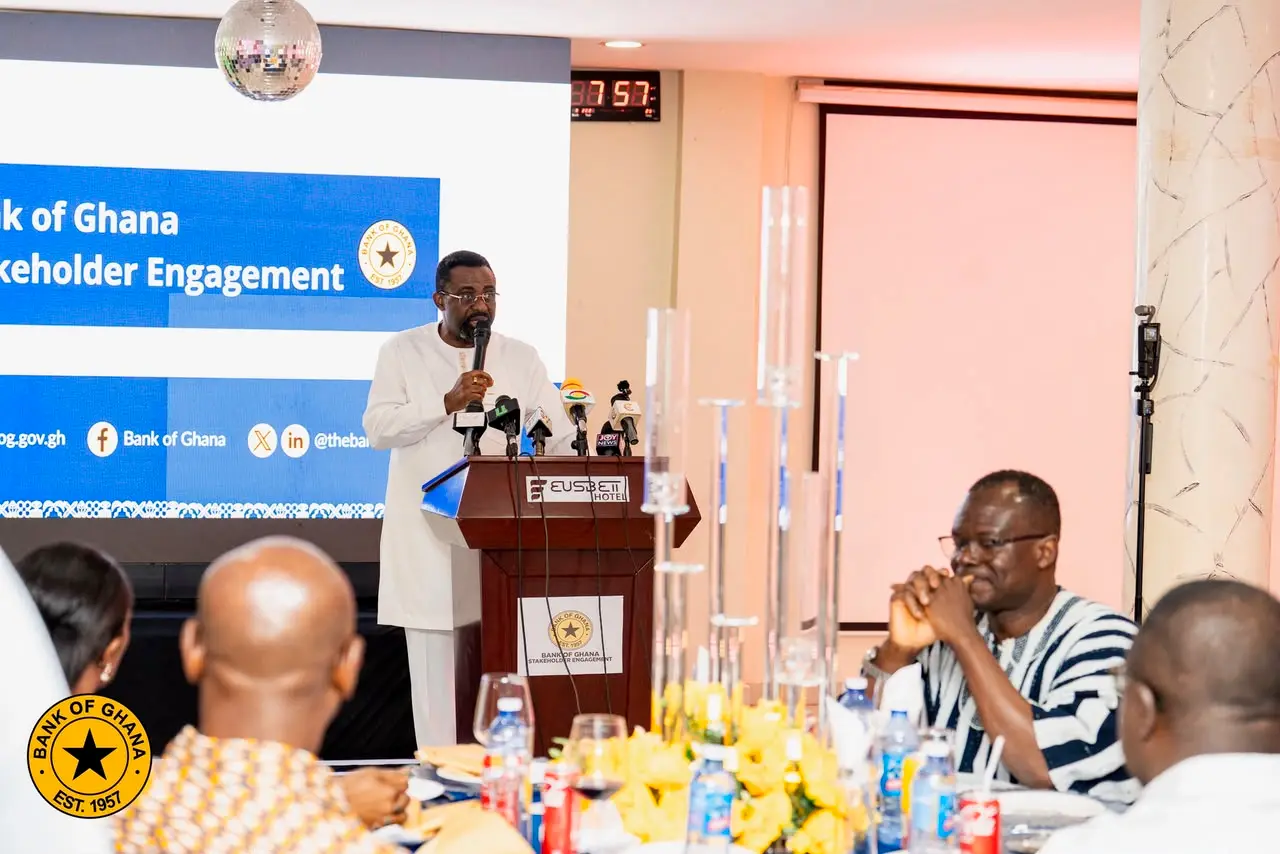
The Bank of Ghana has taken a firm stance, using high interest rates and monetary tightening to bring inflation down. While this approach has shown results, it has also made borrowing more expensive.
At the same time, efforts to stabilise the Ghanaian cedi have been critical. A more stable currency not only reduces import costs but also restores confidence among traders and investors.
For many Ghanaians, recovery is most tangible when prices begin to ease—and that process, though gradual, is underway.
Debt Restructuring: A Foundation for Stability
Ghana’s debt restructuring programme has been one of the most significant steps in its recovery journey. By renegotiating terms with both domestic and external creditors, the government is working to reduce its financial burden.
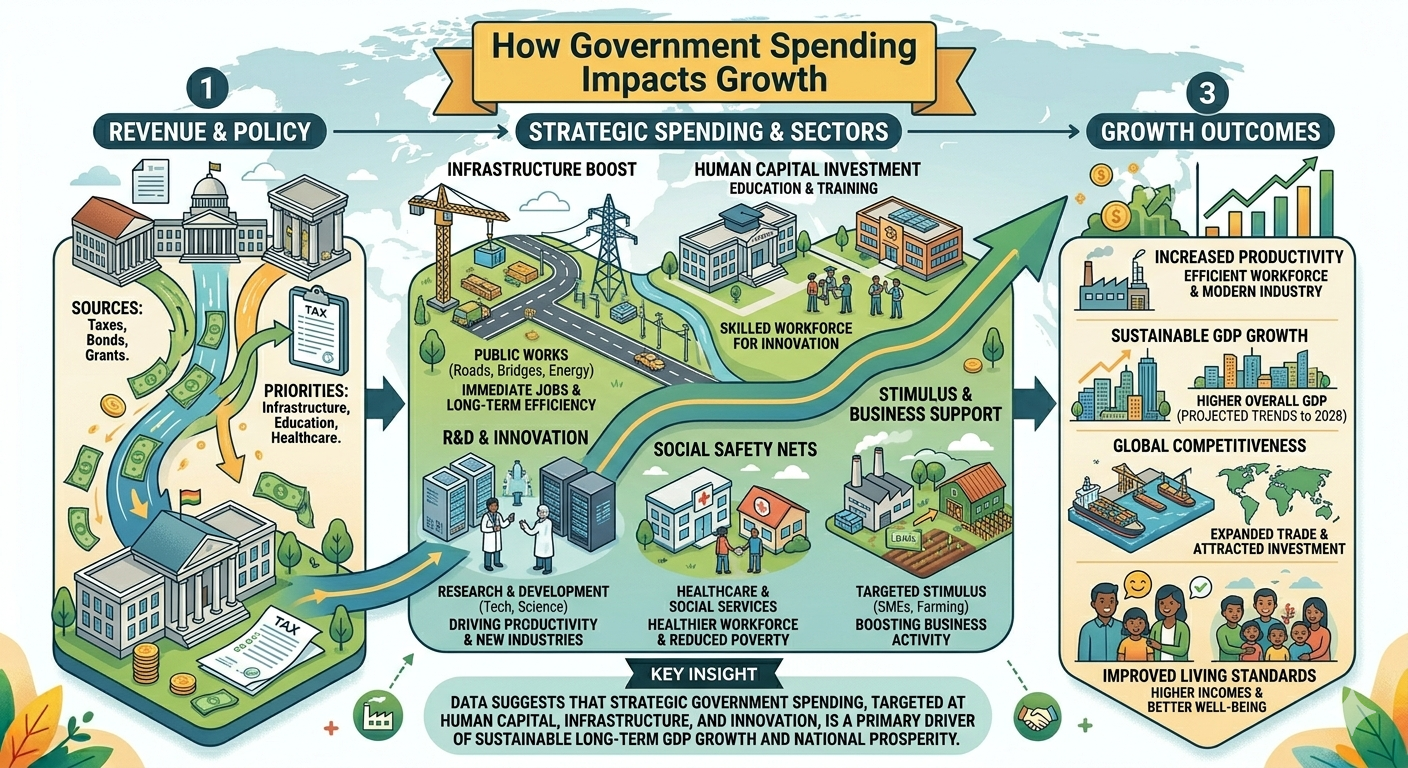
This process is not just about numbers, it is about creating room for the government to invest in growth. Without it, a large portion of national revenue would continue to go into servicing debt rather than supporting development.
However, restructuring also has ripple effects, particularly within the financial sector. Banks and investors have had to adjust, highlighting the interconnected nature of Ghana’s economy.
Supporting the Private Sector
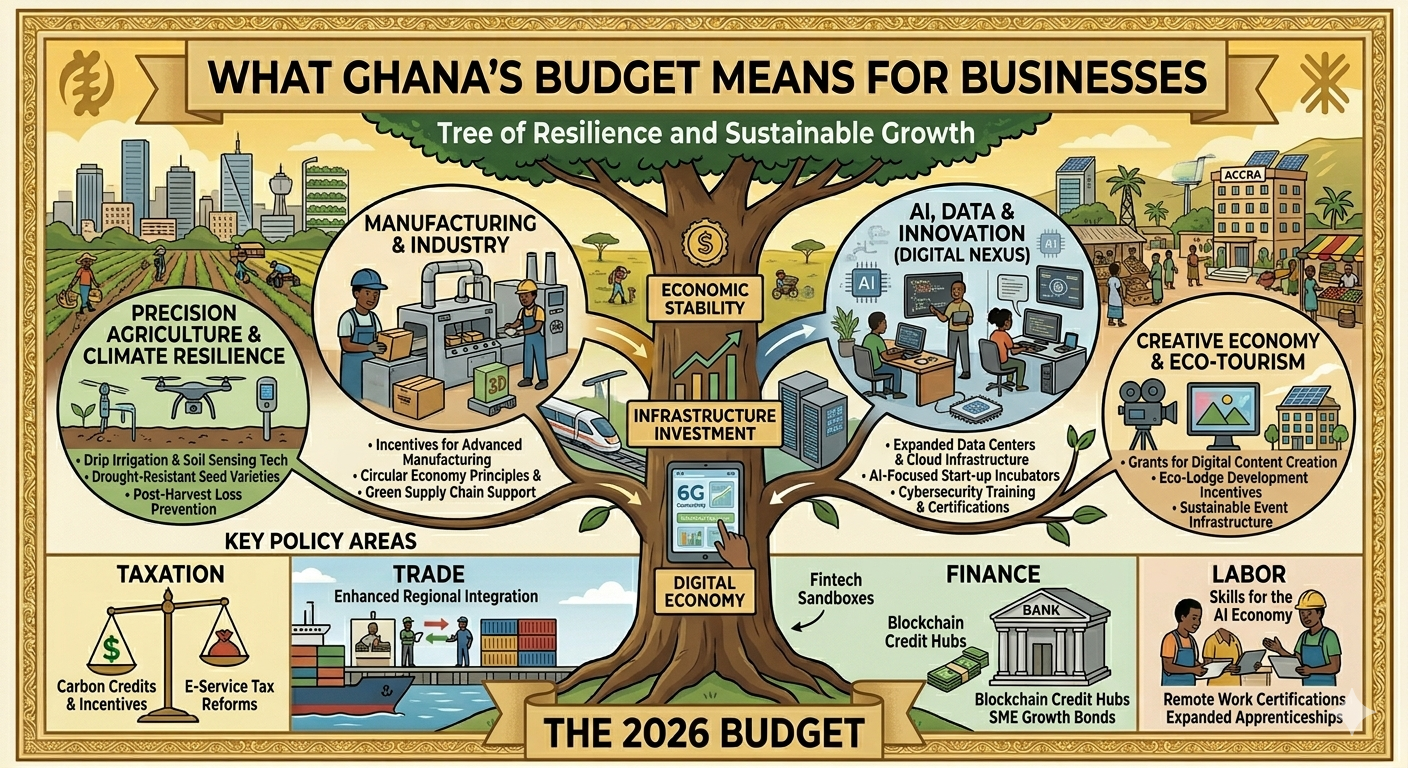
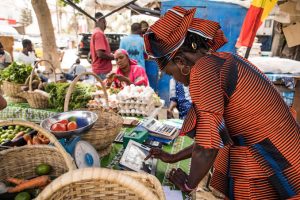
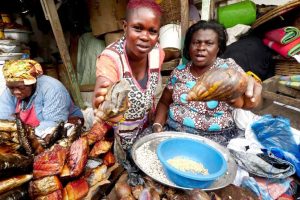
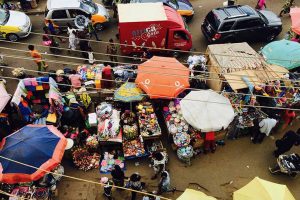
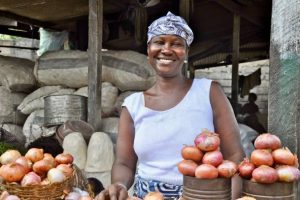
While government policy plays a key role, the private sector remains the engine of recovery. Businesses across Ghana, from small traders to large corporations, are adapting to the new economic environment.
There is a renewed focus on resilience: cutting costs, exploring local supply chains, and investing in innovation. For many entrepreneurs, survival has required creativity and persistence.
Government initiatives aimed at supporting small and medium-sized enterprises (SMEs) are gradually gaining traction. Access to finance remains a challenge, but targeted interventions could unlock significant growth potential.
Strengthening Key Economic Sectors
Ghana’s recovery strategy also involves strengthening its core sectors: agriculture, mining, and energy.
Agriculture continues to provide livelihoods for a large portion of the population. Efforts to improve productivity and reduce post-harvest losses are critical for both food security and export growth.
In mining, Ghana remains one of Africa’s top gold producers. Strategic decisions around resource management and local participation are shaping the sector’s future.
Meanwhile, the energy sector is undergoing reforms aimed at improving efficiency and reducing costs. Reliable power supply is essential for industrial growth, making this a key pillar of recovery.
The Role of Digital Transformation
One of the more promising aspects of Ghana’s recovery is the growth of its digital economy. Mobile money, fintech platforms, and e-commerce are expanding rapidly, creating new opportunities for businesses and consumers.
Young entrepreneurs, in particular, are leveraging technology to build solutions that address everyday challenges, from payments to logistics.
Policy decisions around digital regulation and infrastructure will play a major role in sustaining this momentum. If managed well, the digital economy could become a powerful driver of inclusive growth.
Social Impact and the Human Factor
Economic recovery is often measured in data, GDP growth, inflation rates, and exchange rates. But for many Ghanaians, the real question is simpler: “Is life getting better?”
The answer is mixed. While macroeconomic indicators are improving, many households are still feeling the effects of past hardships. High living costs and limited job opportunities remain pressing concerns.
This is where social interventions become essential. Programmes aimed at protecting vulnerable groups and supporting employment are critical to ensuring that recovery is inclusive.
RELATED: Ghana’s Economy Explained.
Looking Ahead: A Cautious Optimism
Ghana’s path to recovery is far from complete, but there are clear signs of progress. The combination of fiscal discipline, monetary stability, and structural reforms is beginning to yield results.
Yet, the journey requires patience. Recovery is not just about returning to where things were—it is about building a stronger, more resilient economy.
For Ghana, this moment represents both a challenge and an opportunity. The decisions being made today will determine whether the country simply stabilises or truly transforms.
In the end, Ghana’s recovery story is one of resilience, of a nation navigating uncertainty with determination, learning from its past, and steadily working toward a more stable and prosperous future.
Disclaimer: Some content on The High Street Business may be aggregated, summarized, or edited from third-party sources for informational purposes. Images and media are used under fair use or royalty-free licenses. The High Street Business is a subsidiary of SamBoad Publishing under SamBoad Business Group Ltd, registered in Ghana since 2014.
For concerns or inquiries, please visit our Privacy Policy or Contact Page.

Esther Aku-Sika is a content writer and social media strategist who helps brands and startups grow through intentional storytelling and practical marketing strategies. With a keen eye for trends and audience behavior, she shares business insights, content strategies, and real-life lessons to help entrepreneurs build visibility and turn ideas into income. Through her writing, she simplifies complex concepts and equips readers with actionable steps to grow in today’s digital space.