







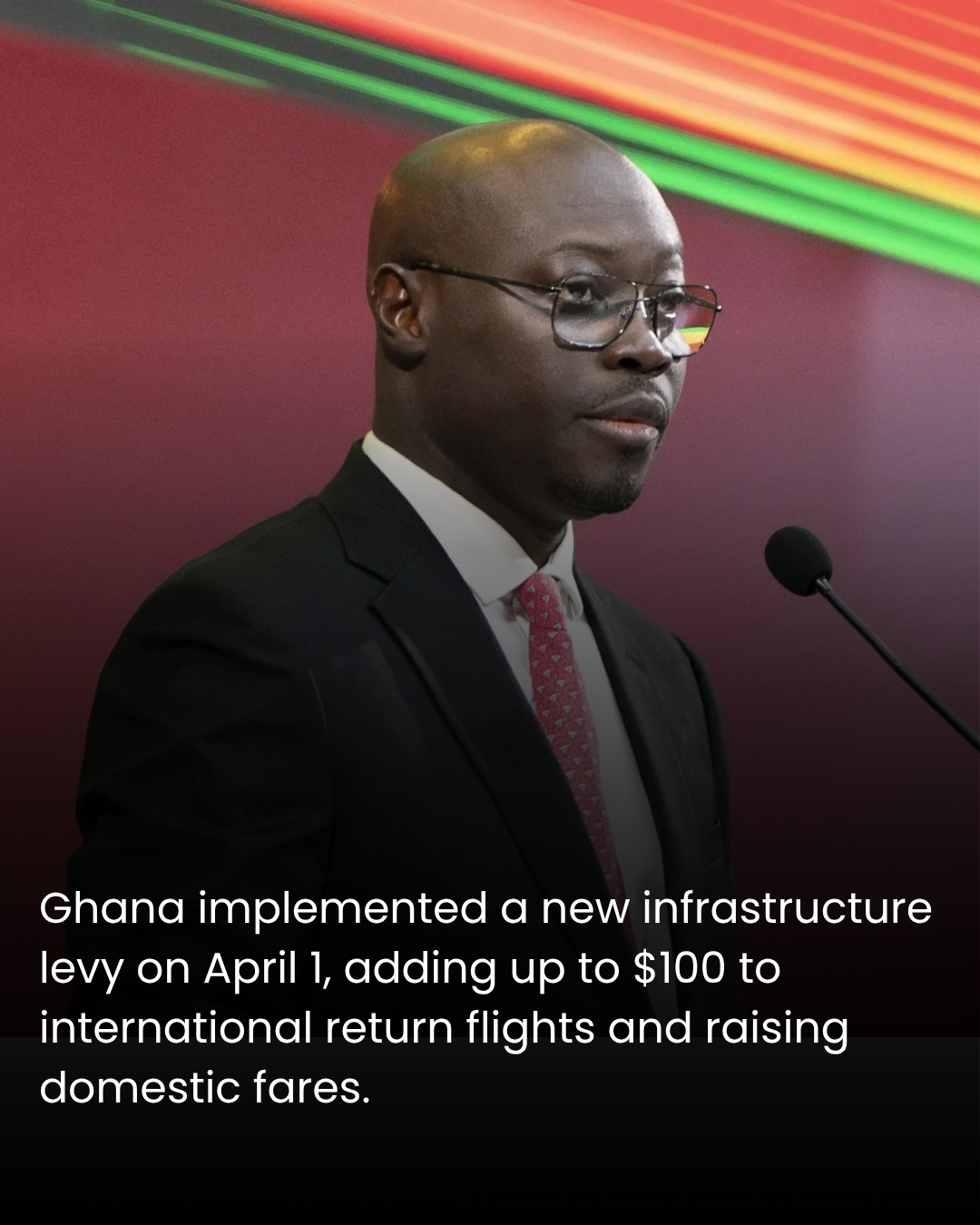
Ghana’s New Air Travel Levy Sparks Industry Concerns – Ghana’s aviation sector is facing renewed scrutiny following the implementation of a new infrastructure levy on air tickets effective April 1. The policy, which adds as much as $100 to international return flights while also pushing up domestic fares, has triggered concern among airlines and travellers alike.
While government officials say the move is necessary to fund critical airport infrastructure, industry players warn it could deepen existing challenges in an already fragile aviation market.
Ghana’s New Air Travel Levy Sparks Industry Concerns
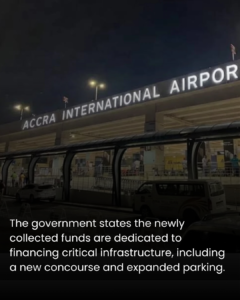
The newly introduced levy is designed to generate revenue for infrastructure development within Ghana’s aviation sector. According to officials, funds collected will be directed toward:
📢 GET DETAILED ARTICLES + JOBS
Join THSB's WhatsApp Channel and never miss a post or opportunity.
- Expansion of airport facilities
- Construction of a new concourse
- Improved parking and passenger handling systems
Authorities argue that these upgrades are essential to position Ghana as a competitive aviation hub in West Africa.
Higher Ticket Prices Hit Travelers
For passengers, the impact is immediate and tangible. Airlines have already begun passing the additional costs directly to travelers, leading to:
- Increased international ticket prices by up to $100
- Higher domestic airfares
- Reduced affordability of air travel
This comes at a time when ticket prices are already elevated due to fuel costs, currency pressures, and global inflation trends.
Airlines Push Back
Airlines, both local and international, have expressed concern over the timing and scale of the levy.
Key Issues Raised
- Cost burden: Airlines argue they are being forced to transfer the financial burden to passengers, potentially reducing demand.
- Market sensitivity: Ghana’s aviation market is highly price-sensitive, meaning even small increases can lead to fewer bookings.
- Operational pressure: Combined with high fuel prices and currency volatility, the levy adds another layer of financial strain.
Industry stakeholders warn that if passenger numbers decline significantly, airlines may be forced to reduce flight frequencies or reconsider certain routes.
RELATED: Rising Aviation Taxes Threatens Ghana’s Competitiveness.
Economic Implications
1. Impact on Tourism
Higher airfares could discourage international visitors, affecting Ghana’s growing tourism sector. Fewer tourists mean reduced revenue for:
• Hotels and resorts
• Tour operators
• Local businesses
2. Business Travel and Investment
Air travel plays a critical role in facilitating business and investment. Increased costs may:
• Limit corporate travel budgets
• Reduce investor visits
• Slow regional trade engagement
3. Pressure on Aviation Jobs
The aviation ecosystem supports thousands of jobs, from airline staff to ground handlers. Any reduction in passenger traffic could translate into:
• Lower revenues for airlines
• Potential job cuts
• Slower industry growth
Government’s Justification
The government maintains that the levy is a strategic investment in the future of Ghana’s aviation infrastructure. Facilities such as Accra International Airport are expected to benefit from upgrades that will:
• Improve passenger experience
• Increase airport capacity
• Enhance Ghana’s competitiveness as a regional hub
Officials emphasize that without such investments, the country risks falling behind other African aviation centers.
Balancing Growth and Affordability
The debate ultimately centers on a key economic question: how to balance infrastructure development with affordability.
On one hand:
• Infrastructure improvements require significant funding
• Modern airports can attract more airlines and investment
On the other hand:
• Higher costs may reduce travel demand
• Airlines could scale back operations
Striking the right balance will be crucial to ensuring that the policy achieves its intended outcomes without unintended negative consequences.
RECOMMENDED: Boeing Lifts Africa’s Aircraft Outlook By 40%.
What This Means Going Forward
For travelers:
- Expect higher ticket prices in the short term
- Plan trips earlier and compare fares
For businesses:
- Increased travel costs may affect operations
- Budget adjustments may be necessary
For policymakers:
- Continued engagement with airlines will be key
- Monitoring the impact on passenger numbers will be essential
Conclusion From THSB
Ghana’s new air travel levy marks a significant policy shift with wide-reaching implications. While the government’s goal of funding critical infrastructure is clear, the immediate impact, higher ticket prices, has raised concerns across the aviation industry.
As airlines adjust and passengers respond, the coming months will be crucial in determining whether the policy strengthens Ghana’s position as an aviation hub or places additional strain on an already challenged sector.
In a delicate economic climate, every policy decision carries weight, and this one is already being closely watched.
Disclaimer: Some content on The High Street Business may be aggregated, summarized, or edited from third-party sources for informational purposes. Images and media are used under fair use or royalty-free licenses. The High Street Business is a subsidiary of SamBoad Publishing under SamBoad Business Group Ltd, registered in Ghana since 2014.
For concerns or inquiries, please visit our Privacy Policy or Contact Page.

Esther Aku-Sika is a content writer and social media strategist who helps brands and startups grow through intentional storytelling and practical marketing strategies. With a keen eye for trends and audience behavior, she shares business insights, content strategies, and real-life lessons to help entrepreneurs build visibility and turn ideas into income. Through her writing, she simplifies complex concepts and equips readers with actionable steps to grow in today’s digital space.