






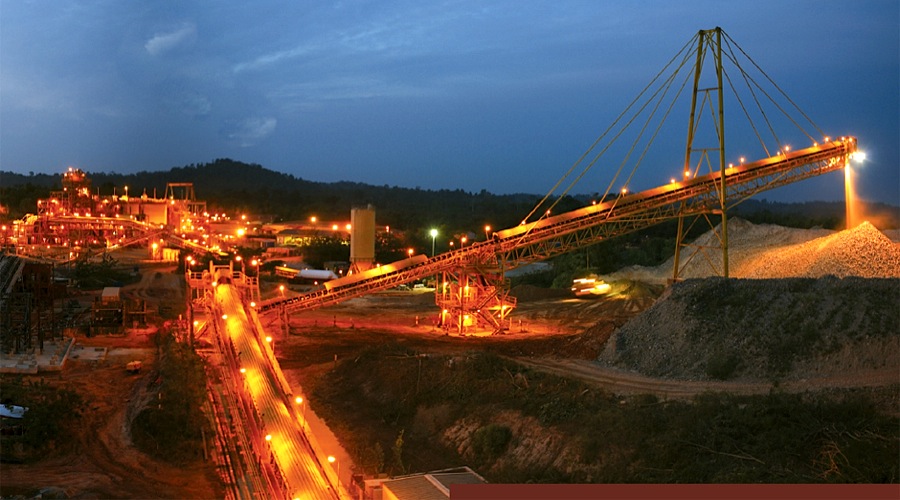
$1 Billion Damang Mine Deal Under Review – Ghana’s mining sector is once again in the spotlight as the government reviews bids from local investors to take over and revive the Damang gold mine. The deal, estimated to require up to $1 billion in investment, signals a major shift in Ghana’s approach to managing its natural resources.
At the heart of this move is a broader national strategy: increasing local ownership and control in the mining industry while still attracting significant capital. But what does this really mean for the economy, businesses, and ordinary Ghanaians?
RELATED: Ghana’s Star Oil Paid 6 billion in taxes and levies in 2025
📢 GET DETAILED ARTICLES + JOBS
Join THSB's WhatsApp Channel and never miss a post or opportunity.
$1 Billion Damang Mine Deal Under Review: What It Means for Ghana’s Economy
The Damang Mine is one of Ghana’s key gold mining assets, located in the Western Region—an area rich in mineral deposits. It has historically been operated by Gold Fields, one of the world’s largest gold producers.
Over the years, Damang has contributed significantly to:
- Ghana’s gold exports
- Government revenue through taxes and royalties
- Employment in mining communities
However, like many mature mines, Damang faces declining ore reserves and requires substantial new investment to remain viable.
Why the $1 Billion Investment Is Important
Reviving the Damang mine is not a small undertaking. A potential $1 billion investment highlights both the opportunity and the risk involved.
What the Investment Will Cover
- Exploration of new gold reserves
- Upgrading mining equipment and infrastructure
- Environmental and sustainability measures
- Workforce expansion and training
Such a large capital injection could extend the life of the mine and significantly boost production levels.
Why Local Investors?
The Ghanaian government is prioritizing local investor participation as part of its economic transformation agenda. This aligns with policies aimed at:
- Retaining more profits within Ghana
- Building local capacity in mining
- Reducing over-reliance on foreign companies
Government Strategy: Increasing Local Ownership
Ghana is one of Africa’s top gold producers, yet much of the sector has historically been dominated by multinational companies. Now, policymakers are pushing for a shift.
Key Objectives
- Empower Ghanaian-owned firms
- Promote joint ventures between local and foreign investors
- Ensure fair distribution of mining wealth
Institutions like the Minerals Commission Ghana play a crucial role in evaluating bids and ensuring transparency in the process.
This strategy is not just about ownership, it’s about economic sovereignty.
Economic Impact of the Damang Deal
1. Job Creation and Skills Development
A revived Damang mine could create:
- Direct jobs in mining operations
- Indirect jobs in logistics, catering, and support services
It also opens opportunities for skills transfer, especially if local firms take the lead.
2. Increased Government Revenue
Higher production means:
- More royalties
- Increased corporate taxes
- Greater foreign exchange earnings
This is particularly important as Ghana works to stabilize its economy under programs supported by the International Monetary Fund.
3. Boost for Local Businesses
Local ownership can stimulate:
- Procurement from Ghanaian suppliers
- Growth of small and medium enterprises (SMEs)
- Expansion of mining-related services
This creates a ripple effect across the economy.
READ ALSO: The Asantehene has urged Economic Managers To Stop Being Complacent
The Big Question: Who Controls the Resources?
While the benefits are clear, the deal also raises critical concerns.
1. Transparency and Accountability
Selecting the right investors is crucial. Poor decisions could lead to:
- Mismanagement of resources
- Corruption risks
- Financial losses
2. Financial Capacity of Local Investors
A $1 billion project requires:
- Strong financial backing
- Technical expertise
- Long-term commitment
The government must ensure that local investors have the capacity to deliver, not just the ambition.
3. Environmental and Social Responsibility
Mining activities come with environmental risks, including:
- Land degradation
- Water pollution
- Community displacement
Ghana has already faced challenges with illegal mining (galamsey), making it essential that any new investment prioritizes sustainability and community protection.
Broader Implications for Ghana’s Mining Sector
The Damang deal could set a precedent for future mining agreements in Ghana.
Potential Long-Term Effects
- More local participation across the mining industry
- Increased investor confidence if the process is successful
- Policy shifts encouraging resource nationalism
If managed well, Ghana could become a model for balancing foreign investment with local empowerment.
What This Means for Businesses and Investors
For Local Entrepreneurs
- Opportunities to partner with mining firms
- Increased demand for goods and services
- Entry into mining supply chains
For Foreign Investors
- Need to collaborate with local partners
- Adjust to evolving regulatory frameworks
For Financial Institutions
- Opportunities to finance large-scale projects
- Increased role in structuring investment deals
Conclusion From THSB
The $1 billion Damang mine deal is more than just a mining transaction—it is a defining moment in Ghana’s economic strategy. By prioritizing local ownership, the government aims to ensure that more of the country’s natural wealth benefits its people.
However, success will depend on choosing the right investors, maintaining transparency, and ensuring sustainability.
If executed effectively, this move could:
- Create jobs
- Boost economic growth
- Strengthen Ghana’s control over its natural resources
But if mismanaged, it could become a costly missed opportunity. In the end, the Damang deal is not just about gold, it’s about Ghana’s future.
Disclaimer: Some content on The High Street Business may be aggregated, summarized, or edited from third-party sources for informational purposes. Images and media are used under fair use or royalty-free licenses. The High Street Business is a subsidiary of SamBoad Publishing under SamBoad Business Group Ltd, registered in Ghana since 2014.
For concerns or inquiries, please visit our Privacy Policy or Contact Page.

Esther Aku-Sika is a content writer and social media strategist who helps brands and startups grow through intentional storytelling and practical marketing strategies. With a keen eye for trends and audience behavior, she shares business insights, content strategies, and real-life lessons to help entrepreneurs build visibility and turn ideas into income. Through her writing, she simplifies complex concepts and equips readers with actionable steps to grow in today’s digital space.