





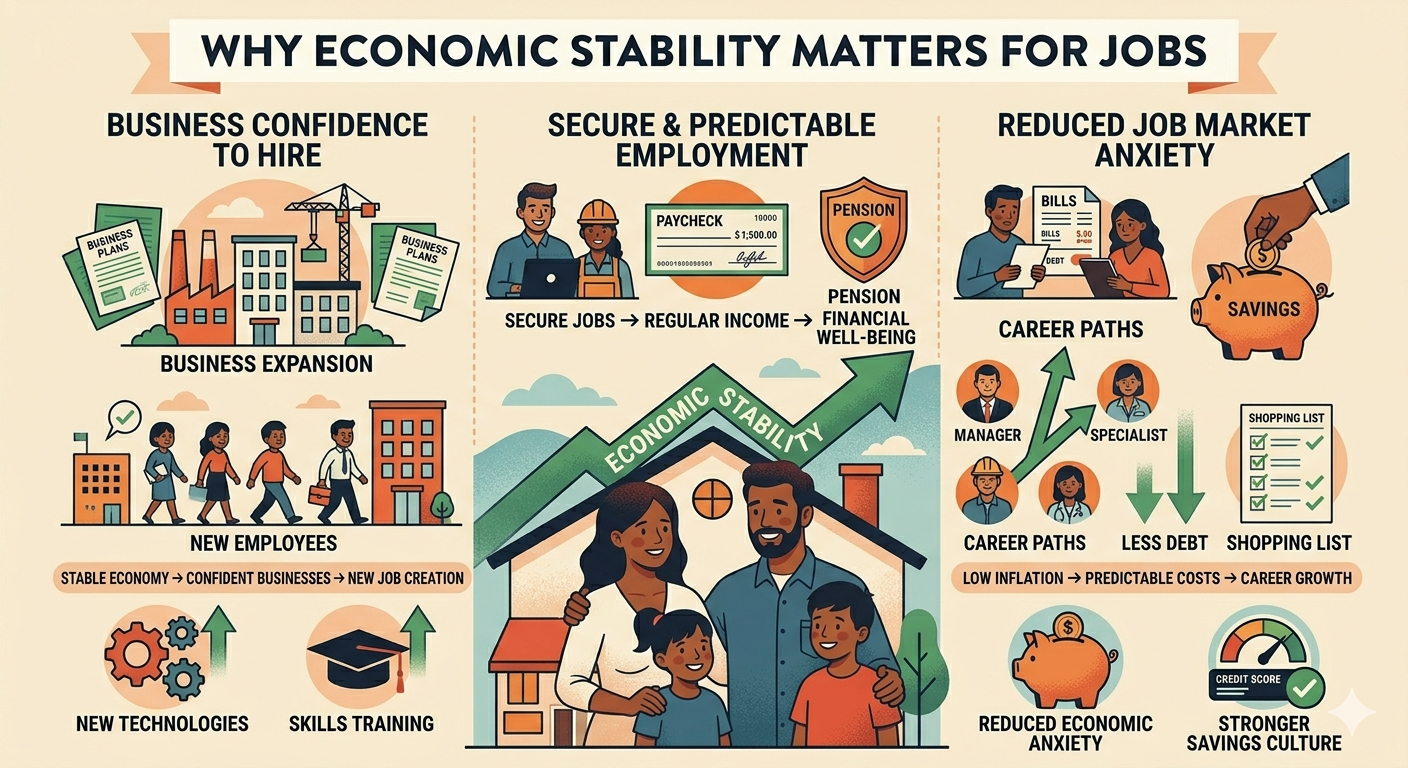
Why Economic Stability Matters for Jobs – Economic stability plays a vital role in job creation and security in Ghana. Here’s how stable prices, currency, and policies influence employment opportunities.
Why Economic Stability Matters for Jobs
Economic stability is a key driver of job creation and employment security in any country. In Ghana, factors such as inflation control, currency stability, and consistent policy direction influence how businesses hire and expand. Institutions like the Bank of Ghana and international partners such as the International Monetary Fund play important roles in supporting stability, which directly affects the labour market and livelihoods.
Stable Economy, Stronger Hiring
When the economy is stable, businesses feel more confident about the future. This confidence encourages companies to invest, expand operations, and hire more workers. In contrast, economic uncertainty often leads firms to slow down recruitment or even reduce their workforce to manage risk.
📢 GET DETAILED ARTICLES + JOBS
Join THSB's WhatsApp Channel and never miss a post or opportunity.
In Ghana, stable conditions help both large companies and small businesses plan for long-term growth.
Inflation and Job Security
Inflation has a direct impact on employment conditions. When prices rise too quickly, the cost of doing business increases. Companies may struggle with higher expenses for raw materials, transport, and wages. This can force some businesses to freeze hiring or reduce staff.
On the other hand, stable inflation helps maintain predictable costs, making it easier for employers to retain and recruit workers.
Currency Stability and Business Confidence
The stability of the Ghanaian cedi is another important factor influencing jobs. A stable currency reduces uncertainty for businesses that rely on imports or export earnings. It helps companies plan budgets and manage costs more effectively.
The Bank of Ghana plays a key role in managing exchange rate stability, which indirectly supports employment growth.
Investment and Job Creation
Economic stability attracts both local and foreign investment. Investors are more likely to put money into countries where policies are predictable and risks are lower. This investment often leads to the creation of new businesses, factories, and services: all of which generate jobs.
Sectors such as manufacturing, agriculture, and technology benefit significantly from stable economic conditions.
Business Expansion and Growth
When the economy is stable, businesses are more willing to expand. Expansion requires hiring additional staff, from skilled professionals to entry-level workers. This creates more job opportunities across different sectors.
In unstable conditions, however, businesses tend to focus on survival rather than growth, limiting employment creation.
Government Policy and Employment Support
Government policies also play a major role in job creation. Consistent fiscal and monetary policies, often supported by programmes involving the International Monetary Fund, help create a stable environment for businesses.
Policies that support infrastructure development, education, and skills training also improve employability and productivity in the labour market.
Youth Employment and Economic Stability
Young people are often the most affected by economic instability. When the economy is uncertain, youth unemployment tends to rise, as businesses are less willing to take on new staff. Stable economic conditions, however, create more entry-level opportunities and internships.
This is crucial for Ghana, where a large proportion of the population is young and entering the workforce.
Informal Sector and Stability
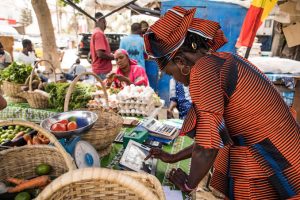
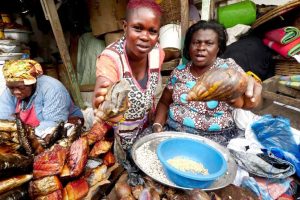
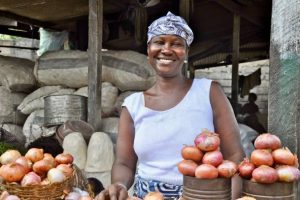
A significant portion of employment in Ghana comes from the informal sector. Even here, economic stability matters. Traders, artisans, and small-scale entrepreneurs rely on predictable prices, stable demand, and access to credit to sustain their livelihoods.
When the economy is stable, informal businesses are more likely to grow and hire additional workers.
Conclusion From THSB
Economic stability is essential for job creation, security, and long-term employment growth in Ghana. Stable inflation, a predictable currency, and consistent policies create the right environment for businesses to invest and expand. With continued efforts by institutions like the Bank of Ghana and international partners such as the International Monetary Fund, Ghana can strengthen its labour market and create more sustainable job opportunities for its growing population.
Source: The High Street Business
Disclaimer: Some content on The High Street Business may be aggregated, summarized, or edited from third-party sources for informational purposes. Images and media are used under fair use or royalty-free licenses. The High Street Business is a subsidiary of SamBoad Publishing under SamBoad Business Group Ltd, registered in Ghana since 2014.
For concerns or inquiries, please visit our Privacy Policy or Contact Page.

Esther Aku-Sika is a content writer and social media strategist who helps brands and startups grow through intentional storytelling and practical marketing strategies. With a keen eye for trends and audience behavior, she shares business insights, content strategies, and real-life lessons to help entrepreneurs build visibility and turn ideas into income. Through her writing, she simplifies complex concepts and equips readers with actionable steps to grow in today’s digital space.