






Over 200 Youth Complete Practical Agricultural Training Under WUSC–ACTIVATE Project in Asante Mampong

Why Inflation Hurts Savings and Investment in Ghana’s Economy

More than 200 young people in Asante Mampong in the Ashanti Region have successfully completed practical agricultural short courses under the WUSC–ACTIVATE Project at the Akenten Appiah-Menka University of Skills Training and Entrepreneurial Development (AAMUSTED).

The initiative, implemented by World University Services of Canada (WUSC) with support from the MasterCard Foundation, forms part of the Accelerating Change Through Innovation in Agricultural TVET (ACTIVATE) project. It is designed to equip young people—particularly women and persons with disabilities—with employable skills, entrepreneurial capacity, and a smooth transition into work or self-employment.

WUSC–ACTIVATE Project equips over 200 youth with practical agriculture skills in Asante Mampong

Inclusive Training for Youth Employment and Enterprise

The first cohort of 209 trainees undertook the programme between August and December 2025 at the AAMUSTED Mampong Campus. Participants, aged 18 to 35, were predominantly young women, alongside young men and persons with disabilities—reflecting the project’s strong emphasis on inclusion, equity, and access to opportunity.

📢 GET A DETAILED ARTICLES + JOBS

Join SamBoad's WhatsApp Channel and never miss a post or opportunity.

📲 Join the Channel Now

The training covered key segments of the agricultural value chain, including:

  • Post-harvest handling and food processing

  • Livestock health management

  • Non-traditional agriculture production

  • Organic vegetable production

The courses blended classroom instruction with hands-on practical training, complemented by business development support, mentorship, and start-up readiness.
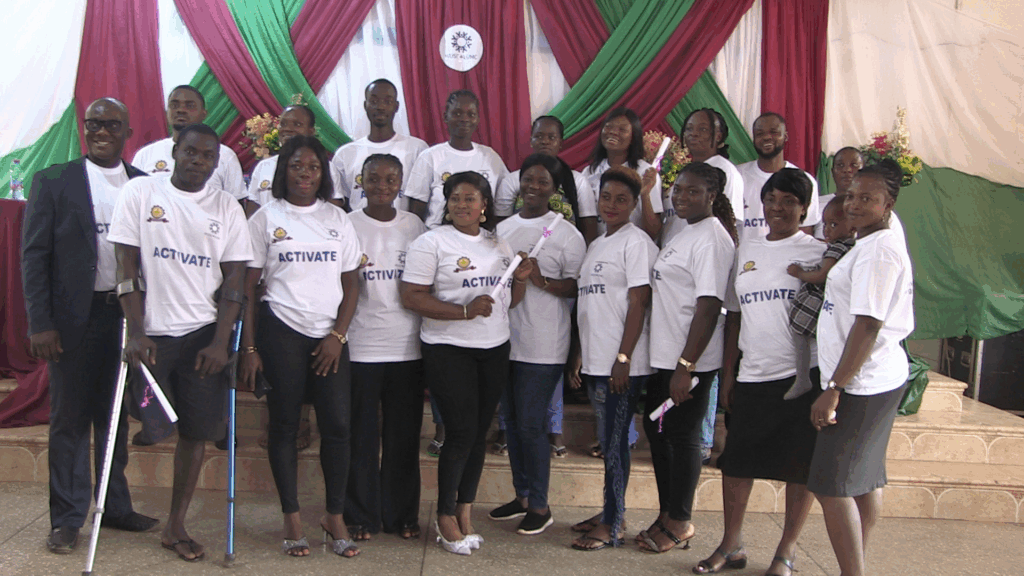
WUSC–ACTIVATE Project equips over 200 youth with practical agriculture skills in Asante Mampong

Beyond Training: Supporting Transition Into Work

Coordinator of the programme, Dr. Benjamin Danso, explained that the ACTIVATE project was intentionally structured to go beyond skills acquisition by supporting participants to transition into real economic activity.

“The whole idea is to support young women and persons with disabilities with training, business development support, and some financial assistance,” Dr. Danso said.
“The goal is to help them start their own businesses or transition into work, including being employed by other business owners.”

He noted that the four-month programme was designed to provide participants with practical, market-relevant skills across multiple agricultural value chains.

“We have given them the skills they need to excel,” he added. “Even at a very small level, they can now start something on their own.”

Life-Changing Skills for Young Beneficiaries

Participants in post-harvest handling and food processing learned food preservation, hygiene practices, and value addition techniques. One beneficiary, Christiana Opoku, described the experience as transformative.

“I have learned how to process food and preserve it,” she said. “The training has really helped me, and I believe I can now impact my generation with what I have learned.”

Another participant, Christiana Kwesi, a Level 300 student, said the programme would help her earn income while continuing her education.

“Learning these skills will help me a lot,” she said. “I can now make money for myself even while I am still in school.”

Empowering Persons With Disabilities Through Agriculture

Those enrolled in livestock health management gained practical knowledge in animal care, vaccination, disease prevention, and farm hygiene. Richard Osei, a physically challenged participant, said the training had increased his independence.

“Now I do not need to look for an expert every time my animals are sick,” he said. “I can take care of them myself.”

Participants trained in non-traditional agriculture explored mushroom farming, beekeeping, snail rearing, and rabbit production. They completed full production cycles and were supported to register businesses and prepare for scale-up.

OTHERS READING:  Ghana’s Gold Windfall Is a Test of Discipline, Not an Invitation to Spend

Strengthening Food Security and Local Economies

In the vegetable production and processing course, trainees received hands-on training in nursery management, pest and disease control, irrigation, harvesting, and basic processing. Farmland and irrigation facilities enabled year-round production and practical learning.

Dr. Danso highlighted that the programme directly tackles youth unemployment, a persistent national challenge.

“In the past, we focused on training without supporting people to transition into work,” he said.
“This time, we are providing start-up support so from today, they should be able to transition smoothly into work.”

Throughout the programme, trainees received stipends, training materials, and personal protective equipment. AAMUSTED provided laboratories, demonstration farms, cold storage facilities, and workspaces, while partner financial institutions supported access to credit and business registration.

The ACTIVATE programme is expected to run for three more years, expanding opportunities for youth across Ghana’s agricultural sector. Project leaders say the initiative is already creating jobs, improving food security, and strengthening livelihoods in the municipality.

Disclaimer: Some content on The High Street Business may be aggregated, summarized, or edited from third-party sources for informational purposes. Images and media are used under fair use or royalty-free licenses. The High Street Business is a subsidiary of SamBoad Publishing under SamBoad Business Group Ltd, registered in Ghana since 2014.

For concerns or inquiries, please visit our Privacy Policy or Contact Page.

Leave a Reply

Your email address will not be published. Required fields are marked *

Over 200 Youth Complete Practical Agricultural Training Under WUSC–ACTIVATE Project in Asante Mampong

Understanding Public Debt Policy

More than 200 young people in Asante Mampong in the Ashanti Region have successfully completed practical agricultural short courses under the WUSC–ACTIVATE Project at the Akenten Appiah-Menka University of Skills Training and Entrepreneurial Development (AAMUSTED).

The initiative, implemented by World University Services of Canada (WUSC) with support from the MasterCard Foundation, forms part of the Accelerating Change Through Innovation in Agricultural TVET (ACTIVATE) project. It is designed to equip young people—particularly women and persons with disabilities—with employable skills, entrepreneurial capacity, and a smooth transition into work or self-employment.

WUSC–ACTIVATE Project equips over 200 youth with practical agriculture skills in Asante Mampong

Inclusive Training for Youth Employment and Enterprise

The first cohort of 209 trainees undertook the programme between August and December 2025 at the AAMUSTED Mampong Campus. Participants, aged 18 to 35, were predominantly young women, alongside young men and persons with disabilities—reflecting the project’s strong emphasis on inclusion, equity, and access to opportunity.

📢 GET A DETAILED ARTICLES + JOBS

Join SamBoad's WhatsApp Channel and never miss a post or opportunity.

📲 Join the Channel Now

The training covered key segments of the agricultural value chain, including:

  • Post-harvest handling and food processing

  • Livestock health management

  • Non-traditional agriculture production

  • Organic vegetable production

The courses blended classroom instruction with hands-on practical training, complemented by business development support, mentorship, and start-up readiness.

WUSC–ACTIVATE Project equips over 200 youth with practical agriculture skills in Asante Mampong

Beyond Training: Supporting Transition Into Work

Coordinator of the programme, Dr. Benjamin Danso, explained that the ACTIVATE project was intentionally structured to go beyond skills acquisition by supporting participants to transition into real economic activity.

“The whole idea is to support young women and persons with disabilities with training, business development support, and some financial assistance,” Dr. Danso said.
“The goal is to help them start their own businesses or transition into work, including being employed by other business owners.”

He noted that the four-month programme was designed to provide participants with practical, market-relevant skills across multiple agricultural value chains.

“We have given them the skills they need to excel,” he added. “Even at a very small level, they can now start something on their own.”

Life-Changing Skills for Young Beneficiaries

Participants in post-harvest handling and food processing learned food preservation, hygiene practices, and value addition techniques. One beneficiary, Christiana Opoku, described the experience as transformative.

“I have learned how to process food and preserve it,” she said. “The training has really helped me, and I believe I can now impact my generation with what I have learned.”

Another participant, Christiana Kwesi, a Level 300 student, said the programme would help her earn income while continuing her education.

“Learning these skills will help me a lot,” she said. “I can now make money for myself even while I am still in school.”

Empowering Persons With Disabilities Through Agriculture

Those enrolled in livestock health management gained practical knowledge in animal care, vaccination, disease prevention, and farm hygiene. Richard Osei, a physically challenged participant, said the training had increased his independence.

“Now I do not need to look for an expert every time my animals are sick,” he said. “I can take care of them myself.”

Participants trained in non-traditional agriculture explored mushroom farming, beekeeping, snail rearing, and rabbit production. They completed full production cycles and were supported to register businesses and prepare for scale-up.

OTHERS READING:  Africa AI Council Established to Strengthen Continent’s Global AI Presence -ABN

Strengthening Food Security and Local Economies

In the vegetable production and processing course, trainees received hands-on training in nursery management, pest and disease control, irrigation, harvesting, and basic processing. Farmland and irrigation facilities enabled year-round production and practical learning.

Dr. Danso highlighted that the programme directly tackles youth unemployment, a persistent national challenge.

“In the past, we focused on training without supporting people to transition into work,” he said.
“This time, we are providing start-up support so from today, they should be able to transition smoothly into work.”

Throughout the programme, trainees received stipends, training materials, and personal protective equipment. AAMUSTED provided laboratories, demonstration farms, cold storage facilities, and workspaces, while partner financial institutions supported access to credit and business registration.

The ACTIVATE programme is expected to run for three more years, expanding opportunities for youth across Ghana’s agricultural sector. Project leaders say the initiative is already creating jobs, improving food security, and strengthening livelihoods in the municipality.

Disclaimer: Some content on The High Street Business may be aggregated, summarized, or edited from third-party sources for informational purposes. Images and media are used under fair use or royalty-free licenses. The High Street Business is a subsidiary of SamBoad Publishing under SamBoad Business Group Ltd, registered in Ghana since 2014.

For concerns or inquiries, please visit our Privacy Policy or Contact Page.

Leave a Reply

Your email address will not be published. Required fields are marked *

error: Content is protected. Kindly credit The High Street Business when referencing.