







Why Manufacturing Growth Matters – Manufacturing growth supports jobs, industrialisation, exports, and economic stability. Here’s why expanding manufacturing is important for Ghana’s economy.
Why Manufacturing Growth Matters
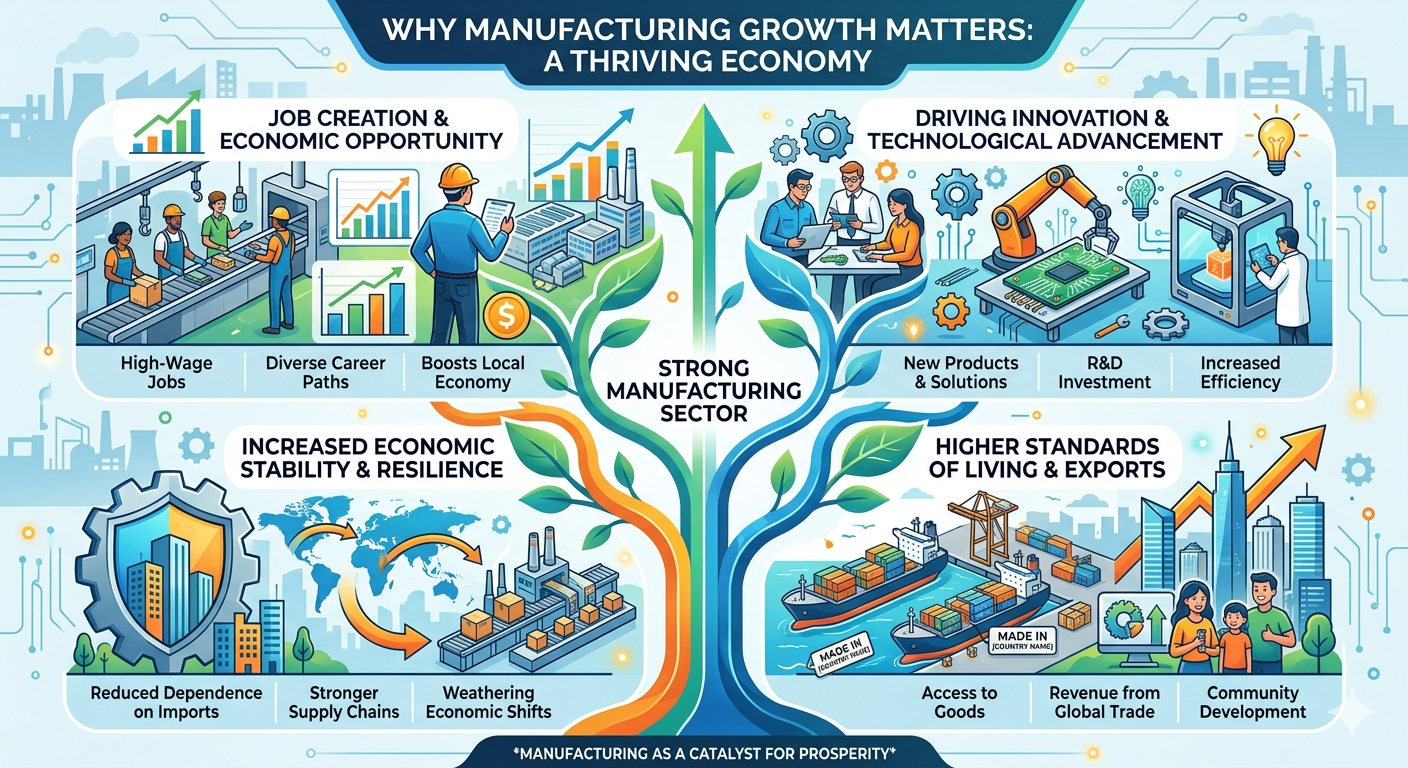
Manufacturing is often seen as one of the foundations of long-term economic development. Countries with strong manufacturing sectors tend to create more jobs, increase exports, and build more resilient economies.
In Ghana, manufacturing growth is increasingly viewed as an important path toward industrialisation and economic diversification. Expanding local production can help reduce dependence on imports, strengthen businesses, and create opportunities for millions of people across the economy.
📢 GET DETAILED ARTICLES + JOBS
Join THSB's WhatsApp Channel and never miss a post or opportunity.
Understanding Manufacturing Growth
Manufacturing involves turning raw materials into finished or semi-finished products through industrial processes.
This includes industries such as:
- Food processing
- Textiles and garments
- Cement and construction materials
- Pharmaceuticals
- Consumer goods
- Metal and machinery production
Manufacturing growth refers to an increase in industrial production, factory activity, investment, and employment within these sectors.
Manufacturing Creates Jobs
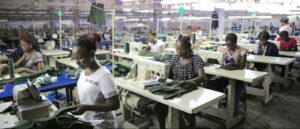
One of the biggest reasons manufacturing matters is its ability to create employment opportunities. Manufacturing industries often employ: Factory workers, engineers and technicians, drivers and logistics operators, suppliers and distributors, Administrative and support staff. As factories expand, they also create indirect jobs across supply chains and local businesses.
In Ghana, manufacturing growth is often linked to efforts to reduce unemployment and create opportunities for young people entering the workforce.
Supporting Economic Diversification
Ghana’s economy has traditionally depended heavily on commodities such as cocoa, gold, and oil. Manufacturing helps diversify the economy by expanding industrial activity beyond raw material exports. Instead of exporting raw products alone, local industries can process and add value before export. This can increase earnings and strengthen the country’s industrial base.
Diversification through manufacturing can also reduce vulnerability to global commodity price fluctuations.
Reducing Import Dependence
A stronger manufacturing sector can reduce reliance on imported goods. When more products are produced locally:
- Businesses may face lower import costs
- Pressure on foreign exchange demand can reduce
- Local industries may become more competitive
- Consumers may gain access to more locally made products
Reducing import dependence can also support currency stability over time.
Boosting Exports and Foreign Exchange Earnings
Manufacturing growth can improve export performance by increasing the production of finished goods for international markets. Exporting manufactured products helps generate foreign exchange earnings, which are important for:
- Supporting the value of the cedi
- Financing imports
- Strengthening trade balances
Countries with strong manufacturing sectors often have more diversified export markets and stronger industrial economies.
Encouraging Innovation and Skills Development
Manufacturing can also drive technological progress and workforce development. As industries expand, businesses often invest in:
- Technical training
- Modern equipment
- Industrial technology
- Research and development
This helps improve productivity and creates a more skilled workforce capable of supporting long-term economic growth.
The Link Between Manufacturing and Infrastructure
Industrial growth depends heavily on infrastructure. Reliable: Electricity supply, transportation networks, ports and logistics systems, internet and digital connectivity are all important for manufacturing efficiency.
High production costs caused by poor infrastructure can slow industrial expansion and reduce competitiveness. For this reason, infrastructure investment is often seen as essential for supporting manufacturing growth in Ghana.
Manufacturing and Small Businesses
Manufacturing growth can also benefit small and medium-sized enterprises. Local manufacturers often rely on smaller businesses for: Raw materials, packaging, transportation, maintenance services, and retail distribution.
As industrial activity expands, opportunities for entrepreneurs and small businesses can increase as well.
Challenges Facing Manufacturing Growth
Despite its importance, manufacturing in Ghana faces several challenges. These may include:
- High energy costs
- Limited access to financing
- Currency fluctuations
- Import competition
- Infrastructure gaps
Addressing these issues is important for creating a more competitive industrial sector.
Why Manufacturing Matters for Long-Term Growth
Countries that successfully industrialise often experience:
- Higher productivity
- More stable employment
- Stronger exports
- Increased innovation
- Greater economic resilience
Manufacturing can create long-term economic value because it supports production, trade, and business expansion across multiple sectors.
For Ghana, manufacturing growth is often viewed as an important step toward building a stronger and more self-sustaining economy.
THSB’S Conclusion
Manufacturing growth matters because it supports jobs, industrialisation, exports, and economic diversification. By expanding local production and strengthening industries, Ghana can reduce dependence on imports, create employment opportunities, and improve long-term economic resilience.
Although challenges remain, continued investment in manufacturing has the potential to play a major role in shaping Ghana’s future economic development.
Source: The High Street Business
Disclaimer: Some content on The High Street Business may be aggregated, summarized, or edited from third-party sources for informational purposes. Images and media are used under fair use or royalty-free licenses. The High Street Business is a subsidiary of SamBoad Publishing under SamBoad Business Group Ltd, registered in Ghana since 2014.
For concerns or inquiries, please visit our Privacy Policy or Contact Page.

Esther Aku-Sika is a content writer and social media strategist who helps brands and startups grow through intentional storytelling and practical marketing strategies. With a keen eye for trends and audience behavior, she shares business insights, content strategies, and real-life lessons to help entrepreneurs build visibility and turn ideas into income. Through her writing, she simplifies complex concepts and equips readers with actionable steps to grow in today’s digital space.