



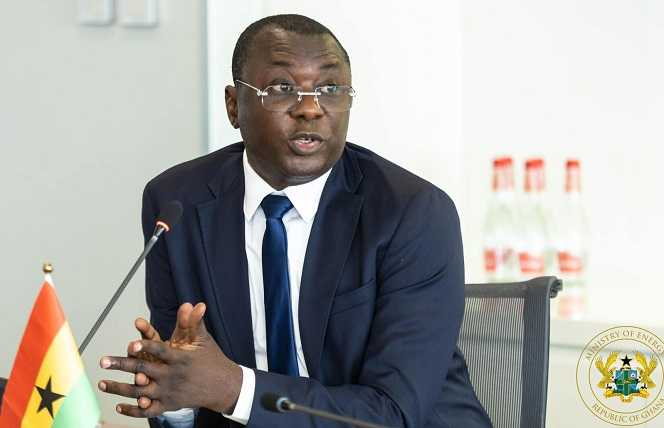
Ghana’s fiscal outlook for 2025 has opened on a cautious and constrained note as Parliament finally approved the ₵68.13 billion Expenditure in Advance of Appropriation for the first quarter of the year. The approval, granted on January 2nd, 2025, came after weeks of intense political standoffs, legislative delays, and concerns that the government was heading toward a complete shutdown without an approved mini-budget.
The tug-of-war between the NPP and NDC over which caucus constituted the majority created a deadlock that halted parliamentary business, including discussions on the mini-budget. The situation was only resolved after the Supreme Court intervened, clearing the way for Parliament to resume sitting.
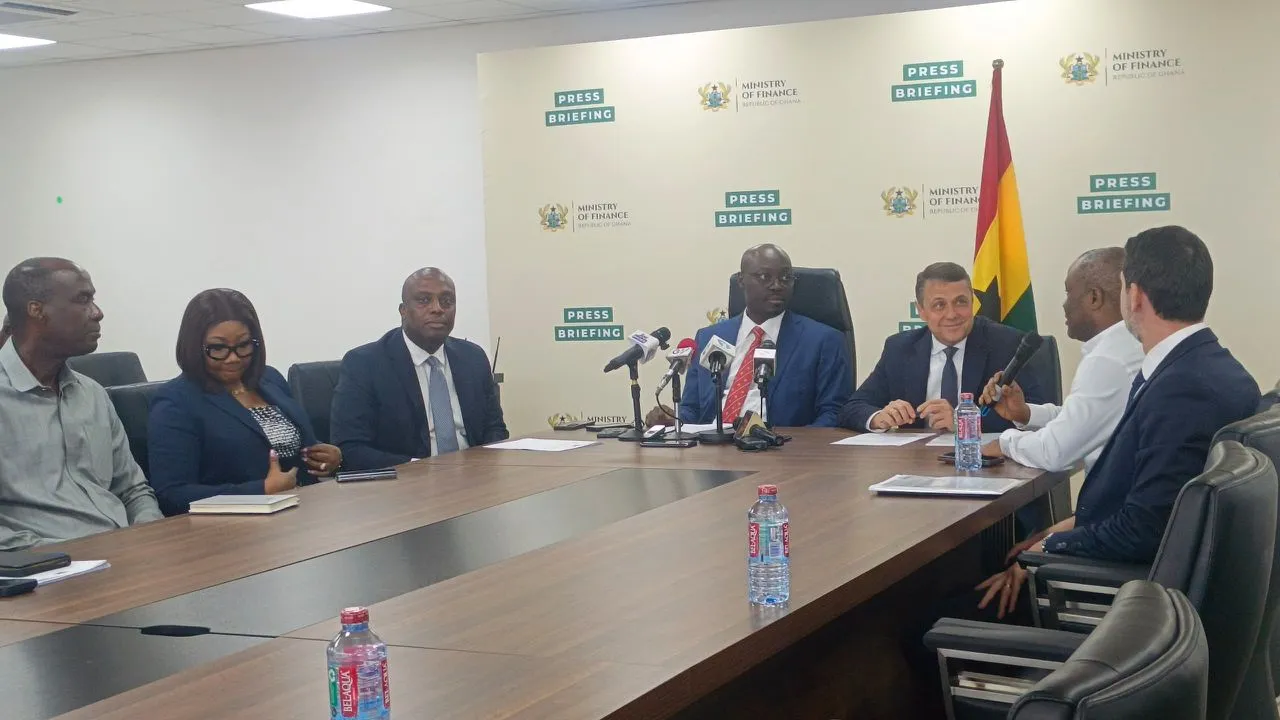
Once Parliament reconvened, Finance Minister Dr. Mohammed Amin Adam presented the budget, emphasizing the urgency of ensuring continuity of government operations during the first three months of the fiscal year. Within two days of the new fiscal year, the House approved the spending request after it was reviewed by the Budget and Finance Committees.
📢 GET DETAILED ARTICLES + JOBS
Join THSB's WhatsApp Channel and never miss a post or opportunity.
But beyond the political standoff lies a deeper fiscal concern: how the ₵68.13 billion will be used, and what it reveals about Ghana’s tight budgetary space.
Debt and Wages Dominate Q1 Spending
An analysis of the budget breakdown shows that over 56% of the total allocation will go toward debt servicing (interest + amortization) and compensation of employees. This reveals a structural challenge that continues to constrain Ghana’s fiscal flexibility.
1. Interest Payments — ₵20.62bn (30.26%)
Interest payment remains the single largest expenditure item, highlighting the severity of Ghana’s debt burden. Despite restructuring efforts, the government still must dedicate a large portion of its resources to maintain creditor confidence and avoid default. This leaves very little space for developmental investment.
2. Compensation of Employees — ₵16.46bn (24.16%)
Public sector wages claim nearly a quarter of the total Q1 budget. Ghana’s wage bill remains high, and in a period of economic transition, maintaining the government workforce places further pressure on limited fiscal resources.
3. Grants to Other Government Units — ₵9.19bn (13.46%)
This allocation supports decentralised institutions, sub-national governance, and other public agencies.
Operational Costs Overshadow Investment in Growth
The remaining allocations reflect the reality of a government focused on keeping the machinery of the state running rather than driving transformative development.
4. Other Expenditure — ₵4.63bn (6.79%)
Covers miscellaneous operational costs across ministries, departments, and agencies.
5. Goods and Services — ₵3.12bn (4.58%)
Provides essential funding for procurement and operations.
6. Arrears Clearance — ₵2.34bn (3.44%)
This portion helps settle commitments owed to contractors and service providers, a persistent problem in Ghana’s public finance management.
7. Amortization — ₵1.28bn (1.88%)
Used for repayment of principal on existing debts.
Less Than 1% for Capital Development
One of the most worrying signals from the mini-budget is its almost negligible allocation toward infrastructure and development.
8. Capital Expenditure — ₵592m (0.87%)
This amount is insufficient for any significant infrastructure development. It underscores the difficult trade-offs the government faces, balancing fiscal consolidation with long-term growth needs.
9. Subsidies — ₵495.07m (0.73%)
Allocated for essential subsidies across sectors.
10. Social Benefits — ₵324.20m (0.48%)
Support for vulnerable households represents less than half a percent of the total allocation—a concerning figure as economic hardship persists across the country.
A Budget of Necessity, Not Growth
The 2025 mini-budget is essentially a continuity budget—one designed to prevent a government shutdown, keep public servants paid, service debt obligations, and prevent operational paralysis. It offers no room for the ambitious developmental initiatives many Ghanaians anticipate.
The overwhelming focus on debt servicing and wages mirrors Ghana’s broader macroeconomic challenges:
-
High debt levels despite restructuring
-
Persistent wage pressures
-
Limited fiscal space
-
Rising social needs
-
A growing demand for infrastructure and job creation
Yet the resources available for capital investment and social protection remain critically low.
Implications for Ghana’s Economic Direction
1. Slow Infrastructure Growth
With less than 1% allocated to capital expenditure, Ghana risks falling behind in infrastructure development—roads, hospitals, schools, energy systems, and water projects could all see delays.
2. Limited Economic Stimulus
Low investment means fewer opportunities for job creation, private sector stimulation, or economic expansion.
3. Continued Debt Dependence
With debt servicing taking the largest share of the budget, it reinforces concerns that Ghana’s economic recovery will depend heavily on restructuring, prudent borrowing, and revenue mobilization.
4. Pressure on Social Welfare
Allocating only 0.48% to vulnerable groups suggests that social protection remains underfunded, even as living costs rise for many households.
A Necessary But Cautionary Fiscal Start
While the approval of the 2025 Q1 mini-budget was essential to prevent a government shutdown, the numbers reflect a nation grappling with tight fiscal constraints. Debt obligations continue to shape budget priorities, crowding out investment and limiting the government’s ability to respond to economic challenges.
The real test will come with the full 2025 budget—whether it can chart a path that balances fiscal discipline with growth, and whether ongoing reforms can free up more resources for long-term development.
FAQs
1. What is the total amount approved for Ghana’s Q1 2025 budget?
₵68.13 billion was approved for government operations for the first three months of 2025.
2. How much of the budget goes to debt servicing?
Interest payments and amortization together account for over 32% of the total allocation.
3. Why is capital expenditure so low?
Fiscal constraints, high debt obligations, and the need to maintain essential government operations left very little room for development spending.
4. What caused the delay in the mini-budget approval?
A parliamentary standoff over which caucus—NPP or NDC—constituted the majority, eventually resolved by the Supreme Court.
5. What does the budget mean for citizens?
Fewer infrastructure projects limited social welfare support, and continued pressure on government finances.
Source: The High Street Business
Disclaimer: Some content on The High Street Business may be aggregated, summarized, or edited from third-party sources for informational purposes. Images and media are used under fair use or royalty-free licenses. The High Street Business is a subsidiary of SamBoad Publishing under SamBoad Business Group Ltd, registered in Ghana since 2014.
For concerns or inquiries, please visit our Privacy Policy or Contact Page.

Samuel Kwame Boadu is a Ghanaian entrepreneur, writer, and digital consultant passionate about creating impactful stories and business solutions. He is the Founder & CEO of SamBoad Business Group Ltd, a dynamic company with subsidiaries in digital marketing, logistics, publishing, and risk management.