






ACCRA — The Bank of Ghana (BoG) says it is transitioning from short-term stabilization toward productivity-led growth, as the economy posts some of its strongest recovery indicators in years.
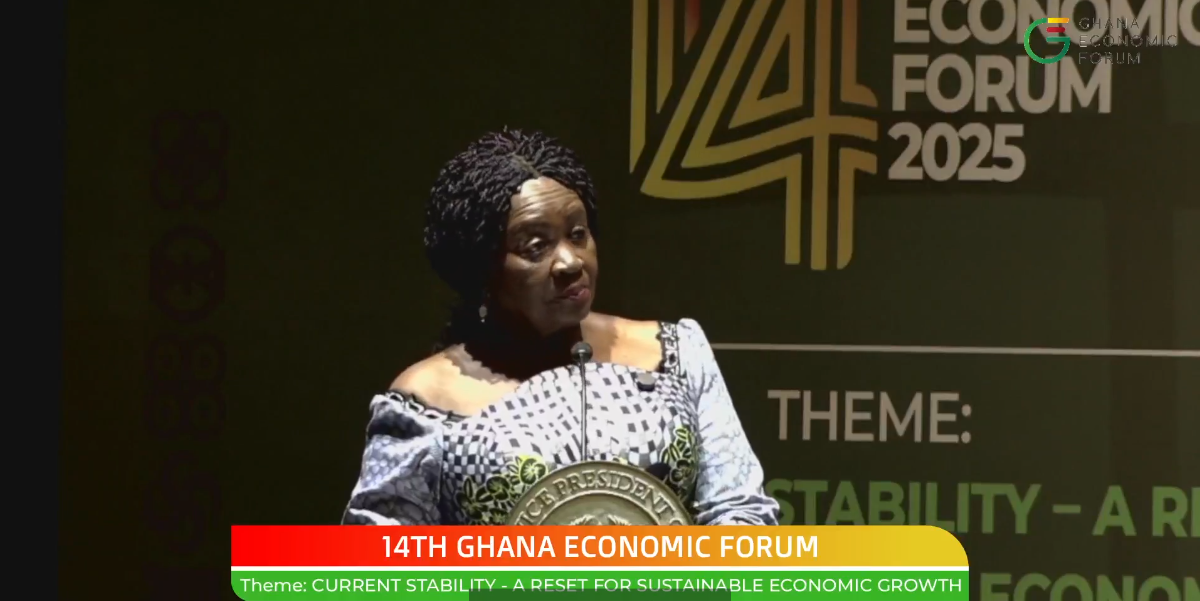
Speaking at the 14th Ghana Economic Forum (GEF) in Accra on behalf of Governor Dr. Johnson Pandit Asiama, the Governor’s special advisor Dr. John Kwakye said the central bank’s recent policy stance has delivered clear results across inflation, currency stability, and reserves.
“Just three years ago, inflation had soared above 50 percent, confidence had eroded, and the cedi was sliding,” Dr. Asiama recalled. “Today, that tide has turned through credible monetary policy, fiscal restraint, and coordinated reforms.”
📢 GET DETAILED ARTICLES + JOBS
Join THSB's WhatsApp Channel and never miss a post or opportunity.
📲 Join THSB Channel Now
Inflation fell sharply to 9.4 percent in September 2025—well within the BoG’s medium-term target band—for the first time in four years, down from more than 54 percent in late 2022. The cedi, which depreciated 19 percent in 2024, has appreciated by over 37 percent year-to-date, making it sub-Saharan Africa’s best-performing currency.
Ghana’s gross international reserves have risen to US$12 billion, enough to cover 4.5 months of imports, while the trade surplus reached US$6.2 billion in the first eight months of 2025—nearly triple the previous year’s level, boosted by strong gold and cocoa prices.
Economic growth has also accelerated, with GDP expanding by 6.2 percent in the second quarter, up from 5.7 percent a year earlier. Non-oil GDP grew 10 percent, signaling a broad-based rebound in services and agriculture.
“The evidence of recovery is not abstract—it is visible, measurable, and real,” Dr. Asiama said.
From Stability to Structural Transformation
While celebrating the turnaround, the Governor warned that macroeconomic stability alone will not sustain Ghana’s progress.

“Stability without production or productivity is hollow,” he cautioned. “A currency derives its enduring value from what a nation produces and sells to the world.”
To that end, the BoG is aligning its next policy phase with real-sector productivity, channeling targeted credit toward manufacturing, agri-processing, and green industries.
Dr. Asiama cited the Gold Board Act as a key reform linking natural resources to reserve management. The legislation, he explained, will centralize gold trading and exports, allowing the metal to function both as a strategic reserve asset and a driver of domestic value addition.
Digital Finance and Fiscal Prudence
On financial innovation, the Governor highlighted the progress of the e-Cedi pilot and Ghana’s expanding digital payments infrastructure, saying both form part of a strategy to modernize the financial system and broaden financial inclusion.
“Digital finance will reduce transaction costs, promote transparency, and bring more Ghanaians into the formal economy,” he said.
He also cautioned against fiscal slippage ahead of the 2028 elections, noting that political cycles often test fiscal discipline.
“The temptation to ease fiscal controls is real,” he said. “Slippage, no matter how well-intentioned, could undo hard-won confidence and put renewed pressure on the cedi.”
Dr. Asiama emphasized that sustaining recovery will require stronger collaboration between government, banks, and the private sector to drive productive investment and innovation.
“The transformation we seek is inherently collaborative,” he added. “Currency strength is as much about what we build together as what we regulate.”
Concluding, the Governor said the Bank’s next phase will focus on translating stabilization gains into long-term structural transformation.
“With stability, production, and innovation as our pillars,” he said, “Ghana’s currency can once again be a source of national pride.”
Source: The High Street Business
Disclaimer: Some content on The High Street Business may be aggregated, summarized, or edited from third-party sources for informational purposes. Images and media are used under fair use or royalty-free licenses. The High Street Business is a subsidiary of SamBoad Publishing under SamBoad Business Group Ltd, registered in Ghana since 2014.
For concerns or inquiries, please visit our Privacy Policy or Contact Page.


Samuel Kwame Boadu is a Ghanaian entrepreneur, writer, and digital consultant passionate about creating impactful stories and business solutions. He is the Founder & CEO of SamBoad Business Group Ltd, a dynamic company with subsidiaries in digital marketing, logistics, publishing, and risk management.