

ACCRA — As the cedi continues its unexpected run of strength against the U.S. dollar, Ghanaian economists and business leaders are warning that the country’s recent currency stability may prove short-lived unless it is grounded in deeper structural reforms and stronger local ownership of production.
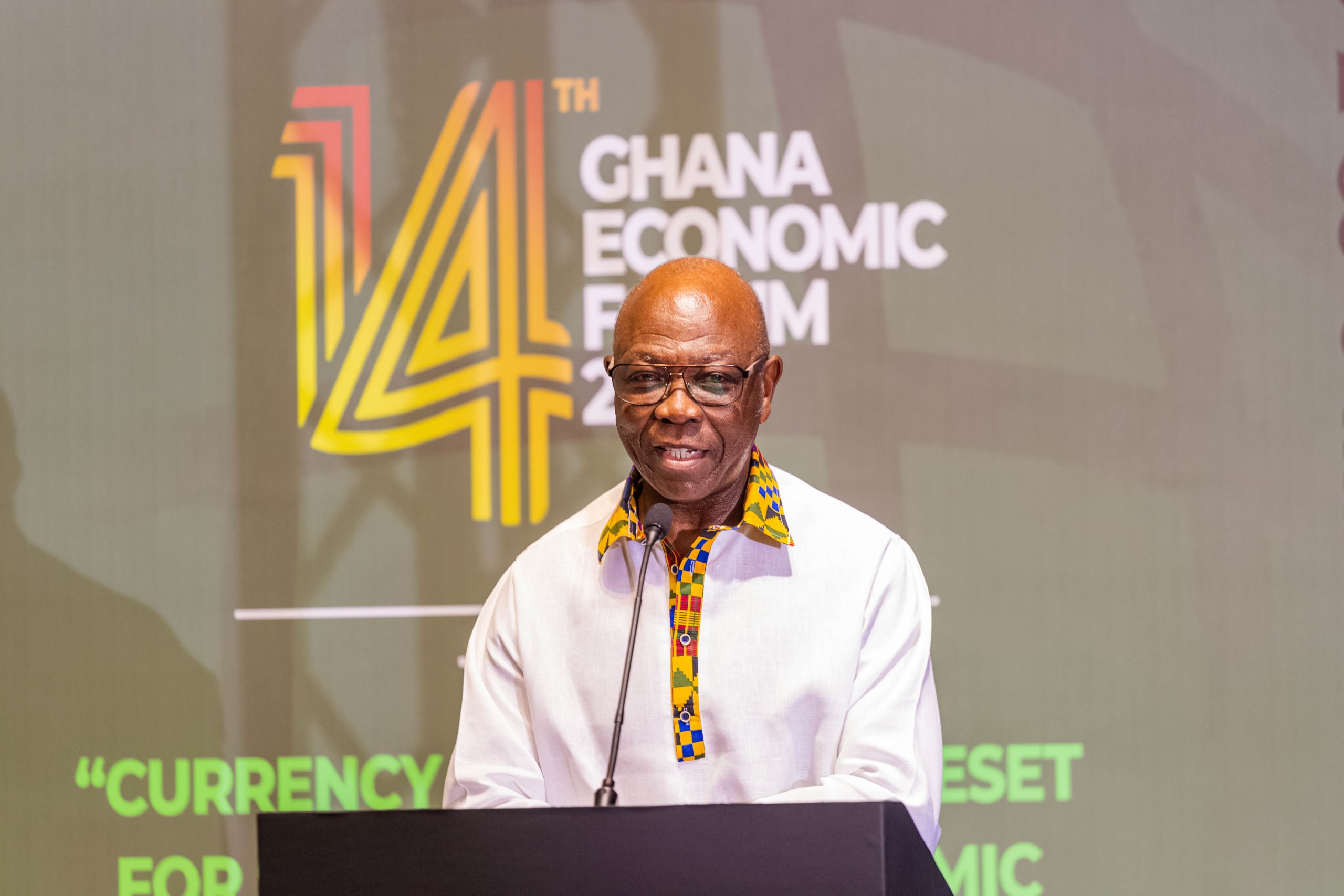
At the 2025 Ghana Economic Forum (GEF) in Accra, themed “Currency Stability – A Reset for Sustainable Economic Growth,” experts from finance, academia, and industry agreed that while prudent fiscal and monetary policies have helped the cedi rebound, the gains will not last without a shift toward domestic value creation and economic ownership.
The first plenary session, “Resetting Ghana’s Currency and Financial Framework: Building Resilience Beyond the IMF Programme,” featured panelists including Abena Amoah, Managing Director of the Ghana Stock Exchange (GSE); Joe Jackson, CEO of Dalex Finance; Prof. Patrick Opoku Asuming, Economist at the University of Ghana Business School; Dr. Ishmael Dodoo, Head of Innovative Finance at the 24-Hour Economy Secretariat; Ebenezer Amankwah-Minkah, Executive Director of CERPA; and Humphrey Ayim-Darko, President of the Association of Ghana Industries (AGI).
📢 GET DETAILED ARTICLES + JOBS
Join THSB's WhatsApp Channel and never miss a post or opportunity.
Currency Gains Without Value Retention
Joe Jackson of Dalex Finance noted that Ghana’s currency appreciation—driven by fiscal discipline, tight monetary policy, and record gold prices—remains vulnerable.

“Our fundamentals have benefitted from a combination of good headwinds and improved discipline,” he said. “But if we fail to build systems that keep value at home, the cedi will eventually expose our weaknesses again.”
He pointed out that Ghana retains less than 10 percent of value from non-oil exports, warning that “the nation continues to export raw wealth and import poverty.” Jackson urged policymakers to emulate COCOBOD’s revenue-retention model across other sectors to ensure more foreign exchange earnings stay within Ghana’s economy.
Redefining Ownership
Abena Amoah, head of the GSE, argued that Ghana’s next economic reset must redefine the very idea of ownership.
“Any conversation about resetting the economy must include a conversation about owning the economy,” she said.
She called for production-linked equity models in strategic sectors such as gold, cocoa, and oil, so that the state holds part of actual output, not just paper shares.
Citing MTN Ghana’s 30 percent local listing, which returned over GH¢1 billion in dividends to local investors, she said: “That is what economic ownership looks like.” By contrast, over US$2 billion exited the country through cryptocurrency in 2024.
“We cannot build a resilient currency on borrowed capital and imported production,” she warned.
Amoah also criticized the reintroduction of capital gains tax on securities, describing it as a “setback to investor confidence” and a threat to capital market growth.
Industry Linkages and Procurement Policy
From an industrial perspective, AGI’s Humphrey Ayim-Darko said weak local content in public procurement continues to undermine domestic production.
He cited COCOBOD’s importation of cocoa sacks—products easily made locally—as an example of how state procurement contradicts industrial policy.
“We cannot talk about supporting local industry while using taxpayer money to buy imported goods the country can produce,” he said.
He urged government to enforce local preference clauses in procurement law to align spending with industrial development and foreign exchange stability.
Formalising the Informal
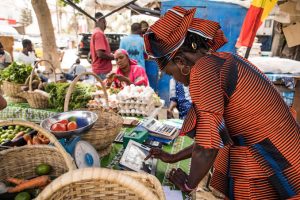
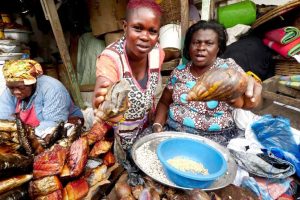
Ebenezer Amankwah-Minkah of CERPA stressed the need to integrate Ghana’s large informal sector into the formal economy to retain value.
“If the smallholder farmer or trader cannot access capital or formal markets, then the economy remains dualistic and fragmented,” he said.
He called for cooperative financing models and SME-focused reforms to expand the domestic investment base and boost inclusive ownership.

From Stability to Productivity
Dr. Ishmael Dodoo of the 24-Hour Economy Secretariat linked the discussion to government’s Grow24 strategy, designed to convert macroeconomic stability into productive growth.
He said more than 300,000 hectares of land have been secured for investment across major agricultural corridors, with 60,000 cooperatives established and multiple partnerships signed to expand agro-processing and manufacturing.
“The key to resilience is ownership and productivity,” Dr. Dodoo said. “We must move from celebrating stability to institutionalising it through real production.”
Discipline and Structural Transformation
Concluding the session, Prof. Patrick Opoku Asuming cautioned against policy complacency, warning that “if the fundamentals are weak, the exchange rate will tell.”
He urged sustained fiscal prudence, improved tax compliance, and greater investment in sectors that generate export value and jobs.
“This moment of stability must be used to build resilience, not to relax discipline,” he said.
Source: The High Street Business
Disclaimer: Some content on The High Street Business may be aggregated, summarized, or edited from third-party sources for informational purposes. Images and media are used under fair use or royalty-free licenses. The High Street Business is a subsidiary of SamBoad Publishing under SamBoad Business Group Ltd, registered in Ghana since 2014.
For concerns or inquiries, please visit our Privacy Policy or Contact Page.
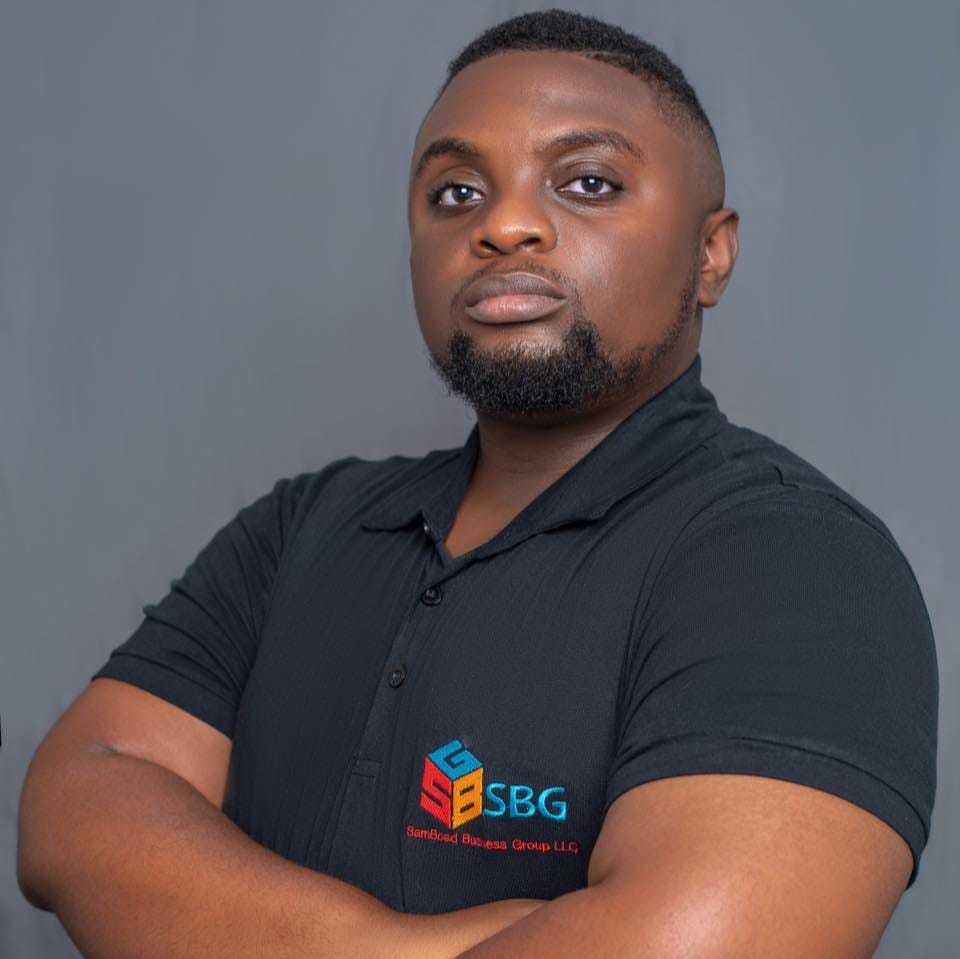
Samuel Kwame Boadu is a Ghanaian entrepreneur, writer, and digital consultant passionate about creating impactful stories and business solutions. He is the Founder & CEO of SamBoad Business Group Ltd, a dynamic company with subsidiaries in digital marketing, logistics, publishing, and risk management.