








Ghana’s petroleum taxation regime continues to attract public scrutiny as new data shows that the government mobilized GH₵17.3 billion in 2024 from a combination of taxes, levies, and margins on petroleum products. While the amount remains a major contributor to national revenue, questions about its application, efficiency, and transparency are resurfacing.
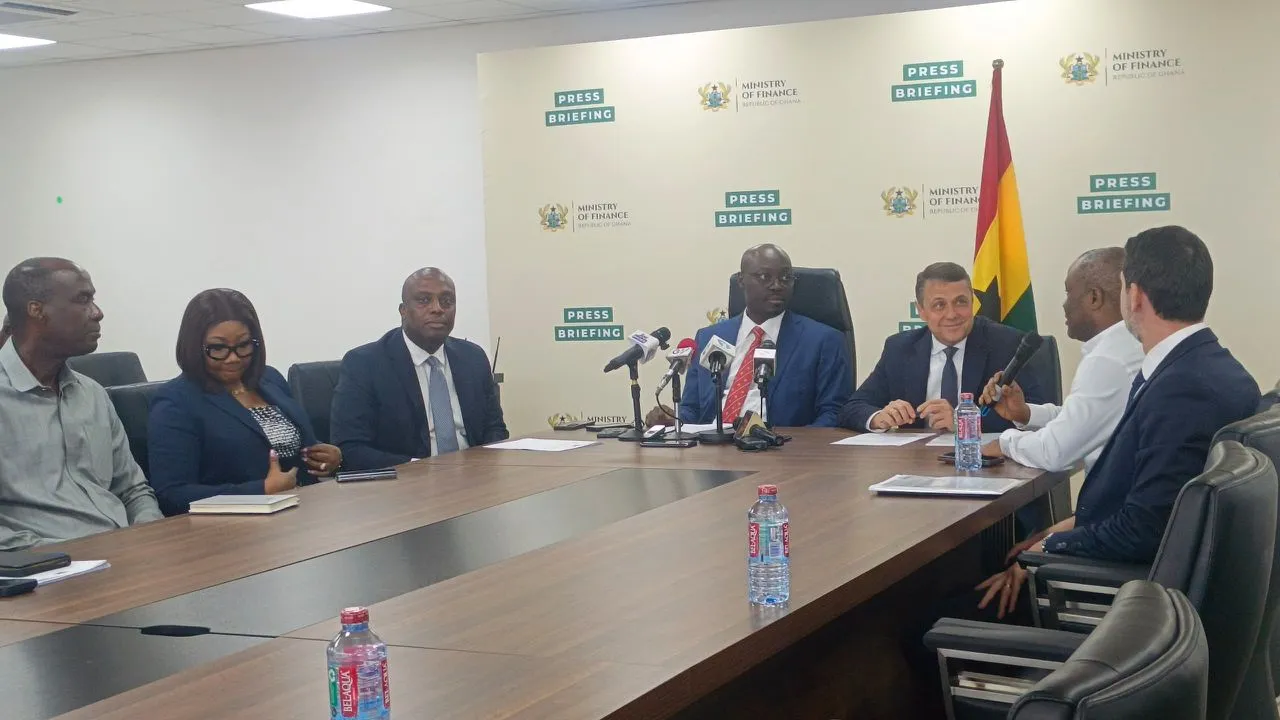
The Africa Centre for Energy Policy (ACEP), through its Policy Lead for Petroleum and Conventional Energy, Kodzo Yaotse, revealed the breakdown at a press briefing in Accra. According to Yaotse, petroleum consumers played a significant role in government revenue, contributing through multiple levies embedded in every litre of fuel purchased.
How the GH₵17.3 Billion Was Raised
The revenue consisted of two key components:
📢 GET DETAILED ARTICLES + JOBS
Join THSB's WhatsApp Channel and never miss a post or opportunity.
-
GH₵7.6 billion from margins
-
GH₵9.7 billion from taxes and levies
Key contributing levies and margins included:
-
BOST Margin
-
Primary Distribution Margin (PDM)
-
Energy Sector Debt Recovery Levy (ESDRL)
-
Sanitation Levy
-
Road Fund Levy
-
Unified Petroleum Price Fund (UPPF)
ACEP explained that per litre consumed, 1,737 litres worth of charges went to margins and 1,790 litres worth went into taxes and levies, illustrating the heavy fiscal burden placed on petroleum users.
Concerns Over Allocation and Efficiency
Despite the enormous revenue generated, ACEP expressed strong concerns about how these funds are being utilized. Yaotse emphasized that only the Special Petroleum Tax directly contributes to energy consumption needs. The rest, he argued, are designed to fix inefficiencies within the energy sector—yet these inefficiencies remain largely unresolved.
One major concern involves the Energy Sector Debt Recovery Levy (ESDRL). The levy was introduced to help pay off the country’s ballooning energy sector debt. However, despite years of consumer contributions, the energy sector debt still stands at an estimated US$3 billion.
Yaotse described this persistent debt as evidence of poorly managed revenue streams and weak institutional accountability.
Introduction of a New Margin: More Burden, Less Benefit?
ACEP also criticized the government’s decision to introduce an additional petroleum margin in 2024. According to Yaotse, this new charge increases consumer costs without effectively addressing systemic issues in the sector.
Consumers are already grappling with rising fuel prices, making any further additions to levies particularly sensitive. ACEP argues that increasing margins without solving core problems places an unfair financial strain on Ghanaians.
Calls for Better Transparency and Accountability
The crux of ACEP’s message was the need for greater transparency in how petroleum revenues are managed. The organization believes that funds should be carefully directed toward:
-
Critical energy infrastructure
-
Efficiency improvements
-
Reducing systemic waste
-
Addressing structural challenges
-
Supporting long-term energy sustainability
Yaotse urged government to move away from what he termed “servicing political sins of the past” and instead commit petroleum revenues to meaningful sector reforms.
A Growing Public Debate
The debate over Ghana’s petroleum revenue management is far from new, but the scale of the 2024 collections has reignited calls for reform. Many analysts and civil society organizations argue that without significant changes, Ghana risks entrenching a cycle of:
-
High fuel prices
-
Inefficient spending
With petroleum products central to Ghana’s transportation, industry, and household economy, decisions around these levies carry far-reaching consequences.
The government is now under increased pressure to demonstrate clearly how petroleum funds are being allocated and how these revenues are contributing to long-term national development.
FAQs
1. How much did Ghana collect from petroleum levies in 2024?
Ghana collected GH₵17.3 billion from petroleum-related taxes, levies, and margins.
2. Why is ACEP concerned about petroleum revenue allocation?
ACEP says most levies do not directly support energy consumption but instead attempt to address inefficiencies—issues that persist despite years of collections.
3. What is the Energy Sector Debt Recovery Levy?
It is a levy meant to reduce Ghana’s energy sector debt. However, the debt still hovers around US$3 billion, raising concerns over its effectiveness.
4. Do consumers benefit from the margins and levies they pay?
Only the Special Petroleum Tax is directly tied to energy consumption. Other levies are meant for system improvements, though progress has been limited.
5. What reforms does ACEP recommend?
ACEP urges greater transparency, better targeting of funds toward infrastructure, and a shift away from politically motivated spending.
Source: The High Street Business
Disclaimer: Some content on The High Street Business may be aggregated, summarized, or edited from third-party sources for informational purposes. Images and media are used under fair use or royalty-free licenses. The High Street Business is a subsidiary of SamBoad Publishing under SamBoad Business Group Ltd, registered in Ghana since 2014.
For concerns or inquiries, please visit our Privacy Policy or Contact Page.

Samuel Kwame Boadu is a Ghanaian entrepreneur, writer, and digital consultant passionate about creating impactful stories and business solutions. He is the Founder & CEO of SamBoad Business Group Ltd, a dynamic company with subsidiaries in digital marketing, logistics, publishing, and risk management.