



Ghanaian businesses and households can breathe a sigh of relief as President John Dramani Mahama reassures the nation of a stable electricity supply, even amid ongoing challenges in the energy sector. Power outages, often referred to locally as dumsor, have historically disrupted economic activity and daily life. The President’s statement signals a proactive approach to preventing a recurrence of these issues.
Speaking at the National Convention of the Ahmadiyya Muslim Mission Ghana on January 9, 2025, President Mahama acknowledged the pressing issues facing Ghana’s energy sector. These include fuel shortages affecting thermal plants and delays in pipeline maintenance by the West African Gas Pipeline Company (WAPCo). Despite these challenges, the President reassured the public that his administration is taking decisive steps to stabilize power supply and mitigate risks.
Addressing the Energy Crisis Head-On
President Mahama emphasized that his government is committed to transparent governance and proactive problem-solving. He stated, “There is a threat of power outages but my brothers and sisters, don’t despair. You elected us to solve the problems, not to put the blame on anybody else. I can assure you of some of the ideas we have come up with. We will make sure that your lights stay on.”
📢 GET DETAILED ARTICLES + JOBS
Join THSB's WhatsApp Channel and never miss a post or opportunity.
This commitment is critical as Ghana navigates a period of heightened energy sector stress. Thermal plants, which contribute significantly to national electricity generation, have faced disruptions due to fuel shortages. Simultaneously, pipeline maintenance schedules by WAPCo posed a potential risk of widespread outages. The timely intervention and postponement of these maintenance activities, following negotiations led by Chief of Staff Julius Debrah, have provided the government with additional time to address these supply challenges.
The Role of WAPCo and GRIDCo
The West African Gas Pipeline Company (WAPCo) had planned maintenance on its pipeline, which could have disrupted gas supply to thermal plants. The Ghana Grid Company (GRIDCo) had flagged this as a critical risk to electricity supply, warning that a combination of fuel shortages and pipeline interruptions could severely impair generation capacity.
Thanks to intense negotiations and strategic planning, WAPCo postponed the maintenance by two weeks, temporarily averting a potential power crisis. This delay allows the government to implement measures to ensure that electricity generation remains stable while addressing fuel supply challenges.
Implications for Businesses and Households
The President’s assurances are timely for Ghanaian businesses and households. Power outages have historically had cascading effects on the economy, including:
-
Disruption of commercial activities: Factories, offices, and service providers rely on consistent electricity to operate efficiently.
-
Increased operational costs: Businesses often resort to diesel-powered generators during outages, increasing overheads.
-
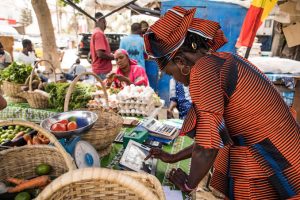
Impact on households: Daily routines, including cooking, refrigeration, and home-based work, are severely affected by power interruptions.
By emphasizing a stable electricity supply, the Mahama administration is signaling that it understands the critical link between energy reliability and economic growth.
Looking Ahead: Ensuring Long-Term Energy Stability
While short-term measures have successfully prevented imminent outages, long-term solutions remain essential. Ghana’s energy sector faces multiple challenges that require sustained attention, including:
-
Fuel Supply Diversification: Reducing dependency on imported fuel for thermal plants by exploring alternative energy sources, including renewables.
-
Pipeline Maintenance Planning: Ensuring routine maintenance is scheduled to minimize disruption while maintaining safety standards.
-
Infrastructure Investment: Upgrading power generation and distribution infrastructure to improve resilience against shortages and demand spikes.
-
Energy Sector Reforms: Strengthening regulatory frameworks and promoting public-private partnerships to increase efficiency and investment.
President Mahama’s public statements reflect an administration that recognizes these issues and is committed to both immediate interventions and long-term sectoral planning.
Conclusion From THSB
Ghana’s energy sector, once plagued by recurrent outages, is now under careful management to ensure stability. President John Dramani Mahama’s assurances of reliable electricity, coupled with strategic interventions in pipeline maintenance and fuel supply management, offer reassurance to households and businesses alike.
While challenges remain, the government’s proactive approach—transparent communication, problem-solving, and coordination with key energy stakeholders—suggests a path toward sustainable electricity supply. For Ghana, this is not merely about keeping the lights on; it is about supporting economic activity, fostering investor confidence, and improving the daily lives of citizens.
With these interventions, the Mahama administration is taking concrete steps to mitigate the energy crisis and ensure that Ghana avoids a return to dumsor, safeguarding both national productivity and household well-being.
Source: The High Street Business
Disclaimer: Some content on The High Street Business may be aggregated, summarized, or edited from third-party sources for informational purposes. Images and media are used under fair use or royalty-free licenses. The High Street Business is a subsidiary of SamBoad Publishing under SamBoad Business Group Ltd, registered in Ghana since 2014.
For concerns or inquiries, please visit our Privacy Policy or Contact Page.

Samuel Kwame Boadu is a Ghanaian entrepreneur, writer, and digital consultant passionate about creating impactful stories and business solutions. He is the Founder & CEO of SamBoad Business Group Ltd, a dynamic company with subsidiaries in digital marketing, logistics, publishing, and risk management.