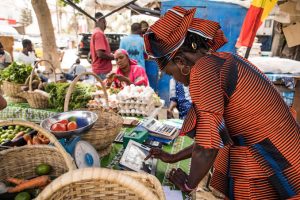
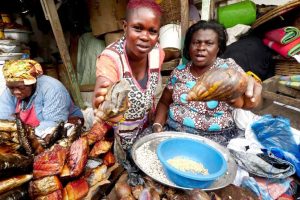
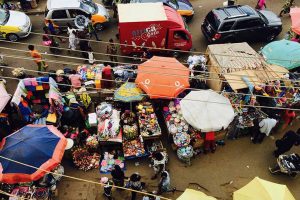
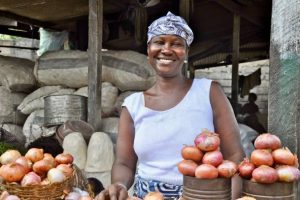





Ghanaian households are facing one of the harshest blows to their budgets in recent memory as the cost of essential food items continues to rise. According to the Consumer Price Index (CPI) report by the Ghana Statistical Service (GSS), prices for dried pepper have skyrocketed by 93.6% year-on-year, while beans—a staple known locally as “gob3”—have surged by 82.3%. These increases are more than just numbers; they represent the growing financial strain on families trying to make ends meet.
The timing of these price hikes compounds the problem according to report by Accra Street Journal. January, traditionally a challenging month for household finances following the December festivities, has become even more difficult. Families recovering from holiday expenses now face the added pressure of rising food prices, stretching their budgets to the breaking point.
Gob3: More Than Just a Meal
For many Ghanaians, gob3—a simple dish of boiled beans often paired with gari, fried plantain, and red palm oil—has been a reliable, affordable source of protein. In the past, it served as a budget-friendly lifeline for households, particularly for low- and middle-income families. However, with beans prices climbing by 82.3% year-on-year, this once-accessible meal is increasingly out of reach for ordinary Ghanaians.
📢 GET DETAILED ARTICLES + JOBS
Join THSB's WhatsApp Channel and never miss a post or opportunity.
Dried pepper, a vital spice in preparing gob3 and countless Ghanaian dishes, has seen an equally alarming surge. Beyond the year-on-year increase, prices have risen by 4.5% month-on-month, further tightening household budgets. The combined effect of rising beans and pepper prices threatens to alter meal patterns and compromise nutrition for many families.
What’s Driving the Price Hikes?
The dramatic increases in dried pepper and beans prices are not random. They reflect deep-rooted structural challenges within Ghana’s food production and supply chains. Some of the key drivers include:
1. Post-Harvest Losses
Ghana faces significant losses of crops after harvest due to inadequate storage facilities and poor transportation networks. Without proper silos or cold chain systems, a substantial portion of beans and peppers spoil before reaching markets, reducing supply and pushing prices upward.
2. High Import Dependence
Despite being a major producer of beans and pepper, Ghana still relies on imports to meet domestic demand, especially during off-seasons. This exposes local markets to foreign exchange fluctuations and higher costs from international suppliers.
3. Rising Production Costs
Farmers are grappling with increasing costs of inputs such as fertilizers, seeds, fuel, and labor. These costs inevitably translate into higher retail prices.
4. Inflationary Pressures
Overall inflation in Ghana further compounds the problem. As the Ghana cedi fluctuates against major trading currencies, imported goods and inputs become more expensive, feeding into food prices.
Impact on Households and Consumers
The surge in prices is not just an economic statistic; it has real-life consequences for households:
-
Reduced Access to Protein: Beans are a primary protein source for many families. As prices rise, families may substitute with less nutritious alternatives, affecting overall dietary health.
-
Increased Cost of Living: The rising prices of gob3 ingredients, along with other food items, exacerbate the already high cost of living.
-
Budget Strain for Low-Income Families: Families with limited disposable income face difficult choices, such as reducing meal sizes, skipping meals, or cutting back on other essential expenses.
-
Potential Malnutrition Risks: Children and vulnerable populations may face reduced access to nutritious meals, posing long-term health risks.
Solutions and Interventions
Experts and stakeholders have highlighted several strategies to curb food price inflation and protect consumers:
1. Investment in Storage and Distribution
Upgrading storage infrastructure and improving transportation networks can reduce post-harvest losses. Cold storage facilities and well-organized logistics can ensure a steady supply of beans and dried pepper throughout the year.
2. Support for Farmers
Government subsidies or financial support can help farmers access high-quality seeds, fertilizers, and equipment. This reduces production costs and can moderate prices in the long term.
3. Promotion of Local Production
Encouraging increased local production of beans, peppers, and other staples through agricultural extension services and incentives can reduce dependence on imports, stabilize supply, and limit price shocks.
4. Market Regulation and Price Monitoring
Enhanced monitoring of food prices and market interventions can prevent exploitative practices, ensuring that price increases reflect actual production costs rather than artificial scarcity.
5. Long-Term Agricultural Planning
Strategic investments in agriculture, such as irrigation systems, mechanization, and research on high-yield crops, can strengthen Ghana’s food security and reduce vulnerability to price volatility.
The Bigger Picture: Structural Challenges in Ghana’s Food System
The spike in dried pepper and beans prices highlights systemic issues in Ghana’s food system. Without addressing these underlying challenges, short-term price spikes will continue to strain household budgets. Key structural reforms needed include:
-
Improved value chains: Connecting farmers to markets efficiently.
-
Diversification of agricultural exports: Reducing reliance on a few commodities.
-
Support for smallholder farmers: Providing access to credit, training, and technology.
-
Stabilization of currency and inflation: To reduce the cost of imported agricultural inputs.
Conclusion From THSB
The dramatic rise in dried pepper and beans prices is a stark reminder that food security in Ghana is a multifaceted challenge. For many households, the staple gob3 is no longer the affordable protein source it once was. While January has traditionally tested budgets, this year the strain is compounded by structural issues in food production, distribution, and pricing.
Addressing these challenges requires both short-term interventions to relieve immediate household pressure and long-term systemic reforms to strengthen Ghana’s food production and supply chains. Only by tackling these underlying problems can the country ensure affordable access to essential foods, protect vulnerable populations, and maintain stability in household budgets.
FAQs
1. How much have dried pepper and beans prices increased in Ghana?
Dried pepper prices have surged by 93.6% year-on-year, while beans have risen by 82.3% year-on-year, according to the Ghana Statistical Service CPI report.
2. Why are these staple foods so expensive?
Key factors include post-harvest losses, high production costs, import dependency, inflation, and currency fluctuations.
3. How does this affect Ghanaian households?
Rising prices strain household budgets, reduce access to protein-rich meals, and may lead to diet compromises and higher living costs.
4. What short-term solutions are available?
Government can intervene through subsidies, better market monitoring, and temporary relief for vulnerable consumers.
5. What long-term measures can stabilize food prices?
Investing in local production, storage facilities, transportation, agricultural technology, and value chains can stabilize supply and reduce price volatility.
Source: The High Street Business
Disclaimer: Some content on The High Street Business may be aggregated, summarized, or edited from third-party sources for informational purposes. Images and media are used under fair use or royalty-free licenses. The High Street Business is a subsidiary of SamBoad Publishing under SamBoad Business Group Ltd, registered in Ghana since 2014.
For concerns or inquiries, please visit our Privacy Policy or Contact Page.

Samuel Kwame Boadu is a Ghanaian entrepreneur, writer, and digital consultant passionate about creating impactful stories and business solutions. He is the Founder & CEO of SamBoad Business Group Ltd, a dynamic company with subsidiaries in digital marketing, logistics, publishing, and risk management.