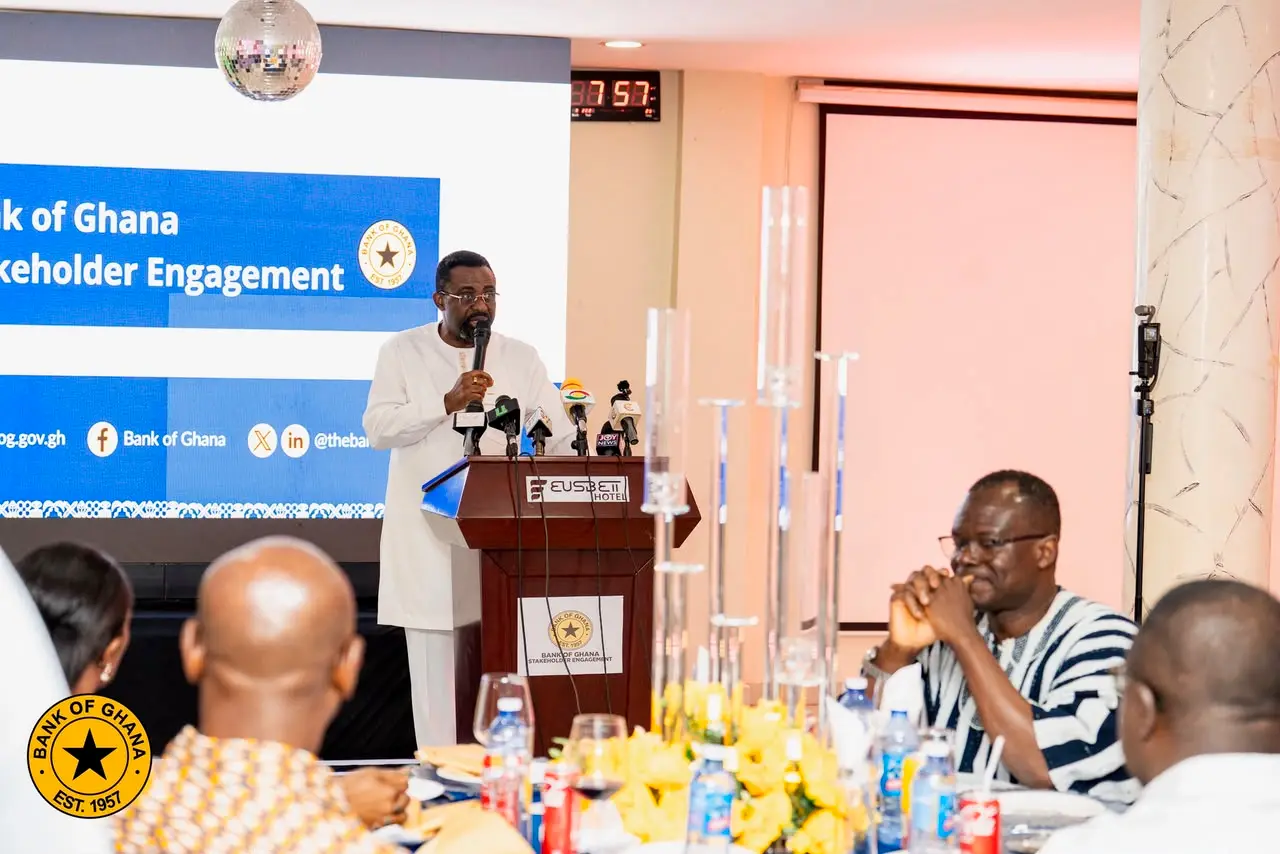






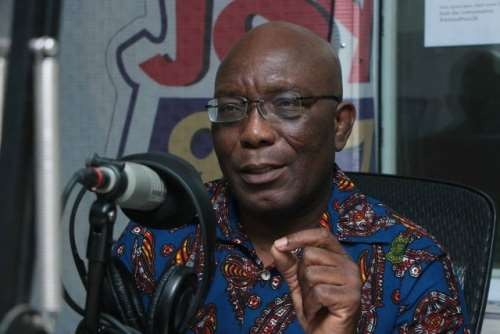
Ghana’s financial sector continues to grapple with the lingering aftermath of the 2018–2019 cleanup that saw the collapse of numerous banks, microfinance institutions, savings and loans companies, and investment firms. While the initiative by regulators addressed systemic weaknesses, it also left a lasting impact on investors, employees, and public trust in the financial system. In light of these challenges, former National Pensions Regulatory Authority (NPRA) boss, Dr. Daniel Seddoh, has called on the incoming government to take proactive steps to restore confidence, recover value for affected customers, and revive viable financial institutions as reported by Accra Street Journal
Dr. Seddoh argues that the 2018–2019 sector cleanup, though necessary for financial stability, resulted in the closure of institutions that were potentially recoverable. Many customers were left with unpaid investments, some receiving partial compensation while others remain uncompensated. Skilled professionals lost employment, and public trust in financial services suffered a severe blow.
The Case for Revival of Viable Institutions
Dr. Seddoh stresses that not all institutions that failed were beyond repair. Some could be revived with adequate governance reforms, capital injection, and strategic restructuring. Reviving viable institutions would not only create employment opportunities but also restore public confidence in Ghana’s financial sector.
📢 GET DETAILED ARTICLES + JOBS
Join THSB's WhatsApp Channel and never miss a post or opportunity.
“Some of the institutions are not that bad,” Dr. Seddoh said. He recommends that the government conduct a careful assessment to identify institutions with the potential for rehabilitation, distinguishing them from those that are irretrievably insolvent.
Key Benefits of Revival
-
Employment Generation:
Reviving collapsed institutions could bring back skilled workers who lost their jobs during the cleanup, mitigating unemployment among financial sector professionals. -
Rebuilding Public Trust:
Many investors lost faith in the system. Reopening institutions under transparent and regulated frameworks could rebuild credibility. -
Protecting Local Investors:
A significant proportion of affected customers are small-scale investors and pensioners. Ensuring their participation in revived institutions would protect local wealth. -
Strengthening Financial Intermediation:
A diverse and functional financial sector supports credit availability, business financing, and broader economic growth.
Proposed Phased Approach for Locked-Up Funds
Understanding that Ghana’s current fiscal position may not allow for full immediate payouts, Dr. Seddoh proposed a phased solution combining partial cash repayment with equity conversion.
1. Immediate Partial Cash Payment
He suggests paying 20–30% of customers’ locked-up funds upfront, providing immediate relief while demonstrating government commitment.
2. Negotiated Partial Waivers
Through dialogue, some investors could agree to forgo a small portion of their claims in exchange for longer-term recovery options and a share in institutional equity.
3. Conversion of Funds to Equity
Customers could convert part of their locked-up funds into equity stakes in the revived institutions. This approach:
-
Makes investors shareholders with rights to dividends and capital gains
-
Provides a structured exit over time rather than demanding immediate cash
-
Infuses capital into the revived institutions, increasing sustainability
-
Encourages private-sector partnerships for recapitalization
This model aligns with international practices in financial restructuring, balancing investor protection with institutional viability.
Engaging New Investors
Reviving collapsed institutions may require external capital and technical expertise. Dr. Seddoh recommends attracting new investors — both domestic and foreign — to provide liquidity, strengthen operations, and support existing customers turned shareholders.
Such collaboration would allow investors to:
-
Participate in governance and strategic planning
-
Facilitate payouts for customers who wish to exit
-
Ensure long-term operational and financial stability
The Need for Proactive Government Action
Dr. Seddoh emphasizes that the government must not delay engagement with affected customers, warning against waiting for public agitation or protests.
“If we are learning lessons from the vote, then government needs to be proactive,” he said. “People have been on the street for so long — some have died. What else are we waiting for?”
Proactive communication and transparent implementation of recovery plans could:
-
Rebuild trust in government and financial institutions
-
Reduce the likelihood of social unrest
-
Create an orderly process for phased repayment and equity conversion
Funding the Cash Component
One critical question is funding the immediate 20–30% cash payout. Dr. Seddoh suggests using the Financial Sector Recovery Levy (FSRL), which was initially introduced to address losses arising from the sector cleanup.
He notes that deploying the levy strategically would:
-
Ensure the financial sector contributes to its own recovery
-
Provide adequate funds for partial payouts without burdening the national budget excessively
-
Signal seriousness in addressing investors’ concerns while implementing sustainable solutions
Long-Term Impact on Ghana’s Financial Sector
Implementing Dr. Seddoh’s recommendations could have transformative effects:
-
Restored confidence: Customers regain trust in the financial system
-
Sustainable institutions: Viable institutions operate under enhanced governance frameworks
-
Economic growth: Employment and credit creation stimulate economic activity
-
Investor protection: A structured recovery model safeguards small and large investors
By combining cash payouts, equity conversion, and strategic investment, Ghana could emerge from this period with a stronger, more resilient financial sector capable of supporting long-term economic growth.
The incoming government faces a critical opportunity to restore trust, stabilize the financial sector, and protect the interests of thousands of affected investors. Through a phased repayment plan, equity conversion, and engagement with new investors, Ghana can revive viable collapsed institutions while ensuring long-term sustainability.
Proactive action, transparency, and innovative solutions could transform a lingering crisis into a model for financial sector recovery, demonstrating how policy, governance, and stakeholder collaboration can rebuild public trust and stimulate economic growth.
Source: The High Street Business
Disclaimer: Some content on The High Street Business may be aggregated, summarized, or edited from third-party sources for informational purposes. Images and media are used under fair use or royalty-free licenses. The High Street Business is a subsidiary of SamBoad Publishing under SamBoad Business Group Ltd, registered in Ghana since 2014.
For concerns or inquiries, please visit our Privacy Policy or Contact Page.
Samuel Kwame Boadu is a Ghanaian entrepreneur, writer, and digital consultant passionate about creating impactful stories and business solutions. He is the Founder & CEO of SamBoad Business Group Ltd, a dynamic company with subsidiaries in digital marketing, logistics, publishing, and risk management.