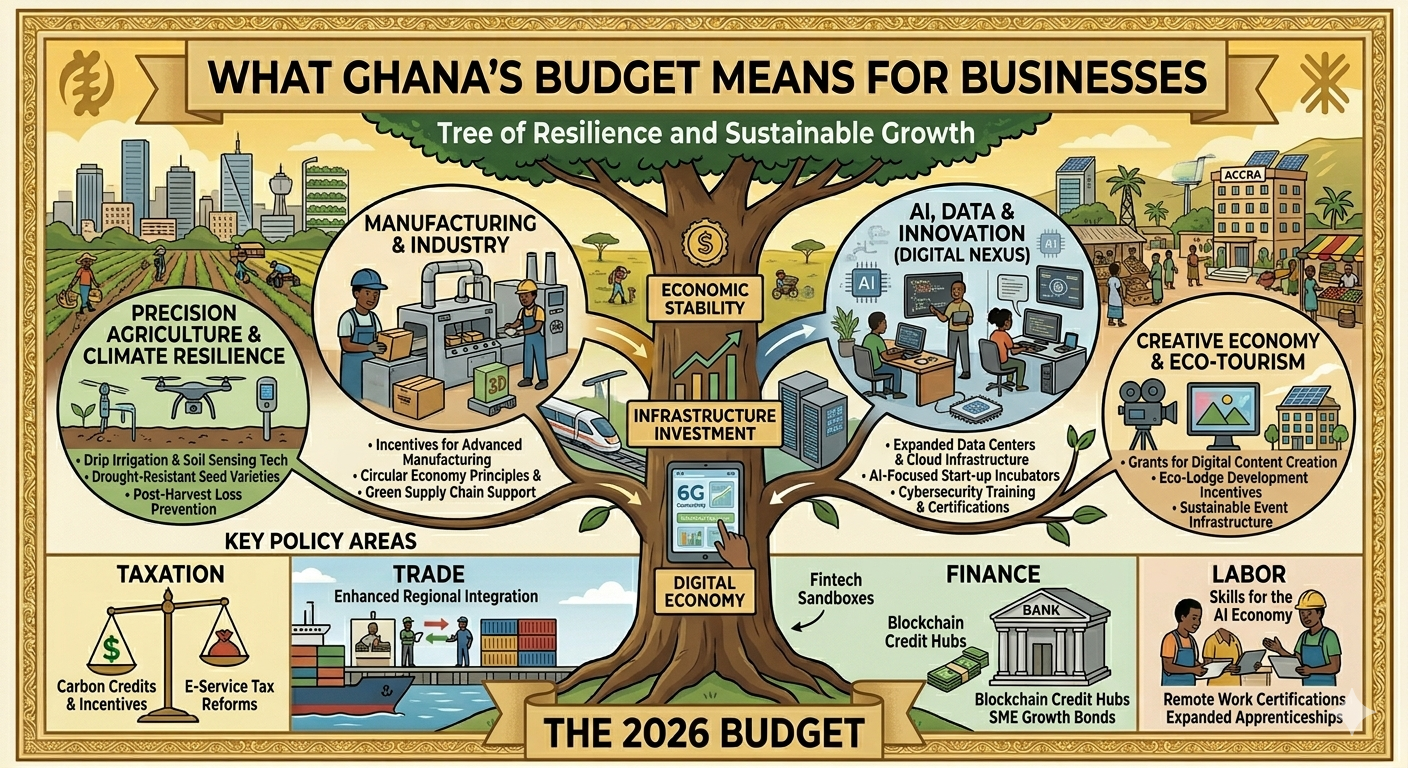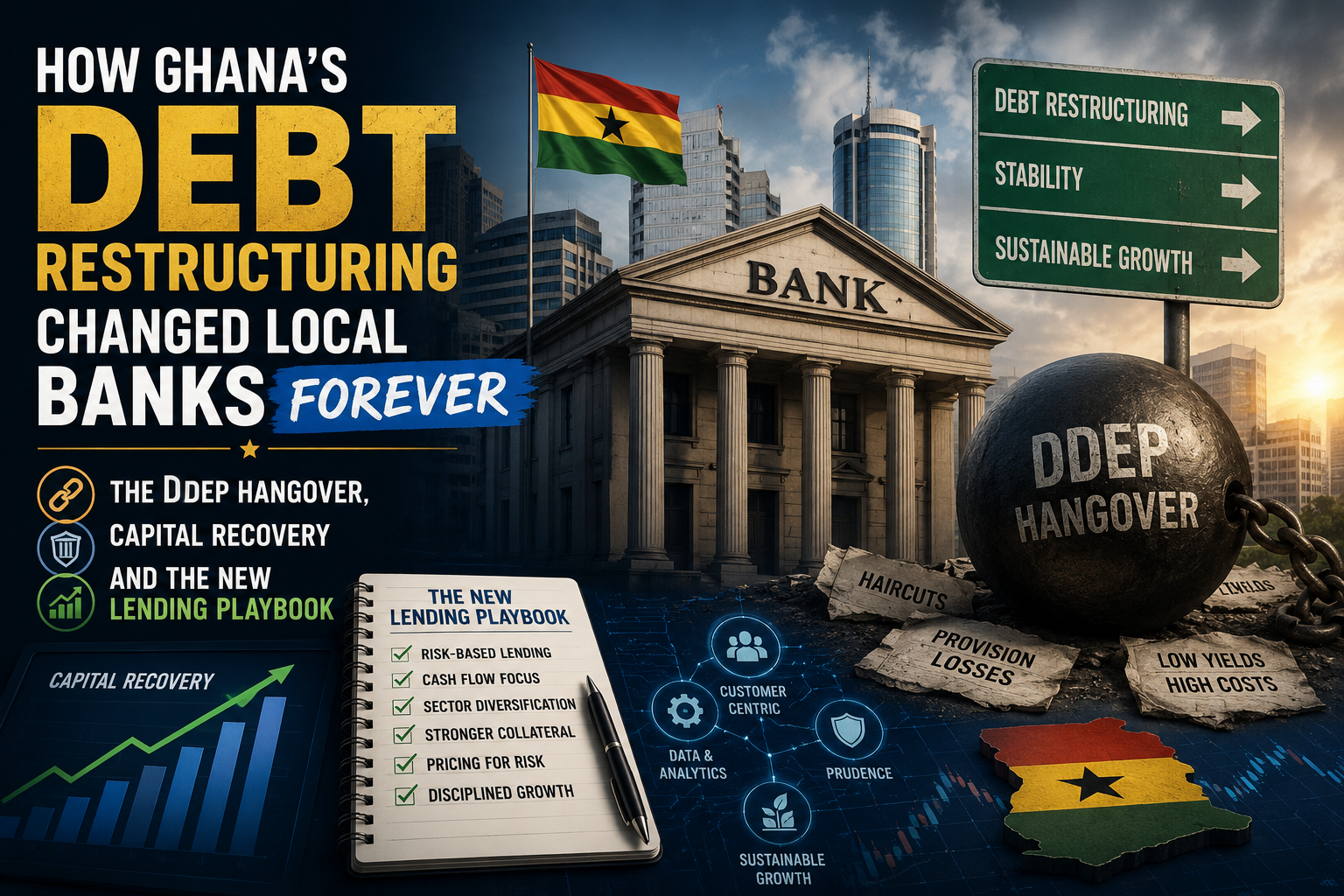




How Government Policies Shape the Economy – Government policies play a crucial role in shaping economic growth, stability, and everyday livelihoods. Here’s how fiscal decisions, regulations, and reforms influence the economy.
How Government Policies Shape the Economy
From taxes and public spending to regulations and trade agreements, government policies are powerful tools that influence how an economy grows and functions. In countries like Ghana, policy decisions made by authorities such as the Bank of Ghana and the Ministry of Finance can directly affect businesses, employment, inflation, and the cost of living. Understanding these policies helps explain why economies expand, slow down, or recover over time.
The Role of Government in the Economy
Governments act as both regulators and participants in the economy. Through laws, budgets, and strategic interventions, they shape the direction of economic activity. In developing economies, government involvement is often even more pronounced, as policymakers attempt to stabilise growth, manage inflation, and create jobs.
📢 GET DETAILED ARTICLES + JOBS
Join THSB's WhatsApp Channel and never miss a post or opportunity.
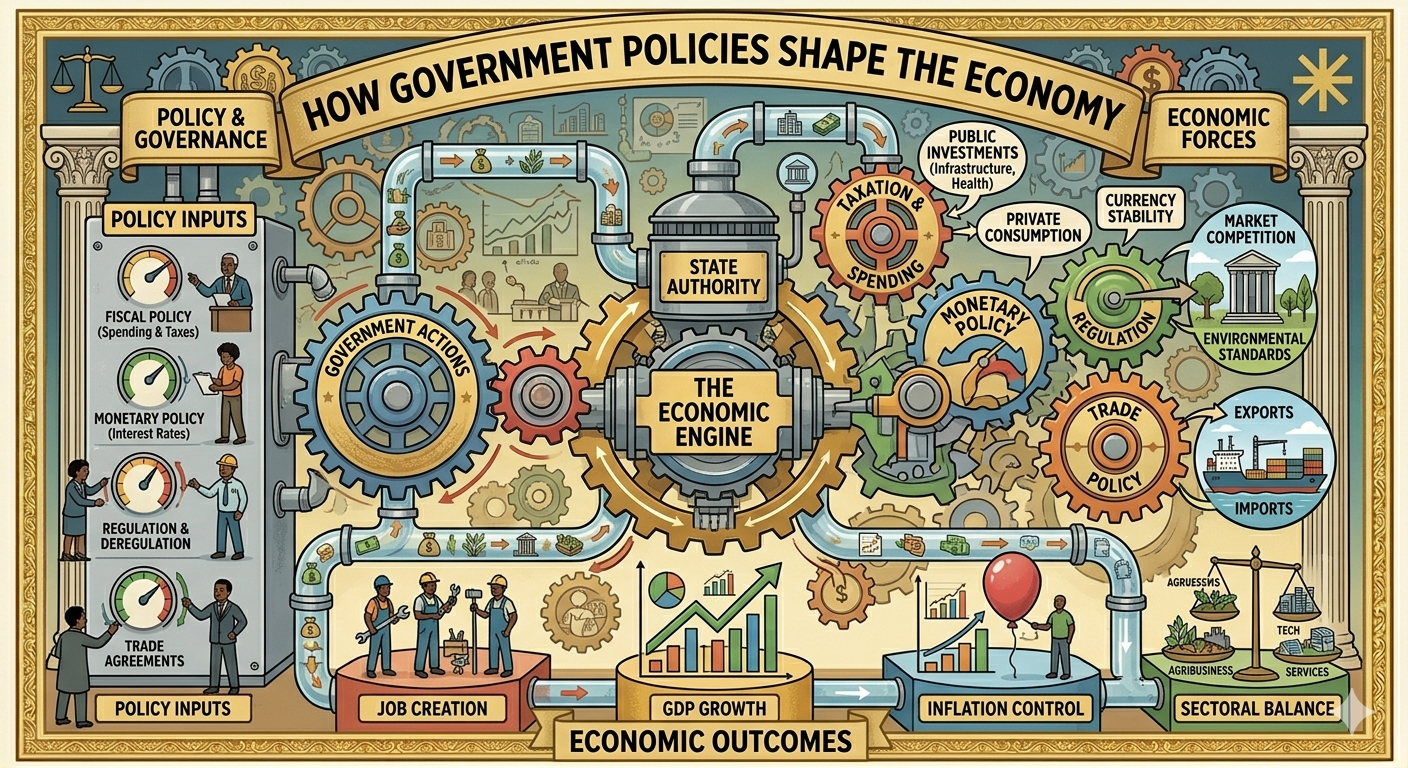
Broadly, government policies fall into three main categories: fiscal policy, monetary policy, and structural or regulatory reforms.
READ MORE: Ghana’s Growth Outlook Explained
Fiscal Policy: Taxes and Public Spending
Fiscal policy refers to how governments raise revenue and spend it. Taxes: whether on income, goods, or businesses, directly influence how much money people and companies have to spend or invest.
When taxes are reduced, households often have more disposable income, which can increase consumption and stimulate economic growth. On the other hand, higher taxes may slow spending but can help governments fund critical infrastructure such as roads, schools, and healthcare.
Public spending is equally important. Investments in infrastructure projects can create jobs and boost productivity. In Ghana, government spending on roads, energy, and digital infrastructure has been central to efforts to drive long-term growth.
However, excessive spending without matching revenue can lead to rising debt levels: an issue Ghana has grappled with in recent years.
Monetary Policy: Controlling Inflation and Stability
While fiscal policy is managed by the government, monetary policy is typically handled by the central bank, such as the Bank of Ghana.
The central bank controls interest rates and money supply to maintain price stability. For instance, when inflation rises, interest rates may be increased to reduce borrowing and spending. This helps cool down the economy but can also make loans more expensive for businesses and individuals.
Conversely, lowering interest rates encourages borrowing and investment, which can stimulate economic activity during slowdowns.
In Ghana, monetary policy decisions have played a key role in managing inflation and stabilising the cedi, particularly during periods of economic uncertainty.
Regulations and Business Environment
Government regulations determine how businesses operate. Policies covering licensing, taxation, labour laws, and environmental standards can either encourage or discourage investment.
A business-friendly regulatory environment tends to attract both local and foreign investors. Simplified tax systems, transparent rules, and reduced bureaucracy can make it easier for entrepreneurs to start and grow businesses.
However, overly strict or inconsistent regulations can create uncertainty, increase costs, and slow down economic activity.
In Ghana, reforms aimed at improving the ease of doing business have been part of broader efforts to boost private sector growth and job creation.
Trade Policies and Global Connections
Trade policies: such as tariffs, import restrictions, and export incentives, shape how a country interacts with the global economy.
Lower trade barriers can increase access to international markets, allowing businesses to expand and compete globally. For example, Ghana’s participation in the African Continental Free Trade Area aims to enhance intra-African trade and open new opportunities for exporters.
On the other hand, protectionist policies may shield local industries but can also lead to higher prices for consumers and reduced competitiveness.
Social Policies and Economic Inclusion
Government policies also play a critical role in shaping social outcomes, which in turn affect economic performance. Investments in education, healthcare, and social protection programmes can improve productivity and reduce inequality.
When more people have access to quality education and healthcare, they are better equipped to participate in the economy. This creates a more inclusive growth model, where the benefits of economic expansion are shared more widely.
In Ghana, programmes such as free secondary education have been designed to strengthen human capital and support long-term development.
ALSO READ: Why Economic Reforms Take Time
The Balance Between Policy and Outcomes
Effective policymaking requires balance. Too much government intervention can stifle innovation, while too little can lead to instability and inequality.
The challenge for policymakers is to design policies that promote growth while maintaining stability and fairness. This often involves difficult trade-offs: such as controlling inflation without slowing growth or increasing spending without worsening debt.
Conclusion From THSB
Government policies are at the heart of economic performance. Whether through taxation, interest rates, regulation, or trade agreements, policy decisions shape how businesses operate, how individuals spend, and how the economy evolves.
In Ghana and across Africa, the impact of these policies is visible in everyday life: from the prices of goods to job opportunities and business growth. As economies continue to face both local and global challenges, the role of effective, well-balanced government policy remains more important than ever.
Source: The High Street Business
Disclaimer: Some content on The High Street Business may be aggregated, summarized, or edited from third-party sources for informational purposes. Images and media are used under fair use or royalty-free licenses. The High Street Business is a subsidiary of SamBoad Publishing under SamBoad Business Group Ltd, registered in Ghana since 2014.
For concerns or inquiries, please visit our Privacy Policy or Contact Page.

Esther Aku-Sika is a content writer and social media strategist who helps brands and startups grow through intentional storytelling and practical marketing strategies. With a keen eye for trends and audience behavior, she shares business insights, content strategies, and real-life lessons to help entrepreneurs build visibility and turn ideas into income. Through her writing, she simplifies complex concepts and equips readers with actionable steps to grow in today’s digital space.