









What the Cedi’s Performance Means for Importers and Exporters – What does the Ghana cedi’s performance mean for businesses? A clear, focused look at how currency movements affect importers, exporters, prices, and profits.
What the Cedis Performance Means for Importers and Exporters
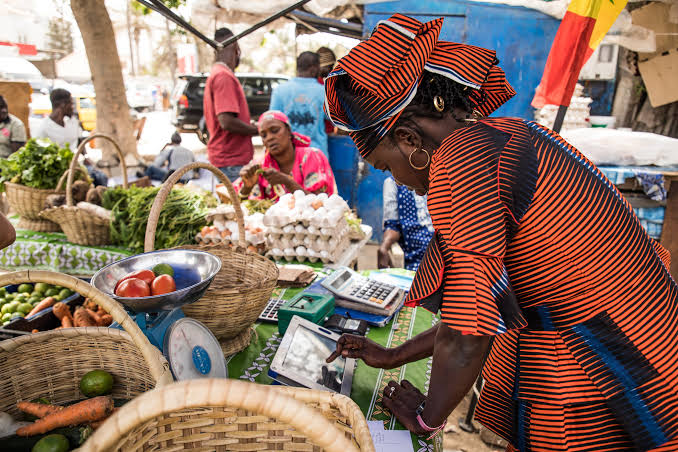
The performance of the Ghanaian cedi is more than just a headline figure on business news: it is a powerful force shaping how goods are bought, sold, and priced across the country. Whether you are a trader importing goods through Tema Port or a cocoa exporter shipping products overseas, fluctuations in the cedi can directly affect your bottom line.
At the centre of managing this delicate balance is the Bank of Ghana, whose policies aim to stabilise the currency while supporting economic growth. But what does the cedi’s rise or fall actually mean in practical terms?
📢 GET DETAILED ARTICLES + JOBS
Join THSB's WhatsApp Channel and never miss a post or opportunity.
Understanding the Cedi’s Movement
The cedi’s performance is typically measured against major foreign currencies like the US dollar.
- When the cedi depreciates, it loses value: meaning it takes more cedis to buy one dollar.
- When it appreciates, it gains value: meaning fewer cedis are needed to buy foreign currency.
These movements are influenced by factors such as inflation, foreign reserves, trade balances, and investor confidence. For businesses, these shifts are not abstract, they are felt immediately.
Importers Feel the Pressure First
For importers, a weakening cedi can be particularly painful. Most goods brought into Ghana, from electronics and machinery to rice and fuel, are paid for in foreign currencies. When the cedi loses value, importers need more money to buy the same goods.
This often leads to:
- Higher landing costs at the ports
- Increased prices in shops and markets
- Reduced profit margins if prices cannot be raised
For small and medium-sized traders, especially those operating in places like Accra’s busy commercial hubs, this can create significant strain. In some cases, businesses are forced to scale back orders or pass the cost directly to consumers, contributing to rising prices across the economy.
Exporters Can Gain: But It’s Not Always Simple
On the other side, exporters often benefit when the cedi weakens. This is because:
- They earn revenue in foreign currencies (like dollars or euros)
- When converted back into cedis, their earnings increase
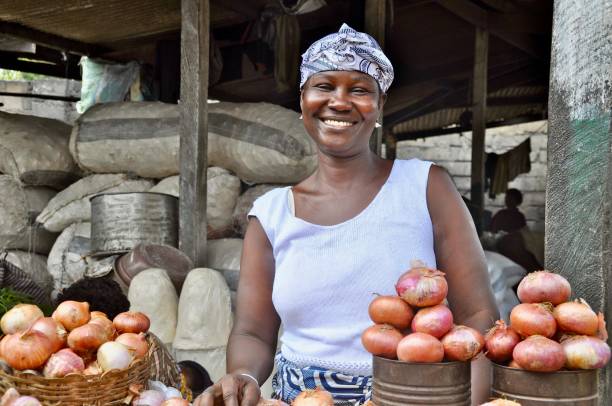
For industries such as cocoa, gold, and timber, a weaker cedi can boost local revenue and improve competitiveness in global markets. However, the picture is not entirely straightforward. Exporters who rely on imported inputs, such as machinery, packaging, or fuel, may also face higher costs. This can offset some of the gains from favourable exchange rates.
GET TO KNOW: How Interest Rates Affect Everyday Ghanaians.
When the Cedi Strengthens
A stronger cedi brings a different set of dynamics. For importers, it offers relief:
- Lower cost of goods from abroad
- Improved profit margins
- Potential for stable or reduced prices for consumers
But for exporters, a stronger cedi can be challenging. Their foreign earnings translate into fewer cedis, which can reduce profitability: especially for businesses operating on tight margins. This is why currency stability, rather than extreme strength or weakness, is often what businesses value most.
The Ripple Effect on Prices
The cedi’s performance has a direct impact on inflation. When the currency weakens:
- Imported goods become more expensive
- Businesses increase prices to cover costs
- Consumers feel the squeeze
This is particularly important in Ghana, where a large portion of goods: including food and fuel, are imported. Even local products can become more expensive if their production depends on imported inputs.
Planning Becomes More Difficult for Businesses
For both importers and exporters, volatility in the cedi creates uncertainty. Businesses struggle to:
- Set stable prices
- Plan long-term investments
- Manage cash flow
A sudden depreciation can wipe out expected profits, while unexpected appreciation can reduce earnings for exporters. This uncertainty often leads to cautious decision-making, slowing down expansion and investment.
The Role of Policy and Confidence
The Bank of Ghana plays a key role in managing the cedi through:
- Interest rate adjustments
- Foreign exchange interventions
- Monetary policy measures
Government fiscal discipline and international support programmes also influence currency stability. Beyond policy, investor confidence is critical. When investors trust the economy, they are more likely to bring in foreign capital, supporting the cedi.
What It Means for Everyday Ghanaians
While importers and exporters feel the direct impact, the effects of the cedi’s performance ripple through everyday life. A weaker cedi can mean:
A stronger or stable cedi can bring some relief: though changes are not always immediate. In the end, the currency’s performance shapes the cost of living and the pace of economic activity across the country.
RECOMMENDED: Why Inflation Is Falling In Ghana.
The Bottom Line
The cedi is more than just a currency: it is a reflection of Ghana’s economic health and a key driver of business realities. For importers, its weakness raises costs and squeezes margins. For exporters, it can create opportunities — but also challenges.
What businesses across Ghana ultimately need is stability: a currency that allows them to plan, invest, and grow with confidence. Because behind every shift in the exchange rate is a real impact: on businesses, on prices, and on the everyday lives of millions of Ghanaians.
Source: The High Street Business
Disclaimer: Some content on The High Street Business may be aggregated, summarized, or edited from third-party sources for informational purposes. Images and media are used under fair use or royalty-free licenses. The High Street Business is a subsidiary of SamBoad Publishing under SamBoad Business Group Ltd, registered in Ghana since 2014.
For concerns or inquiries, please visit our Privacy Policy or Contact Page.

Esther Aku-Sika is a content writer and social media strategist who helps brands and startups grow through intentional storytelling and practical marketing strategies. With a keen eye for trends and audience behavior, she shares business insights, content strategies, and real-life lessons to help entrepreneurs build visibility and turn ideas into income. Through her writing, she simplifies complex concepts and equips readers with actionable steps to grow in today’s digital space.