



Understand what the IMF programme means for Ghana, including its impact on economic recovery, debt restructuring, inflation control, and everyday life.
What the IMF Programme Means for Ghana
For many Ghanaians, the mention of an IMF programme often brings mixed feelings: hope for stability, but also concern about hardship. It is a term that frequently appears in economic discussions, yet its real meaning goes far beyond policy language.
Ghana’s current engagement with the International Monetary Fund represents a critical turning point. It is both a response to past economic challenges and a roadmap for future recovery. But what does it really mean: for businesses, households, and the country as a whole?
📢 GET DETAILED ARTICLES + JOBS
Join THSB's WhatsApp Channel and never miss a post or opportunity.
Why Ghana Turned to the IMF
Ghana’s decision to seek support from the IMF did not happen overnight. It followed a period of economic strain marked by rising debt, high inflation, and a weakening currency. Government spending pressures, global economic shocks, and reduced revenue created a situation where external support became necessary.
The IMF programme is designed to provide financial assistance while guiding the country toward economic stability. In essence, it offers both funding and a framework for reform.
The Core Goal: Restoring Stability
At the heart of the IMF programme is a simple objective: restore macroeconomic stability. This involves reducing inflation, stabilising the currency, and ensuring that government finances are sustainable. To achieve this, Ghana has committed to a series of policy reforms.
These include:
- Controlling public spending
- Improving tax collection
- Strengthening financial systems
- Enhancing transparency and accountability
While these measures may seem technical, their ultimate aim is to create a more stable and predictable economic environment.
Debt Restructuring and Financial Relief
One of the most significant aspects of the programme is debt restructuring. Ghana has been working to renegotiate its debt obligations with both domestic and international creditors. This process is crucial because it reduces the pressure on government finances, freeing up resources for development.
However, it also comes with trade-offs. Investors, banks, and bondholders are affected, and the financial sector must adjust to new realities. Despite these challenges, restructuring is widely seen as a necessary step toward long-term recovery.
The Impact on Inflation and Prices
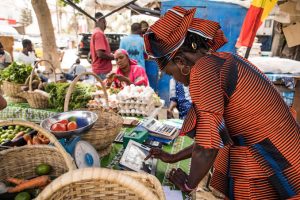
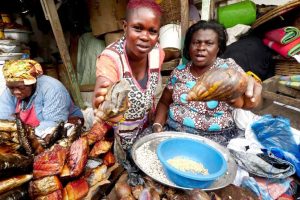
Inflation has been one of the biggest concerns for Ghanaians in recent years. Rising prices have affected food, transport, and basic living costs. Through the IMF programme, policies aimed at controlling inflation are being implemented, often in coordination with the Bank of Ghana.
This includes maintaining relatively high interest rates and limiting excessive government spending. While these measures can help bring prices down over time, the effects are gradual. In the short term, many households may continue to feel the pressure.
RECOMMENDED: How Economic Changes Affect Daily Life.
What It Means for Businesses
For businesses, the IMF programme brings both challenges and opportunities. On one hand, tighter financial conditions, such as higher interest rates and reduced government spending, can make it harder to access capital and grow.
On the other hand, a more stable economy creates a better environment for long-term investment. Reduced inflation, a stable currency, and improved confidence can encourage both local and foreign businesses to expand. In many ways, the programme is about short-term sacrifice for long-term gain.
Social Impact: The Human Side of Reform
Perhaps the most important aspect of the IMF programme is its impact on people. Economic reforms often come with difficult adjustments. Reduced government spending can affect public services, while higher taxes may increase the cost of living.
This is why social protection measures are a key part of the programme. Efforts are being made to support vulnerable groups and ensure that the burden of adjustment does not fall too heavily on those least able to bear it. Still, for many Ghanaians, the effects of these changes are deeply personal.
Building Investor Confidence
One of the less visible but highly important outcomes of the IMF programme is the restoration of investor confidence. When a country enters an IMF programme, it signals a commitment to reform and discipline. This can reassure investors and international partners.
For Ghana, this could mean increased foreign investment, improved access to global financial markets, and stronger economic partnerships. Confidence, once lost, takes time to rebuild, but it is essential for sustainable growth.
A Path Toward Long-Term Reform
The IMF programme is not just about immediate recovery, it is also about long-term transformation. Reforms aimed at improving governance, strengthening institutions, and diversifying the economy are part of a broader vision.
For Ghana, this includes reducing reliance on imports, boosting local production, and expanding sectors like agriculture, manufacturing, and technology. If successfully implemented, these changes could create a more resilient economy, less vulnerable to future shocks.
Public Perception and Debate
It is important to acknowledge that IMF programmes are often debated. Some view them as necessary interventions, while others see them as imposing strict conditions that can limit growth. In Ghana, these discussions are ongoing. Citizens, businesses, and policymakers all have different perspectives on the programme’s impact. This debate reflects a deeper question: how to balance economic stability with social well-being.
Looking Ahead: A Cautious but Hopeful Future
Ghana’s journey under the IMF programme is still unfolding. Progress is being made, but challenges remain. The success of the programme will depend on consistent implementation, strong leadership, and the ability to adapt to changing conditions.
For many, the hope is that these efforts will lead to a more stable economy: one where businesses can thrive, jobs can be created, and households can plan with confidence.
RELATED: How Government Policies Affect Businesses.
More Than a Programme
At its core, the IMF programme is more than a financial agreement. It is a turning point in Ghana’s economic story. It represents a moment of reflection, adjustment, and opportunity.
For businesses, it shapes the environment in which they operate. For individuals, it influences daily life in ways both visible and subtle. And for Ghana as a whole, it offers a chance to reset, to build not just recovery, but resilience for the future.
Source: The High Street Business
Disclaimer: Some content on The High Street Business may be aggregated, summarized, or edited from third-party sources for informational purposes. Images and media are used under fair use or royalty-free licenses. The High Street Business is a subsidiary of SamBoad Publishing under SamBoad Business Group Ltd, registered in Ghana since 2014.
For concerns or inquiries, please visit our Privacy Policy or Contact Page.

Esther Aku-Sika is a content writer and social media strategist who helps brands and startups grow through intentional storytelling and practical marketing strategies. With a keen eye for trends and audience behavior, she shares business insights, content strategies, and real-life lessons to help entrepreneurs build visibility and turn ideas into income. Through her writing, she simplifies complex concepts and equips readers with actionable steps to grow in today’s digital space.