










As Ghana prepares for a new administration, the private sector is making a clear and urgent call for tax reforms that will stimulate growth, reduce costs, and improve business confidence. The Ghana National Chamber of Commerce and Industry (GNCCI) according to reports from Accra Street Journal, has taken the lead, urging President-elect John Mahama to abolish outdated levies like the COVID-19 tax and the e-levy, which have long been criticized for stifling entrepreneurship and adding undue financial pressure on businesses.
Mark Badu-Aboagye, CEO of GNCCI, highlighted that Ghana’s current tax framework is increasingly misaligned with the needs of the modern economy. “The first tax I expect President-elect John Mahama to eliminate is the COVID-19 levy. It’s obsolete and unnecessary,” he stated during a discussion on PM Express. Badu-Aboagye further described the e-levy, intended as a revenue-generating digital tax, as poorly implemented despite its conceptual merit.
“It’s a brilliant idea in theory, but its execution has hurt businesses, especially small and medium enterprises (SMEs),” he noted. He emphasized that the new administration must not only remove these levies but also ensure that future tax policies are well-designed, transparent, and supportive of economic growth.
📢 GET DETAILED ARTICLES + JOBS
Join THSB's WhatsApp Channel and never miss a post or opportunity.
The Impact of Current Levies on Ghana’s Economy
The COVID-19 levy, introduced during the global pandemic, was initially justified as a temporary measure to support emergency health expenditures. Yet, as Ghana moves beyond the pandemic, the GNCCI argues that maintaining this tax is unnecessary and burdensome for businesses still recovering from economic shocks.
Similarly, the e-levy, which taxes electronic transactions, has faced widespread criticism. While digital taxation aligns with global trends toward a cashless economy, Ghana’s implementation has disrupted cash flow for businesses, particularly in sectors heavily reliant on mobile money and digital payments.
Badu-Aboagye explained, “When a tax is poorly implemented, it does more harm than good. Businesses face liquidity challenges, which cascade into higher prices for consumers and reduced competitiveness in the market.”
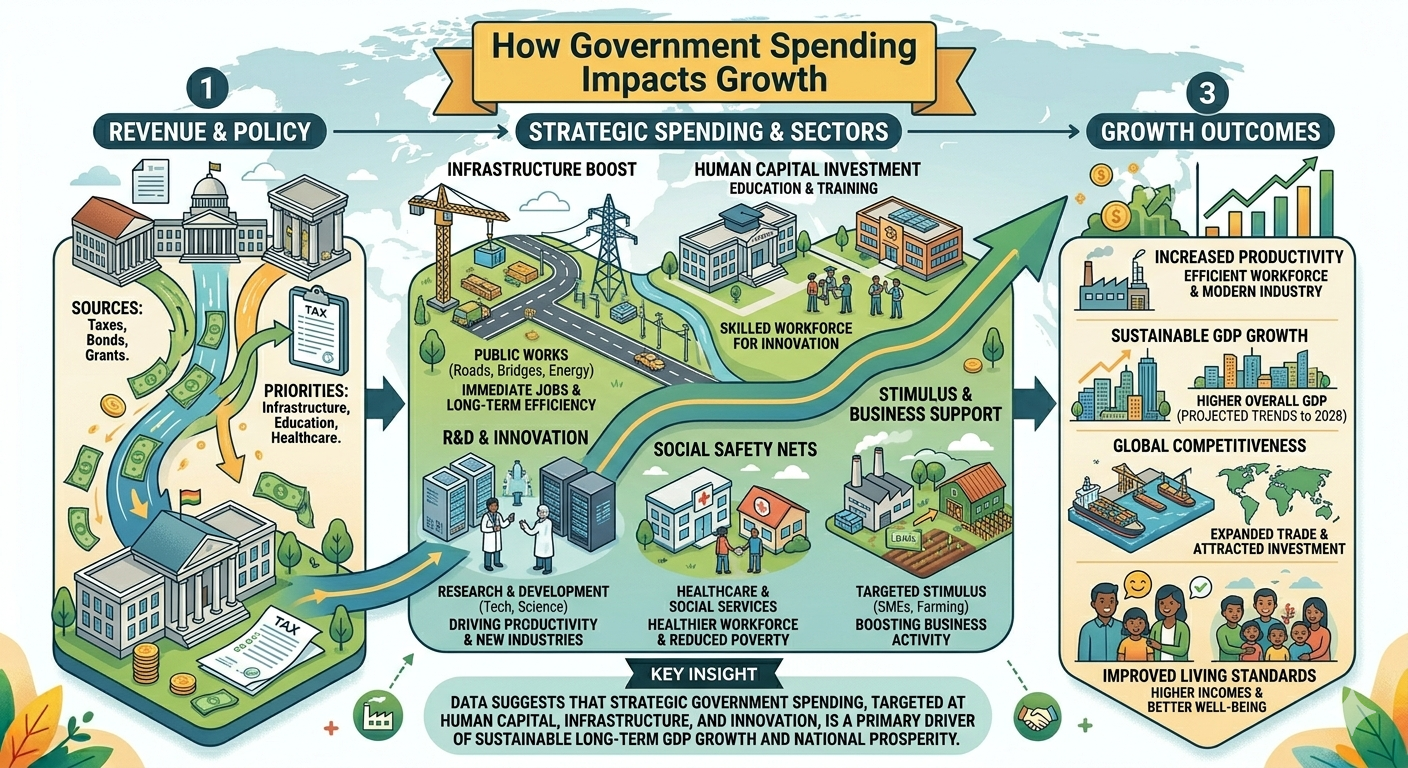
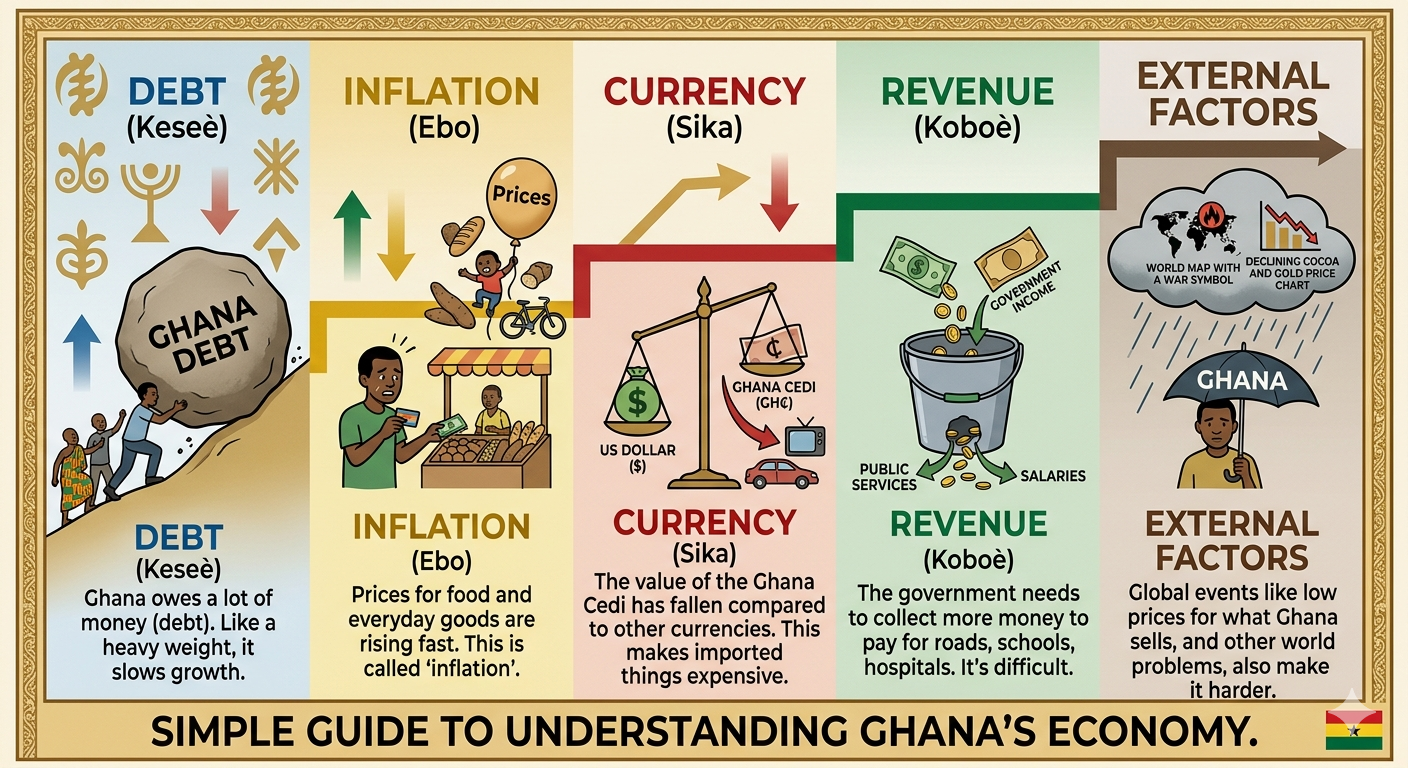
Ghana’s VAT regime is another area of concern. With supplementary levies, VAT reaches 21%, significantly inflating production costs for companies across industries. These additional expenses are often passed to consumers, exacerbating inflationary pressures. The GNCCI argues that a rationalized and simplified tax system would encourage investment, reduce informal economic activity, and support long-term economic growth.
Calls for Swift and Meaningful Tax Reforms
GNCCI’s appeal is part of a broader conversation about creating a more conducive environment for business in Ghana. The Chamber plans to actively engage with President-elect Mahama’s administration to ensure that campaign promises translate into actionable reforms.
“The private sector needs a predictable, fair, and transparent tax system. We cannot afford empty pledges,” said Badu-Aboagye. He referenced the previous administration’s unfulfilled promises to eliminate nuisance taxes, which were later reintroduced in even more burdensome forms.
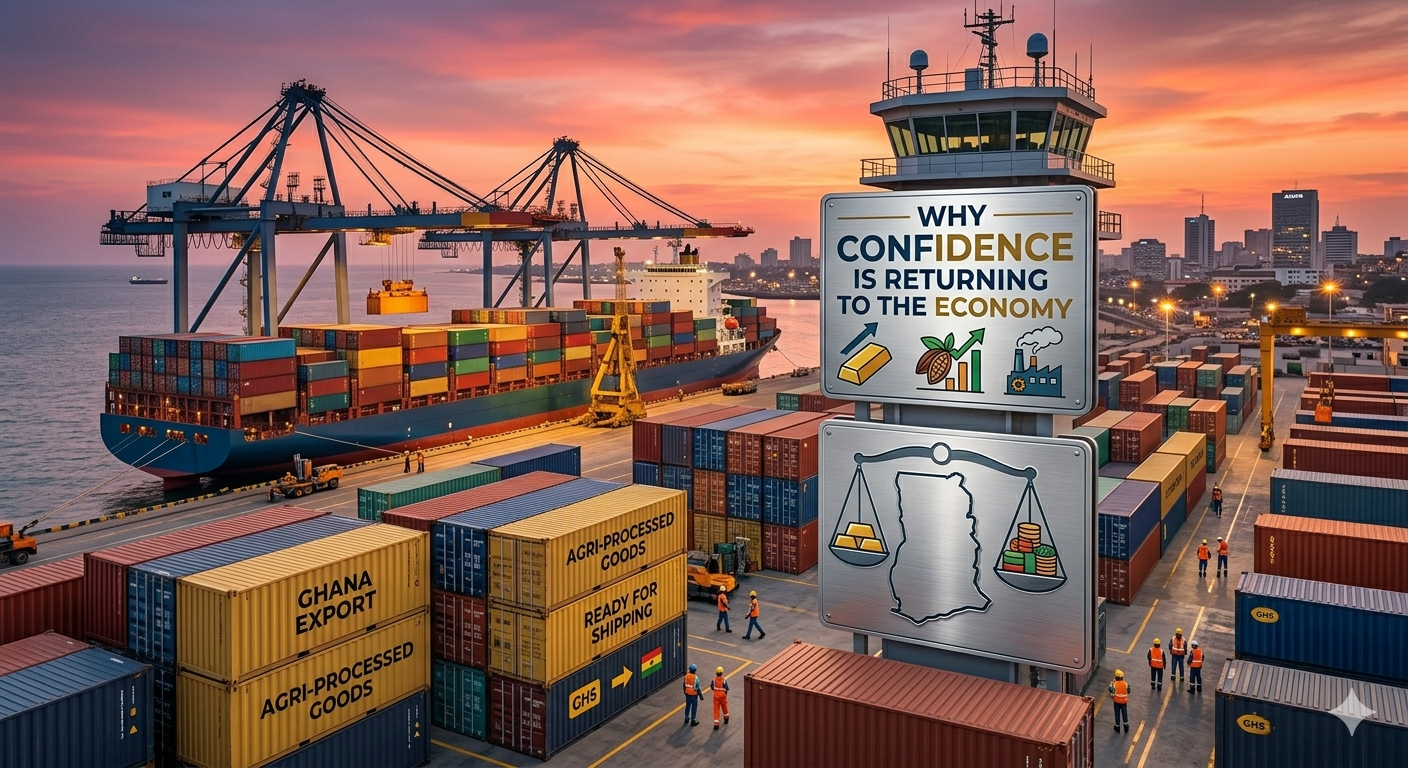
The GNCCI emphasizes that time is of the essence. Rapid reforms can help restore confidence among investors, stimulate economic activity, and prevent further financial strain on SMEs, which constitute the backbone of Ghana’s economy.
Potential Benefits of Abolishing Outdated Levies
-
Enhanced Business Confidence: Removing obsolete taxes like the COVID-19 levy and reforming the e-levy can give businesses the liquidity and certainty needed to plan and expand.
-
Lower Operational Costs: Simplifying VAT and eliminating redundant levies reduces production costs, allowing businesses to pass savings to consumers and remain competitive.
-
Stimulated Investment: A transparent and predictable tax system can attract both domestic and foreign investors looking for stable business environments.
-
Support for SMEs: Small and medium enterprises, which are most vulnerable to high operational costs, would particularly benefit, helping to create jobs and strengthen the local economy.
-
Economic Growth: Efficient taxation encourages formalization of businesses, increases compliance, and supports overall economic resilience.
Badu-Aboagye noted that these reforms, if implemented strategically, could have a multiplier effect, improving household incomes, reducing unemployment, and fostering a more dynamic private sector.
Challenges and Considerations
While the call to abolish certain taxes is clear, the government must balance revenue needs with growth incentives. Eliminating levies reduces immediate government income, and new mechanisms may be needed to fund public services.
Experts suggest that any reform should include:
-
Comprehensive review of the tax code to identify redundancies and inefficiencies.
-
Gradual implementation plans to allow businesses and the government to adapt.
-
Stakeholder consultations to ensure reforms address the concerns of both large corporations and SMEs.
-
Digital tracking and compliance systems to prevent revenue leakage without burdening businesses.
By taking these measures, the new administration can achieve a balanced approach that supports growth while maintaining fiscal stability.
Private Sector’s Role in Tax Reform
GNCCI’s advocacy highlights the growing importance of private sector engagement in policy-making. Businesses, trade associations, and industry groups play a critical role in shaping policies that directly impact economic performance.
“We will hold the government accountable for its promises. Our goal is to ensure that policies are implemented effectively and that the private sector has the environment it needs to thrive,” Badu-Aboagye said.
This collaboration between government and industry can lead to tax policies that are equitable, growth-oriented, and responsive to market realities, benefiting both businesses and citizens.
As Ghana transitions into a new administration, the GNCCI’s call for abolishing outdated levies and reforming the tax system underscores a critical priority: creating a business-friendly, resilient, and competitive economy. The Chamber’s proactive stance reflects the urgency felt across industries, particularly among SMEs, to eliminate unnecessary burdens and ensure economic growth is inclusive.
President-elect Mahama’s response to these recommendations could define the trajectory of Ghana’s private sector and broader economic landscape for years to come. Swift and effective tax reforms would signal commitment to growth, transparency, and investor confidence, while failure to act risks continued strain on businesses and consumers alike.
Source: The High Street Business
Disclaimer: Some content on The High Street Business may be aggregated, summarized, or edited from third-party sources for informational purposes. Images and media are used under fair use or royalty-free licenses. The High Street Business is a subsidiary of SamBoad Publishing under SamBoad Business Group Ltd, registered in Ghana since 2014.
For concerns or inquiries, please visit our Privacy Policy or Contact Page.

Samuel Kwame Boadu is a Ghanaian entrepreneur, writer, and digital consultant passionate about creating impactful stories and business solutions. He is the Founder & CEO of SamBoad Business Group Ltd, a dynamic company with subsidiaries in digital marketing, logistics, publishing, and risk management.