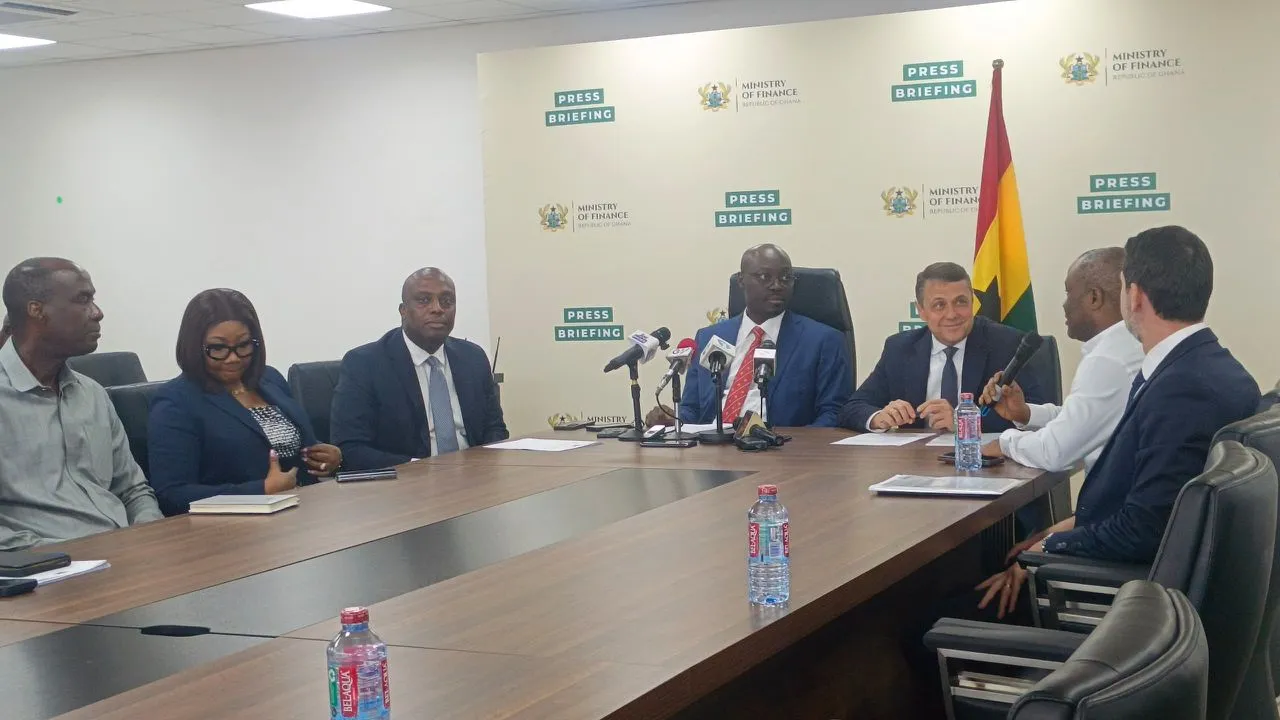












Ghana’s financial landscape is undergoing significant reforms following the passage of the Electronic Transfer Levy (Repeal) Act, 2025. One of the most immediate outcomes of the repeal is the mandatory refund of all Electronic Transfer Levy (E-Levy) deductions made from April 2, 2025, onward. The Electronic Money Issuers (EMIs) Chamber of Ghana has taken the lead in confirming that every affected customer will receive a refund by April 7, 2025.
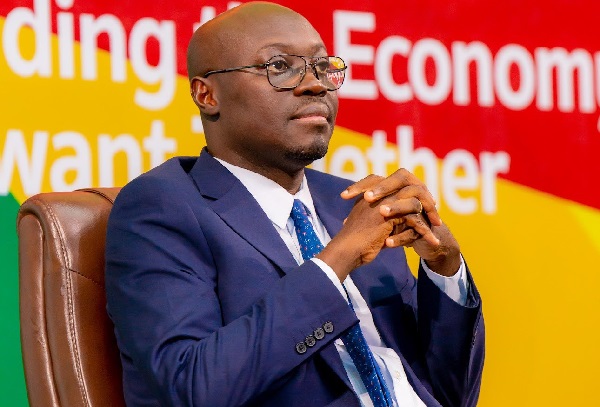
This development marks a major milestone in Ghana’s transition toward a more inclusive, digital-friendly economy—one that removes barriers to electronic transactions and rebuilds public confidence in the mobile money ecosystem. As Finance Minister Dr. Cassiel Ato Forson emphasized, the abolition of the E-Levy forms part of a strategic effort to streamline Ghana’s taxation structure while encouraging innovation and participation in the digital economy.
In this editorial, we examine what the refund process means for mobile money users, why the repeal matters, and how Ghana’s financial sector is adjusting to a post–E-Levy environment.
📢 GET DETAILED ARTICLES + JOBS
Join THSB's WhatsApp Channel and never miss a post or opportunity.
Understanding the Repeal and Why Refunds Are Necessary
The E-Levy, first introduced in 2022 at a rate of 1.5% and later reduced to 1%, applied to a wide range of electronic transactions, including mobile money transfers, bank-to-mobile transactions, and some merchant payments. While intended to broaden the tax net, it quickly became one of the most criticized policies of the decade.

Critics argued that:
-
It discouraged the use of mobile money.
-
It disproportionately affected low-income earners.
-
It pushed many users back into cash-based transactions.
-
It undermined efforts to promote a cash-lite economy.
With the passage of the E-Levy Repeal Act, 2025, the Ghana Revenue Authority (GRA) issued a directive requiring all EMIs to halt deductions immediately and refund any charges taken after April 2.
The decision to issue refunds underscores the government’s commitment to fairness and accountability. It also reflects improved coordination between the GRA, telecom operators, fintech companies, and banks.
The Refund Process: What Customers Should Expect
Refund Deadline: April 7, 2025
The EMIs Chamber has confirmed that all E-Levy deductions that occurred from April 2 onward are being reversed. Customers should expect to see a reversal notification or credit alert in their mobile money wallets by April 7.
Refunds are being processed by major member institutions, including:
-
AT Money
-
G-Money
-
Zeepay
-
Vodafone Cash
-
MTN Mobile Money (MoMo)
-
All participating fintech and banking EMIs
These institutions have upgraded their systems to automatically process refunds without customers needing to file complaints.
System Safeguards to Prevent New Deductions
EMIs have implemented new system rules and updates ensuring that no further E-Levy deductions are made. The Chamber has assured the public that digital platforms have been synchronized with GRA directives.
Customer Support and Complaint Resolution
While refunds are expected to be seamless, customers who experience delays or do not receive refunds by April 7 are encouraged to:
-
Contact their mobile money operator
-
Visit a service center
-
Use customer care hotlines
-
File a formal complaint through their provider’s digital platform
The EMIs Chamber has pledged to support customers through the resolution process.
Why the Repeal of the E-Levy Matters
1. Promoting Financial Inclusion
Mobile money has been a powerful tool for bringing millions of Ghanaians—especially in rural and underserved communities—into the financial system. The E-Levy, by increasing the cost of mobile transactions, affected adoption rates. Its removal now clears the path for renewed momentum in digital finance participation.

2. Encouraging Electronic Payments
The levy discouraged electronic transfers and pushed many individuals and businesses back to cash. With its removal, transaction volumes are expected to rise again, strengthening Ghana’s digital payments ecosystem.
3. Boosting Small Business Transactions
SMEs heavily rely on mobile money for payments, purchases, and salary disbursements. Eliminating the levy reduces operating costs and encourages smoother business transactions.
4. Supporting Government’s Digitalization Agenda
The repeal supports the government’s broader digital economy strategy—one centered on efficiency, transparency, and modernized financial infrastructure.
5. Restoring Public Confidence
The E-Levy’s introduction led to confusion, frustration, and public mistrust. Its repeal signals responsiveness to citizen concerns and a greater willingness to adopt taxation models that do not burden everyday financial transactions.
The Role of EMIs in Ghana’s Financial Evolution
The Electronic Money Issuers Chamber represents telecoms, fintechs, and banking institutions that provide mobile money and electronic payment services. Their proactive response to the E-Levy repeal—through swift refunds, system adjustments, and public communication—reflects growing maturity in Ghana’s digital financial sector.
Their role is especially crucial in:
-
Building trust in electronic transactions
-
Ensuring transparency in deductions and fees
-
Protecting consumer rights
-
Collaborating with regulators to shape future policies
The Chamber’s clear assurance that refunds will be completed by April 7 demonstrates its commitment to accountability and customer satisfaction.
The Future of Digital Payments in Ghana
With the E-Levy now abolished, Ghana’s digital payments industry is expected to expand rapidly. Increased transaction volumes, restored consumer trust, and enhanced interoperability are likely outcomes. The repeal also creates space for innovative services such as:
-
Micro-insurance
-
Mobile-based savings
-
Integrated merchant payments
-
Cross-border digital remittances
As Ghana deepens its embrace of a modern, digital-first economy, mobile money and fintech platforms will continue to play a central role.
FAQs
1. Why are E-Levy refunds being issued?
Because the Electronic Transfer Levy (Repeal) Act, 2025, has abolished the levy, and deductions made after April 2 must be reversed.
2. When will I receive my refund?
Refunds will be completed by April 7, 2025, according to the EMIs Chamber.
3. Do I need to request a refund manually?
No. Refunds are being processed automatically by mobile money and electronic payment providers.
4. What should I do if I don’t receive my refund?
Contact your mobile money operator or visit a service center for support.
5. Will E-Levy deductions continue?
No. Systems have been updated to prevent further deductions following the repeal.
Disclaimer: Some content on The High Street Business may be aggregated, summarized, or edited from third-party sources for informational purposes. Images and media are used under fair use or royalty-free licenses. The High Street Business is a subsidiary of SamBoad Publishing under SamBoad Business Group Ltd, registered in Ghana since 2014.
For concerns or inquiries, please visit our Privacy Policy or Contact Page.

Samuel Kwame Boadu is a Ghanaian entrepreneur, writer, and digital consultant passionate about creating impactful stories and business solutions. He is the Founder & CEO of SamBoad Business Group Ltd, a dynamic company with subsidiaries in digital marketing, logistics, publishing, and risk management.