





Major Business Decisions That Will Impact Ghana’s Economy – Explore the major business decisions shaping Ghana’s economy in 2026, from policy reforms to private sector investments, and how they could influence growth, jobs, and stability.
Major Business Decisions That Will Impact Ghanas Economy
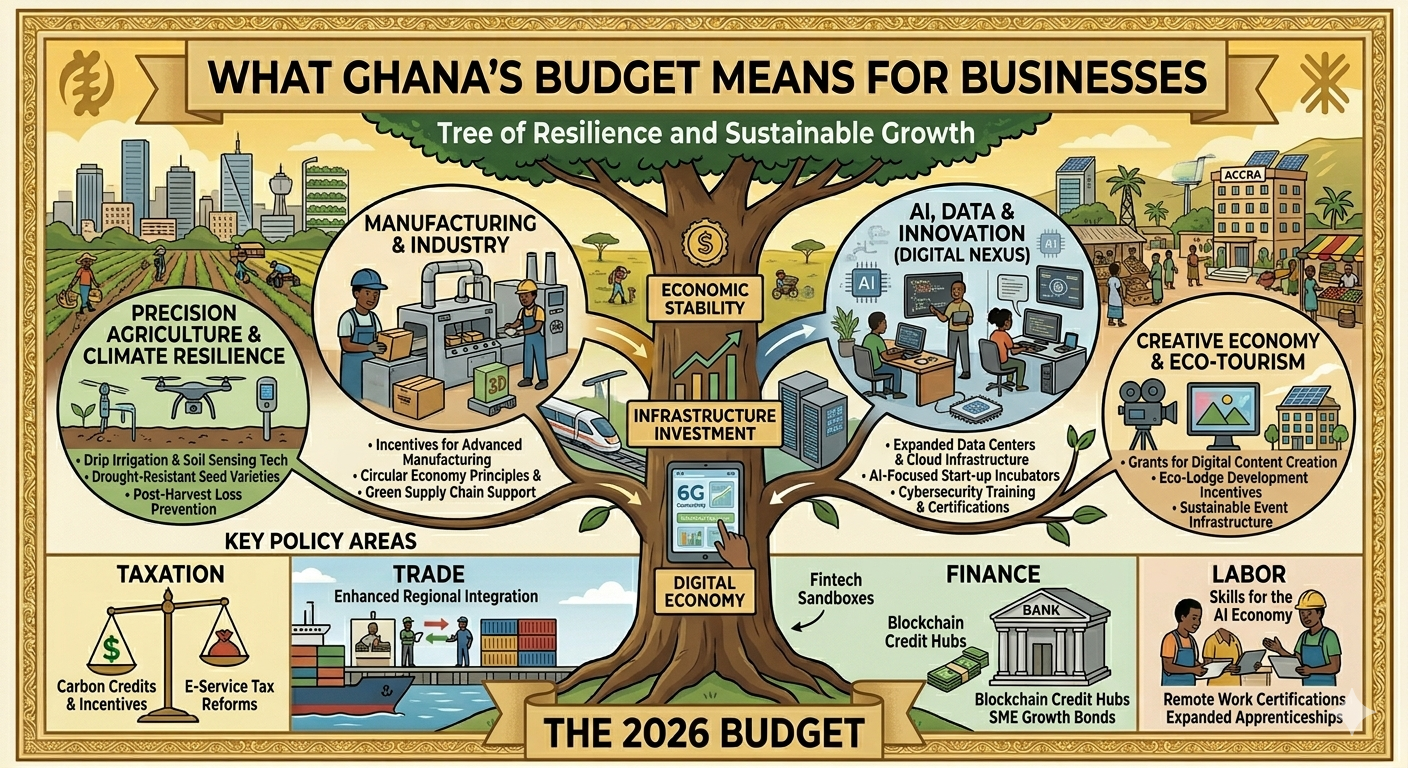
Ghana’s economy is at a defining moment. After years of turbulence marked by debt restructuring, inflation spikes, and currency pressures, the country is gradually finding its footing again. But recovery is not automatic, it hinges on a series of bold, strategic business and policy decisions being made right now.
From government reforms to private sector investments and global partnerships, these decisions will not only determine the pace of recovery but also shape Ghana’s economic future for years to come.
📢 GET DETAILED ARTICLES + JOBS
Join THSB's WhatsApp Channel and never miss a post or opportunity.
Debt Restructuring and Fiscal Discipline
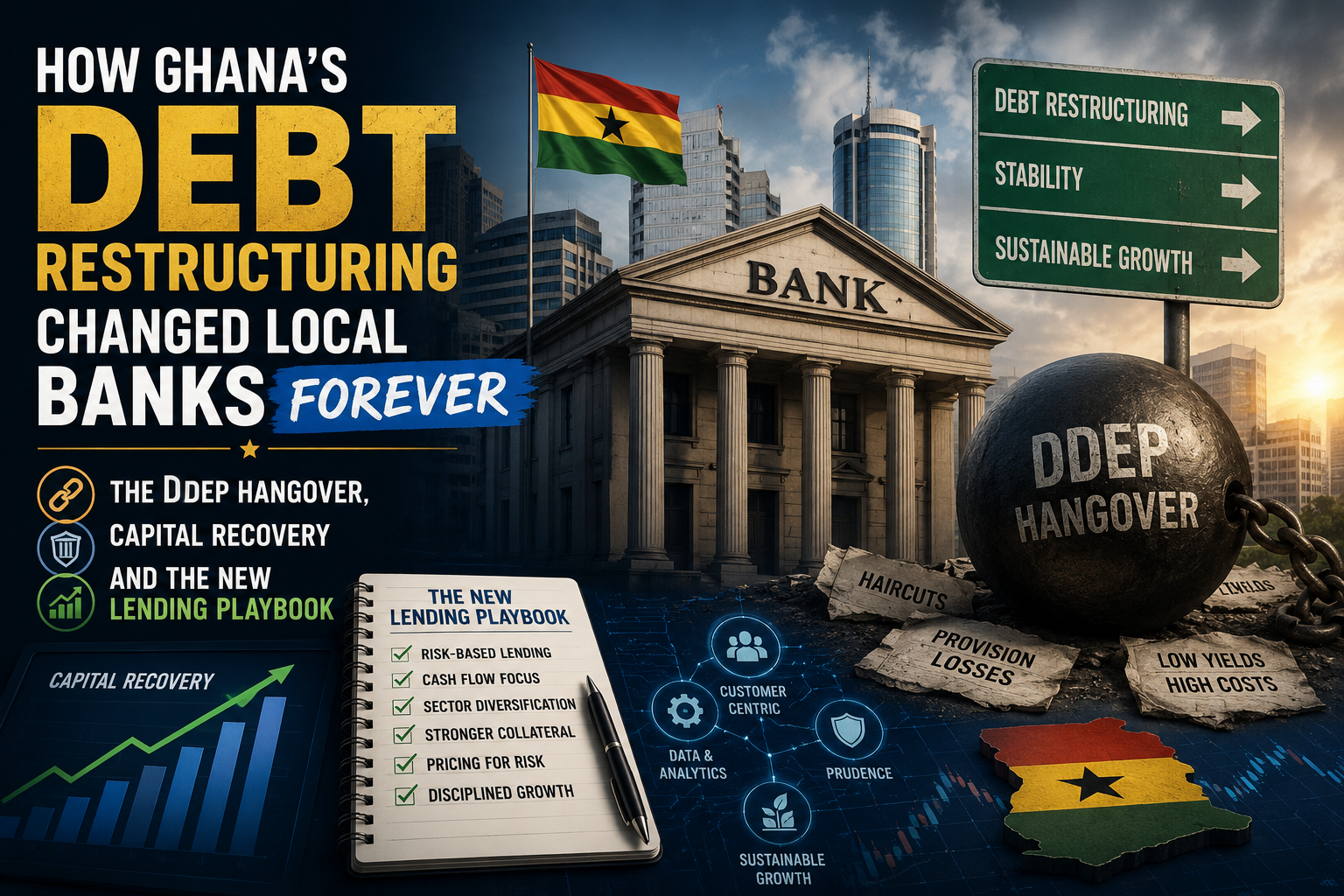
One of the most critical decisions affecting Ghana’s economy is how the government manages its debt restructuring process. Following the challenges that led Ghana to seek support from the International Monetary Fund, restoring fiscal discipline has become non-negotiable.
The decisions taken around spending cuts, revenue mobilization, and debt repayments will directly influence investor confidence. If handled well, Ghana could regain credibility in international markets, making it easier to attract foreign investment and stabilize the cedi.
But there’s a human side to this. Fiscal tightening often means reduced public spending, which can affect jobs, infrastructure projects, and social services. The balance between discipline and growth is delicate, and crucial.
CHECK OUT: How Ghana’s Banking Sector Works
Interest Rates and Monetary Policy Direction
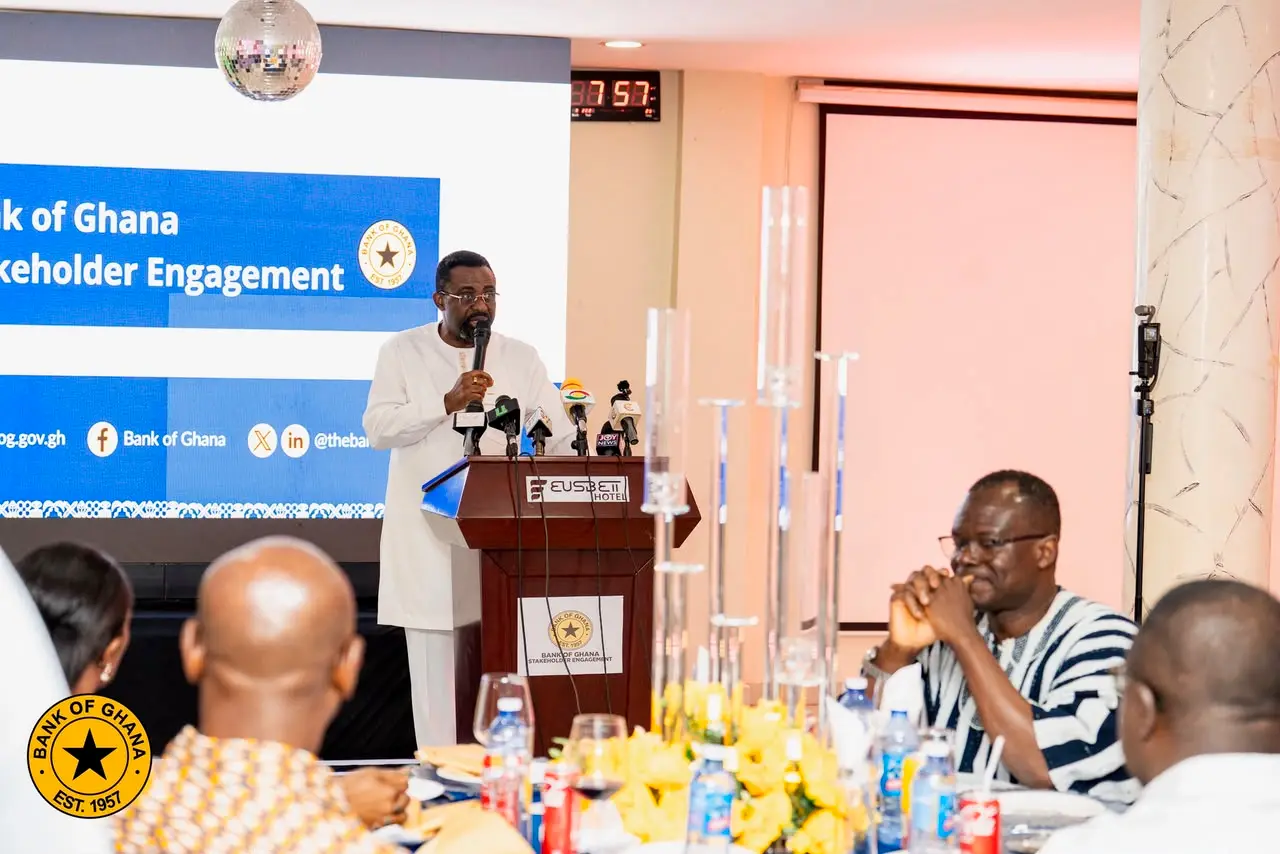
Another key decision shaping the economy lies with the Bank of Ghana. Its stance on interest rates continues to ripple through businesses and households alike.
High interest rates have been necessary to tame inflation, but they come at a cost. For many small and medium-sized enterprises (SMEs), borrowing has become expensive, slowing expansion and innovation.
If the central bank decides to ease rates too quickly, inflation could rebound. But if rates remain high for too long, businesses may struggle to grow. The timing of these decisions will determine whether Ghana’s recovery feels real to everyday entrepreneurs.
Energy Sector Reforms and Power Stability
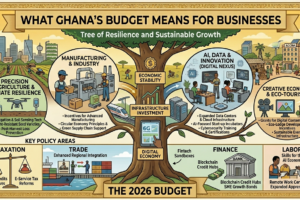
Energy remains the backbone of Ghana’s industrial growth. Decisions surrounding tariffs, power generation, and energy sector debt restructuring are among the most impactful on businesses.
Frequent discussions about tariff adjustments and inefficiencies in the power sector continue to raise concerns. For manufacturers, unstable or expensive electricity directly affects production costs and competitiveness.
If reforms lead to a more reliable and cost-effective energy supply, industries could expand, creating jobs and boosting exports. But delays or missteps could keep businesses operating below their full potential.
Foreign Investment and Strategic Partnerships
Ghana’s ability to attract foreign direct investment (FDI) is another major factor. Decisions regarding investment policies, tax incentives, and regulatory frameworks are under close scrutiny by global investors.
Recent moves to review large-scale projects: particularly in mining, infrastructure, and technology—signal a shift toward ensuring greater local participation and value retention.
While this approach could strengthen domestic industries, it must be carefully balanced. Overly restrictive policies may discourage foreign investors, while well-structured partnerships could unlock billions in capital and expertise.
The Future of the Banking Sector
Ghana’s banking sector has undergone significant reforms in recent years, but key decisions still lie ahead. Issues around liquidity, lending practices, and digital transformation are shaping the next phase of growth.
Banks are now more cautious, focusing on risk management after past financial sector clean-ups. However, this caution sometimes limits credit flow to businesses that need it most.
Decisions that encourage responsible lending while supporting entrepreneurship could transform the economy. Increased access to finance—especially for SMEs—remains one of the strongest drivers of economic expansion.
Industrialisation and Local Production Policies
The push for industrialisation continues to be a cornerstone of Ghana’s economic strategy. Government-backed initiatives aimed at boosting local production are influencing business decisions across sectors.
Policies encouraging local manufacturing, agribusiness, and value addition are designed to reduce imports and strengthen exports. But execution is everything.
If businesses receive the right support—stable policies, access to finance, and infrastructure—Ghana could see a surge in local industries. If not, these ambitions risk remaining on paper.
READ ALSO: Why Ghana’s Economy Is Stabilising.
Digital Economy and Innovation Investments
Technology is quietly becoming one of Ghana’s most powerful economic drivers. Decisions around digital infrastructure, fintech regulation, and startup support are shaping a new frontier.
The rise of mobile money, e-commerce, and digital services is creating opportunities for young entrepreneurs. However, regulation must keep pace with innovation.
Striking the right balance between oversight and flexibility will determine whether Ghana becomes a leading digital economy in Africa or falls behind more aggressive competitors.
Global Economic Pressures and Trade Decisions
Ghana does not operate in isolation. Decisions influenced by global economic trends—such as commodity prices, exchange rates, and trade agreements—also play a significant role.
As a major exporter of gold, cocoa, and oil, Ghana’s fortunes are tied to global markets. Strategic decisions around trade partnerships and export diversification could help cushion external shocks.
In an unpredictable global environment, resilience is key. Ghana’s ability to adapt will depend largely on the decisions being made today.
A Defining Moment for Ghana’s Economy
At its core, the story of Ghana’s economy in 2026 is one of choices. Every policy shift, investment decision, and reform effort carries weight—not just in numbers, but in people’s lives.
For business owners, it’s about survival and growth. For workers, it’s about jobs and stability. And for the country as a whole, it’s about building a resilient, inclusive economy that can withstand future shocks.
The road ahead is not without challenges. But with the right decisions—bold, balanced, and forward-thinking—Ghana has a real opportunity to turn recovery into lasting prosperity.
Disclaimer: Some content on The High Street Business may be aggregated, summarized, or edited from third-party sources for informational purposes. Images and media are used under fair use or royalty-free licenses. The High Street Business is a subsidiary of SamBoad Publishing under SamBoad Business Group Ltd, registered in Ghana since 2014.
For concerns or inquiries, please visit our Privacy Policy or Contact Page.

Esther Aku-Sika is a content writer and social media strategist who helps brands and startups grow through intentional storytelling and practical marketing strategies. With a keen eye for trends and audience behavior, she shares business insights, content strategies, and real-life lessons to help entrepreneurs build visibility and turn ideas into income. Through her writing, she simplifies complex concepts and equips readers with actionable steps to grow in today’s digital space.