







Banking plays a central role in Ghana’s economy, supporting everything from personal savings to large-scale business investments. Whether you are an entrepreneur, employee, investor, or student, understanding how the banking system works is essential for managing money effectively and making informed financial decisions.
Ghana’s banking sector has evolved significantly over the years, becoming more regulated, digitized, and accessible. At The High Street Business, we break down how banking works in Ghana in practical terms — explaining the structure, services, and key processes that shape financial activity.
1. The Structure of Ghana’s Banking System
Ghana’s banking system operates under a structured framework led by the central bank, supported by commercial banks and other financial institutions.
📢 GET DETAILED ARTICLES + JOBS
Join THSB's WhatsApp Channel and never miss a post or opportunity.
At the top is the Bank of Ghana, which regulates the financial system and ensures stability. Its responsibilities include:
-
Setting monetary policy
-
Controlling inflation
-
Supervising banks and financial institutions
-
Issuing the national currency (the Ghanaian cedi)
Below the central bank are:
-
Savings and loans companies
-
Microfinance institutions
Each plays a role in providing financial services to different segments of the population.
2. Types of Bank Accounts in Ghana
Banks in Ghana offer various types of accounts to meet different financial needs.
Current Accounts
-
Designed for frequent transactions
-
Commonly used by businesses
-
May include overdraft facilities
Savings Accounts
-
Intended for individuals looking to save money
-
Earn interest over time
-
Limited number of withdrawals
Fixed Deposit Accounts
-
Funds are locked for a specific period
-
Higher interest rates compared to savings accounts
-
Suitable for long-term savings
Choosing the right account depends on financial goals, transaction needs, and income patterns.
3. How Banks Make Money
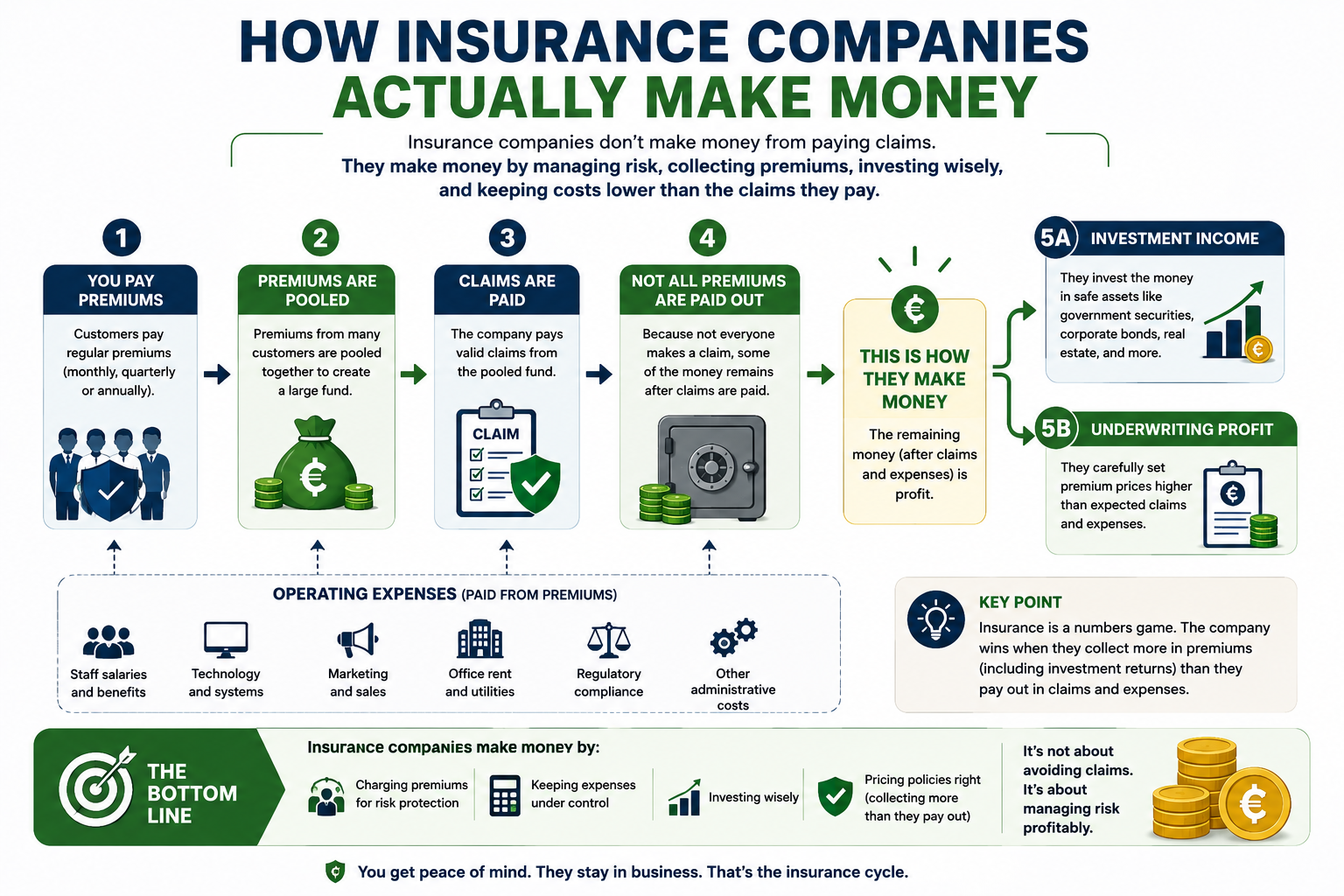
Banks operate as financial intermediaries, earning revenue primarily through:
-
Interest on loans: Banks lend money at higher interest rates than they pay on deposits
-
Fees and charges: Account maintenance fees, transfer fees, and transaction costs
-
Investment activities: Banks invest in government securities and other financial instruments
This model allows banks to generate profit while facilitating economic activity.
4. Lending and Credit in Ghana
Access to credit is one of the most important functions of banks.
Banks provide loans for:
-
Personal use
-
Mortgages and real estate
-
Vehicle financing
However, lending often comes with strict requirements, including:
-
Proof of income
-
Credit history
-
Collateral (in many cases)
Interest rates in Ghana can be relatively high due to inflation, currency risks, and overall economic conditions.
5. Interest Rates and Inflation
Interest rates in Ghana are influenced by monetary policy set by the Bank of Ghana.
When inflation rises:
-
Interest rates often increase
-
Borrowing becomes more expensive
-
Savings may earn higher returns
Understanding this relationship helps individuals and businesses make better financial decisions regarding loans and investments.
6. Digital Banking and Financial Technology
Ghana’s banking sector has embraced digital transformation in recent years.
Key developments include:
-
Internet banking platforms
-
Integration with mobile money services
-
Digital payments and transfers
Digital banking improves convenience, reduces transaction times, and expands access to financial services, especially for underserved populations.
7. The Role of Regulation and Financial Stability
Regulation is essential for maintaining trust in the banking system.
The Bank of Ghana ensures:
-
Banks operate within legal and financial guidelines
-
Depositors’ funds are protected
-
Risk management standards are maintained
Regulatory reforms in recent years have strengthened the sector and improved confidence among customers and investors.
8. Banking for Businesses in Ghana
For businesses, banking services go beyond basic accounts.
Banks support businesses through:
-
Working capital financing
-
Trade finance services
-
Corporate accounts and treasury services
Strong banking relationships can improve cash flow management and support business growth.
9. Challenges in the Banking Sector
Despite improvements, challenges remain within Ghana’s banking system.
These include:
-
Limited access to credit for SMEs
-
Non-performing loans
Understanding these challenges helps businesses and individuals navigate the system more effectively.
10. Practical Tips for Using Banks in Ghana
To maximize the benefits of banking services:
-
Choose the right type of account based on your needs
-
Maintain a good credit record
-
Compare interest rates before borrowing
-
Use digital banking tools for efficiency
-
Monitor fees and charges carefully
Financial literacy plays a key role in making effective use of banking services.
Conclusion From THSB
The banking system in Ghana serves as a backbone for economic activity, connecting savers, borrowers, businesses, and investors. From managing personal finances to supporting large-scale investments, banks play a vital role in shaping financial outcomes.
By understanding how banking works — from account types and lending practices to interest rates and regulation — individuals and businesses can make smarter financial decisions and better navigate Ghana’s economic landscape.
In an increasingly digital and regulated environment, knowledge of the banking system is no longer optional — it is essential for financial success.
FAQs
Who regulates banks in Ghana?
The Bank of Ghana regulates and supervises all banks and financial institutions.
What types of accounts can I open in Ghana?
Common options include current accounts, savings accounts, and fixed deposit accounts.
Why are interest rates high in Ghana?
High inflation, economic risks, and monetary policy decisions contribute to elevated interest rates.
Can small businesses easily access loans?
Access can be challenging due to collateral requirements and high interest rates.
Is digital banking widely used in Ghana?
Yes. Mobile banking and digital payment systems are increasingly popular and accessible.
Source: The High Street Business
Disclaimer: Some content on The High Street Business may be aggregated, summarized, or edited from third-party sources for informational purposes. Images and media are used under fair use or royalty-free licenses. The High Street Business is a subsidiary of SamBoad Publishing under SamBoad Business Group Ltd, registered in Ghana since 2014.
For concerns or inquiries, please visit our Privacy Policy or Contact Page.

Samuel Kwame Boadu is a Ghanaian entrepreneur, writer, and digital consultant passionate about creating impactful stories and business solutions. He is the Founder & CEO of SamBoad Business Group Ltd, a dynamic company with subsidiaries in digital marketing, logistics, publishing, and risk management.