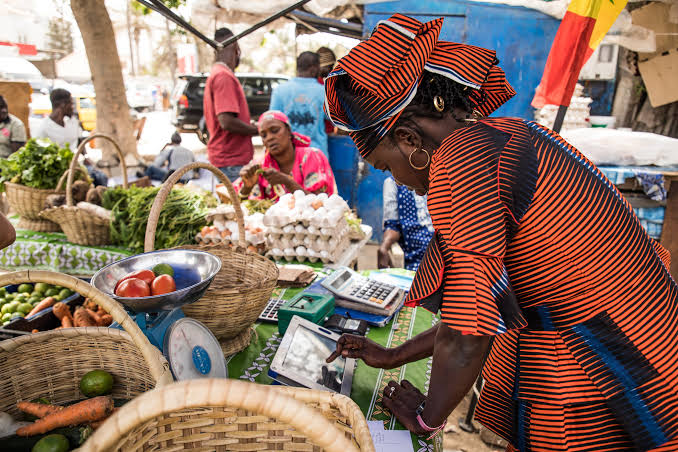




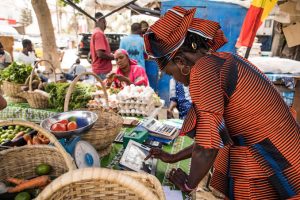


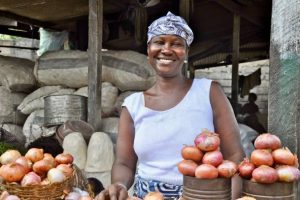


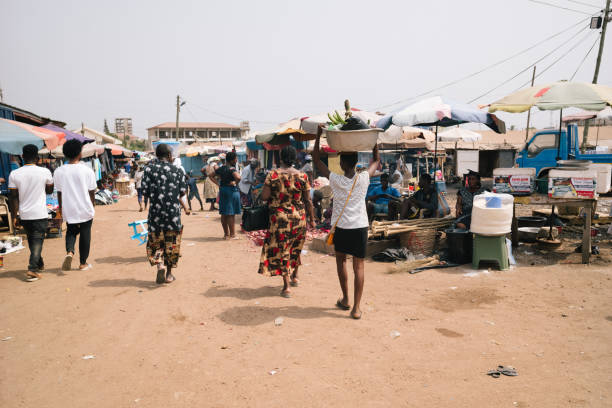
Ghana and Africa as a whole are experiencing a transformative period in 2026, with a multitude of market opportunities emerging across sectors, driven by demographic growth, urbanization, technology adoption, regional integration, and policy reforms. For investors, entrepreneurs, and established businesses, recognizing and leveraging these opportunities is essential for sustainable growth.
While traditional markets such as agriculture, energy, and natural resources continue to offer significant potential, new sectors—including digital services, fintech, e-commerce, renewable energy, logistics, and healthcare—are rapidly expanding. Understanding these emerging opportunities requires a nuanced view of economic trends, consumer behavior, government initiatives, and regional market integration.
Demographic Growth and Consumer Demand
Africa’s population is projected to surpass 1.5 billion in the next decade, with Ghana contributing a steadily growing share. A youthful population, rising urban middle class, and increasing consumer sophistication are creating robust demand for goods and services.
📢 GET DETAILED ARTICLES + JOBS
Join THSB's WhatsApp Channel and never miss a post or opportunity.
This demographic shift is driving opportunities in:
-
Food and beverages, including processed and packaged goods
-
Education and skills development
-
Healthcare services and pharmaceuticals
-
Lifestyle and entertainment
Businesses that align products and services with these demographic trends can capture long-term consumer demand while benefiting from economies of scale.
Agricultural and Agro-Processing Opportunities
Agriculture remains the backbone of Ghana’s economy and much of Africa, yet opportunities are increasingly concentrated in value addition and agro-processing. Raw commodity export alone no longer maximizes returns; processing cocoa, grains, fruits, and vegetables into packaged, ready-to-use products unlocks higher revenue streams.
Emerging opportunities include:
-
Organic and specialty foods
-
Packaged beverages and snacks
-
Food storage and cold chain logistics
-
Agritech solutions for farm management and yield optimization
These sectors also create linkages with technology, logistics, and export markets.
Digital Transformation and Technology-Driven Markets
Digital technology is reshaping markets across Ghana and Africa. Mobile penetration, affordable internet access, and fintech adoption are creating opportunities in areas such as:
-
E-commerce platforms connecting buyers and sellers
-
Mobile payment solutions and digital banking
-
Software development, enterprise solutions, and cloud services
-
Digital marketing and social commerce
Businesses leveraging technology can reach underserved markets, improve efficiency, and scale rapidly across regional borders.
Renewable Energy and Sustainable Solutions
energy access remains a critical constraint in many African markets, but renewable energy solutions are rapidly gaining traction. Ghana is expanding solar, wind, and mini-grid initiatives, while Africa overall seeks sustainable energy alternatives.
Opportunities include:
-
Solar home systems and microgrid deployment
-
Energy-efficient appliances and devices
-
Renewable energy financing and investment
-
Waste-to-energy and bioenergy projects
Sustainable energy markets not only address unmet demand but also align with global investment trends and climate initiatives.
Infrastructure and Logistics Expansion
Urbanization, regional trade integration, and industrial growth have created a pressing need for improved infrastructure and logistics. Market opportunities include:
-
Road, rail, and port development
-
Warehousing and cold storage facilities
-
Last-mile delivery services
-
Supply chain optimization technology
As trade across the African Continental Free Trade Area (AfCFTA) expands, logistics and infrastructure sectors are poised for significant growth.
Healthcare and Pharmaceutical Markets
Healthcare demand is rising in Ghana and across Africa due to population growth, rising incomes, and heightened awareness of quality care. Opportunities exist in:
-
Private hospitals and clinics
-
Diagnostic services and laboratories
-
Pharmaceuticals and medical supplies
-
Health insurance and telemedicine
Investments in these sectors meet both essential needs and evolving consumer expectations.
Financial Services and Fintech Expansion
Financial inclusion continues to improve, driven by mobile money adoption, digital banking, and fintech innovation. Emerging opportunities include:
-
Mobile banking and payment platforms
-
Microloans and SME financing solutions
-
Insurtech and digital insurance services
By offering accessible, convenient, and affordable financial services, businesses can tap into large, previously underserved segments.
Regional Trade and Export Opportunities
Integration through AfCFTA and other regional trade agreements enhances cross-border opportunities. Ghanaian businesses can expand exports of:
-
Processed agricultural products
-
Manufactured goods
-
Services, including ICT, education, and logistics
-
Creative and cultural products
Regional expansion not only increases revenue potential but also reduces reliance on domestic demand cycles.
Consumer Lifestyle and Emerging Middle Class
Rising disposable incomes are reshaping consumption patterns, particularly in urban centers. The emerging middle class seeks:
-
Quality consumer goods and electronics
-
Leisure, entertainment, and tourism experiences
-
Health, fitness, and wellness services
-
Branded lifestyle products
Businesses that understand these aspirations can capture both short-term sales and long-term brand loyalty.
Policy Reforms and Investment Incentives
Governments across Ghana and Africa are introducing policies to attract investment, facilitate business registration, and reduce bureaucratic hurdles. Incentives such as tax breaks, export support, PPP frameworks, and digital infrastructure development create favorable conditions for market entry and expansion.
Firms that monitor regulatory reforms and align with government initiatives gain early mover advantages.
FAQs
What sectors are creating the most opportunities in Ghana and Africa?
Key sectors include agriculture and agro-processing, digital technology, renewable energy, healthcare, logistics, financial services, and consumer lifestyle.
How does the middle class influence market opportunities?
The emerging middle class drives demand for quality goods, services, and lifestyle experiences, creating profitable niches for businesses.
Are there opportunities beyond domestic markets?
Yes. Regional trade through AfCFTA allows Ghanaian businesses to export goods and services across Africa, expanding revenue potential.
How important is technology for new opportunities?
Technology is central. Digital platforms, fintech, e-commerce, and enterprise solutions enable access to underserved markets and operational efficiency.
Do government policies affect emerging opportunities?
Absolutely. Incentives, infrastructure development, and business reforms create favorable conditions for growth and investment.
Source: The High Street Business
Disclaimer: Some content on The High Street Business may be aggregated, summarized, or edited from third-party sources for informational purposes. Images and media are used under fair use or royalty-free licenses. The High Street Business is a subsidiary of SamBoad Publishing under SamBoad Business Group Ltd, registered in Ghana since 2014.
For concerns or inquiries, please visit our Privacy Policy or Contact Page.

Samuel Kwame Boadu is a Ghanaian entrepreneur, writer, and digital consultant passionate about creating impactful stories and business solutions. He is the Founder & CEO of SamBoad Business Group Ltd, a dynamic company with subsidiaries in digital marketing, logistics, publishing, and risk management.