
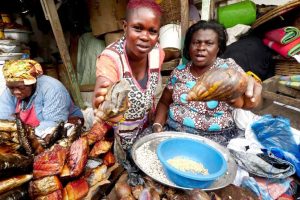

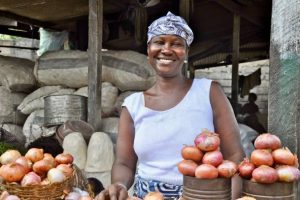




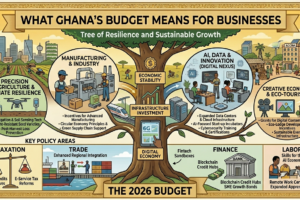

Small and medium-sized enterprises (SMEs) are the engine room of Ghana’s economy. Across trade, agriculture, manufacturing, services, and technology, SMEs form the backbone of economic activity, employment creation, and income generation. In 2026, their role is more critical than ever as Ghana navigates economic restructuring, digital transformation, and regional integration within Africa.
SMEs in Ghana are not simply small versions of large corporations; they operate under unique conditions, respond quickly to market changes, and often bridge gaps left by larger firms. Their collective impact shapes production, consumption, innovation, and resilience across the economy.
Defining SMEs in the Ghanaian Context
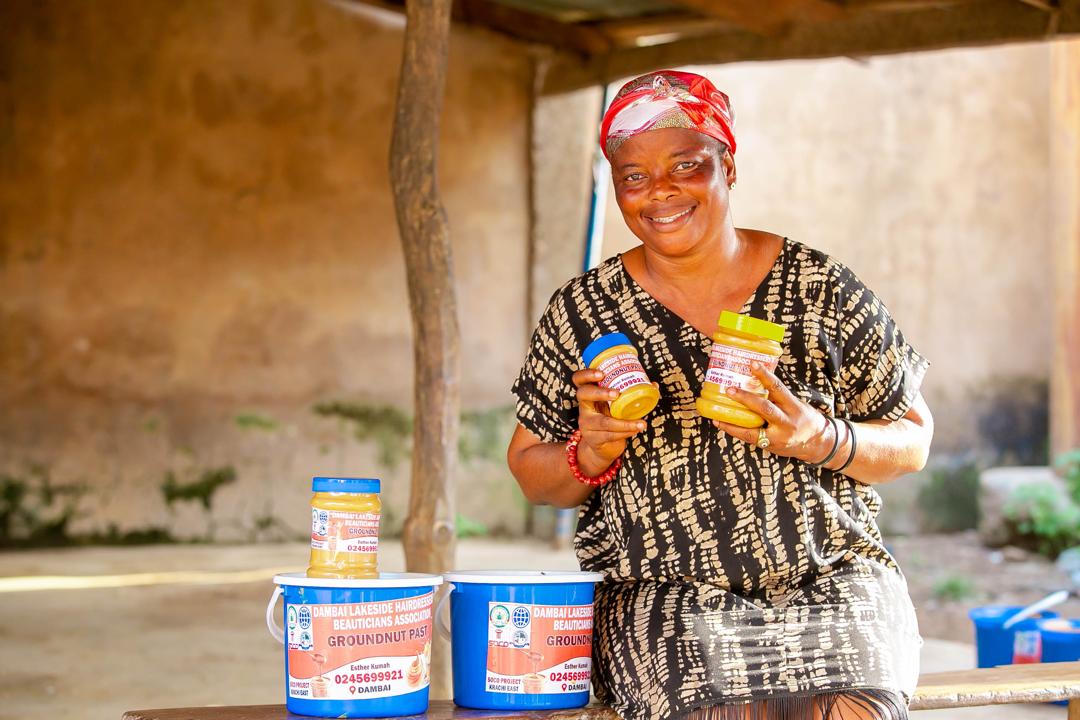
In Ghana, SMEs are generally defined by employment size, turnover, and asset base. They range from micro-enterprises and family-owned businesses to growing medium-scale firms with formal structures and expanding market reach.
📢 GET DETAILED ARTICLES + JOBS
Join THSB's WhatsApp Channel and never miss a post or opportunity.
These enterprises operate across both formal and informal sectors. While many SMEs are registered and regulated, a significant number function informally, contributing meaningfully to economic activity despite limited access to finance, technology, and policy support.
Employment Creation and Income Generation
One of the most important contributions of SMEs to Ghana’s economy is employment. SMEs absorb a large share of the labor force, particularly youth and women, providing livelihoods across urban and rural areas.
By creating jobs in retail, agriculture, transport, construction, hospitality, and services, SMEs help reduce unemployment and underemployment. They also distribute income more broadly across communities, supporting household consumption and local economic circulation.
This employment function makes SMEs essential to social stability and inclusive growth.
Contribution to GDP and Domestic Production
SMEs contribute significantly to Ghana’s gross domestic product through domestic production and service delivery. They dominate sectors such as wholesale and retail trade, food processing, hospitality, logistics, and creative industries.
Local SMEs supply goods and services that meet everyday consumer needs, reducing dependence on imports and supporting domestic value chains. In agriculture, smallholder farmers and agro-based SMEs form the foundation of food supply and raw material sourcing.
As SMEs scale production and improve efficiency, their aggregate contribution strengthens national economic performance.
Driving Innovation and Market Adaptability
SMEs are often the most adaptable players in Ghana’s economy. Their size allows them to respond quickly to changes in consumer demand, price movements, and market disruptions.
Innovation among SMEs may not always be technology-driven; it often involves process improvements, new distribution methods, flexible pricing, and customer-focused service delivery. In recent years, many SMEs have adopted digital tools such as mobile money, social media marketing, and e-commerce platforms to expand reach and improve efficiency.
This adaptability enhances market responsiveness and competitiveness across sectors.
Strengthening the Informal–Formal Market Link
SMEs play a critical role in linking Ghana’s informal and formal economies. Informal SMEs supply goods and services to formal businesses, while formal SMEs often source labor, inputs, and distribution networks from informal operators.
This interaction supports economic flexibility and resilience. As policies encourage gradual formalization through incentives rather than enforcement, SMEs act as a bridge that integrates informal activity into the formal economic system.
Supporting Regional and Rural Economies
Beyond major cities, SMEs are vital to regional and rural economic development. They stimulate local markets, add value to agricultural output, and reduce rural-urban migration by creating opportunities closer to home.
Rural SMEs involved in agro-processing, storage, transport, and retail help stabilize food supply and prices. Their presence strengthens regional economies and promotes balanced national development.
Access to Finance and Capital Formation
Access to finance remains one of the greatest challenges for SMEs in Ghana, yet it also highlights their importance within the financial system. Banks, microfinance institutions, fintech platforms, and development finance initiatives increasingly target SMEs as growth drivers.
When SMEs gain access to credit, they invest in equipment, technology, and workforce expansion, contributing to capital formation and productivity growth. Improved financial inclusion strengthens SME sustainability and economic impact.
SMEs and Export Potential
While many SMEs focus on domestic markets, their role in exports is expanding. SMEs engaged in agro-processing, manufacturing, creative industries, and services are increasingly participating in regional trade.
The African Continental Free Trade Area (AfCFTA) presents opportunities for Ghanaian SMEs to access larger markets, diversify revenue sources, and scale operations. Export-ready SMEs contribute foreign exchange earnings and enhance Ghana’s competitiveness.
Resilience During Economic Shocks
SMEs have demonstrated resilience during economic disruptions. Their flexibility allows them to adjust operations, diversify offerings, and maintain continuity under challenging conditions.
This resilience supports economic stability, ensuring continued supply of essential goods and services even during periods of uncertainty. SMEs often serve as shock absorbers within the economy.
Policy Environment and SME Development
Government policies increasingly recognize SMEs as central to economic development. Initiatives focused on skills development, digitalization, access to finance, and market access aim to strengthen SME capacity.
While challenges remain—such as regulatory complexity, infrastructure gaps, and high operating costs—continued policy support enhances SME contribution to growth and innovation.
Long-Term Economic Impact
Over the long term, SMEs are essential to Ghana’s transition toward a diversified, resilient, and inclusive economy. They nurture entrepreneurship, develop local talent, and create pathways for business growth from micro-enterprise to large-scale operations.
A strong SME sector underpins sustainable development, domestic value creation, and economic sovereignty.
FAQs
Why are SMEs important to Ghana’s economy?
They create jobs, generate income, support domestic production, and drive innovation across sectors.
Do SMEs contribute significantly to employment?
Yes. SMEs employ a large portion of Ghana’s workforce, especially youth and women.
What challenges do SMEs face in Ghana?
Key challenges include limited access to finance, infrastructure constraints, regulatory complexity, and market access barriers.
How do SMEs support regional development?
They create local jobs, add value to agricultural output, and stimulate regional economic activity.
Can SMEs compete in regional markets?
With the right support and capacity, SMEs can leverage AfCFTA to expand exports and regional trade.
Source: The High Street Business
Disclaimer: Some content on The High Street Business may be aggregated, summarized, or edited from third-party sources for informational purposes. Images and media are used under fair use or royalty-free licenses. The High Street Business is a subsidiary of SamBoad Publishing under SamBoad Business Group Ltd, registered in Ghana since 2014.
For concerns or inquiries, please visit our Privacy Policy or Contact Page.

Samuel Kwame Boadu is a Ghanaian entrepreneur, writer, and digital consultant passionate about creating impactful stories and business solutions. He is the Founder & CEO of SamBoad Business Group Ltd, a dynamic company with subsidiaries in digital marketing, logistics, publishing, and risk management.