








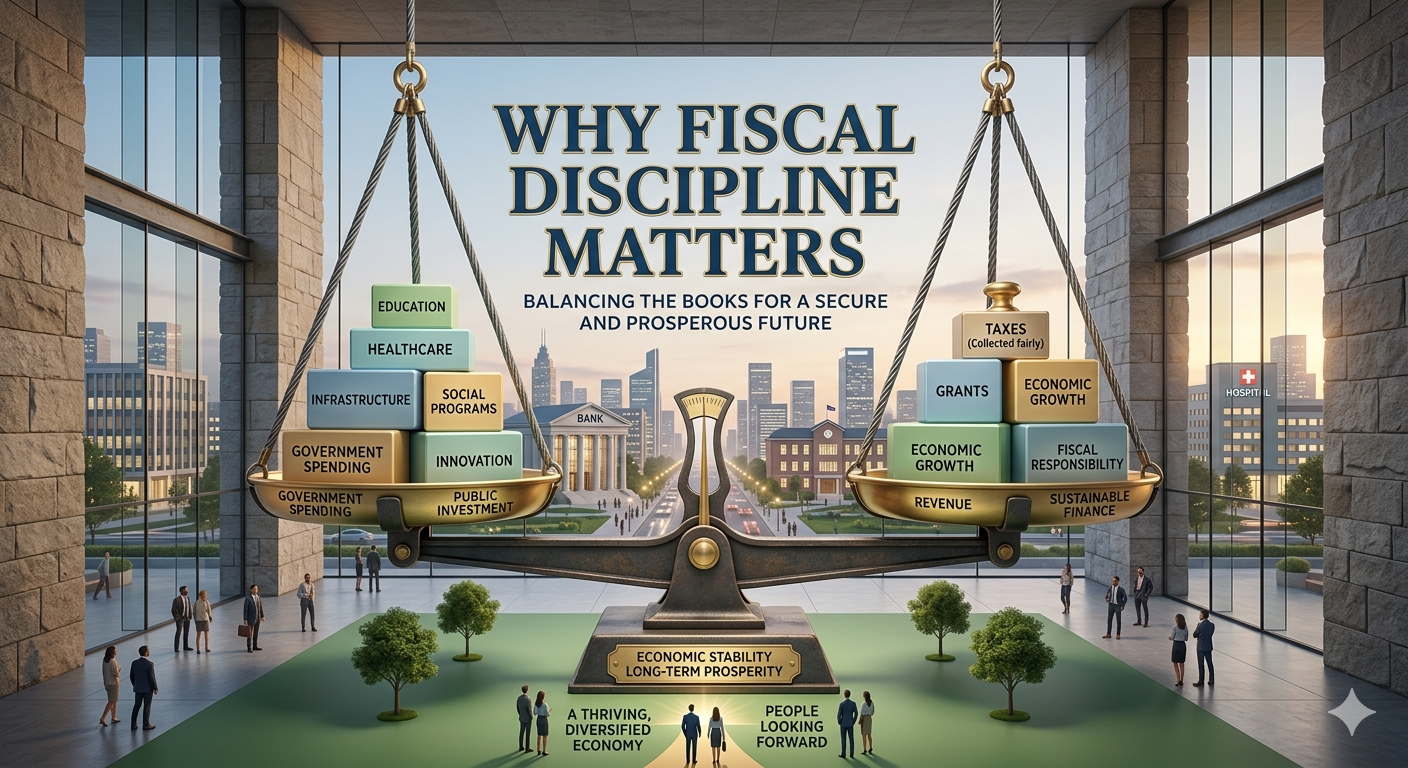
Why Fiscal Discipline Matters – Fiscal discipline is key to economic stability and sustainable growth. Here’s why managing government spending and debt matters for businesses and everyday life in Ghana.
Why Fiscal Discipline Matters
Fiscal discipline refers to how well a government manages its spending, revenue, and debt. In Ghana, maintaining fiscal discipline has become a central focus for policymakers, especially in collaboration with institutions like the International Monetary Fund. For businesses and households alike, disciplined public finances can mean lower inflation, stable currency, and a more predictable economic environment.
Understanding Fiscal Discipline
At its core, fiscal discipline is about balance: ensuring that government spending does not consistently exceed revenue. When governments spend responsibly and avoid excessive borrowing, they create a stable foundation for economic growth.
📢 GET DETAILED ARTICLES + JOBS
Join THSB's WhatsApp Channel and never miss a post or opportunity.
In contrast, persistent budget deficits can lead to rising debt levels, putting pressure on the economy and limiting future policy options.
Controlling Debt Levels
One of the most important reasons fiscal discipline matters is its impact on national debt. When governments borrow heavily to finance spending, debt can quickly accumulate.
High debt levels mean a larger portion of government revenue goes into servicing loans rather than funding development projects. In Ghana, debt sustainability has been a major concern in recent years, prompting efforts to restructure obligations and reduce fiscal pressures.
By maintaining discipline, governments can keep debt at manageable levels and free up resources for productive investments.
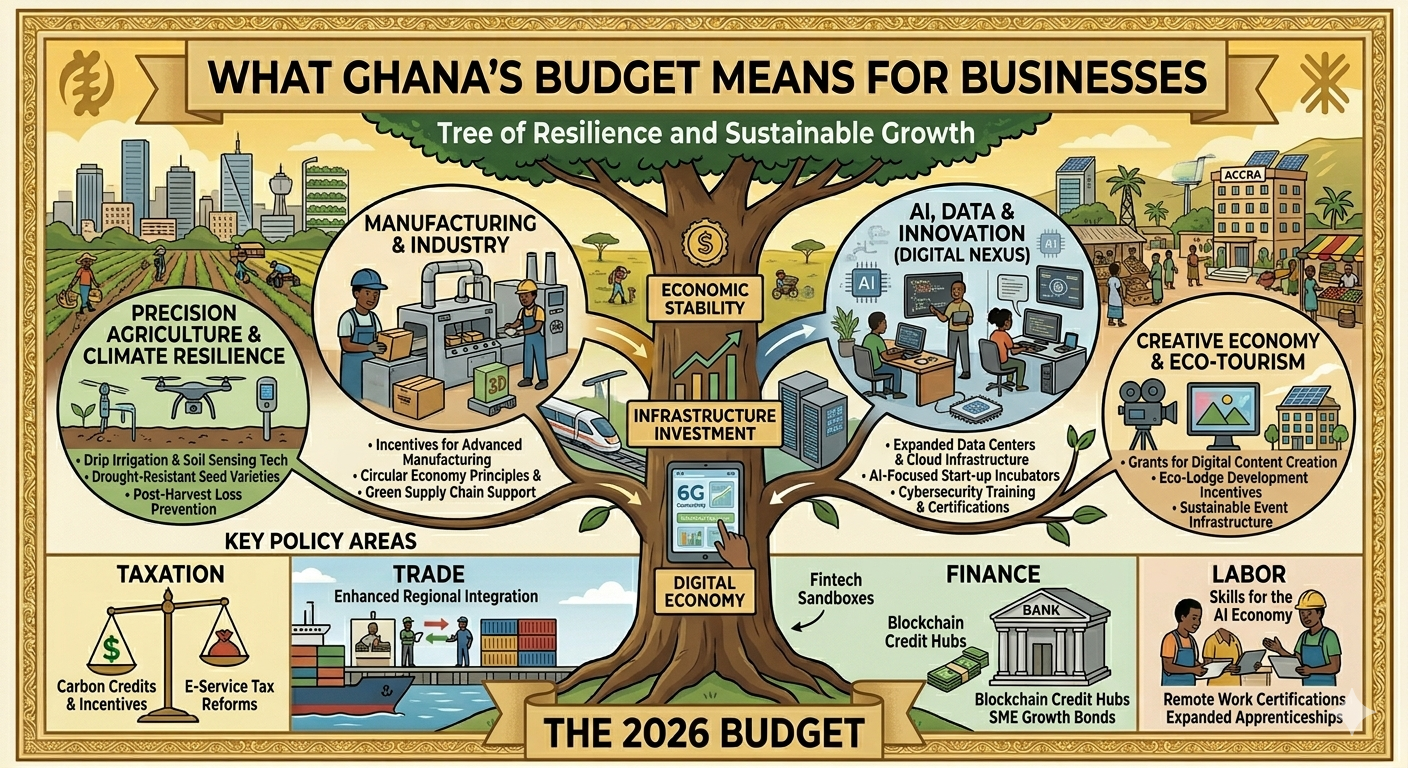
READ ALSO: What Ghana’s Budget Means For Business
Stabilising Inflation
Fiscal discipline also plays a key role in controlling inflation. Excessive government spending, especially when financed by borrowing or money creation, can increase demand in the economy and drive up prices.
When inflation rises, the cost of living increases, affecting households and reducing purchasing power. Businesses also face higher operating costs, from raw materials to wages.
Disciplined fiscal policies, combined with measures from the Bank of Ghana, help keep inflation in check and maintain price stability.
Supporting a Stable Currency
The value of the Ghanaian cedi is closely linked to fiscal performance. When investors see that a government is managing its finances responsibly, confidence in the economy improves.
This can help stabilise the currency, making imports more affordable and reducing uncertainty for businesses that rely on foreign goods.
On the other hand, weak fiscal discipline can lead to currency depreciation, increasing the cost of imports and putting pressure on inflation.
Encouraging Investment and Growth
Investors, both local and international, pay close attention to a country’s fiscal health. A disciplined fiscal environment signals stability, making it more attractive for investment.
When businesses are confident that economic policies are sustainable, they are more likely to expand operations, hire workers, and commit to long-term projects.
In Ghana, efforts to strengthen fiscal discipline are often tied to broader goals of boosting private sector growth and attracting foreign direct investment.
Protecting Future Generations
Fiscal discipline is not just about the present, it also affects the future. Excessive borrowing today can create a burden for future generations, who may face higher taxes or reduced public services as governments try to repay debts.
By managing resources responsibly, governments can ensure that future generations inherit a stable and resilient economy.
Building Credibility with Global Partners
Maintaining fiscal discipline is also important for relationships with international partners. Institutions like the International Monetary Fund and the World Bank often support countries that demonstrate commitment to sound economic management.
For Ghana, strong fiscal policies can unlock financial support, technical assistance, and investor confidence, all of which contribute to economic recovery and growth.
RELATED: How Government Policies Shape The Economy
The Challenge of Balancing Priorities
Achieving fiscal discipline is not always easy. Governments must balance the need to invest in development, such as infrastructure, education, and healthcare, with the need to control spending and reduce deficits.
During economic downturns, this balance becomes even more difficult, as revenues may fall while demands for public support increase.
The key lies in efficient spending, improved revenue collection, and long-term planning.
Conclusion From THSB
Fiscal discipline is a cornerstone of economic stability. It helps control debt, manage inflation, stabilise the currency, and build investor confidence.
For Ghana, maintaining disciplined public finances is essential not only for current economic recovery but also for long-term prosperity. As policymakers continue to navigate complex economic challenges, fiscal discipline remains a critical tool for ensuring sustainable growth and a more resilient economy.
Source: The High Street Business
Disclaimer: Some content on The High Street Business may be aggregated, summarized, or edited from third-party sources for informational purposes. Images and media are used under fair use or royalty-free licenses. The High Street Business is a subsidiary of SamBoad Publishing under SamBoad Business Group Ltd, registered in Ghana since 2014.
For concerns or inquiries, please visit our Privacy Policy or Contact Page.

Esther Aku-Sika is a content writer and social media strategist who helps brands and startups grow through intentional storytelling and practical marketing strategies. With a keen eye for trends and audience behavior, she shares business insights, content strategies, and real-life lessons to help entrepreneurs build visibility and turn ideas into income. Through her writing, she simplifies complex concepts and equips readers with actionable steps to grow in today’s digital space.