







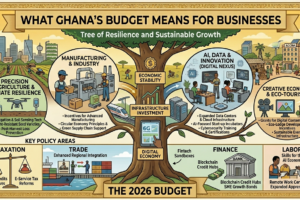

Ghana’s market structure in 2026 reflects a complex, evolving ecosystem shaped by policy reforms, private sector growth, regional trade integration, digital transformation, and a resilient informal economy. For businesses, investors, policymakers, and entrepreneurs, understanding how Ghana’s markets are structured is no longer optional—it is essential for sustainability, scalability, and competitiveness.
Unlike purely liberal or state-controlled economies, Ghana operates a mixed market system where public institutions, private enterprises, multinational corporations, SMEs, cooperatives, and informal traders coexist. This hybrid structure allows flexibility and innovation while maintaining strategic state oversight in key sectors. As Ghana continues to position itself as a West African commercial hub, the structure of its markets determines pricing, competition, access, and long-term growth.
Ghana’s Mixed Market Economy Explained
At the core of Ghana’s market structure is a mixed economy, blending free-market principles with government regulation and participation. The private sector drives most economic activity, particularly in commerce, services, manufacturing, agriculture, and technology. However, the government maintains a strong presence in strategic industries such as energy, water, transportation infrastructure, natural resources, and financial regulation.
📢 GET DETAILED ARTICLES + JOBS
Join THSB's WhatsApp Channel and never miss a post or opportunity.
This balance ensures market efficiency while safeguarding public interest. In 2026, Ghana’s regulatory environment emphasizes competition, consumer protection, and financial stability, while encouraging private capital, innovation, and entrepreneurship.
The Formal Market Sector
The formal market sector consists of registered businesses operating under Ghanaian law. These include:
-
Private limited liability companies
-
Multinational corporations
-
Regulated financial institutions
-
Licensed manufacturers and exporters
This segment is governed by institutions such as the Registrar-General’s Department, Ghana Revenue Authority, Bank of Ghana, Securities and Exchange Commission, and sector-specific regulators.
In 2026, formal markets in Ghana are increasingly digitized, with electronic tax filing, digital payments, corporate governance frameworks, and compliance-driven operations becoming the norm. Formal markets benefit from access to credit, export incentives, government contracts, and regional trade frameworks such as the African Continental Free Trade Area (AfCFTA).
The Informal Market Economy
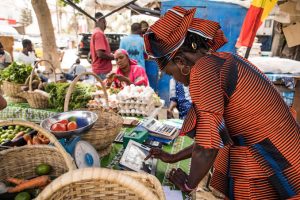
One of the defining features of Ghana’s market structure is the size and resilience of the informal sector. Informal markets include:
-
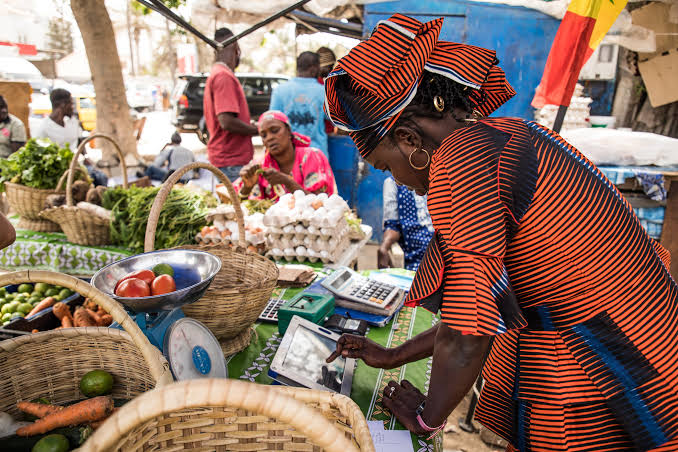
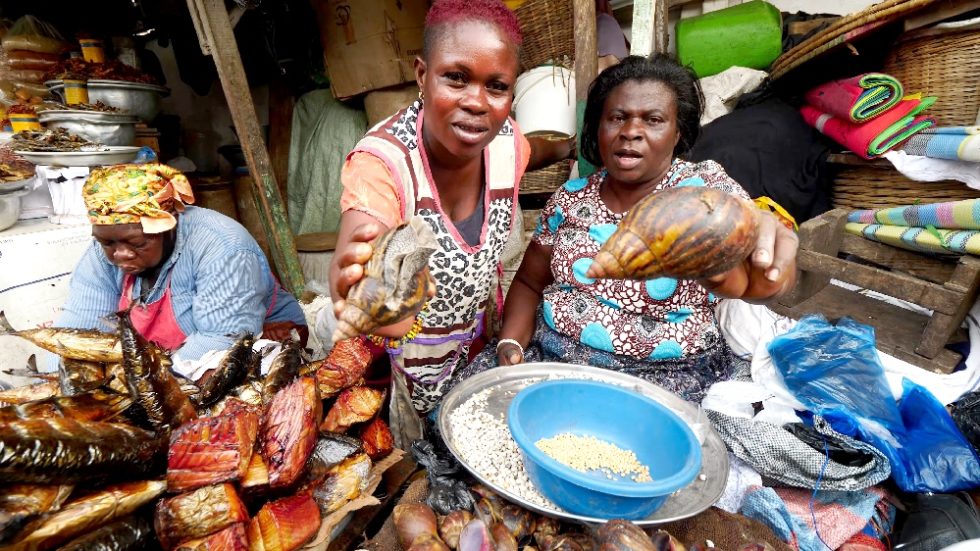
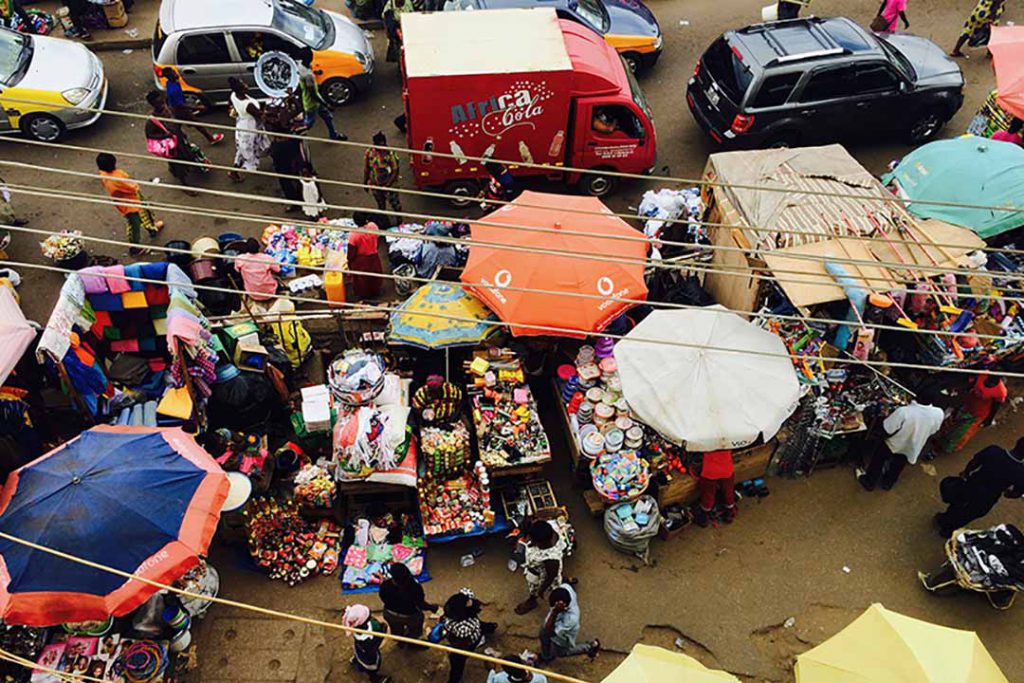
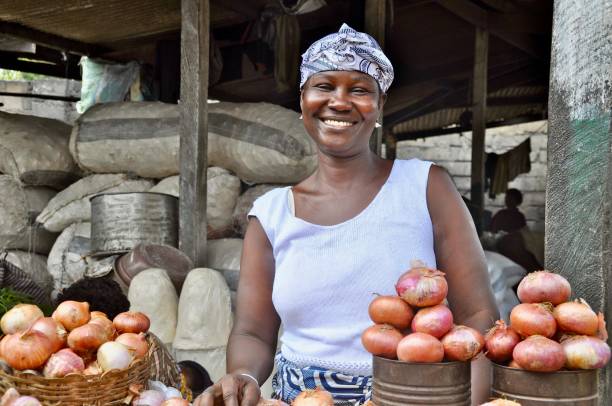
Open markets and street trading
-
Small-scale artisans and craftsmen
-
Informal transport operators
-
Home-based enterprises
-
Unregistered retail and service providers
Despite limited regulation, the informal sector remains a major employer and contributor to domestic trade. In 2026, informal markets continue to serve as entry points for entrepreneurship, particularly for youth and women.
Government policy increasingly focuses on formalization without disruption, offering incentives such as simplified business registration, mobile money integration, digital marketplaces, and microcredit access rather than punitive enforcement.
Public Sector and State-Owned Enterprises
The public sector plays a stabilizing role within Ghana’s market structure. State-owned enterprises (SOEs) operate in areas considered essential to national development, including:
-
Water supply
-
Ports and logistics
-
Rail and road infrastructure
-
Cocoa marketing and mineral oversight
These entities do not eliminate competition but often operate alongside private firms under regulatory frameworks. In 2026, public-private partnerships (PPPs) are a key feature of Ghana’s market structure, particularly in infrastructure development and service delivery.
Financial Markets and Capital Structure
Ghana’s financial market structure underpins business activity across all sectors. It includes:
-
Commercial and development banks
-
Microfinance institutions
-
Fintech and digital financial services
The Ghana Stock Exchange supports capital formation, while fintech platforms expand access to payments, savings, credit, and investment products. In 2026, digital finance plays a critical role in bridging formal and informal markets, improving liquidity, and enhancing market transparency.
Interest rate policies, currency stability, and regulatory oversight by the Bank of Ghana influence pricing, investment flows, and consumer confidence across the economy.
Product and Commodity Markets
Ghana’s commodity markets remain central to its economic structure. Key commodities include cocoa, gold, oil, bauxite, manganese, timber, and agricultural produce. These markets operate through a combination of regulated pricing systems, international trade agreements, and private sector participation.
Cocoa, for example, remains under a structured marketing system, while gold and oil operate under licensing and revenue-sharing frameworks. In 2026, value addition and local processing increasingly shape market dynamics, shifting Ghana’s role from raw exporter to industrial participant.
Consumer Markets and Retail Structure
Ghana’s consumer markets are segmented across income levels, geography, and purchasing behavior. Traditional markets coexist with modern retail outlets, shopping malls, e-commerce platforms, and direct-to-consumer models.
Urbanization, mobile connectivity, and changing consumer preferences have transformed retail structures. In 2026, digital commerce, logistics platforms, and social commerce influence pricing, distribution, and competition across consumer markets.
Competition and Market Regulation
Competition policy is a critical pillar of Ghana’s market structure. Regulatory bodies oversee fair pricing, consumer protection, quality standards, and ethical conduct. While market liberalization encourages entry, regulation ensures stability and trust.
In 2026, regulatory reforms continue to improve ease of doing business while protecting consumers and small enterprises from market distortions and monopolistic practices.
Regional and Global Market Integration
Ghana’s markets are increasingly interconnected with regional and global systems. AfCFTA has strengthened Ghana’s role as a trade gateway, attracting logistics firms, manufacturers, and service providers.
This integration influences domestic market structure by increasing competition, standardization, and cross-border trade opportunities. Businesses operating in Ghana must now consider both domestic and continental market dynamics.
Digital Transformation and Market Evolution
Digitalization cuts across all segments of Ghana’s market structure. From mobile money to e-commerce, agritech, insurtech, and enterprise software, technology reshapes how markets operate.
In 2026, data, platforms, and digital infrastructure are no longer auxiliary—they are core components of market efficiency, pricing mechanisms, and customer engagement.
FAQs
What type of market economy does Ghana operate?
Ghana operates a mixed market economy combining private enterprise with government regulation and strategic public sector participation.
Why is the informal sector important in Ghana’s market structure?
The informal sector provides employment, entrepreneurship opportunities, and domestic trade activity, making it a vital component of economic resilience.
How does government regulation affect markets in Ghana?
Regulation ensures consumer protection, fair competition, financial stability, and public interest without eliminating private sector participation.
What role does AfCFTA play in Ghana’s market structure?
AfCFTA integrates Ghana into continental trade networks, influencing competition, market access, and investment flows.
How is digitalization changing Ghana’s markets in 2026?
Digital tools improve access to finance, expand market reach, enhance efficiency, and connect formal and informal sectors.
Source: The High Street Business
Disclaimer: Some content on The High Street Business may be aggregated, summarized, or edited from third-party sources for informational purposes. Images and media are used under fair use or royalty-free licenses. The High Street Business is a subsidiary of SamBoad Publishing under SamBoad Business Group Ltd, registered in Ghana since 2014.
For concerns or inquiries, please visit our Privacy Policy or Contact Page.

Samuel Kwame Boadu is a Ghanaian entrepreneur, writer, and digital consultant passionate about creating impactful stories and business solutions. He is the Founder & CEO of SamBoad Business Group Ltd, a dynamic company with subsidiaries in digital marketing, logistics, publishing, and risk management.