



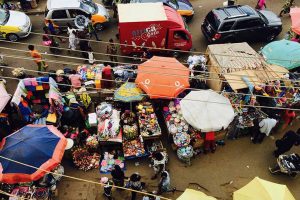



Foreign exchange (forex) has always played a central role in Ghana’s economic stability. Whether for imports, travel, business operations, or remittances, the demand for foreign currency—especially the US dollar—remains high, remarked a writer at Accra Street Journal. Despite government regulations, Bank of Ghana directives, and the presence of licensed forex bureaus, the black market (also known as the parallel market) continues to dominate forex transactions in many parts of the country.
But why does this underground system endure? Why do individuals and businesses still prefer black market dealers despite the associated risks? This editorial by The High Street Business explores the economic realities, systemic challenges, and behavioural motivations that keep the black market alive in Ghana.
A Longstanding Issue Rooted in Demand and Supply Imbalances
The fundamental reason the black market thrives is simple: demand outstrips formal supply. Ghana’s economy heavily relies on imports—fuel, machinery, electronics, food, pharmaceuticals, and raw materials. Every sector requires forex.
📢 GET DETAILED ARTICLES + JOBS
Join THSB's WhatsApp Channel and never miss a post or opportunity.
When demand is consistently higher than supply, the official market struggles to meet needs, pushing buyers toward alternative sources.

Key Drivers of Excessive Demand
-
Import-dependent economy
-
High reliance on US dollars for business transactions
-
International school fees and travel expenses
-
Corporate obligations and trade settlements
-
Rising online commerce and global payments
Official channels cannot always supply enough forex at the time individuals or businesses need it. The black market fills that gap.
Regulatory Constraints That Limit Access to Forex
Licensed forex bureaus operate under strict Bank of Ghana regulations. They must:
-
Record every transaction
-
Require valid ID
-
Adhere to fixed spreads
-
Report suspicious activity
-
Source dollars only from approved channels
While these rules protect the financial system, they also slow down access and create bottlenecks. When people cannot get the currency they need quickly and conveniently, they turn to the parallel market.
The black market, on the other hand:
-
Has no paperwork requirements
-
Operates anytime, anywhere
-
Provides instant access
-
Has flexible pricing
-
Allows large-volume transactions
This convenience is a powerful incentive.
The Influence of Exchange Rate Volatility
Ghana’s exchange rate has been volatile over the years due to inflation, fiscal pressures, debt servicing obligations, and external shocks. This volatility creates an environment where:
-
People hoard dollars
-
Businesses buy excess forex for future needs
-
Speculators exploit price movements
-
Demand spikes quickly
In such conditions, the official market sometimes adjusts too slowly to reflect real-time pricing. The black market responds immediately to demand and supply. For traders, this flexibility makes it a preferred option.
Pricing Advantages and the Reality of Better Rates
Black market dealers often offer better or more realistic exchange rates that reflect market pressure. For many customers:
-
A slightly better buy rate
-
A more favourable selling rate
-
The ability to negotiate rates
…makes the parallel market more attractive than formal bureaus bound by Bank of Ghana pricing guidelines.
Even if the difference is small, businesses dealing in large amounts can save thousands of cedis by buying or selling through the black market.
The Accessibility Factor: A Market That Meets People Where They Are
Licensed forex bureaus mostly operate:
-
Within business districts
-
During formal working hours
-
With capped transaction limits
Conversely, the black market operates:
-
On the streets
-
At bus stations
-
In markets
-
Through phone calls and WhatsApp
-
24/7 availability
This makes black market forex extremely accessible, particularly for:
-
Traders
-
Travellers
-
Small business owners
-
Individuals needing quick, last-minute currency
Accessibility is one of the biggest reasons the black market refuses to die.
Lack of Confidence in Official Systems
Periods of currency instability have led many Ghanaians to distrust official rates. When the cedi depreciates rapidly, the public often believes that the official rate does not reflect real value.
This perception encourages:
-
Dollar hoarding
-
Panic buying
-
Parallel market patronage
The black market becomes a place where people feel they can secure the “real price,” even if legally risky.
Speculation and Arbitrage: A Lucrative Informal Business
Black market forex trading has become a full-time job for many people. Traders profit from:
-
Buying low and selling high
-
Anticipating daily rate movements
As long as exchange rate differences exist, arbitrage opportunities will continue to fuel the underground market.
Documentation and Bureaucracy Turn People Away
Banks and licensed forex bureaus are required to document:
-
Purpose of forex purchase
-
KYC (Know Your Customer) verification
-
Transaction source
-
Supporting documentation like invoices, tickets, or bank statements
While necessary for regulation, this complexity pushes customers to the informal market, where such requirements do not exist.
International Transactions and Digital Restrictions
Many online transactions require card payments in dollars. When:
-
Local cards fail
-
Banks decline transactions
-
Dollar cards hit limits
-
Payment systems block Ghanaian accounts
People resort to black market forex to buy physical dollars or load foreign virtual cards via unofficial routes.
This digital gap further strengthens the parallel system.
The Cultural and Historical Entrenchment of Street Forex Trading
The black market isn’t new. For decades, “currency men” and “street forex dealers” have operated across Accra, Kumasi, Takoradi, and major border towns. They have built:
-
Networks
-
Loyal clients
-
Word-of-mouth trust
-
Fast delivery systems
The longevity of their operations makes the black market deeply embedded in Ghana’s financial culture.
Government Crackdowns Have Limited Impact
Occasional reform attempts—such as police raids, Bank of Ghana warnings, or currency stabilization programs—have not eliminated the black market because:
-
The root causes remain unresolved
-
Forex demand stays high
-
Supply remains insufficient
-
Traders adapt quickly
Until the underlying economics change, crackdowns only slow but never stop the trade.
Long-Term Implications for the Economy
The persistence of the black market has consequences:
-
Increased exchange rate volatility
-
Reduced confidence in the cedi
-
Harder central bank policy enforcement
-
Distorted real exchange rate signals
-
Informal sector growth outside regulation
-
Potential for money laundering risks
Despite these challenges, the market continues because it meets immediate needs the formal system struggles to satisfy.
Why the Black Market Will Continue Thriving—for Now
As long as Ghana experiences:
-
Currency depreciation
-
Forex shortages
-
High import dependency
-
Regulatory limitations
-
Digital transaction barriers
-
Competitive pricing gaps
…the black market will remain active.
Only structural reforms—improved export earnings, stronger reserves, efficient documentation processes, and better digital infrastructure—can reduce reliance on parallel forex trading.
FAQs
1. Is black market forex illegal in Ghana?
Yes. Only licensed forex bureaus and banks are authorized to trade foreign currency.
2. Why do people still prefer the black market?
They prefer it for convenience, better rates, quick access, and fewer documentation requirements.
3. Does the black market affect the cedi?
Yes. It contributes to volatility by creating alternative pricing pressures.
4. Can the government eliminate the black market completely?
Not without addressing root causes such as forex shortages, regulatory bottlenecks, and accessibility issues.
5. Who mostly uses black market forex?
Small businesses, importers, travellers, speculators, and individuals needing quick USD access.
Source: The High Street Business
Disclaimer: Some content on The High Street Business may be aggregated, summarized, or edited from third-party sources for informational purposes. Images and media are used under fair use or royalty-free licenses. The High Street Business is a subsidiary of SamBoad Publishing under SamBoad Business Group Ltd, registered in Ghana since 2014.
For concerns or inquiries, please visit our Privacy Policy or Contact Page.
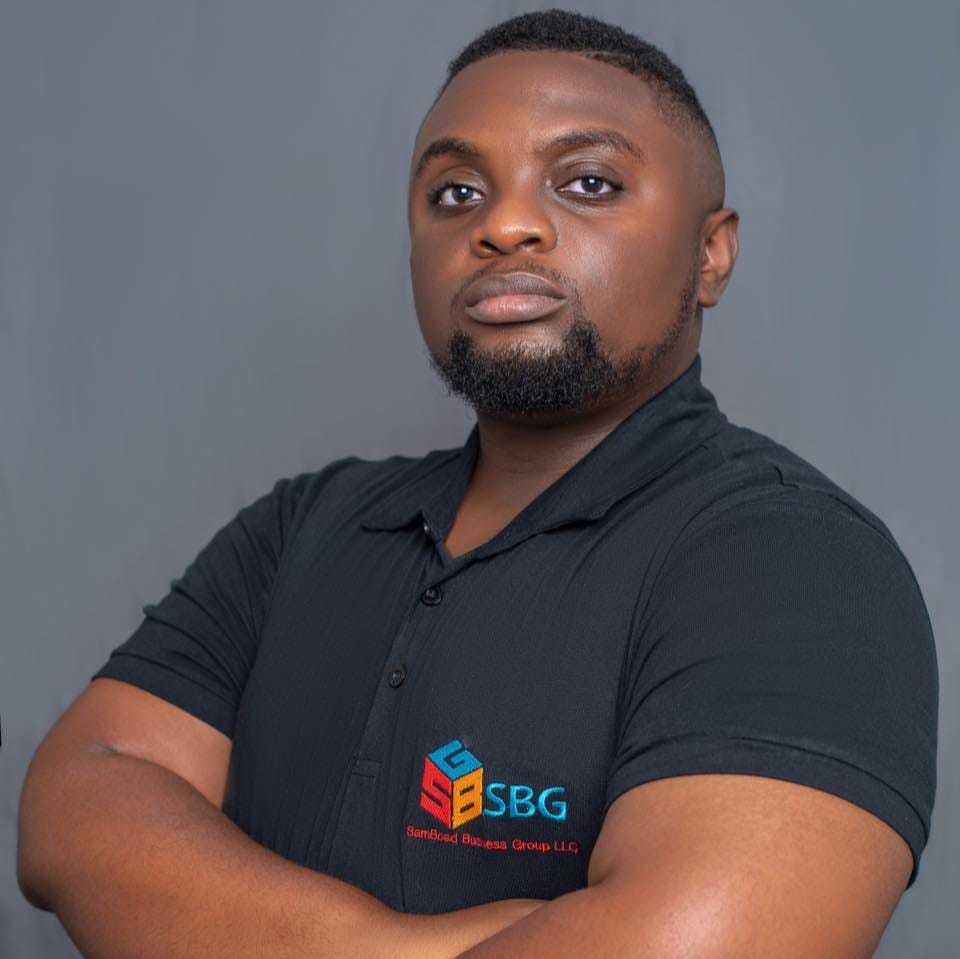
Samuel Kwame Boadu is a Ghanaian entrepreneur, writer, and digital consultant passionate about creating impactful stories and business solutions. He is the Founder & CEO of SamBoad Business Group Ltd, a dynamic company with subsidiaries in digital marketing, logistics, publishing, and risk management.