

Ghana’s economic journey has been marked by ambition, resilience, reform, and repeated adjustment. Over decades, the country has experienced cycles of optimism and restraint, growth and correction, expansion and stabilisation. These patterns offer lessons—lessons that are long-term in nature and cannot be ignored if Ghana is to build a more stable and prosperous economy.
At The High Street Business, we believe that economic progress is not defined by isolated successes but by the ability to learn consistently from past outcomes. Ghana’s history provides clarity on what works, what fails, and what must change.
Lesson One: Stability Matters More Than Short-Term Growth
One of the clearest lessons from Ghana’s economic history is that stability outweighs rapid growth. Periods of strong expansion have often been followed by painful corrections when growth was not anchored in productivity, exports, and fiscal discipline.
📢 GET DETAILED ARTICLES + JOBS
Join THSB's WhatsApp Channel and never miss a post or opportunity.
Short-term gains driven by borrowing, commodity windfalls, or consumption spikes rarely translate into lasting prosperity. Stability—built through disciplined policy, diversified revenue, and predictable governance—creates the foundation for sustainable growth.
Economic planning must prioritise durability over speed.
Lesson Two: Economic Discipline Cannot Be Optional
Fiscal and monetary discipline are not ideological choices; they are economic necessities. Ghana’s repeated encounters with fiscal stress underline the cost of delayed discipline.
When spending consistently outpaces revenue, adjustment becomes inevitable—and often disruptive. The lesson is clear: discipline applied early is less painful than correction imposed later.
Long-term economic success depends on institutions that enforce discipline regardless of political cycles.
Lesson Three: Diversification Is Central to Resilience
Overreliance on a narrow set of commodities has exposed Ghana to external shocks. While natural resources provide revenue, they cannot sustain long-term development alone.
Economic diversification—across sectors, exports, and value chains—is essential for resilience. Countries that broaden their productive base are better positioned to absorb global shocks and sustain growth.
Diversification is not an aspiration; it is a survival strategy.
Lesson Four: Policy Consistency Builds Credibility
Economic policies lose effectiveness when they change unpredictably. Ghana’s experience shows that even well-designed policies struggle when consistency is lacking.
Credibility is built through continuity, transparency, and institutional strength. Businesses and investors respond not only to policy content but to confidence in its durability.
Long-term planning thrives in environments where rules are stable and expectations are clear.
Lesson Five: Private Sector Growth Is Non-Negotiable
No economy can grow sustainably without a strong private sector. Ghana’s economic history demonstrates that public-sector-led growth has limits.
The private sector drives innovation, employment, productivity, and competitiveness. Long-term growth requires an environment where businesses can thrive without excessive uncertainty or administrative burden.
Empowering the private sector is not a concession; it is an economic imperative.
Lesson Six: Productivity, Not Consumption, Drives Prosperity
Consumption can support short-term growth, but productivity determines long-term prosperity. Economies that rely heavily on consumption without increasing output eventually face inflationary pressures and external imbalances.
Ghana must continue shifting focus toward productivity—through skills development, technology adoption, and efficient infrastructure.
Rising productivity supports higher incomes, competitiveness, and sustainable demand.
Lesson Seven: Institutions Matter More Than Policies Alone
Strong institutions outlast individual policies. Ghana’s experience shows that policies without effective institutions often underperform.
Institutions ensure continuity, enforcement, and accountability. They reduce uncertainty and build trust across the economy.
Long-term economic success depends on institutions that function consistently, transparently, and independently.
Lesson Eight: Human Capital Is the Ultimate Asset
Infrastructure and capital investment matter, but human capital drives innovation and adaptability. Ghana’s youthful population is a long-term advantage only if skills development keeps pace with economic needs.
Education, training, and workforce productivity are central to competitiveness. Countries that invest in people build economies that adapt rather than stagnate.
Human capital development must remain a long-term priority.
Lesson Nine: External Shocks Are Inevitable—Preparedness Is a Choice
Global economic shocks—commodity price swings, financial crises, pandemics—are inevitable. Ghana’s economic history confirms this.
What differs is preparedness. Economies with buffers, diversified exports, and flexible institutions recover faster and with less disruption.
Preparedness turns shocks into challenges rather than crises.
Lesson Ten: Confidence Is a Long-Term Economic Asset
Confidence underpins investment, innovation, and growth. It is built through consistency, credibility, and trust.
Repeated cycles of uncertainty erode confidence, while sustained stability strengthens it. Confidence cannot be restored overnight, but it can be preserved through disciplined long-term decision-making.
Economic leadership must recognise confidence as a strategic asset.
The Path Forward
Ghana’s economic lessons are not theoretical. They are grounded in lived experience. Ignoring them risks repeating costly cycles; learning from them offers a path to stability and growth.
Long-term economic progress requires patience, discipline, and institutional strength. It requires resisting short-term pressures in favour of enduring outcomes.
At The High Street Business, we believe Ghana’s future depends not on discovering new lessons, but on applying those already learned.
FAQs
Why are long-term economic lessons important for Ghana?
They help prevent repeated cycles of instability and support sustainable growth.
Has Ghana learned from past economic challenges?
Progress has been made, but consistent application of lessons remains essential.
What is the most important long-term lesson?
That stability and discipline matter more than short-term growth.
Can Ghana achieve sustainable growth?
Yes, by applying long-term lessons consistently and strengthening institutions.
Who plays the biggest role in applying these lessons?
Government, businesses, and institutions all share responsibility.
Source: The High Street Business
Disclaimer: Some content on The High Street Business may be aggregated, summarized, or edited from third-party sources for informational purposes. Images and media are used under fair use or royalty-free licenses. The High Street Business is a subsidiary of SamBoad Publishing under SamBoad Business Group Ltd, registered in Ghana since 2014.
For concerns or inquiries, please visit our Privacy Policy or Contact Page.
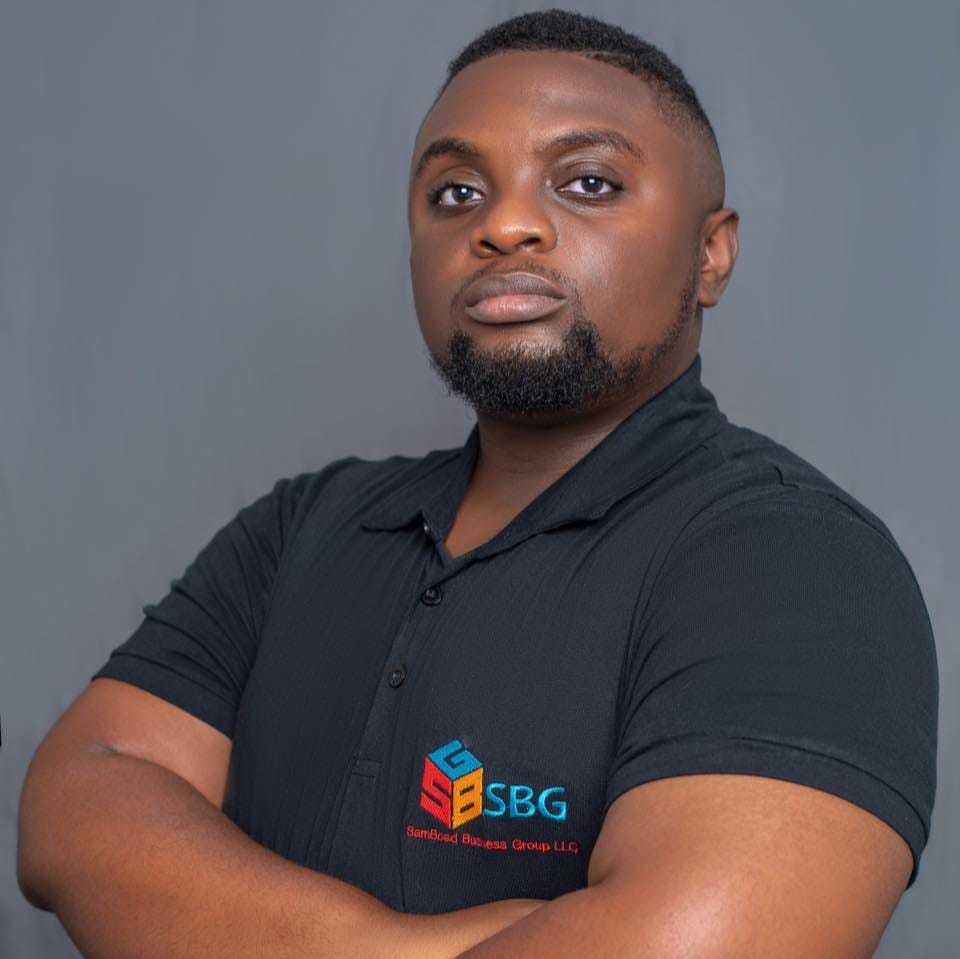
Samuel Kwame Boadu is a Ghanaian entrepreneur, writer, and digital consultant passionate about creating impactful stories and business solutions. He is the Founder & CEO of SamBoad Business Group Ltd, a dynamic company with subsidiaries in digital marketing, logistics, publishing, and risk management.