






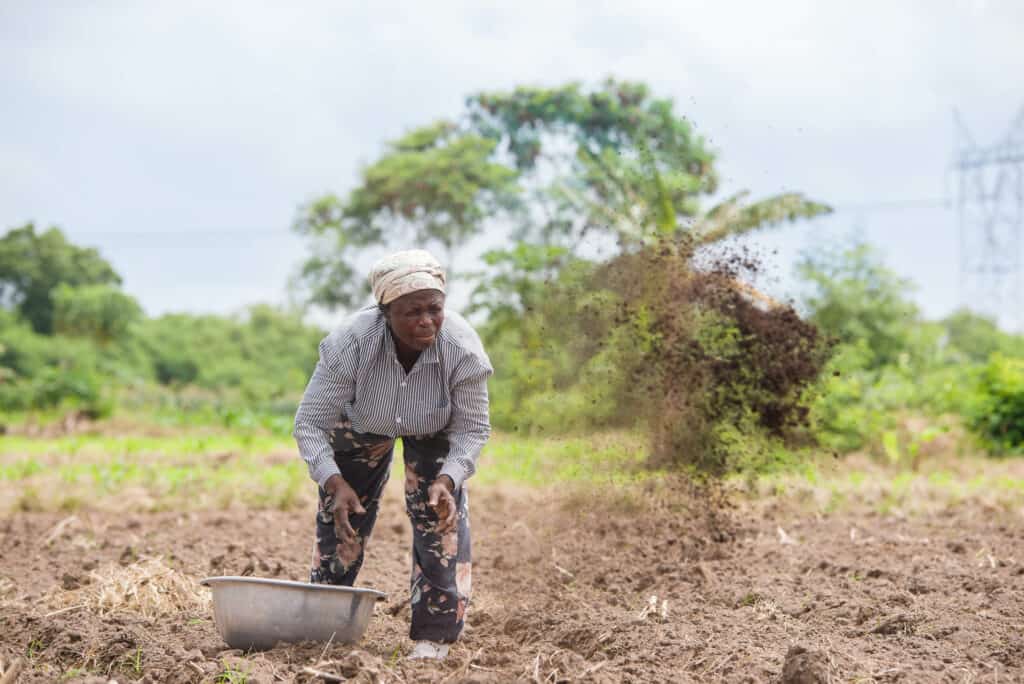
As Ghana intensifies efforts to improve food security, soil health, and sustainable agriculture, the organic fertilizer production business is gaining strong attention. Rising fertiliser prices, soil degradation, and growing consumer demand for organic food are pushing farmers to seek alternatives to synthetic fertilisers.
Organic fertiliser production offers a compelling agribusiness opportunity in Ghana — one that combines environmental sustainability with commercial viability. From small-scale compost producers to emerging commercial brands, organic fertiliser businesses are finding ready markets across the country.
This editorial by The High Street Business explores the profitability, market demand, and long-term potential of organic fertiliser production in Ghana, providing a practical guide for entrepreneurs, cooperatives, and investors.
📢 GET DETAILED ARTICLES + JOBS
Join THSB's WhatsApp Channel and never miss a post or opportunity.
Understanding Organic Fertilizers
Organic fertilisers are soil amendments derived from natural materials such as plant residues, animal waste, and organic by-products. Unlike chemical fertilisers, they improve soil structure, increase microbial activity, and enhance long-term soil fertility.
Common forms include:
-
Compost
-
Poultry manure
-
Cow dung
-
Biofertilisers
-
Vermicompost
In Ghana’s predominantly smallholder farming system, organic fertilisers are especially valuable for restoring depleted soils.
Why Organic Fertilizer Production Is Growing in Ghana
Several factors are driving growth in this sector:
-
Rising cost and scarcity of chemical fertilisers
-
Government promotion of sustainable farming practices
-
Increased awareness of soil degradation
-
Demand from urban and peri-urban farmers
Organic fertiliser production also aligns with climate-smart agriculture policies.
Raw Materials for Organic Fertilizer Production in Ghana
One major advantage of this business is the abundance of raw materials.
Common Raw Material Sources
-
Poultry litter from poultry farms
-
Cow dung from cattle farms
-
Crop residues such as maize stalks and rice husks
-
Food waste from markets
-
Sawdust and wood shavings
Most of these materials are either free or low-cost, significantly reducing production expenses.
Types of Organic Fertilizer Businesses
1. Compost Production
This is the most common entry point.
-
Low startup cost
-
Simple production process
-
Suitable for small-scale operators
2. Vermicomposting
Uses earthworms to convert organic waste into nutrient-rich fertiliser.
-
Higher nutrient value
-
Growing demand
-
Requires controlled conditions
3. Processed Manure Products
Involves drying, pelletising, or bagging animal waste.
-
Improved handling and storage
-
Higher market value
-
Better branding potential
4. Biofertilizer Production
More technical and research-based.
-
High growth potential
-
Requires expertise
-
Often linked to institutional support
Market Demand for Organic Fertilizer in Ghana
The market for organic fertiliser in Ghana is expanding steadily.
Key Buyer Segments
-
Vegetable farmers
-
Organic farmers
-
Greenhouse operators
-
Urban gardeners
-
Landscaping companies
-
NGOs and agricultural projects
Urban and peri-urban farmers are particularly strong buyers due to soil exhaustion and intensive cultivation.
Pricing and Profitability
Organic fertiliser profitability depends on scale, processing level, and branding.
Factors Affecting Profitability
-
Cost of raw materials
-
Labour expenses
-
Packaging quality
-
Transportation
Profit Potential
-
Compost production offers moderate but steady margins
With proper cost control and consistent quality, organic fertiliser businesses can achieve attractive margins over time.
Startup Requirements
Starting an organic fertiliser business does not require heavy capital.
Basic Requirements
-
Land or space for composting
-
Raw material supply agreements
-
Basic tools and equipment
-
Packaging materials
-
Labour
-
Regulatory compliance
Small-scale operations can expand gradually by reinvesting profits.
Regulatory and Quality Considerations
Quality control is essential for market trust.
Key considerations include:
-
Proper composting to eliminate pathogens
-
Consistent nutrient composition
-
Moisture control
-
Clear labelling
For commercial-scale operations, compliance with relevant agricultural and environmental standards enhances credibility.
Distribution and Marketing Strategies
Effective marketing determines success.
Common Sales Channels
-
Direct sales to farmers
-
Agro-input shops
-
Farmer cooperatives
-
NGOs and donor projects
-
Online and social media platforms
Demonstration plots and farmer education significantly boost adoption.
Challenges in Organic Fertilizer Production
Despite strong potential, challenges exist.
-
Limited awareness among farmers
-
Perception of slow nutrient release
-
Quality inconsistency
-
Competition from subsidised chemical fertilisers
Education and product differentiation help overcome these barriers.
How to Scale an Organic Fertilizer Business
Growth strategies include:
-
Improving processing and packaging
-
Building strong distribution networks
-
Partnering with agribusiness projects
-
Offering advisory services
-
Developing crop-specific formulations
Brand trust plays a critical role in scaling.
Environmental and Social Benefits
Beyond profits, organic fertiliser production offers broader benefits:
-
Reduces environmental pollution
-
Improves soil health
-
Supports waste recycling
-
Creates rural employment
-
Promotes sustainable agriculture
These benefits make the business attractive to impact investors and development partners.
The Future of Organic Fertilizer in Ghana
As Ghana’s agricultural sector modernises, demand for soil-friendly inputs will continue to grow. Organic fertilisers are increasingly recognised not just as alternatives, but as essential components of sustainable farming systems.
Entrepreneurs who invest early, maintain quality, and educate their markets are well-positioned for long-term success.
Frequently Asked Questions (FAQs)
Is organic fertilizer production profitable in Ghana?
Yes. With low raw material costs and growing demand, organic fertiliser production can be profitable, especially with value addition.
What raw materials are used for organic fertiliser?
Common materials include poultry manure, cow dung, crop residues, food waste, and sawdust.
Do farmers in Ghana use organic fertiliser?
Yes. Usage is increasing, particularly among vegetable, greenhouse, and organic farmers.
Can organic fertiliser replace chemical fertiliser completely?
In many cases, organic fertilisers complement rather than completely replace chemical fertilisers.
How long does it take to produce compost?
Compost production typically takes several weeks to a few months, depending on the method used.
Source: The High Street Business
Disclaimer: Some content on The High Street Business may be aggregated, summarized, or edited from third-party sources for informational purposes. Images and media are used under fair use or royalty-free licenses. The High Street Business is a subsidiary of SamBoad Publishing under SamBoad Business Group Ltd, registered in Ghana since 2014.
For concerns or inquiries, please visit our Privacy Policy or Contact Page.

Samuel Kwame Boadu is a Ghanaian entrepreneur, writer, and digital consultant passionate about creating impactful stories and business solutions. He is the Founder & CEO of SamBoad Business Group Ltd, a dynamic company with subsidiaries in digital marketing, logistics, publishing, and risk management.