






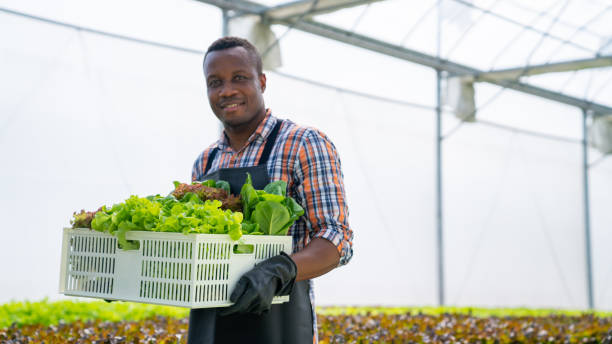
Vegetable greenhouse farming is rapidly gaining attention in Ghana as climate change, land pressure, and market demand push farmers toward more efficient and controlled production systems. Unlike open-field farming, greenhouse cultivation allows farmers to grow high-value vegetables year-round while minimising risks related to weather, pests, and inconsistent yields.
For agripreneurs, investors, and commercial farmers, greenhouse vegetable farming presents a strong opportunity to produce premium crops for urban markets, hotels, supermarkets, and export buyers. However, success depends on understanding the economics, technical requirements, and market realities unique to Ghana.
This guide by The High Street Business explains everything you need to know about profitable vegetable greenhouse farming in Ghana, from setup and crop selection to costs, challenges, and long-term sustainability.
📢 GET DETAILED ARTICLES + JOBS
Join THSB's WhatsApp Channel and never miss a post or opportunity.
What Is Greenhouse Vegetable Farming?
Greenhouse farming involves growing crops inside a controlled structure covered with transparent materials such as polyethylene sheets or glass. The structure helps regulate temperature, humidity, light, and pests, creating optimal growing conditions regardless of external weather.
In Ghana, greenhouses are commonly used to grow vegetables that are sensitive to rainfall variability and pest pressure, especially during the dry season.
Why Greenhouse Vegetable Farming Is Profitable in Ghana
Greenhouse farming is attractive because it offers:
-
Year-round production
-
Higher yields per square metre
-
Improved quality and uniformity
-
Reduced pest and disease pressure
-
Efficient water and fertiliser use
With rising demand for fresh vegetables in urban centres such as Accra, Kumasi, and Takoradi, greenhouse-grown vegetables often attract premium prices.
Best Vegetables for Greenhouse Farming in Ghana
Not all vegetables are suitable for greenhouse production. Profitability depends on crop choice, market demand, and management skills.
1. Tomatoes
Greenhouse tomatoes are among the most profitable crops in Ghana.
-
High market demand
-
Better control of diseases like blight
-
Higher yields compared to open-field farming
2. Sweet Peppers (Bell Peppers)
Sweet peppers thrive in controlled environments.
-
Premium pricing in supermarkets and hotels
-
Longer shelf life
-
Consistent size and colour
3. Cucumbers
Cucumbers grow well in greenhouses with trellising systems.
-
Fast growth cycle
-
High yield per plant
-
Strong demand from urban consumers
4. Chili Peppers
Greenhouse chili production ensures uniformity and quality.
-
Reduced pest damage
-
Export potential
-
High-value markets
5. Lettuce and Leafy Greens
Leafy vegetables benefit from controlled humidity and temperature.
-
Quick harvest cycles
-
Ideal for urban and peri-urban markets
-
Growing demand from health-conscious consumers
Types of Greenhouses Used in Ghana
1. Low-Cost Greenhouses
These are suitable for beginners and small-scale farmers.
-
Wooden or metal frames
-
Polyethylene covering
-
Lower initial investment
2. Medium-Tech Greenhouses
Most commercial farmers fall into this category.
-
Steel frames
-
Drip irrigation
-
Ventilation systems
3. High-Tech Greenhouses
Used mainly by export-oriented farms.
-
Automated climate control
-
Hydroponic systems
-
High setup and operational costs
Cost of Setting Up a Vegetable Greenhouse in Ghana
Startup costs vary depending on size, materials, and technology level.
Typical Cost Components
-
Greenhouse structure and covering
-
Drip irrigation system
-
Seeds and seedlings
-
Fertilisers and nutrients
-
Labour
-
Pest control materials
Estimated Cost Range
-
Small greenhouse (240–300 sqm): Moderate capital
-
Medium greenhouse (500–1,000 sqm): Higher investment
-
Large commercial greenhouse: Significant capital
Although the initial cost is higher than open-field farming, returns are generally better over time.
Land and Location Requirements
Choosing the right location is critical for success.
Key considerations include:
-
Reliable water supply
-
Security
-
Good drainage
-
Availability of labour
Peri-urban areas close to major cities offer strong market advantages.
Irrigation and Water Management
Water efficiency is one of the biggest advantages of greenhouse farming.
-
Drip irrigation reduces water waste
-
Fertigation allows precise nutrient application
-
Consistent moisture improves crop health
Water quality testing is important to prevent salinity and nutrient imbalance.
Pest and Disease Management in Greenhouses
Although greenhouses reduce pest pressure, they do not eliminate it.
Best practices include:
-
Use of insect-proof nets
-
Regular monitoring
-
Integrated pest management (IPM)
-
Proper sanitation and hygiene
Early detection is key to preventing outbreaks.
Labour and Skills Requirements
Greenhouse farming requires skilled management.
Key skills include:
-
Crop monitoring
-
Irrigation scheduling
-
Pruning and trellising
-
Disease identification
-
Harvest and post-harvest handling
Training and extension support significantly improve productivity.
Market Opportunities for Greenhouse Vegetables in Ghana
Greenhouse vegetables target premium markets.
Main Buyers
-
Supermarkets
-
Hotels and restaurants
-
Caterers
-
Urban households
-
Export buyers (limited but growing)
Consistency in supply and quality is essential to maintain long-term buyer relationships.
Common Challenges in Greenhouse Farming in Ghana
Despite its benefits, greenhouse farming comes with challenges.
-
High initial capital requirement
-
Limited technical expertise
-
Power and water reliability
-
Poor greenhouse management leading to losses
Many failures result from poor planning rather than the system itself.
How to Improve Profitability
To maximise returns:
-
Start with a manageable size
-
Choose high-demand crops
-
Keep detailed production records
-
Focus on quality rather than volume
-
Secure buyers before planting
-
Reinvest profits into improvements
Efficient management determines long-term success.
Is Greenhouse Farming Suitable for Small-Scale Farmers?
Yes, but only with proper planning.
Small-scale farmers should:
-
Start with low-cost greenhouses
-
Focus on one crop
-
Access training and mentorship
-
Partner with off-takers
Greenhouse farming rewards discipline and technical knowledge.
The Future of Greenhouse Vegetable Farming in Ghana
As climate risks increase and urban food demand grows, greenhouse farming will play a larger role in Ghana’s agricultural system. With government support, private investment, and youth participation, the sector has strong growth potential.
Vegetable greenhouse farming is no longer experimental — it is a viable agribusiness model for farmers who approach it professionally.
Frequently Asked Questions (FAQs)
Is greenhouse farming profitable in Ghana?
Yes. With proper management and market access, greenhouse vegetable farming can be highly profitable.
What is the best vegetable to grow in a greenhouse in Ghana?
Tomatoes, sweet peppers, cucumbers, and lettuce are among the most profitable options.
How much land do I need for a greenhouse?
Greenhouses can be built on small plots, making them suitable for limited land areas.
Do I need training before starting?
Yes. Greenhouse farming requires technical skills, and training significantly reduces risk.
Can greenhouse vegetables be grown all year round?
Yes. Greenhouses allow year-round production regardless of seasonal changes.
Source: The High Street Business
Disclaimer: Some content on The High Street Business may be aggregated, summarized, or edited from third-party sources for informational purposes. Images and media are used under fair use or royalty-free licenses. The High Street Business is a subsidiary of SamBoad Publishing under SamBoad Business Group Ltd, registered in Ghana since 2014.
For concerns or inquiries, please visit our Privacy Policy or Contact Page.

Samuel Kwame Boadu is a Ghanaian entrepreneur, writer, and digital consultant passionate about creating impactful stories and business solutions. He is the Founder & CEO of SamBoad Business Group Ltd, a dynamic company with subsidiaries in digital marketing, logistics, publishing, and risk management.