




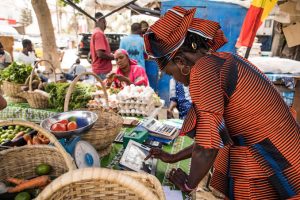


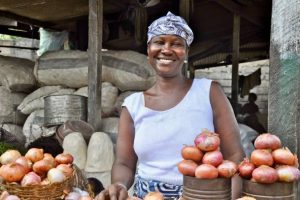


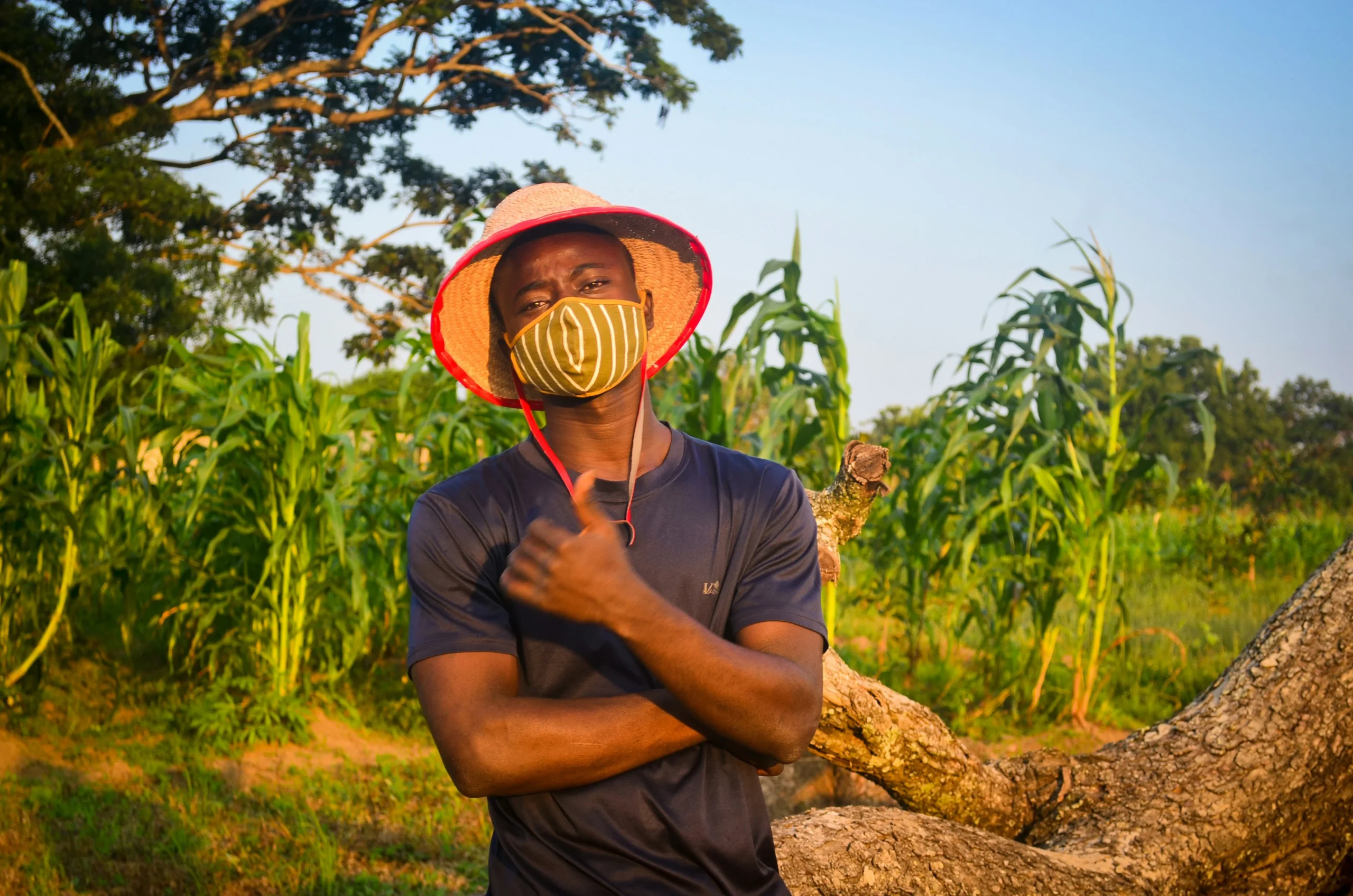

Youth unemployment remains one of Ghana’s most pressing economic challenges, yet agriculture continues to offer untapped opportunities for young entrepreneurs willing to think beyond traditional farming. Contrary to popular belief, agribusiness does not always require large land holdings or heavy capital investment. Many profitable agribusiness ventures can be started with limited funds, basic skills, and access to local markets.
This guide by The High Street Business explores low-cost agribusiness ventures suitable for youth in Ghana, focusing on businesses that are practical, scalable, and resilient. These ventures emphasise smart use of resources, value addition, and market-driven production rather than capital-intensive farming.
Why Agribusiness Is Ideal for Ghanaian Youth
Agribusiness appeals to youth because it:
📢 GET DETAILED ARTICLES + JOBS
Join THSB's WhatsApp Channel and never miss a post or opportunity.
-
Requires flexible entry points
-
Allows gradual scaling
-
Has steady local demand
-
Supports innovation and technology use
With Ghana’s growing population and food demand, young people who approach agriculture as a business rather than subsistence farming stand to benefit significantly.

Low-Cost Agribusiness Ventures for Youth in Ghana
1. Vegetable Farming (Backyard or Peri-Urban)
Vegetable farming is one of the easiest agribusinesses to start with limited capital.
-
Startup needs: Seeds, watering cans, basic tools
-
Why it works: Short growth cycles and fast cash turnover
-
Markets: Local markets, restaurants, households
Crops such as tomatoes, pepper, lettuce, and garden eggs perform well in urban and peri-urban settings.
2. Snail Farming (Heliculture)
Snail farming requires minimal space and capital, making it ideal for youth.
-
Startup needs: Snail pens, shade, moisture
-
Why it works: Low feeding cost and high market value
-
Markets: Restaurants, exporters, local buyers
Snail farming can be done in backyards, making it accessible to urban youth.
3. Mushroom Farming
Mushroom production is fast-growing and space-efficient.
-
Startup needs: Growing bags, spores, shade
-
Why it works: Short production cycles and premium pricing
-
Markets: Hotels, supermarkets, health-conscious consumers
Oyster mushrooms are especially popular due to ease of cultivation.
4. Poultry Trading (Not Farming)
Instead of raising birds, some youth focus on buying and reselling poultry.
-
Startup needs: Small trading capital
-
Why it works: Quick turnover and reduced risk
-
Markets: Chop bars, households, festive buyers
This model avoids the high feed and disease risks of poultry farming.
5. Egg Distribution Business
Egg trading requires little infrastructure and strong local demand.
-
Startup needs: Crates, transport access
-
Why it works: Daily demand and consistent sales
-
Markets: Retailers, households, schools
Profit margins improve with reliable supplier relationships.

6. Agro-Input Retail (Small Scale)
Youth can start by selling seeds, fertilisers, and basic farm tools.
-
Startup needs: Small shop or kiosk
-
Why it works: Recurring demand from farmers
-
Markets: Local farming communities
As trust grows, product range can expand.
7. Fish Smoking and Processing
Fish processing adds value without the cost of fish farming.
-
Startup needs: Smoking kiln, raw fish supply
-
Why it works: Longer shelf life and higher margins
-
Markets: Urban markets and retailers
Smoked fish is a staple product across Ghana.
8. Mobile Farm Labour Services
Some youth groups earn income by offering paid farm services.
-
Startup needs: Tools and labour coordination
-
Why it works: High demand during planting and harvesting seasons
-
Markets: Smallholder farmers
Services may include land clearing, planting, and harvesting.
9. Compost and Organic Fertiliser Production
Organic fertiliser production uses agricultural waste.
-
Startup needs: Waste materials, compost pits
-
Why it works: Rising demand for organic inputs
-
Markets: Vegetable farmers and backyard growers
This venture promotes sustainability while generating income.
10. Seedling Nursery Business
Seedling production supports vegetable and tree crop farmers.
-
Startup needs: Seed trays, shade net, water
-
Why it works: Low cost and repeat demand
-
Markets: Farmers and landscapers
Nurseries provide steady income, especially during planting seasons.
11. Cassava and Maize Aggregation
Aggregation involves buying crops from farmers and reselling in bulk.
-
Why it works: No production risk
-
Markets: Traders, processors
Margins increase with volume and efficient logistics.
12. Agro-Processing (Small-Scale)
Processing raw produce into food products adds value.
-
Startup needs: Simple processing tools
-
Why it works: Higher margins than raw produce
-
Markets: Retail shops and households
Examples include gari frying, groundnut paste, and spice blends.
13. Urban Sack or Container Farming
Youth with limited land can grow crops in sacks or containers.
-
Startup needs: Sacks, soil, seeds
-
Why it works: Low land requirement
-
Markets: Households and neighbourhood buyers
This model suits densely populated areas.
14. Farm Produce Delivery Services
Link farmers to urban consumers through delivery.
-
Startup needs: Transport access and coordination
-
Why it works: Convenience-driven demand
-
Markets: Households and restaurants
Digital tools can improve efficiency.
15. Agricultural Content Creation and Training
Youth with knowledge can monetise information.
-
Startup needs: Smartphone and internet
-
Why it works: Growing demand for practical farming knowledge
-
Markets: Online audiences and trainees
Income comes from ads, training fees, and partnerships.
Key Tips for Youth Starting Agribusiness with Low Capital
-
Start small and reinvest profits
-
Choose businesses with fast turnover
-
Focus on local markets first
-
Keep accurate financial records
-
Seek training and mentorship
Discipline and consistency matter more than starting capital.
Challenges Youth Face in Agribusiness
Common challenges include:
-
Limited access to finance
-
Market price fluctuations
-
Inadequate storage
-
Limited technical skills
These challenges can be reduced through cooperative groups and continuous learning.
The Future of Youth Agribusiness in Ghana
With the right mindset and support, youth-led agribusiness can drive Ghana’s food security and economic growth. Innovations in urban farming, processing, and digital marketing are opening doors for young entrepreneurs.
Agribusiness is no longer about survival farming — it is a pathway to sustainable income and wealth creation.
Frequently Asked Questions (FAQs)
Can I start agribusiness in Ghana with little money?
Yes. Many agribusiness ventures such as snail farming, vegetable farming, and trading require minimal startup capital.
Which agribusiness is best for youth?
Businesses with fast turnover and low risk, such as egg trading, vegetable farming, and processing, are ideal for youth.
Do I need land to start agribusiness?
Not always. Many ventures such as trading, processing, and container farming require little or no land.
How can youth access support for agribusiness?
Through training programmes, cooperatives, and partnerships with NGOs and private organisations.
Is agribusiness sustainable long-term?
Yes. With proper management and market focus, agribusiness offers long-term income and growth opportunities.
Source: The High Street Business
Disclaimer: Some content on The High Street Business may be aggregated, summarized, or edited from third-party sources for informational purposes. Images and media are used under fair use or royalty-free licenses. The High Street Business is a subsidiary of SamBoad Publishing under SamBoad Business Group Ltd, registered in Ghana since 2014.
For concerns or inquiries, please visit our Privacy Policy or Contact Page.

Samuel Kwame Boadu is a Ghanaian entrepreneur, writer, and digital consultant passionate about creating impactful stories and business solutions. He is the Founder & CEO of SamBoad Business Group Ltd, a dynamic company with subsidiaries in digital marketing, logistics, publishing, and risk management.