





Across the world, economies are racing toward digital payments — from mobile banking to contactless cards and fintech wallets. Ghana is no exception. With mobile money adoption skyrocketing, bank apps becoming more user-friendly, and fintech startups simplifying transactions, one might expect a dramatic shift toward a fully cashless society.
Yet, despite this progress, hard cash remains king in Ghana.
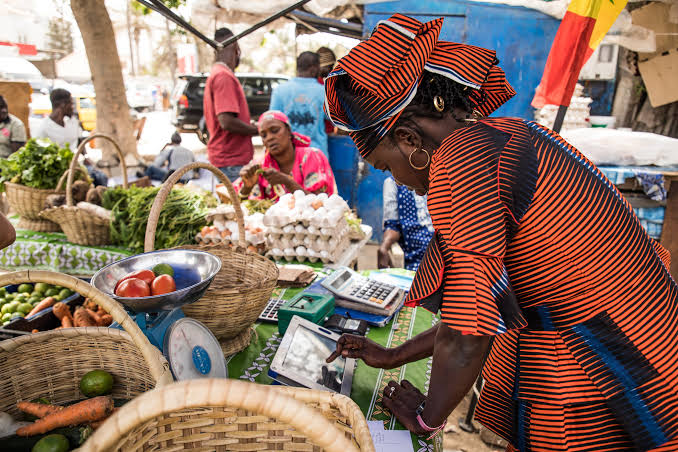
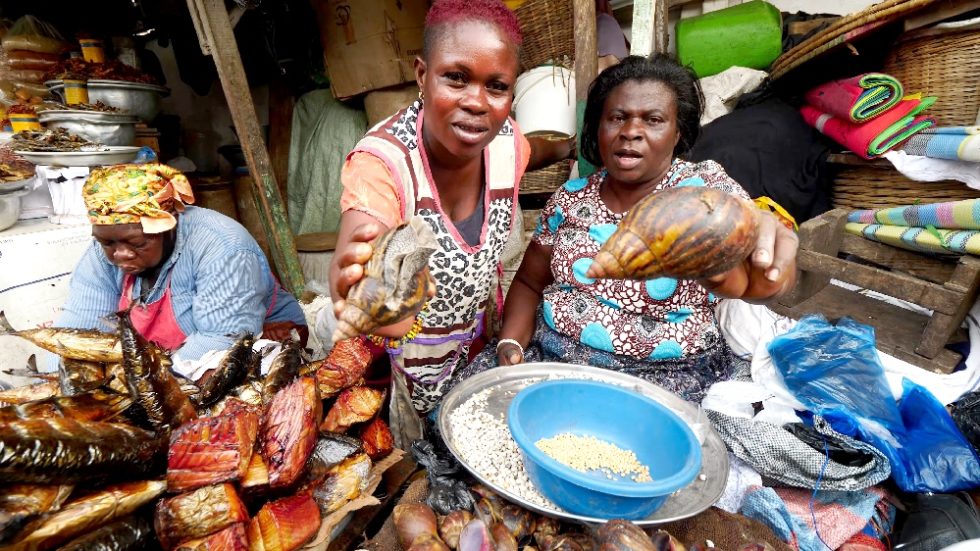
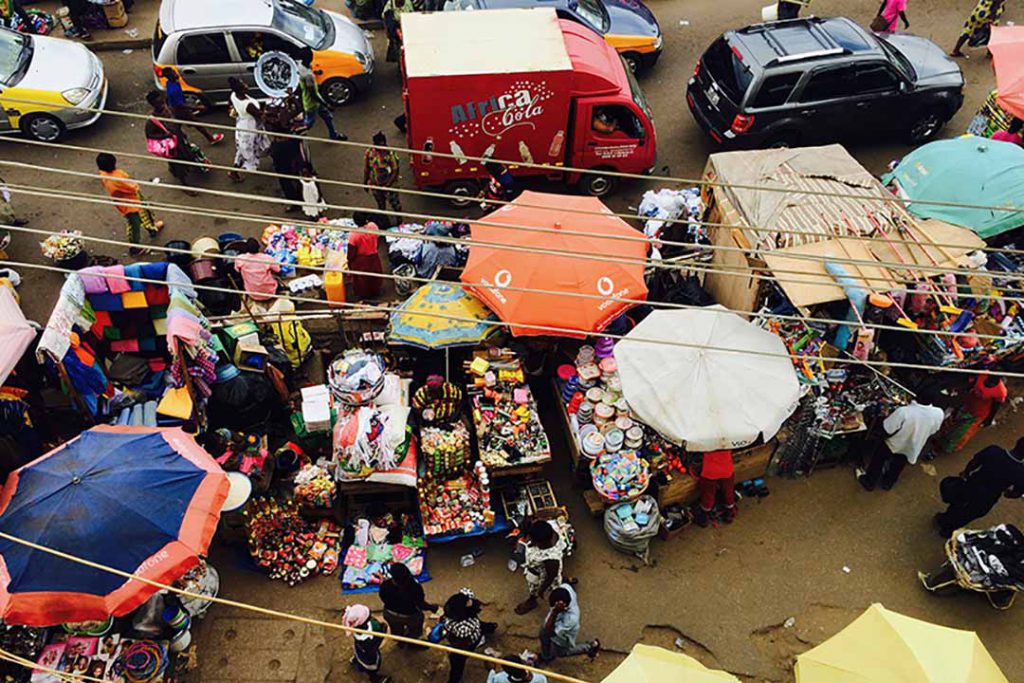
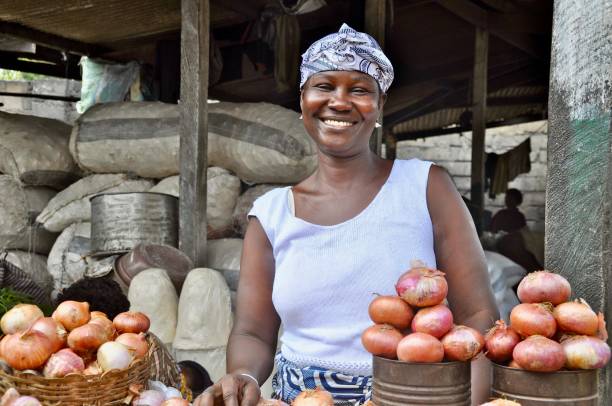
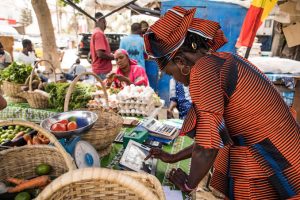
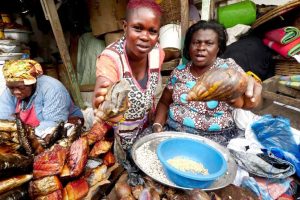
Walk through Makola, Kejetia, Kantamanto, Okaishie, Lapaz, Kasoa, Kaneshie, or Tema Community markets, and you’ll still see piles of cedi notes exchanging hands. Trotro mates still prefer cash. Artisans still ask for cash. Landlords still want physical money. Even in urban centers where digital adoption is rising, many Ghanaians continue to rely on cash as their primary payment method.
📢 GET DETAILED ARTICLES + JOBS
Join THSB's WhatsApp Channel and never miss a post or opportunity.
This editorial by The High Street Business explores the deeper social, economic, psychological, and practical reasons behind Ghana’s strong preference for cash — and why the trend persists even in a cashless age.
1. Digital Growth Is Rising — But Cash Dominance Remains Strong
Ghana has witnessed one of the fastest digital finance expansions in Africa:
-
Over 40 million registered mobile money accounts
-
Billions of cedis transacted through MoMo monthly
-
A booming fintech ecosystem
-
Digital banking improving daily
But despite this progress, the majority of daily transactions in Ghana — especially in the informal sector — are still carried out using physical cash.
The reason is simple: cash offers certainty, trust, and control in ways digital systems currently do not fully match for many Ghanaians.
2. Trust Issues: Cash Feels Safer for Many Ghanaians
Many Ghanaians trust what they can see and hold.
Digital failures, fraud cases, and unexpected system outages reinforce the belief that:
-
“Cash cannot disappear.”
-
“Cash doesn’t get blocked.”
-
“Cash doesn’t depend on network.”
Incidents such as:
-
double deductions
-
failed reversals
-
bank app downtimes
-
SIM registration issues
-
electricity outages affecting digital access
have made many consumers wary of relying solely on digital options.
Hard cash, on the other hand, feels immediate, tangible, and final. No network. No reversals. No errors.
3. The Informal Economy Is Still the Backbone of Ghana
Over 80% of economic activities in Ghana happen in the informal sector:
-
artisans
-
drivers
-
small shop owners
-
food vendors
-
farmers
-
street sellers
Most informal businesses operate without:
-
digital payment infrastructure
-
bank accounts
-
accounting software
-
stable internet access
For them, accepting cash is:
-
quicker
-
easier
-
more trusted
-
easier to record manually
Digital payments demand smartphones, connectivity, and confidence in systems — which many small vendors still lack.
4. Transaction Costs Push People Toward Cash
Service charges influence human behaviour.
Digital transactions often come with fees:
-
mobile money withdrawal fees
-
transfer charges
-
e-levy
-
bank transfer fees
-
merchant charges depending on platform
For people managing tight budgets, these small fees add up. Cash, by contrast, allows free transactions.
A GH¢10 fee on a GH¢100 transfer represents a 10% cost — too high for low-income earners.
In such cases, cash becomes the cost-effective choice.
5. Cash Offers Better Budget Control
Many Ghanaians prefer cash because it provides direct physical control over their spending.
With cash, it is easy to say:
-
“When my money finishes, I stop spending.”
-
“I know what I have left.”
Cash budgeting creates visual discipline. For example:
-
Daily transport cash is allocated
-
Market shopping money is separated
-
Rent savings can be stored physically
Digital payments, however, are easy to overspend due to the convenience.
Cash acts as a natural spending guardrail.
6. Digital Literacy Gaps Remain
While young urban Ghanaians adapt quickly to apps and online payments, many older adults — and even some younger people — still struggle with:
-
app navigation
-
password management
-
ATM use
-
USSD codes
-
online fraud awareness
For these users, cash is simply easier.
Digital literacy gaps keep a large demographic dependent on traditional payment methods.
7. Infrastructure Limitations Push People Back to Cash
Several practical challenges make full digital adoption difficult:
A. Network Instability
Unreliable networks cause:
-
failed transfers
-
delayed confirmations
-
frustration
Cash never “hangs.”
B. Unreliable Power Supply
Phones need charging. Apps need data.
Cash works even during power cuts.
C. Limited Smartphone Penetration
While Ghana has millions of phones, not all are smartphones — limiting access to advanced payment platforms.
D. Rural Areas Have Limited Financial Infrastructure
Digital systems thrive in cities, but rural communities still rely heavily on cash.
8. Cultural Habits and Longstanding Traditions
For decades, Ghanaian cultural and social systems have been built around physical exchange:
-
Gifts given in cash
-
Family contributions made in cash
-
Savings kept “under the pillow”
-
Markets historically operating on cash
-
Trust built through face-to-face transactions
Changing cultural habits takes time, even with technology advancing rapidly.
9. Cash Is Essential for Certain Sectors
Some transactions in Ghana still rely almost entirely on cash:
-
Trotro and taxi fares
-
Market trading
-
Land payments
-
Rent payments (in many cases)
-
Street vending
-
Small household repairs
-
School fees in some rural areas
Digital options are emerging, but adoption is slow.
10. The Psychology of Physical Money
Cash creates:
-
a feeling of ownership
-
a sense of security
-
a physical connection to value
When people count notes and physically hold their funds, it feels more “real” than numbers on a screen.
For many Ghanaians, this psychological comfort is important.
11. Will Ghana Eventually Become Fully Cashless?
While Ghana is moving toward a cash-lite economy, it will not become fully cashless soon.
Cash and digital systems will coexist for years because:
-
The informal sector is large
-
Cash is culturally embedded
-
Infrastructure needs strengthening
-
Older generations still dominate many parts of the economy
The future is hybrid: digital for convenience, cash for stability.
FAQs
**1. Why do Ghanaians still prefer cash even with mobile money available?
Cash is trusted, easy to use, and avoids transaction fees and network issues.
**2. Does the informal sector affect cash usage in Ghana?
Yes. Most informal businesses rely heavily on cash for daily transactions.
**3. Are digital payments expensive for consumers?
Some digital transactions attract fees, making cash the cheaper option for many.
**4. Is Ghana close to becoming a fully cashless economy?
No. Digital growth is strong, but cash remains dominant due to cultural and economic realities.
**5. Do Ghanaians fear digital fraud?
Yes. Fraud concerns, failed transactions, and reversals contribute to cash preference.
**6. Will cash disappear in the future?
Unlikely soon. Ghana’s future will be a blend of cash and digital systems.
Source: The High Street Business
Disclaimer: Some content on The High Street Business may be aggregated, summarized, or edited from third-party sources for informational purposes. Images and media are used under fair use or royalty-free licenses. The High Street Business is a subsidiary of SamBoad Publishing under SamBoad Business Group Ltd, registered in Ghana since 2014.
For concerns or inquiries, please visit our Privacy Policy or Contact Page.

Samuel Kwame Boadu is a Ghanaian entrepreneur, writer, and digital consultant passionate about creating impactful stories and business solutions. He is the Founder & CEO of SamBoad Business Group Ltd, a dynamic company with subsidiaries in digital marketing, logistics, publishing, and risk management.