






The transformation of Vodafone Ghana into Telecel Ghana did more than change a name— it marked one of the most significant shifts in Ghana’s telecommunications sector in recent years. For millions of customers, the rebrand raised questions: Why did Vodafone leave? Who is Telecel? What changes should consumers expect?
This editorial by The High Street Business breaks down the full story in a clear, business-focused perspective designed for ongoing relevance.
1. The Background: Why Vodafone Left Ghana
Vodafone’s operations in Ghana go as far back as 2008 when it acquired 70% of Ghana Telecom according to Accra Street Journal. Over the years, the company invested heavily in mobile services, internet infrastructure, and customer experience.
📢 GET DETAILED ARTICLES + JOBS
Join THSB's WhatsApp Channel and never miss a post or opportunity.
However, several factors influenced Vodafone’s eventual exit:

a. Strategic Refocusing
Globally, Vodafone Group began shifting its focus toward high-growth European markets. Operations that were not delivering the expected returns or required heavy future investments were reconsidered.
b. Competitive Pressure
Ghana’s telecom landscape is intense, dominated by MTN with a large market share. Sustaining long-term profitability required massive capital injections—something Vodafone Group was no longer keen on for this market.
c. Operational Restructuring
The company faced continuous pressure to maintain network quality, expand broadband coverage, and compete in mobile money—areas where large, sustained investments were needed.
In early 2022, Vodafone’s parent company signaled its intention to sell its Ghana operations.
2. Enter Telecel: Who Are They?
Telecel Group is a fast-growing African telecom and digital services company with operations across multiple countries. Founded in 1986, the group has evolved into a multi-sector digital powerhouse.
Telecel focuses on:
-
Digital financial solutions
-
Infrastructure development
Its acquisition of Vodafone Ghana was part of a broader strategy to expand in West Africa.
3. The Acquisition: What Actually Happened
In February 2023, Telecel Group received regulatory approval to acquire 70% of Vodafone Ghana, including the company’s mobile assets, fixed services, and enterprise solutions arm. The Government of Ghana retained its 30% stake, ensuring continuity of national oversight.
This acquisition set the stage for the rebrand.
4. Why the Rebrand Was Necessary
Rebranding from Vodafone to Telecel was not just cosmetic—it was a strategic necessity.
a. New Ownership, New Identity
Telecel needed a unified brand across Africa. Maintaining the Vodafone identity under new ownership would be confusing and legally complex.
b. Fresh Market Positioning
Vodafone was viewed as a legacy brand. Telecel sought to present itself as youthful, innovative, and data-focused—appealing to Ghana’s growing tech-savvy population.
c. Digital Transformation Push
Telecel plans to invest heavily in:
-
4G expansion
-
Nationwide fibre rollout
-
Digital financial services
-
Startup ecosystem development through Telecel’s Africa Startup Initiative Program (ASIP)
Rebranding was the first step to signal these commitments.
5. What the Rebrand Means for Customers
For consumers and businesses, the transition aims to deliver long-term benefits.
a. Improved Network Quality
Telecel publicly committed to expanding network capacity, improving call quality, and extending data coverage—especially in rural communities.
b. New Digital Products
Expect digital-first solutions including:
-
Telecel Mobile Money innovations
-
Student-friendly bundles
-
More competitive data packages
c. Continued Service Reliability
Important systems—SIM registration, mobile money, broadband, and customer support—remain operational and uninterrupted.
d. Greater Community & Startup Support
Telecel has already introduced initiatives supporting entrepreneurship and digital growth.
6. The Business Impact on Ghana’s Telecom Industry
Telecel’s entry comes with broader implications:
a. Increased Competition
MTN’s dominance has long been a concern. A stronger Telecel could help rebalance the market.
b. New Investments
Telecel’s focus on innovation and infrastructure may force other telecom companies to improve their offerings.
c. Policy & Regulatory Adjustments
The National Communications Authority (NCA) continues to push for:
-
Better customer experience
-
Greater market fairness
-
Improved broadband penetration
Telecel’s presence adds new momentum to these goals.
7. Challenges Telecel Must Still Overcome
Despite optimism, Telecel faces several hurdles:
-
Rebuilding brand trust from scratch
-
Heavy capital requirements for network expansion
-
Competing with MTN’s established mobile money ecosystem
-
Meeting consumer expectations for affordable data
The next 3–5 years will determine how successfully Telecel integrates and thrives in Ghana.
8. The Future: What Telecel’s Vision Suggests
Telecel aims to become a technology-driven operator, not just a telecom company. Their roadmap includes:
-
Digital financial services
-
Startup funding and mentorship programs
-
Cloud and enterprise solutions
-
Expanding fibre connectivity
If executed well, Telecel’s strategy could reshape telecom competition and accelerate digital adoption nationwide.
FAQs
1. Why did Vodafone change to Telecel in Ghana?
Vodafone sold its majority stake to Telecel Group as part of a global strategy shift, prompting a necessary rebrand.
2. Who owns Telecel Ghana now?
Telecel Group owns 70%, while the Government of Ghana maintains a 30% stake.
3. Are Vodafone SIM cards still valid?
Yes. All existing SIMs, numbers, and services remain active under the new brand.
4. Will Telecel improve network quality?
Telecel has committed to upgrading infrastructure, expanding 4G, and enhancing rural coverage.
5. Does the rebrand affect Vodafone Cash?
Telecel plans to retain and improve digital financial services as part of its strategy.
Source: The High Street Business
Disclaimer: Some content on The High Street Business may be aggregated, summarized, or edited from third-party sources for informational purposes. Images and media are used under fair use or royalty-free licenses. The High Street Business is a subsidiary of SamBoad Publishing under SamBoad Business Group Ltd, registered in Ghana since 2014.
For concerns or inquiries, please visit our Privacy Policy or Contact Page.
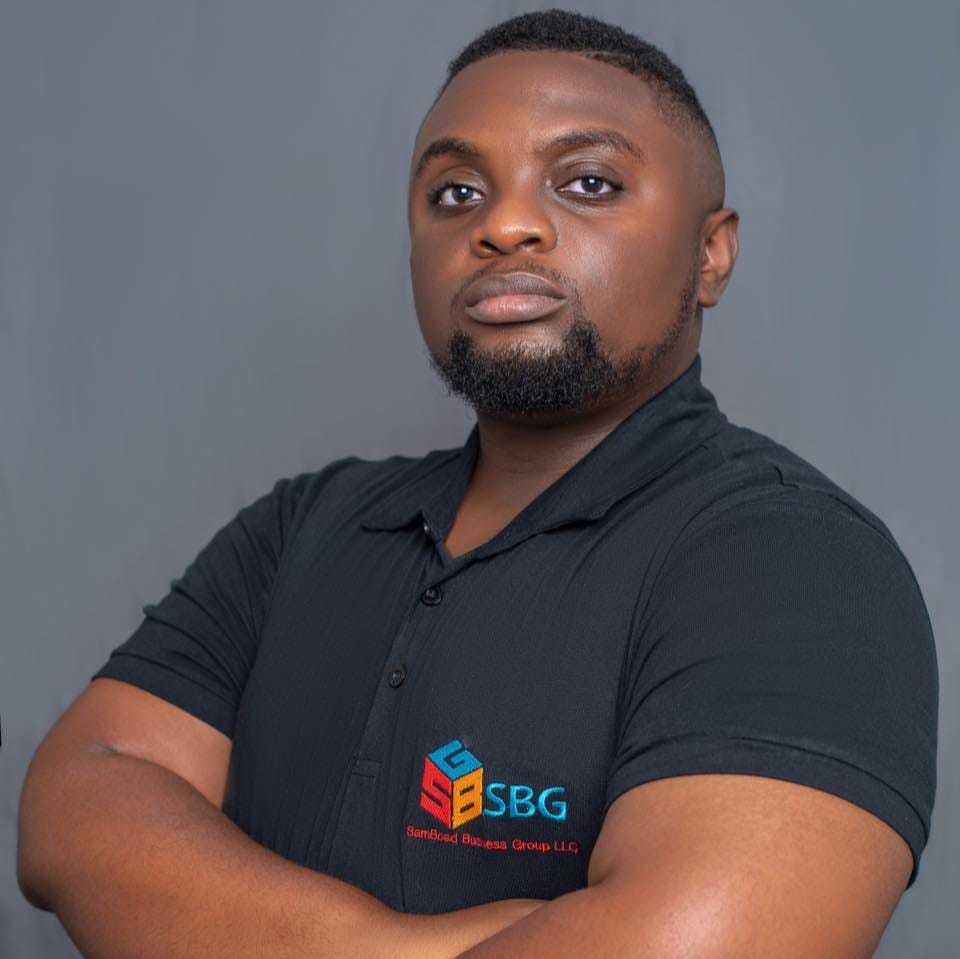
Samuel Kwame Boadu is a Ghanaian entrepreneur, writer, and digital consultant passionate about creating impactful stories and business solutions. He is the Founder & CEO of SamBoad Business Group Ltd, a dynamic company with subsidiaries in digital marketing, logistics, publishing, and risk management.