








Price movements in Ghana are shaped by a complex interaction of domestic and external forces that influence production costs, consumer behavior, trade flows, and market confidence. In 2026, understanding these forces is critical for businesses setting prices, investors assessing risk, policymakers managing stability, and consumers navigating purchasing power.
Unlike controlled economies where prices are fixed centrally, Ghana operates a largely market-driven pricing system. Prices respond to supply and demand dynamics, cost structures, currency movements, fiscal and monetary policies, global commodity trends, and structural characteristics of the economy. These forces do not operate in isolation; they reinforce and counterbalance one another across sectors.
Supply and Demand Dynamics
At the foundation of price determination in Ghana is the principle of supply and demand. When the supply of goods or services falls short of demand, prices rise. Conversely, when supply exceeds demand, prices tend to stabilize or decline.
📢 GET DETAILED ARTICLES + JOBS
Join THSB's WhatsApp Channel and never miss a post or opportunity.
In Ghana, supply constraints frequently arise from seasonal production cycles, infrastructure limitations, energy costs, logistics challenges, and import dependencies. Agricultural commodities, for example, are highly sensitive to weather patterns, transportation efficiency, and post-harvest losses. These factors directly affect availability and pricing across both urban and rural markets.
Demand, on the other hand, is influenced by population growth, urbanization, income levels, consumer preferences, and cultural spending patterns. As Ghana’s urban middle class expands, demand for processed foods, housing, transportation, digital services, and consumer goods continues to exert upward pressure on prices.
Inflation and Cost-Push Pressures
Inflation remains one of the most visible forces affecting prices in Ghana. Rising prices are often driven by increases in production costs, including fuel, electricity, transportation, labor, and raw materials.
Cost-push inflation occurs when businesses pass higher input costs on to consumers. In Ghana’s context, fluctuations in fuel prices alone can cascade across the entire economy, affecting transportation fares, food distribution, manufacturing costs, and service pricing.
Inflation expectations also play a role. When businesses and consumers anticipate rising prices, pricing behavior adjusts accordingly, reinforcing inflationary trends. This psychological component is particularly significant in open markets where pricing decisions are decentralized.
Exchange Rate Movements
The value of the Ghanaian cedi is a critical determinant of prices, especially in an import-dependent economy. Exchange rate depreciation increases the local cost of imported goods, including fuel, machinery, pharmaceuticals, food items, and industrial inputs.
In 2026, exchange rate dynamics continue to influence pricing across multiple sectors. Even domestically produced goods often rely on imported inputs, making them indirectly exposed to currency movements.
Export-oriented sectors, however, may benefit from a weaker currency through improved competitiveness, although gains are often offset by higher operational costs. Currency stability therefore remains a central concern for price predictability and market confidence.
Government Fiscal Policy and Taxation
Fiscal policy decisions significantly shape pricing outcomes in Ghana. Taxes, levies, tariffs, and subsidies directly affect the final cost of goods and services.
Value-added tax, import duties, energy levies, and sector-specific charges contribute to price formation across markets. When government revenue measures increase the cost base for businesses, these costs are frequently transferred to consumers.
Conversely, subsidies and tax relief measures can temporarily moderate prices, particularly in strategic sectors such as energy, agriculture, and transportation. The balance between revenue generation and price stability remains a persistent policy challenge.
Monetary Policy and Interest Rates
The Bank of Ghana’s monetary policy plays a decisive role in influencing inflation and price behavior. Interest rate adjustments affect borrowing costs, consumer spending, investment decisions, and overall liquidity in the economy.
Higher interest rates tend to slow demand by making credit more expensive, which can ease inflationary pressures. Lower rates stimulate borrowing and spending, potentially increasing demand-driven price pressures.
In Ghana, where many businesses rely on credit to finance operations, changes in monetary policy quickly translate into cost adjustments that influence pricing strategies.
Global Commodity and Energy Prices
Ghana is deeply integrated into global commodity and energy markets. International price movements for oil, gas, fertilizer, grains, and industrial inputs have direct and indirect effects on domestic prices.
Fuel prices, in particular, serve as a transmission mechanism through which global shocks impact local markets. Rising global energy costs increase transportation, manufacturing, and distribution expenses, driving price increases across sectors.
Commodity-exporting sectors are also affected by global price cycles, influencing income levels, government revenues, and domestic spending patterns.
Market Structure and Competition
The structure of markets themselves influences pricing behavior. In highly competitive markets, price increases are often constrained by consumer choice and rivalry among sellers. In less competitive or fragmented markets, pricing power may be concentrated among a few players.
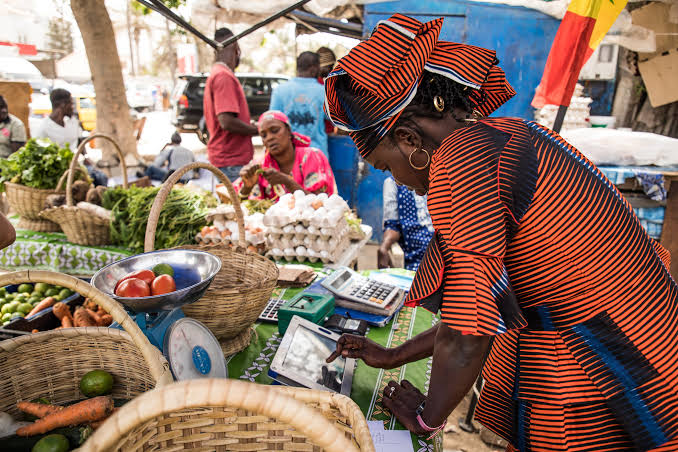
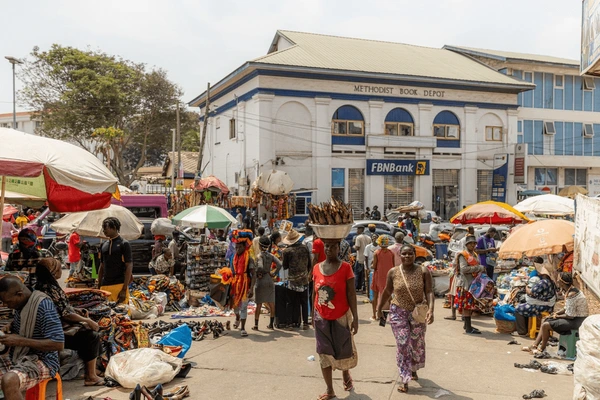
In Ghana, market structures vary widely across sectors. Some markets are characterized by numerous small traders, while others are dominated by large firms or importers. Informal markets may exhibit price variability based on location, relationships, and bargaining practices.
Barriers to entry, access to capital, regulatory requirements, and infrastructure availability all shape competition and, by extension, pricing outcomes.
Infrastructure and Logistics Costs
Infrastructure quality directly affects prices in Ghana. Transportation networks, port efficiency, storage facilities, and energy reliability all influence the cost of moving goods from producers to consumers.
Logistics inefficiencies increase wastage, delays, and operational expenses, particularly for perishable goods. These costs are ultimately reflected in market prices.
Urban congestion, fuel costs, and supply chain disruptions further compound pricing pressures, especially in major commercial centers.
Consumer Behavior and Expectations
Consumer behavior influences pricing through purchasing patterns, brand loyalty, substitution choices, and sensitivity to price changes. When consumers are less price-sensitive, businesses have greater flexibility in adjusting prices.
In Ghana, cultural factors, income variability, and access to information shape consumer responses to price changes. Seasonal demand spikes, festive spending, and school-related expenses often drive temporary price increases.
Expectations about future prices also influence current purchasing decisions, reinforcing price trends.
External Shocks and Economic Uncertainty
External shocks such as global economic downturns, geopolitical tensions, climate events, and supply chain disruptions can rapidly alter price dynamics in Ghana.
These shocks affect availability, costs, and confidence, leading to sudden price adjustments. The ability of markets to absorb and adapt to such shocks depends on policy responses, market flexibility, and economic diversification.
FAQs
What is the main factor driving prices in Ghana?
Prices are driven by a combination of supply and demand, inflation, exchange rate movements, production costs, and government policy.
How does the exchange rate affect prices?
Currency depreciation increases the cost of imports and imported inputs, leading to higher prices across many sectors.
Why do fuel prices affect almost everything?
Fuel costs influence transportation, manufacturing, and distribution, making them a key driver of economy-wide pricing.
Can government policies control prices in Ghana?
Policies can influence prices through taxes, subsidies, and regulation, but market forces ultimately determine price levels.
Do global events really affect local prices?
Yes. Global commodity prices, energy markets, and economic shocks directly impact Ghana’s cost structure and pricing.
Source: The High Street Business
Disclaimer: Some content on The High Street Business may be aggregated, summarized, or edited from third-party sources for informational purposes. Images and media are used under fair use or royalty-free licenses. The High Street Business is a subsidiary of SamBoad Publishing under SamBoad Business Group Ltd, registered in Ghana since 2014.
For concerns or inquiries, please visit our Privacy Policy or Contact Page.

Samuel Kwame Boadu is a Ghanaian entrepreneur, writer, and digital consultant passionate about creating impactful stories and business solutions. He is the Founder & CEO of SamBoad Business Group Ltd, a dynamic company with subsidiaries in digital marketing, logistics, publishing, and risk management.