





Ghana’s consumer market has entered a period of significant transition driven by demographic shifts, economic realities, digital adoption, and evolving consumer preferences. For businesses operating in or entering Ghana, understanding these trends is critical for positioning products, pricing strategies, distribution models, and long-term growth plans.
In 2026, the Ghanaian consumer is more informed, digitally connected, value-conscious, and selective than at any point in the past. While income levels and purchasing power vary widely, common patterns are emerging across urban and semi-urban markets. These patterns are reshaping how goods and services are produced, marketed, and consumed.
Demographic Growth and Urban Expansion
Population growth remains one of the most powerful drivers of Ghana’s consumer market. A youthful population, combined with steady urbanization, continues to expand the consumer base for essential goods, services, and lifestyle products.
📢 GET DETAILED ARTICLES + JOBS
Join THSB's WhatsApp Channel and never miss a post or opportunity.
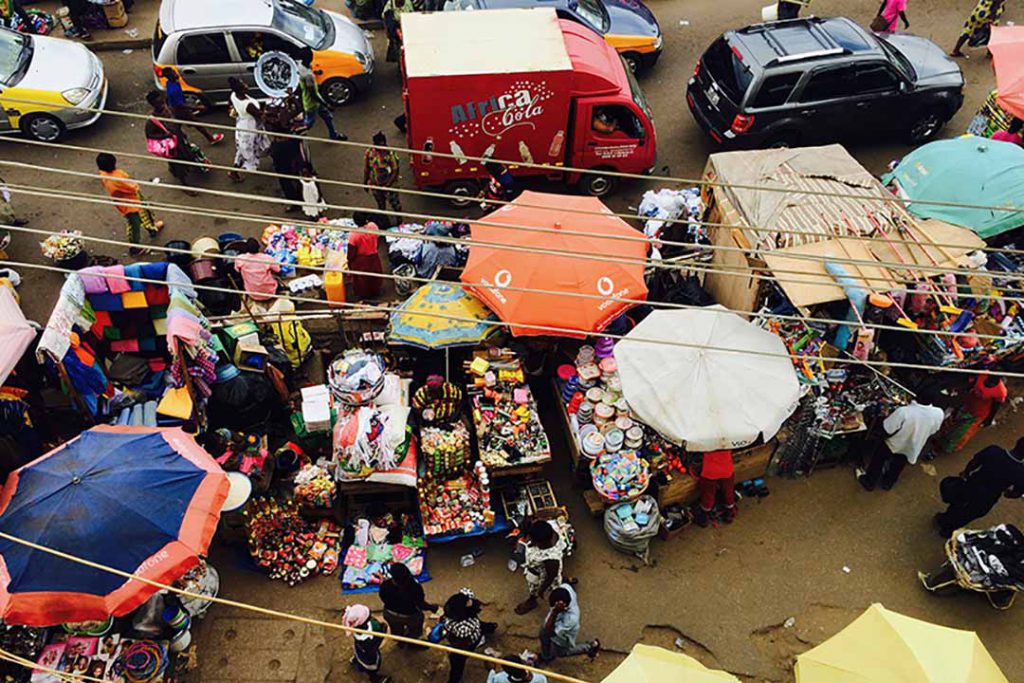
Urban centers such as Accra, Kumasi, Takoradi, and Tamale concentrate purchasing power and influence consumption trends nationwide. As rural-to-urban migration increases, demand rises for housing, transportation, food services, healthcare, education, and utilities.
This urban expansion also introduces new consumption habits, including preference for convenience, packaged goods, and modern retail formats.
Rising Price Sensitivity and Value-Based Consumption
Economic pressures have made Ghanaian consumers more price-conscious. In 2026, purchasing decisions are increasingly guided by value rather than brand prestige alone.
Consumers compare prices, downsize quantities, switch brands, and prioritize essential spending. Promotions, flexible pricing, and smaller pack sizes have become effective tools for maintaining demand.
Value-based consumption does not necessarily mean lower quality; rather, consumers seek products that balance affordability, durability, and usefulness.
Growth of Digital and Mobile-Driven Consumption
Digital connectivity has transformed how Ghanaian consumers discover, evaluate, and purchase products. Mobile phones are central to this shift, enabling mobile money payments, social commerce, and online service delivery.
Consumers increasingly rely on digital platforms for:
-
Product discovery and price comparison
-
Peer recommendations and reviews
-
Mobile payments and subscriptions
-
Delivery and logistics services
This trend cuts across income groups, blurring the line between formal and informal commerce and expanding market reach for businesses.
Expansion of the Middle-Income Segment
Although income inequality persists, Ghana’s middle-income segment continues to influence consumption trends. This group drives demand for education, housing, healthcare, financial services, branded consumer goods, and lifestyle experiences.
Middle-income consumers often exhibit hybrid behavior—seeking quality and convenience while remaining price-aware. Their preferences shape product design, service standards, and customer experience expectations.
This segment also plays a key role in setting aspirational consumption patterns that ripple across other income groups.
Informal Market Dominance and Adaptation
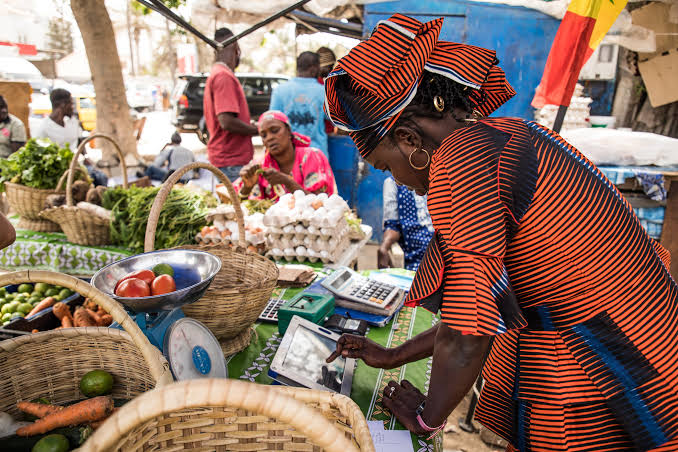
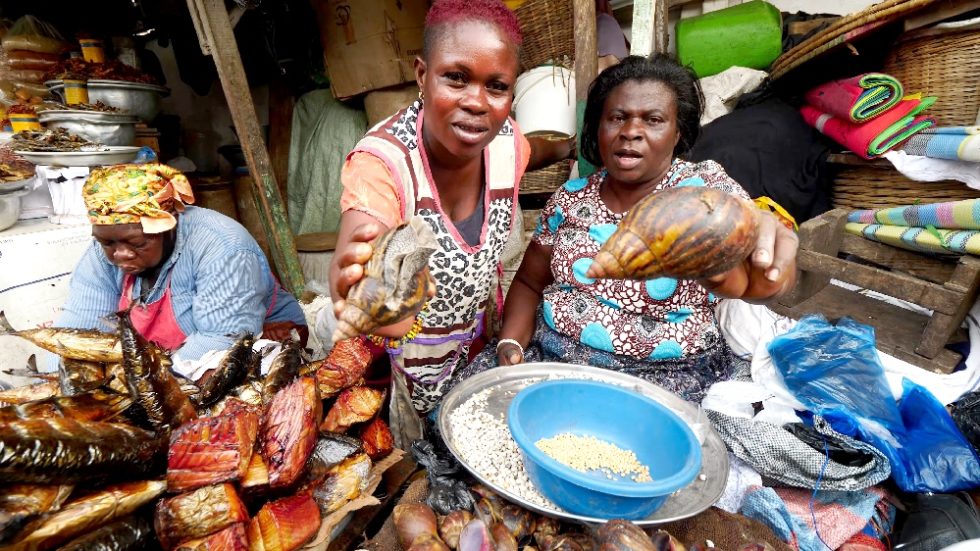
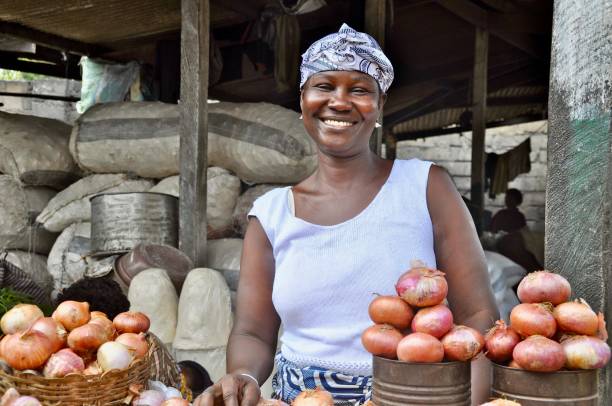
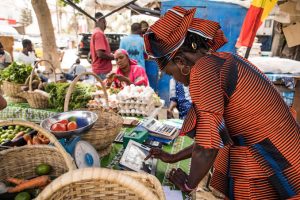
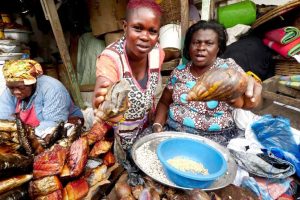
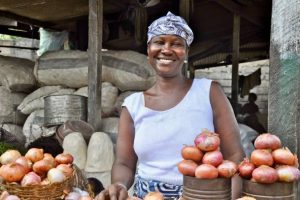
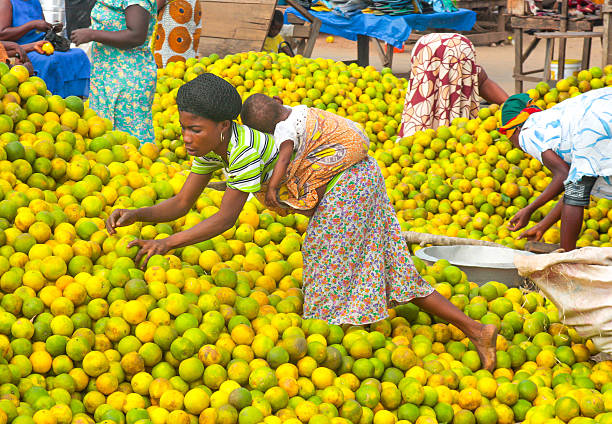
Informal markets remain the backbone of Ghana’s consumer economy. Open markets, neighborhood shops, roadside vendors, and informal service providers account for a large share of daily transactions.
Rather than declining, the informal sector is adapting by integrating digital payments, informal delivery networks, and social media marketing. Consumers value accessibility, trust-based relationships, and flexible pricing within these markets.
Businesses that ignore informal market dynamics risk missing significant consumer demand.
Shifts in Food and Household Consumption
Food remains the largest component of household spending in Ghana. However, consumption patterns are changing due to urban lifestyles, time constraints, and health awareness.
There is growing demand for:
-
Processed and packaged foods
-
Ready-to-eat and convenience meals
-
Improved food safety and hygiene standards
-
Locally produced alternatives to imports
Household consumption also reflects prioritization of essentials, durability, and multi-purpose products, particularly in lower and middle-income households.
Health, Education, and Essential Services
Spending on health, education, and essential services continues to rise as consumers prioritize long-term wellbeing and human capital development.
Private healthcare services, pharmacies, diagnostic centers, and health-related products attract consistent demand. Similarly, educational services, skills training, and digital learning tools are increasingly valued.
This trend reflects a shift toward preventive spending rather than reactive consumption.
Trust, Brand Reputation, and Local Identity
Trust plays a significant role in consumer decision-making in Ghana. Consumers are cautious about quality, authenticity, and reliability, especially in markets affected by counterfeit goods.
Brands that demonstrate transparency, consistency, and customer engagement build long-term loyalty. There is also growing appreciation for locally made products that align with cultural identity and national pride.
Local sourcing and community presence enhance brand credibility.
Influence of Social and Cultural Factors
Social networks, family structures, and cultural events strongly influence consumption patterns. Festive seasons, religious events, school calendars, and social obligations create predictable demand cycles.
Word-of-mouth remains a powerful driver of consumer behavior, amplified by social media platforms and digital communities.
Understanding these social dynamics allows businesses to align marketing and inventory planning with real consumption rhythms.
Environmental Awareness and Practical Sustainability
Environmental awareness is gradually influencing consumer choices, particularly among younger and urban consumers. While price remains the primary consideration, there is growing interest in sustainable packaging, waste reduction, and responsible sourcing.
Practical sustainability—solutions that reduce cost, improve efficiency, or offer durability—resonates more strongly than abstract environmental messaging.
FAQs
What defines Ghana’s consumer market today?
It is defined by youthfulness, price sensitivity, digital adoption, informal market strength, and value-based consumption.
Are Ghanaian consumers brand loyal?
Brand loyalty exists but is increasingly conditional on price, quality, and trust.
How important is digital commerce in Ghana?
Digital commerce is central to product discovery, payments, and service delivery across income levels.
Do informal markets still matter?
Yes. Informal markets dominate daily consumption and continue to adapt to digital trends.
What sectors see the strongest consumer demand?
Food, healthcare, education, financial services, housing, and digital services show consistent demand.
Source: The High Street Business
Disclaimer: Some content on The High Street Business may be aggregated, summarized, or edited from third-party sources for informational purposes. Images and media are used under fair use or royalty-free licenses. The High Street Business is a subsidiary of SamBoad Publishing under SamBoad Business Group Ltd, registered in Ghana since 2014.
For concerns or inquiries, please visit our Privacy Policy or Contact Page.

Samuel Kwame Boadu is a Ghanaian entrepreneur, writer, and digital consultant passionate about creating impactful stories and business solutions. He is the Founder & CEO of SamBoad Business Group Ltd, a dynamic company with subsidiaries in digital marketing, logistics, publishing, and risk management.