



Parents, profits, and the privatization of Ghana’s middle-class future
QUICK FACTS BOX
| Category | Details |
|---|---|
| Industry | Private education (basic and secondary) |
| Typical Business Model | Fee-for-service (tuition) + ancillary fees (transport, feeding, uniforms, extra lessons) |
| Primary Revenue Driver | Enrolment volume × average fee per child |
| Average Annual Fees (Basic School) | GHS 1,500–4,000 (low-end); GHS 6,000–15,000 (mid-range); GHS 20,000–60,000+ (premium) |
| Industry Size (Annual) | GHS 6–9 billion (estimated) |
| Number of Private Schools (Registered) | 15,000–20,000 (plus many unregistered) |
| Total Enrolment (Private) | 1.5–2.0 million students |
| % of Basic School Enrolment (Private) | 25–30% nationally; 40–60% in Greater Accra and Ashanti |
| Key Customer Segments | Middle-class and upwardly mobile working-class families |
| Barriers to Entry | Low to moderate (GHS 50,000–200,000 to establish a basic school) |
EXECUTIVE INTRODUCTION
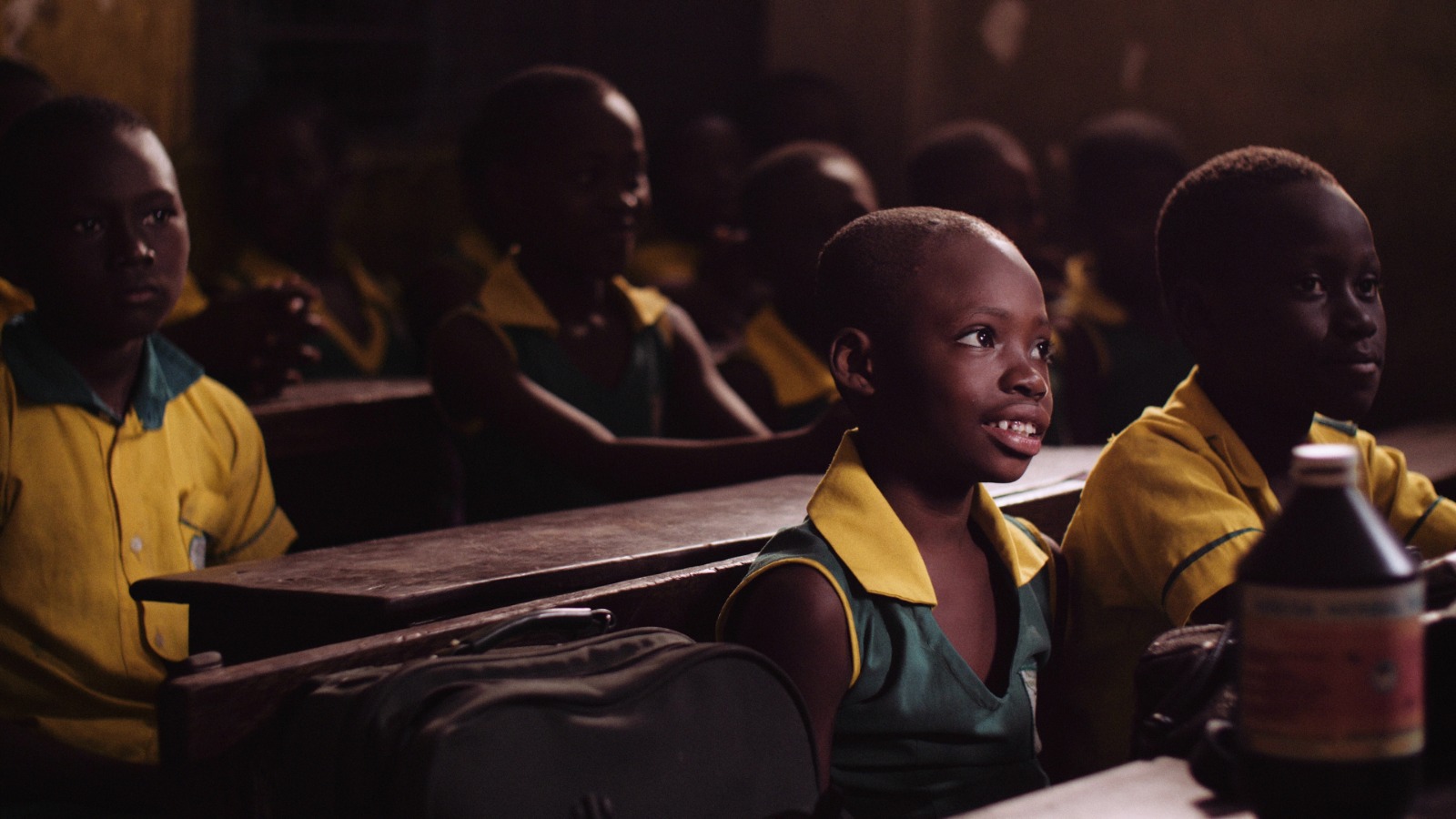
Thirty years ago, the phrase “private school” in Ghana meant one of two things: a Catholic mission school with high standards and moderate fees, or a cramped “container school” in an uncompleted building where desperate parents sent their children because the nearest public school was overcrowded or understaffed.
Today, private education is a GHS 6–9 billion industry — larger than Ghana’s cocoa exports, larger than the country’s entire fisheries sector, and approaching the size of the telecommunications industry by revenue. It employs hundreds of thousands of teachers, administrators, and support staff. It shapes the life chances of nearly two million Ghanaian children. And it has become one of the most reliable paths to wealth for a new class of education entrepreneurs.
📢 GET DETAILED ARTICLES + JOBS
Join THSB's WhatsApp Channel and never miss a post or opportunity.
The growth story is not complicated. Ghana’s public education system, despite significant government investment (free senior high school, capitation grants, school feeding programmes), still suffers from overcrowded classrooms, inconsistent teacher quality, and the lingering effects of decades of underfunding. Parents who can afford to pay for better — or who simply want their child to receive any education at all in a system where some public schools are effectively non-functional — have turned to private providers.
But the private school industry is not monolithic. It spans from the “container school” charging GHS 300 per term, where the owner is barely scraping by, to the international school in Accra’s Airport Residential Area charging $10,000 per year, where the owners have accumulated substantial wealth. Between these extremes lies a continuum of business models, each with its own economics, its own risks, and its own potential for profit.
This profile examines how private schools in Ghana actually make money: the fee structures, the cost drivers, the regulatory environment, the competitive dynamics, and the quiet ways that successful school owners have built sustainable, scalable, and sometimes highly profitable businesses.
The story is not just about education. It is about the privatisation of the middle-class dream — and the entrepreneurs who are cashing in.
INDUSTRY OVERVIEW
The Scale of Private Education in Ghana
| Level | Number of Private Schools (Est.) | Private Enrolment (Est.) | % of Total Enrolment |
|---|---|---|---|
| Nursery/Kindergarten | 8,000–10,000 | 500,000–700,000 | 35–40% |
| Primary (Basic 1–6) | 6,000–8,000 | 700,000–900,000 | 25–30% |
| Junior High School (JHS) | 3,000–5,000 | 250,000–350,000 | 20–25% |
| Senior High School (SHS) | 300–500 | 50,000–80,000 | 5–8% |
| International Schools | 100–150 | 20,000–30,000 | <1% of total |
Total private enrolment: approximately 1.5–2.0 million students — roughly one in four Ghanaian children at the basic level, and one in twenty at the senior high level.
The concentration is heavily urban. In Greater Accra, private schools account for an estimated 40–60% of basic school enrolment. In some wealthier suburbs (East Legon, Cantonments, Airport Residential), the figure exceeds 80%. In rural areas, private schools are rare; parents cannot afford fees, and public schools, however imperfect, are free.
Types of Private Schools by Market Segment
| Segment | Typical Annual Fees (GHS) | Number of Schools | Typical Enrolment | Profitability |
|---|---|---|---|---|
| Low-end (“container schools”) | 500–2,000 | 5,000–8,000 | 50–150 | Low (5–15% margin) |
| Mid-range (standard private schools) | 2,000–6,000 | 6,000–9,000 | 150–400 | Moderate (15–25% margin) |
| Upper mid-range (“prestige” schools) | 6,000–15,000 | 1,000–2,000 | 200–600 | High (20–30% margin) |
| Premium/international | 20,000–60,000+ | 100–150 | 300–1,000 | Very high (25–35% margin) |
The mid-range segment is the industry’s engine. These are the schools that middle-class Ghanaian professionals — bankers, civil servants, mid-level managers, successful traders — choose for their children. They are not cheap, but they are affordable for two-income households earning GHS 8,000–20,000 monthly.
Geographic Concentration
| Region | % of Private Schools | Key Locations |
|---|---|---|
| Greater Accra | 40–45% | Accra (virtually every suburb), Tema |
| Ashanti | 25–30% | Kumasi, Obuasi, Mampong |
| Eastern | 8–10% | Koforidua, Nsawam, Suhum |
| Central | 5–8% | Cape Coast, Kasoa, Winneba |
| Western | 5–7% | Takoradi, Tarkwa, Sekondi |
| Others (Volta, Northern, etc.) | 10–15% | Regional capitals and larger towns |
The industry is highly concentrated in Accra and Kumasi. A new private school outside these two cities faces an uphill battle for enrolment and qualified teachers.
BUSINESS MODEL
Private schools generate revenue through three primary streams. The most successful schools layer all three. Marginal schools rely on tuition alone and struggle.
Revenue Stream 1: Tuition Fees (The Core)
Tuition is the foundation. The fee structure varies by segment and by school, but the basic unit is per term (Ghana’s academic year has three terms: September–December, January–April, May–July).
Typical tuition fee ranges (per term, 2024):
| Segment | Nursery/KG | Primary | JHS | SHS |
|---|---|---|---|---|
| Low-end | 150–300 | 200–400 | 250–500 | 500–1,000 |
| Mid-range | 600–1,500 | 800–2,000 | 1,000–2,500 | 2,000–4,000 |
| Upper mid-range | 2,000–4,000 | 2,500–5,000 | 3,000–6,000 | 5,000–10,000 |
| Premium | 5,000–12,000 | 6,000–15,000 | 8,000–20,000 | 15,000–30,000+ |
Annual tuition revenue for a typical mid-range school (300 students, average fee GHS 1,500 per term × 3 terms = GHS 4,500 per child):
| Item | Amount (GHS) |
|---|---|
| Average annual fee per child | 4,500 |
| Total enrolment | 300 |
| Annual tuition revenue | 1,350,000 |
This is the baseline. Every other revenue stream adds to this.
Revenue Stream 2: Ancillary Fees (The Margin Booster)
Ancillary fees are often higher margin than tuition because they are priced at a premium and the direct costs are lower.
| Fee Type | Typical Amount (per term) | Margin (%) | Notes |
|---|---|---|---|
| Registration/administration | 100–300 | 90–95% | One-time or annual; mostly pure profit |
| Transport (school bus) | 300–800 | 20–30% | Requires vehicle, driver, fuel |
| Feeding (lunch programme) | 300–600 | 15–25% | Kitchen staff, food costs |
| Uniforms (compulsory purchase) | 150–300 (per set) | 40–60% | School buys from supplier, marks up |
| Textbooks and workbooks | 200–500 | 30–50% | Often compulsory, sold by school |
| Extra lessons (evening/weekend classes) | 200–500 per subject | 80–90% | Teachers paid hourly, school takes margin |
| Extracurricular (sports, music, coding) | 200–600 | 50–70% | External coaches, minimal equipment |
| Excursions and events | 100–300 per event | 30–50% | Transport, entry fees |
Annual ancillary revenue for a mid-range school (300 students):
| Ancillary Source | Per Child Annual (GHS) | Total (GHS) |
|---|---|---|
| Registration (once) | 150 | 45,000 |
| Transport (30% of students) | 1,500 | 135,000 |
| Feeding (80% participation) | 1,200 | 288,000 |
| Uniforms (2 sets/year) | 400 | 120,000 |
| Textbooks | 400 | 120,000 |
| Extra lessons (30% participation) | 600 | 54,000 |
| Extracurricular (20% participation) | 400 | 24,000 |
| Total ancillary revenue | 786,000 |
Total annual revenue (tuition + ancillary) for the mid-range school: GHS 1,350,000 + GHS 786,000 = GHS 2,136,000.
Ancillary fees add nearly 60% to the school’s top line. This is why successful schools aggressively push ancillary services.
Revenue Stream 3: Real Estate and Facility Monetisation
Smart school owners use their physical assets to generate additional income:
-
After-hours facility rental: Renting classrooms to church groups, adult education programmes, or event organisers (weddings, parties) on weekends and holidays.
-
Vacation programmes: Holiday camps, remedial classes, and skill workshops during school breaks (December–January, April, August).
-
Teacher training and consultancy: Selling the school’s “method” to other educators — either through formal training programmes or informal paid mentorship.
-
School-branded merchandise: Beyond uniforms, selling bags, water bottles, caps, and other branded items (low volume, high margin).
Example revenue from facility rental (modest estimate):
| Activity | Frequency | Revenue per event (GHS) | Annual total (GHS) |
|---|---|---|---|
| Church rental (Sundays) | 50 weeks | 300 | 15,000 |
| Evening adult classes (3x/week) | 40 weeks | 200 per week | 8,000 |
| Weekend events (birthdays, parties) | 20 events | 500 | 10,000 |
| Vacation camp (4 weeks) | 4 weeks | 10,000 total | 10,000 |
| Total | 43,000 |
This is not transformative, but it is near-pure profit (marginal cost is minimal) and covers a month of operating expenses.
UNIT ECONOMICS (THE SCHOOL LEVEL)
Typical Mid-Range School (300 students, Accra suburb, 2024)
Revenue (Annual):
| Item | Amount (GHS) |
|---|---|
| Tuition fees | 1,350,000 |
| Ancillary fees | 786,000 |
| Facility monetisation | 40,000 |
| Total revenue | 2,176,000 |
Operating Costs (Annual):
| Cost Item | Monthly (GHS) | Annual (GHS) | % of Revenue |
|---|---|---|---|
| Staff salaries | |||
| Teachers (15–20, average GHS 1,500/month) | 25,000 | 300,000 | 14% |
| Administrative staff (6–8, average GHS 2,000) | 14,000 | 168,000 | 8% |
| Support staff (cleaners, security, driver — 10) | 6,000 | 72,000 | 3% |
| Total salaries | 45,000 | 540,000 | 25% |
| Facilities | |||
| Rent (if leased) or mortgage interest | 8,000–15,000 | 120,000 | 6% |
| Utilities (electricity, water, generator fuel) | 4,000–7,000 | 66,000 | 3% |
| Maintenance and repairs | 2,000–4,000 | 36,000 | 2% |
| Operations | |||
| Teaching materials (workbooks, stationery, lab supplies) | 3,000–5,000 | 48,000 | 2% |
| Feeding programme costs (food, kitchen staff) | 15,000 | 180,000 | 8% |
| Transport (bus fuel, maintenance, driver) | 4,000 | 48,000 | 2% |
| Marketing and admissions | 1,000–2,000 | 18,000 | 1% |
| Insurance and professional fees | 1,000 | 12,000 | 0.5% |
| Miscellaneous | 2,000 | 24,000 | 1% |
| Total operating costs | 85,000–105,000 | 1,140,000 | 52% |
| Net profit (before tax) | 45,000–55,000 | 540,000–660,000 | 25–30% |
A mid-range school netting GHS 540,000–660,000 annually (GHS 45,000–55,000 monthly) is an excellent business. The owner (often also the proprietor and headteacher) can pay themselves a salary (included in admin salaries above) and still take significant dividends.
Payback period on initial investment: A typical mid-range school requires GHS 500,000–1,500,000 to establish (land, building, furniture, equipment, initial working capital). At GHS 500,000 annual profit, payback is 2–3 years — exceptional for any business.
Low-End School Economics (The Struggle)
A low-end “container school” (80 students, average annual fee GHS 1,200) tells a different story:
| Item | Annual (GHS) |
|---|---|
| Revenue (tuition only, minimal ancillaries) | 96,000 |
| Salaries (3–4 teachers at GHS 500–800/month) | (36,000) |
| Rent (simple structure or rented classroom) | (12,000) |
| Utilities and misc. | (18,000) |
| Net profit | 30,000 |
GHS 30,000 annually (GHS 2,500 monthly) is below the salary of a mid-level bank teller. The owner is working full-time for lower pay than they would earn in formal employment. Many low-end school owners do it for passion, not profit — or they operate the school as a sideline to another business.
This is the invisible layer of private education: thousands of proprietors barely scraping by, serving parents who can barely afford even low fees, providing a service that is marginally better than the local public school (or sometimes worse).
Premium School Economics (The Wealth Builder)
A premium international school (500 students, average annual fee GHS 30,000) operates at a different scale:
| Item | Annual (GHS) |
|---|---|
| Revenue (tuition + ancillaries) | 15,000,000 |
| Salaries (qualified expatriate and local teachers, admin) | (5,000,000) |
| Facilities (owned campus, high maintenance) | (2,000,000) |
| Utilities (very high — air conditioning, computers, labs) | (1,000,000) |
| Teaching materials (imported curricula, lab equipment) | (1,500,000) |
| Marketing and admissions (international recruitment) | (500,000) |
| Professional fees (accreditation, inspections) | (300,000) |
| Net profit | 4,700,000 |
Net margin: 31% — higher than the mid-range school. The premium segment is extremely profitable because parents are willing to pay almost any fee for the perceived quality and the network effects (their children associating with other wealthy children).
MARKET POSITION & COMPETITION
Why Parents Choose Private Schools
The decision to pay for private education (when public education is nominally free) is rational for many Ghanaian parents:
| Factor | Public School Reality | Private School Promise |
|---|---|---|
| Class size | 40–60+ students per class | 20–30 students per class |
| Teacher attendance | Frequent absenteeism | Teachers present (or fired) |
| Teacher qualification | Mix of trained and untrained | Mostly trained, sometimes less qualified but more committed |
| Curriculum delivery | Rote learning, limited resources | More interactive, more materials |
| English proficiency | Limited English in early years | English from nursery (often too early, but parents demand it) |
| Discipline | Lax, corporal punishment still common | Structured, communicative |
| Parental involvement | Low | High (parents paying demand accountability) |
| Facilities | Broken furniture, no toilet paper | Functional, sometimes impressive |
The key insight: Private schools do not necessarily offer better academic outcomes (studies are mixed). But they offer predictability and accountability. The parent who pays GHS 4,500 per year can complain if the teacher does not show up. The parent who pays nothing has no leverage.
Competitive Landscape by Segment
| Segment | Number of Schools | Competition Intensity | Key Differentiators |
|---|---|---|---|
| Low-end | Very high (5,000+) | Extreme (price wars) | Lowest possible fee |
| Mid-range | High (6,000–9,000) | High (quality and price) | BECE results, facilities, location |
| Upper mid-range | Moderate (1,000–2,000) | Moderate | Brand reputation, alumni network |
| Premium | Low (100–150) | Low (almost oligopolistic) | International curriculum, accreditations, facilities |
The mid-range is the most competitive. Dozens of schools within a 3-kilometre radius in any Accra suburb compete for the same 300–500 families. The differentiators are marginal: slightly better BECE results, a new computer lab, a swimming pool, a “British curriculum” affiliation.
The Role of the Proprietor as Brand
In Ghanaian private education, the proprietor is the brand. Schools are named after their founders (“Christabel Montessori,” “Theodore International,” “Graceville Academy”). Parents choose a school because they trust the proprietor — often a former teacher, a pastor, or a respected figure in the community.
This has two implications:
-
The business is not easily scalable. A proprietor cannot open ten schools easily because the brand is personal. Franchise models (e.g., “GEMS Education” internationally) have not succeeded in Ghana.
-
The business is vulnerable to the proprietor’s reputation. A scandal, a personal failing, or simply the proprietor’s retirement can destroy the school’s value.
COST STRUCTURE & FINANCIAL MANAGEMENT
The Staffing Cost Challenge
Staff salaries are the largest single expense (typically 25–35% of revenue). The challenge: teacher quality and teacher pay are disconnected. A qualified teacher with a university degree and teaching certification demands GHS 2,500–4,000 monthly. A low-end school cannot afford this. A mid-range school can afford a mix: 2–3 qualified teachers as department heads, and 10–15 less qualified (but committed) teachers at GHS 1,200–1,800.
The teacher turnover problem: Private school teachers leave frequently — for better-paying schools, for public school positions (which offer less pay but better job security and pension), or for jobs outside teaching. High turnover disrupts learning and increases recruitment costs.
How schools retain teachers:
-
Small bonuses for BECE pass rates (GHS 500–2,000 per teacher)
-
Free or discounted tuition for the teacher’s own children
-
Accommodation (a room in the school compound)
-
Professional development (training courses, workshops)
The Real Estate Dilemma
A school building is either owned or leased.
| Option | Advantages | Disadvantages |
|---|---|---|
| Owned (purchased land + built) | No rent; asset appreciation; freedom to expand | High upfront capital (GHS 500k–2m); maintenance costs |
| Leased (rented premises) | Lower upfront; flexibility to move | Rent increases over time; cannot customise significantly; risk of lease not renewed |
The sweet spot: Purchase land in an emerging area (a suburb on the edge of current development) at relatively low cost, build modestly, and expand as enrolment grows. The capital gain on the land alone (over 5–10 years) often exceeds the school’s operating profit.
This is how many successful school owners built wealth: the school as a real estate vehicle. The school generates operating profit. The land appreciates. The proprietor sells the land (or redevelops it) after a decade, realising a capital gain that far exceeds the cumulative school profits.
The Working Capital Trap (Fees in Arrears)
Private schools collect fees in advance (per term). This is excellent for cash flow — the school has the money for the term before incurring most of the costs.
However: Many parents pay late. Some never pay. A school with GHS 1.35 million annual tuition revenue might collect only GHS 1.1 million, writing off GHS 250,000 (18%) as bad debt or discounts.
How schools manage payment risk:
-
Insist on full term fees before term starts (strict but loses some families)
-
Allow instalments (monthly) but charge a premium (e.g., GHS 4,500 term fee becomes GHS 1,650 × 3 = GHS 4,950 — 10% premium)
-
Sibling discounts (10–20% off for second child) — reduces revenue but increases loyalty
-
Prompt payment discounts (e.g., 5% off if paid two weeks before term)
-
Debt collection agencies (for persistent defaulters — but rarely used due to community relationships)
Even with write-offs, the business remains profitable because the marginal cost of an additional student is low (a few hundred cedis for materials and marginal teacher time). A school that fills empty seats with fee-paying students — even late payers — usually comes out ahead.
DIGITAL STRATEGY & INNOVATION
School Management Software (SMS)
A growing number of schools use digital platforms (e.g., Schooldata, EduSys, or local solutions) to manage:
-
Fee collection and tracking
-
Attendance (teachers mark via tablet or phone)
-
Report cards and parent communication
-
Timetabling and lesson planning
Adoption rate: 20–30% of mid-range and above; near zero in low-end. The barrier is cost (GHS 5,000–20,000 initial setup plus monthly fees) and teacher digital literacy.
WhatsApp as the Primary Parent Communication Channel
Every school uses WhatsApp. Class groups, parent-teacher association groups, school announcements. It is free, instant, and ubiquitous.
The downside: Parents expect 24/7 availability. Teachers receive messages at 10 pm about a child’s homework. The boundary between work and personal time dissolves.
Online Learning (Post-COVID Legacy)
During COVID-19 school closures (2020–2021), many private schools pivoted to online learning — Zoom classes, Google Classroom, pre-recorded lessons. After schools reopened, most abandoned online learning because:
-
Parents were not willing to pay full fees for online-only
-
Many students lacked reliable internet and devices
-
Teachers struggled with online pedagogy
The lasting change: Some schools now offer “blended learning” options — recorded lessons for revision, online homework submission, and parent portals to track progress. But the core remains in-person.
Future Digital Opportunities
-
Digital fee payment (MoMo, bank transfers, card) — reducing cash handling and late payments. Adoption is growing but still limited.
-
Learning management systems (LMS) — tracking student progress across years, identifying learning gaps, personalising instruction. Early adoption only.
-
Parent portals — real-time access to grades, attendance, behaviour reports. Becoming standard in premium schools.
CHALLENGES & RISKS
1. Regulatory Uncertainty
The government’s position on private education is ambiguous and shifting. Key risks:
-
Fee regulation: The government has occasionally threatened to cap private school fees (to “protect parents”). This would devastate the industry. So far, not enforced.
-
Taxation: Private schools are exempt from corporate income tax (as educational institutions). This could change. VAT on school fees (currently zero-rated) could also be introduced.
-
Curriculum control: The government requires private schools to follow the national curriculum (with some flexibility). Stricter enforcement could limit differentiation.
-
Registration and inspection: Some regional education directorates have made registration difficult (demanding bribes, imposing arbitrary requirements). This raises costs and barriers.
The biggest fear: A populist government could demonise private schools as “elitist” or “unpatriotic,” imposing punitive regulations. Unlikely but not impossible.
2. Competition and Fee Pressure
The mid-range segment is oversaturated. In some Accra suburbs, there are more private schools than the local population of school-age children can support. The result: price wars, reduced margins, and school closures.
How to compete without cutting fees: Differentiate on quality (better BECE results, better facilities, smaller class sizes). But quality costs money. Many schools cut quality to cut fees — a death spiral.
3. Teacher Turnover and Quality
The supply of qualified, committed teachers is limited. A school that loses its best teacher to a competitor (or to the public sector) may not recover for years. Parents notice. Enrolment drops.
The structural problem: Private school teaching is seen as a stepping stone, not a career. Talented teachers leave for better-paying opportunities (corporate training, NGO work, even selling insurance). The industry needs to professionalise — higher pay, clearer career progression, pensions — but that requires higher fees, which parents resist.
4. Economic Downturns
When the Ghanaian economy contracts (as it has repeatedly in recent years), parents’ ability to pay fees is strained. Some pull children out of private schools entirely, moving them to public schools. Others switch to cheaper private schools. Either way, the school loses revenue.
The 2022–2023 economic crisis (inflation >40%, cedi depreciation) saw many private schools close or merge. The survivors were those with low debt, strong cash reserves, and a loyal parent base.
5. The “Free SHS” Effect at the Secondary Level
The government’s Free Senior High School (Free SHS) policy, implemented in 2017, has dramatically reduced enrolment in private secondary schools. Why pay GHS 10,000–20,000 per year when a public SHS is free?
Impact on private SHS: Many have closed or converted to basic schools. The remaining private SHSs survive by offering something distinct: international curricula (Cambridge, IB), smaller classes, better boarding facilities, and stronger university placement (especially for overseas universities).
At the basic level, Free SHS has had no direct effect (Free SHS is secondary only). But some parents reason: “If secondary is free, I can afford to pay for private primary to give my child a head start.” This has actually boosted private primary enrolment.
6. Parent Default and Bad Debt
As noted earlier, fee default is a constant drain. A school with 300 students might have 30–50 families consistently paying late, and 5–10 families who never pay in full.
The dilemma: Expelling the child (for non-payment) is socially difficult — the child is innocent, and the community may see the school as heartless. Many schools absorb the loss, hoping the parent will eventually pay. Some never do.
ECONOMIC & INDUSTRY IMPACT
Employment
| Role | Estimated Workers |
|---|---|
| Teachers (private basic and secondary) | 80,000–120,000 |
| Administrative and support staff | 40,000–60,000 |
| Proprietors and school owners | 15,000–20,000 |
| Ancillary staff (transport, feeding, security, maintenance) | 30,000–50,000 |
| Total direct employment | 165,000–250,000 |
This is larger than Ghana’s banking, insurance, or telecom sectors by headcount. Private education is one of the largest formal-private employers in the country.
Government Revenue (Limited)
Because private schools are tax-exempt, the government collects:
-
Payroll taxes (PAYE, SSNIT) from teachers and staff
-
Import duties on educational materials (books, lab equipment, computers) — though many are exempt or under-declared
-
Property taxes on school buildings (if registered)
-
Registration fees (GHS 500–2,000 per school annually)
The total tax contribution is modest relative to the industry’s size. This is intentional — the government wants to encourage private education provision to relieve pressure on the public system.
Social Impact (Mixed)
Positive:
-
Provides education to 1.5–2 million children who might otherwise be in overcrowded or dysfunctional public schools
-
Creates employment for hundreds of thousands
-
Innovates in pedagogy, facilities, and parent engagement (some innovations later adopted by public schools)
Negative:
-
Exacerbates inequality: children in expensive private schools have vastly better life chances than children in poor public schools
-
Drains qualified teachers from the public system (the best teachers leave for private schools, weakening public education)
-
Creates a two-tier society where the wealthy buy their children out of the public system, reducing pressure to improve it
The private school industry is a symptom of public education’s failings, not the cause. But it also perpetuates those failings by allowing the middle and upper classes to opt out.
FUTURE OUTLOOK
Short-to-Medium Term (1–5 years)
-
Consolidation accelerates. Hundreds of marginal private schools (especially low-end) will close. Enrolment will shift to surviving mid-range schools.
-
Mid-range schools upgrade. To compete, schools will invest in facilities (computer labs, science labs, sports facilities) and teacher quality — pushing fees upward.
-
Digital adoption grows. School management software, parent portals, and digital fee payment will become standard in mid-range and above.
-
Regulatory pressure increases. The government will tighten registration and inspection, raising costs and forcing some schools to formalise (or close).
-
Premium segment grows slowly. International schools will continue to attract wealthy Ghanaians and expatriates, but the market is small (20,000–30,000 students maximum).
Long-Term (5–15 years)
Scenario 1: Public Education Reform (Probability: 20%)
If the government significantly improves public education (teacher pay, facilities, accountability), demand for private basic education could fall. Parents would choose free public schools if quality were comparable. This is unlikely in the near term — reform is expensive and politically difficult.
Scenario 2: Continued Privatisation (Probability: 60%)
The current trend continues: private schools capture an increasing share of basic enrolment (reaching 40–50% nationally, 60–70% in urban areas). The industry grows to GHS 12–15 billion. Regulation adapts (taxation, quality standards) but does not stifle growth.
Scenario 3: Low-Cost Private School Chains (Probability: 20%)
A disruptive model emerges: affordable private school chains (like Bridge International Academies in Kenya and Nigeria) using standardised curriculum, technology, and low-cost teacher models to deliver education at GHS 500–1,000 per year. This would compete directly with low-end schools and potentially attract parents from public schools. Regulatory and political opposition (teachers’ unions, local proprietors) would be fierce.
Strategic Risks to Monitor
| Risk | Probability | Impact | Mitigation |
|---|---|---|---|
| Introduction of VAT on school fees | Low (10–20%) | Catastrophic (fees would rise 12.5%, reducing demand) | Political lobbying; diversify revenue (ancillaries not subject to VAT) |
| Economic crisis reducing household incomes | Medium (similar to 2022) | High (enrolment drops, fee defaults rise) | Maintain cash reserves; offer flexible payment plans |
| Teacher union political opposition (e.g., caps on private school enrolment) | Low | High | Compliance; political relationships |
| Demographic decline (falling birth rates) | Low (Ghana’s birth rate is falling but still high) | Low to Medium (long-term) | Expand into secondary and tertiary |
THSB CONCLUSION
The private school industry in Ghana is not a story of exploitation or charity. It is a story of market response to state failure. The government cannot or will not provide quality basic education to all Ghanaian children. Parents who can afford to pay have created a parallel system — one that now educates one in four children at the basic level and generates billions of cedis in economic activity.
The entrepreneurs who built this industry are not visionaries. Most are former teachers, pastors, or business people who saw an opportunity: a neighbourhood with young families and no good school nearby. They started small, grew organically, and reinvested profits. Some failed. Many succeeded modestly. A few became genuinely wealthy.
The economics are sound. The mid-range school model (300 students, GHS 4,500 average annual fee) generates GHS 500,000–650,000 annual profit on GHS 2 million revenue — a 25–30% net margin that would be the envy of most retailers, manufacturers, or service providers. The payback period is short. The risks are manageable.
But the industry faces headwinds: oversaturation, regulatory uncertainty, economic volatility, and the fundamental tension between profitability and accessibility. A school that charges too much loses students to cheaper competitors. A school that charges too little cannot afford quality teachers or facilities. The sweet spot is narrow and contested.
The multi-billion-cedi private school industry is not going away. It will consolidate, professionalise, digitise, and perhaps even attract institutional investment. But its heart will remain the proprietor — the man or woman who saw a need, took a risk, and built a school that parents trust.
That is not just business. That is a legacy.
FAQ SECTION
1. How big is the private school industry in Ghana?
Estimated at GHS 6–9 billion annually, based on 1.5–2 million students and average fees of GHS 3,000–6,000 per child. This includes tuition and ancillary fees (transport, feeding, uniforms, extra lessons).
2. How do private schools in Ghana make money?
Primarily through tuition fees (paid per term in advance). Successful schools also generate significant revenue from ancillary fees: transport, feeding, uniforms, textbooks, extra lessons, and extracurricular activities. Some also monetise facilities (rental to churches, events).
3. How profitable is a private school in Ghana?
A well-run mid-range school (300 students, GHS 4,500 average annual fee) nets GHS 540,000–660,000 annually — a 25–30% net margin. Premium schools have similar or higher margins. Low-end schools struggle, often netting less than GHS 30,000 annually.
4. How much capital do I need to start a private school?
A low-end school can start with GHS 50,000–100,000 (rented premises, basic furniture). A mid-range school requires GHS 500,000–1,500,000 (land, building, furniture, equipment, initial working capital). A premium school requires GHS 5–10 million or more.
5. Do private schools pay taxes in Ghana?
Private schools are exempt from corporate income tax as educational institutions. However, they pay payroll taxes (PAYE, SSNIT) for staff, property taxes on buildings, and import duties on some materials. VAT on school fees is zero-rated.
6. How does Free SHS affect private schools?
Free SHS has reduced enrolment in private secondary schools dramatically. At the basic level (nursery–JHS), Free SHS has had no direct effect, but some parents now spend more on private primary because secondary is free.
7. What is the biggest challenge facing private schools?
Oversaturation and fee pressure in the mid-range segment, followed by teacher turnover and quality, economic downturns affecting parents’ ability to pay, and regulatory uncertainty (potential tax changes or fee caps).
8. Why do parents choose private schools over public schools?
Parents value smaller class sizes, teacher accountability (teachers actually show up), English-medium instruction from nursery, better facilities, and the ability to complain if standards slip. Private schools offer predictability and accountability that public schools often lack.
9. Can a private school owner become wealthy?
Yes. Successful mid-range school owners earn GHS 500,000+ annually. Premium school owners earn millions. Many also build wealth through land appreciation (school land purchased cheaply, sold years later at substantial gain).
10. How do private schools manage parents who do not pay fees?
Schools use term fees in advance, instalment plans with premiums, sibling discounts, prompt payment discounts, and (rarely) debt collection agencies. Many absorb some bad debt (5–15% of fees) rather than expel children.
11. Is the private school industry regulated?
Yes, by the Ghana Education Service (GES). Schools must register, follow the national curriculum (with some flexibility), and undergo inspections. However, enforcement is inconsistent, and many unregistered schools operate.
12. What is the future of private education in Ghana?
Continued consolidation (weak schools closing), professionalisation (digital tools, better teacher management), and gradual expansion of the premium segment. Low-cost chain models (like Bridge International) may emerge but face political and regulatory hurdles.
Source: The High Street Business
Disclaimer: Some content on The High Street Business may be aggregated, summarized, or edited from third-party sources for informational purposes. Images and media are used under fair use or royalty-free licenses. The High Street Business is a subsidiary of SamBoad Publishing under SamBoad Business Group Ltd, registered in Ghana since 2014.
For concerns or inquiries, please visit our Privacy Policy or Contact Page.
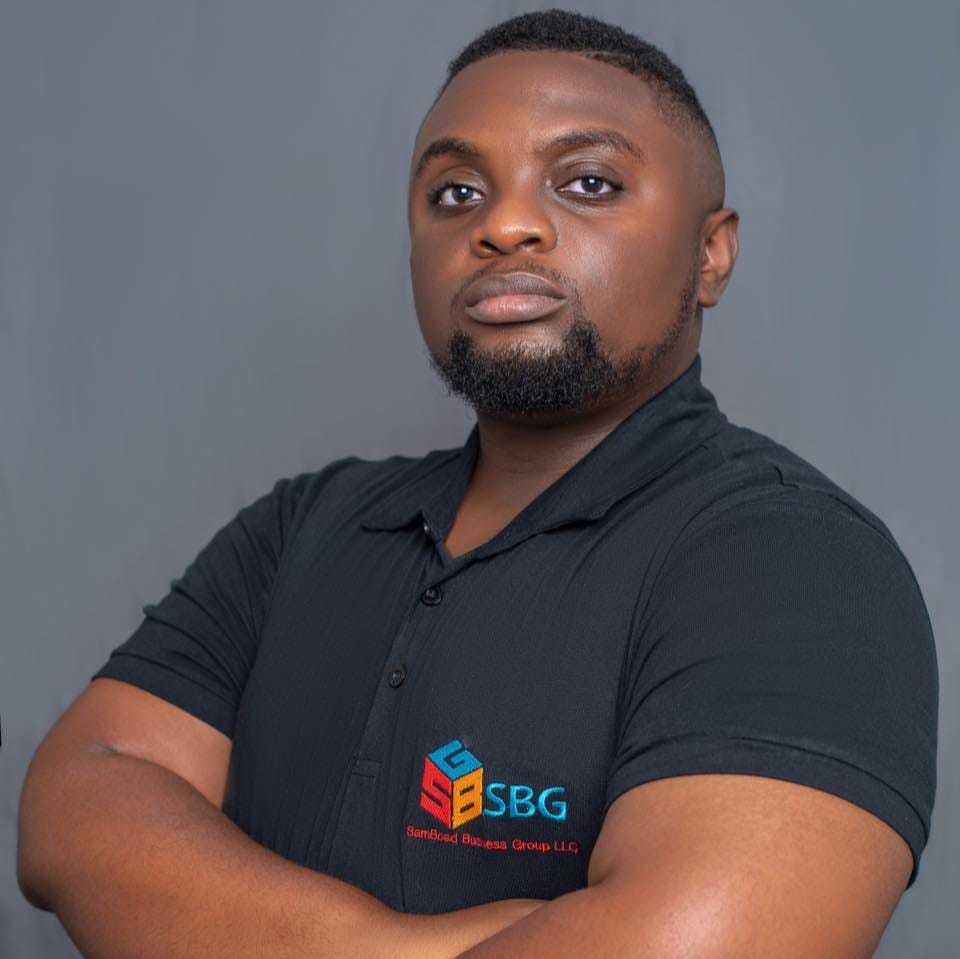
Samuel Kwame Boadu is a Ghanaian entrepreneur, writer, and digital consultant passionate about creating impactful stories and business solutions. He is the Founder & CEO of SamBoad Business Group Ltd, a dynamic company with subsidiaries in digital marketing, logistics, publishing, and risk management.