









The cold chain is invisible, but its economics run deeper than most retail businesses
QUICK FACTS BOX
| Category | Details |
|---|---|
| Industry | Cold chain logistics / Frozen food retail |
| Typical Business Model | Storage-as-a-Service + Retail margin + Wholesale distribution |
| Primary Revenue Driver | Electricity mark-up + Storage fees + Product sales |
| Major Cost Centers | Electricity, diesel (generators), rent, freezer maintenance |
| Average Markup (Frozen Foods) | 15–30% (retail); 5–10% (wholesale) |
| Key Customer Segments | Households, restaurants, chop bars, schools, caterers |
| Typical Location | Market centres, residential intersections, near transport terminals |
| Barriers to Entry | High (capital for freezers, generator, stock, stable power backup) |
EXECUTIVE INTRODUCTION
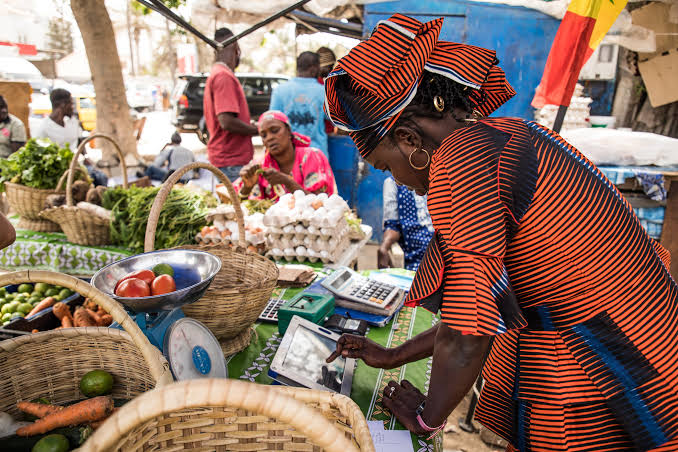
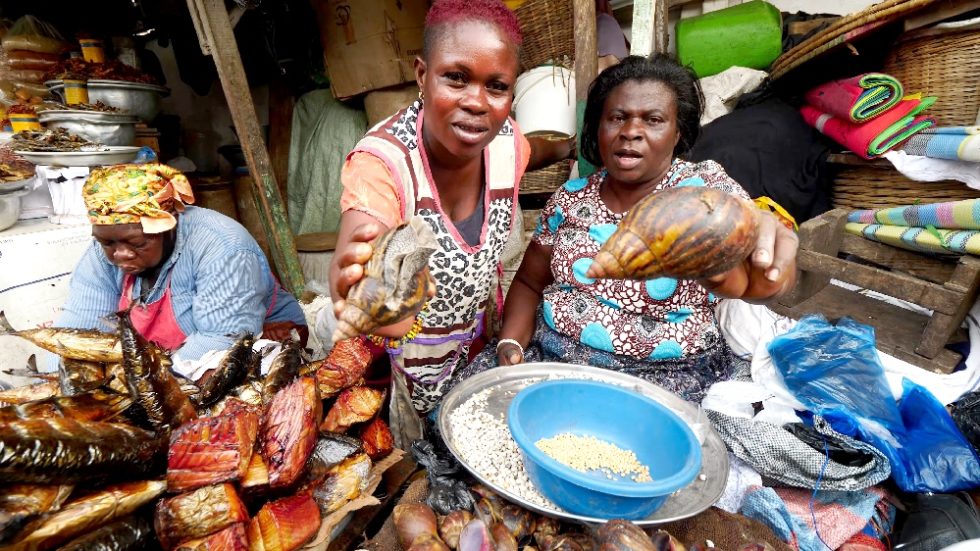
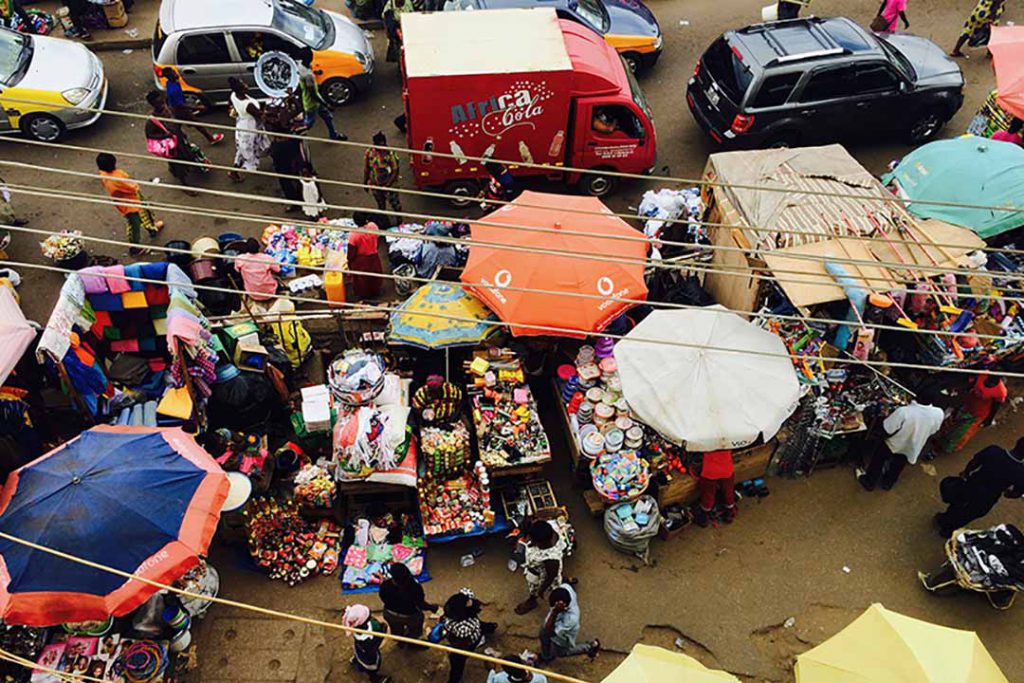
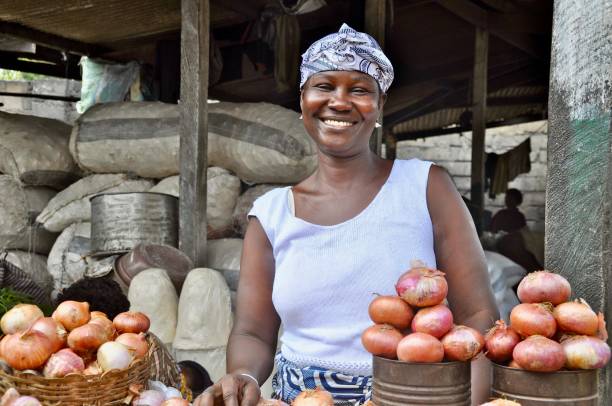
Walk through any Ghanaian market — from Kotokuraba in Cape Coast to Agbogbloshie in Accra — and you will see them. Painted wooden or metal containers with heavy glass-top freezers humming against the heat. Sometimes just a single chest freezer under a worn umbrella. Sometimes a row of five or six inside a concrete block shop with a diesel generator growling out back.
They are called cold stores. But that name undersells what they actually are.
📢 GET DETAILED ARTICLES + JOBS
Join THSB's WhatsApp Channel and never miss a post or opportunity.
A cold store in Ghana is not merely a place that keeps things cold. It is a critical infrastructure node in the country’s fragmented food supply chain. It is a buffer against erratic power. It is a price arbitrage machine. And for the owners who understand the unit economics, it is one of the most resilient cash-generating small businesses in the informal economy — precisely because it solves a problem that formal retailers have largely failed to address: how to get frozen protein and staples from port to plate without spoilage.
This intelligence profile dissects the cold store business model in Ghana. We will strip away the surface — the familiar sight of freezers and the smell of frozen fish — and look at the actual mechanics: margins, cost structures, risks, competitive moats, and the quiet ways owners have turned refrigeration into a durable livelihood.
This is not a story of innovation or venture capital. It is a story of structural necessity. And that is often more profitable than hype.
COMPANY OVERVIEW (Industry Context)
Unlike the formal cold chain sector — dominated by players like Blue Ocean Cold Chain, Afrifresh, or the logistics arms of major poultry importers — the typical Ghanaian cold store operates in the informal-to-semi-formal space.
Typology of Cold Stores in Ghana
| Type | Scale | Typical Location | Primary Customers |
|---|---|---|---|
| Single-freezer operator | 1–2 chest freezers | Street corner, low-income residential | Households, small chop bars |
| Standard cold store | 3–10 freezers | Market district, high-foot-traffic junction | Households, restaurants, schools |
| Wholesale cold store | 10+ freezers, walk-in cold room | Near major market, transport hub | Retailers, caterers, event planners |
| Integrated distributor | Cold store + retail + wholesale | Industrial area, port vicinity | Small cold stores, institutions |
Most cold stores in Accra, Kumasi, Takoradi, and Tamale fall into the standard category. They are owner-operated, often family-run, and have been in business for five to fifteen years. Few have formal business registration. Many do not pay VAT on frozen goods — a competitive advantage and a regulatory vulnerability.
What They Sell
The typical cold store’s freezer inventory breaks down roughly as:
-
Frozen fish (60–70% of stock) — Mackerel, tuna, croaker, sardines, horse mackerel. Mostly imported from Mauritania, Senegal, Norway, and Chile.
-
Frozen chicken (20–30%) — Imported poultry parts (thighs, drumsticks, wings) from Brazil, the US, and Europe.
-
Frozen meat (5–10%) — Beef, goat, occasionally pork. Mostly local slaughter but frozen to extend shelf life.
-
Other frozen goods — Vegetables (peas, mixed veg), processed foods (sausages, fish fingers), ice blocks.
The dominance of imported frozen fish and chicken is not accidental. Ghana’s domestic fishing fleet is depleted. Local poultry production cannot compete with Brazilian or American imports on price. The cold store sits at the intersection of these supply failures and persistent consumer demand for animal protein.
BUSINESS MODEL
Cold stores make money through three overlapping revenue streams. Smart operators layer all three. Novices rely on just one and struggle.
Revenue Stream 1: Retail Margin on Frozen Goods
This is the most obvious and least profitable stream.
A cold store buys frozen goods from wholesalers or directly from importers. Typical purchase volumes: 50–200 cartons of frozen fish at a time. Each carton weighs 10–20 kg. The owner loads everything into their freezers — often buying more than they can immediately sell because bulk pricing improves margin.
Example economics (frozen mackerel, Accra market, 2024):
| Item | Amount (GHS) |
|---|---|
| Wholesale cost per carton (15 kg) | 450 |
| Wholesale cost per kg | 30 |
| Retail price per kg | 38–42 |
| Gross margin per kg | 8–12 |
| Gross margin % | 21–28% |
After factoring in electricity, transport, spoilage, and occasional generator fuel, net margins fall to 10–15% on retail. That is thin. Which is why successful cold stores do not rely solely on walk-in retail.
Revenue Stream 2: Storage-as-a-Service (Cold Storage Rental)
This is the hidden profit centre — and the reason cold stores can survive when retail slows.
Many cold stores rent freezer space to small-scale food vendors: chop bar operators, mobile food sellers, caterers, and even other retailers who do not own freezers. The arrangement is simple: a vendor pays a weekly or monthly fee to keep their goods in the cold store’s freezers. The cold store does not own the stock. It just stores it.
Typical storage fees (Accra, 2024):
| Freezer size | Storage fee per week (GHS) | Typical users |
|---|---|---|
| Half a chest freezer | 30–50 | Small chop bar, one-woman catering |
| Full chest freezer | 60–100 | Restaurant, school kitchen |
| Dedicated commercial freezer | 150–300 | Event caterer, butcher |
The beauty of storage revenue is low marginal cost. The freezer is already running. The electricity is already being paid. Adding more goods — up to the freezer’s capacity — consumes almost no additional power. Storage fees become nearly pure profit after the first few users.
One cold store owner at Madina market told us: “My freezers are fully paid for by storage fees alone. Whatever I sell from my own stock is profit on top.
Revenue Stream 3: Wholesale Distribution to Smaller Cold Stores
This is the scale play. A large cold store — usually one with a walk-in cold room — buys container loads directly from importers at Tema Port, then sells cartons to smaller cold stores across the city or region.
The economics shift entirely at this level. Instead of selling per kilogram, the large cold store sells per carton. Margins per unit are smaller (5–8% gross), but volumes are massive. A single container of frozen fish (20–25 metric tonnes) can generate GHS 30,000–50,000 in revenue.
This model requires:
-
Significant working capital (GHS 150,000–300,000 per container)
-
A dedicated cold room (not just chest freezers)
-
Transport capacity (or contracted trucks)
-
Credit relationships with importers and smaller retailers
Few cold stores operate at this level. Those that do are effectively informal cold chain distributors — a role that formal logistics companies find too fragmented to serve profitably.
Ancillary Revenue
-
Ice blocks — Sold to fishmongers, mobile vendors, households. Low margin but high frequency. Good for foot traffic.
-
Bagged ice (crushed) — For bars, smoothie sellers, event caterers.
-
Freezer rental to event organizers — Weekend parties, weddings, funerals. Owner delivers freezer and generator on a truck.
MARKET POSITION & COMPETITION
The Competitive Landscape
Cold stores compete in a crowded but fragmented market. No single operator dominates. Competition is intensely local — your competitor is the cold store 200 metres away, not the one across town.
Direct competitors:
-
Other cold stores (the most significant threat)
-
Supermarkets (Shoprite, Melcom, Palace, MaxMart) — but their frozen sections are limited and prices are higher
-
Open-market wet fish sellers (fresh, not frozen) — different consumer segment
-
Mobile frozen food hawkers (pushcarts with small freezers)
Indirect competitors:
-
Household freezers — more Ghanaian homes now own freezers, reducing the need to buy daily. This has hurt cold stores in middle-income neighbourhoods.
-
Butcher shops — for fresh meat, but not fish or chicken.
Market Share Influence
No reliable public data exists on cold store market share. Based on field interviews across Greater Accra and Ashanti Region (2023–2024), we estimate:
-
Total frozen food retail in Ghana: GHS 3.5–4.5 billion annually
-
Share captured by informal cold stores: 65–75%
-
Share captured by supermarkets and formal retailers: 15–20%
-
Share captured by direct wholesale to institutions: 10–15%
Cold stores dominate the frozen food market not because they are efficient but because supermarkets have failed to reach most neighbourhoods. A cold store on a dusty roadside in Nima or Asawase serves a need that Shoprite will never address.
Competitive Advantages of the Cold Store Model
| Advantage | Explanation |
|---|---|
| Proximity | Located within walking distance of customers |
| Credit sales | Many cold stores sell on credit to trusted customers — supermarkets rarely do |
| Small pack sizes | Will sell half a fish or three chicken wings — formal retail demands whole packs |
| Price flexibility | Can adjust prices daily based on wholesale costs |
| Zero VAT (mostly) | Informal operators do not charge or remit VAT, undercutting formal competitors by 12–15% |
| Social capital | Owner knows customers by name, offers flexible payments, attends same church |
COST STRUCTURE & UNIT ECONOMICS
For a standard cold store (6 chest freezers, Accra residential market, 2024):
Monthly Operating Costs
| Cost Item | Amount (GHS) | % of total costs |
|---|---|---|
| Electricity (grid + prepaid) | 800–1,200 | 25–30% |
| Diesel for generator | 600–1,000 | 20–25% |
| Rent | 500–1,500 | 15–20% |
| Stock replacement | 5,000–15,000 | N/A (cost of goods sold, not operating cost) |
| Transport (collection + delivery) | 400–700 | 10–12% |
| Freezer maintenance/repair | 200–400 | 5–8% |
| Labour (1–2 attendants) | 600–1,000 | 15–20% |
| Miscellaneous (bags, water, etc.) | 100–200 | 3–5% |
Electricity and diesel together often exceed rent. This is the defining cost reality of cold stores in Ghana: you are in the power business as much as the frozen food business.
Monthly Revenue Estimate (Standard Cold Store)
| Revenue Stream | Low-end (GHS) | High-end (GHS) |
|---|---|---|
| Retail sales | 8,000 | 20,000 |
| Storage fees | 800 | 2,500 |
| Ice/ancillary | 300 | 800 |
| Total monthly revenue | 9,100 | 23,300 |
Profit Estimate
| Scenario | Monthly profit (GHS) | Monthly profit margin |
|---|---|---|
| Poor month (low sales, power cuts) | 500–1,500 | 5–12% |
| Average month | 2,000–4,000 | 15–25% |
| Good month (high sales, minimal power cuts) | 5,000–8,000 | 25–35% |
A well-run cold store in a good location generates GHS 3,000–6,000 monthly net profit for the owner. That places it in the top tier of informal retail businesses in Ghana — comparable to a successful provisions shop or a small restaurant, but with less labour intensity.
CHALLENGES & RISKS
1. Electricity — The Existential Risk
No cold store can survive without power. When the grid fails — as it does daily in many parts of Ghana — the generator must start within minutes. Diesel is expensive. The cost per litre fluctuates with global oil prices and the cedi. Owners spend sleepless nights listening for the hum of the freezer compressor.
In prolonged dumsor (power rationing) periods, cold stores suffer spoilage, higher fuel costs, or both. The 2022–2023 power crisis pushed many marginal cold stores out of business.
2. Spoilage
Frozen goods are not immortal. Freezers fail. Compressors break. The generator runs out of fuel at 3 am. A single night of thawing can destroy GHS 2,000–10,000 worth of stock. Successful cold stores build spoilage assumptions into their pricing — typically 3–5% of stock value monthly.
3. Cedi Depreciation
Most frozen goods are imported. Importers pay in dollars. When the cedi falls, wholesale prices rise within days. Cold stores face a brutal choice: raise retail prices and lose customers, or absorb the increase and lose margin. Many choose a middle path — raising prices partially and accepting thinner margins until customers adjust.
4. The Household Freezer Threat
As Ghana’s middle class grows, more households buy their own freezers. A family with a domestic freezer can buy in bulk from a wholesale cold store once a week, bypassing the neighbourhood cold store entirely. This trend has already closed many cold stores in areas like East Legon, Tema Community 11, and Kumasi’s Ridge neighbourhood.
5. Regulatory Risk
Local government task forces occasionally raid informal cold stores for non-payment of operating permits or undeclared import duties on frozen goods. The risk is low but real. Larger cold stores — those operating walk-in cold rooms — are more visible and more vulnerable.
6. Competition from Formal Retail
Supermarket expansion — particularly by Chinese-owned chains and domestic players like MaxMart — slowly chips away at cold store dominance. The threat is not immediate but it is structural. Over a 10–15 year horizon, cold stores in dense urban centres will face pressure.
DIGITAL STRATEGY & INNOVATION
This section is brief because cold stores are not digital-first businesses. However, observable trends include:
-
Mobile money payments — Almost universal now. Cold stores without MoMo agents lose customers.
-
WhatsApp ordering — Regular customers message orders, cold store prepares, delivery via local dispatch rider (Yango, Bolt Food, or informal bike boys).
-
Inventory management apps — A few sophisticated operators use simple Android apps to track stock, spoilage, and expiry.
-
Social media marketing — Facebook and TikTok presence for promotions (e.g., “free fish Friday”).
But the core model remains stubbornly analog. This is not a failure of innovation. It is a recognition that cold stores succeed because of physical proximity and social trust — neither of which scales digitally.
ECONOMIC & INDUSTRY IMPACT
Contribution to Ghana’s Economy
Cold stores are invisible in GDP statistics. The Ghana Statistical Service does not track them as a separate category. But their impact is real:
-
Employment: Estimated 50,000–80,000 direct jobs (owners and attendants) across the country. Indirect jobs (transport, ice block makers, freezer repair technicians) add another 20,000–30,000.
-
Protein access: Cold stores are the primary source of affordable animal protein for low- and middle-income households. Without them, chicken and fish would be luxuries for most Ghanaians.
-
Waste reduction: Frozen storage prevents spoilage of imported goods that would otherwise rot in tropical heat. The cold store network is, in effect, a distributed cold chain that Ghana never formally built.
Backward and Forward Linkages
-
Backward: Importers and wholesalers depend on cold stores as last-mile distributors. No cold stores, no route to market for container loads of frozen fish.
-
Forward: Chop bars, schools, hospitals, and caterers depend on cold stores for daily supplies. The entire informal food service economy rests on frozen protein from cold stores.
FUTURE OUTLOOK
Short-to-Medium Term (1–5 years)
The cold store model will survive but consolidate. High electricity costs and household freezer adoption will push marginal operators out. Surviving cold stores will:
-
Add more storage-for-rent revenue (the safest margin)
-
Move into wholesale distribution if capital permits
-
Offer delivery services (fee-based or free above a threshold)
-
Form informal buying groups to negotiate better wholesale prices
Long-Term (5–10+ years)
Three forces will reshape the sector:
-
Solar refrigeration — Falling prices for solar panels and battery storage will eventually make grid-independent freezers affordable. The first cold store owner who deploys reliable solar-plus-battery will have a permanent cost advantage.
-
Supermarket encroachment — As supermarkets expand into lower-income neighbourhoods (the “Shoprite downmarket” strategy that has worked elsewhere in Africa), cold stores will lose foot traffic.
-
Domestic cold chain formalisation — If Ghana ever builds a proper national cold chain (cold trucks, port-side cold storage, distribution hubs), the informal cold store’s role will shrink to pure retail. That is still a decade away at minimum.
Strategic Risks to Watch
-
Poultry import restrictions — Government pressure to ban or limit imported chicken would reshape cold store inventory. Most would pivot to fish and local meat.
-
Electricity tariff reform — If commercial electricity tariffs rise significantly, cold store margins will collapse.
-
Climate change — Higher ambient temperatures mean freezers work harder and consume more power. Already observable.
THSB CONCLUSION
The Ghanaian cold store is not a glamorous business. It does not attract foreign investment. It will not feature in tech media. But it is one of the most structurally resilient small businesses in the country — not because owners are brilliant (though many are sharp operators), but because they solve a fundamental economic problem.
Ghana cannot keep animal protein cold at scale. The formal cold chain is too expensive, too centralised, and too poorly maintained. Into that gap stepped thousands of cold store owners with chest freezers, diesel generators, and a willingness to sit in a small shop for fourteen hours a day.
The model works because it is simple: buy cheap, sell small, store for others, and never let the freezer stop humming. The risks are real — power, spoilage, competition — but the demand is universal. People need to eat. Protein must stay cold. And until Ghana builds something better, the cold store will remain the quiet backbone of the country’s frozen food system.
That is not a story of disruption. It is a story of friction and function. And in African markets, those are often the most durable businesses of all.
FAQ SECTION
1. How do cold stores in Ghana make their main profit?
Cold stores generate profit from three streams: retail margins on frozen goods (typically 10–15% net), storage fees charged to vendors who rent freezer space (often pure profit after electricity), and wholesale distribution to smaller cold stores. Storage fees are the most profitable because the marginal cost is near zero once freezers are running.
2. How much capital do you need to start a cold store in Ghana?
A single chest freezer cold store requires GHS 8,000–15,000 for freezers, initial stock, generator, and rent. A standard 6-freezer operation needs GHS 30,000–50,000. A wholesale cold store with a walk-in cold room requires GHS 150,000–300,000 or more.
3. Is selling frozen fish more profitable than frozen chicken in Ghana?
Generally, yes. Frozen fish has higher turnover and steadier demand across all income levels. Chicken is also profitable but faces more competition from supermarkets and is more affected by import policy debates. Most successful cold stores stock 60–70% fish and 20–30% chicken.
4. What is the biggest expense for a cold store in Ghana?
Electricity and diesel together. In most cold stores, power costs exceed rent. During periods of dumsor (power rationing), diesel can consume 40% or more of gross revenue. This is the single biggest risk to profitability.
5. Can a cold store operate without a generator in Ghana?
Not reliably. Grid power fails too often. A cold store without a backup generator will suffer spoilage within hours of a blackout. Any serious cold store must budget for a generator and diesel.
6. Do cold stores in Ghana pay taxes?
Most informal cold stores do not pay VAT or corporate income tax. Some register for business operating permits at the local assembly level but many do not. This tax avoidance is a competitive advantage against formal retailers but a regulatory risk.
7. How do cold stores handle spoilage?
Successful cold stores assume 3–5% monthly spoilage and build it into pricing. They rotate stock (first-in, first-out), avoid overfilling freezers (which reduces airflow and cooling), and sometimes sell near-expiry goods at a discount or as animal feed.
8. Are cold stores profitable in rural Ghana?
Less so than in urban areas. Rural cold stores face lower customer density, longer supply chains (higher transport costs), and more frequent power cuts. However, they also face less competition. A single well-placed cold store in a rural town can be very profitable as a local monopoly.
9. How does the cedi exchange rate affect cold store profits?
Strongly. Most frozen goods are imported and priced in dollars. When the cedi depreciates, wholesale costs rise immediately. Cold stores must either raise retail prices (losing customers) or absorb the increase (losing margin). This is a constant, painful reality of the business.
10. What is the future of cold stores in Ghana?
Consolidation. High power costs and household freezer adoption will push marginal cold stores out. Surviving cold stores will add storage-for-rent revenue, offer delivery, and some will move into wholesale distribution. Solar refrigeration is the single biggest opportunity for cost reduction over the next 5–10 years.
11. Do cold stores in Ghana sell on credit?
Many do, especially to regular customers like chop bars, schools, and caterers. Credit terms are usually 1–2 weeks. Credit sales build loyalty but increase risk. Successful cold stores limit credit to trusted customers and charge slightly higher prices for credit purchases.
12. How do cold stores compete with supermarkets?
By offering proximity, smaller pack sizes, credit, and lower prices (through VAT avoidance and lower overheads). A cold store on a residential corner will always win against a supermarket that requires a 15-minute walk or drive — at least until supermarkets also move into the neighbourhood
Source: The High Street Business
Disclaimer: Some content on The High Street Business may be aggregated, summarized, or edited from third-party sources for informational purposes. Images and media are used under fair use or royalty-free licenses. The High Street Business is a subsidiary of SamBoad Publishing under SamBoad Business Group Ltd, registered in Ghana since 2014.
For concerns or inquiries, please visit our Privacy Policy or Contact Page.

Samuel Kwame Boadu is a Ghanaian entrepreneur, writer, and digital consultant passionate about creating impactful stories and business solutions. He is the Founder & CEO of SamBoad Business Group Ltd, a dynamic company with subsidiaries in digital marketing, logistics, publishing, and risk management.