

Counting the Uncounted — Why Ghana Must Integrate Informal Cross-Border Trade Into Its Growth Strategy

Fintech Startups and the New Banking Era

Nearly half of Ghana’s economic engagements with its neighbouring countries take place within the informal sector, a development that significantly affects the accurate assessment of the country’s economic growth.

According to new data from the Ghana Statistical Service (GSS), a substantial portion of trade between Ghana and its northern and western neighbours occurs outside formal systems, obscuring the true size and performance of the Ghanaian economy.

Launching the Informal Cross-Border Trade (ICBT) Survey, Government Statistician, Dr Alhassan Iddrisu, explained that Ghana’s Gross Domestic Product (GDP) calculations may be understating real economic activity, as informal trade flows are not fully captured in national accounts.

📢 GET A DETAILED ARTICLES + JOBS

Join SamBoad's WhatsApp Channel and never miss a post or opportunity.

📲 Join the Channel Now

The GSS’s maiden ICBT survey tracked the movement of goods between Ghana and neighbouring Togo, Côte d’Ivoire, and Burkina Faso that pass through informal customs channels.

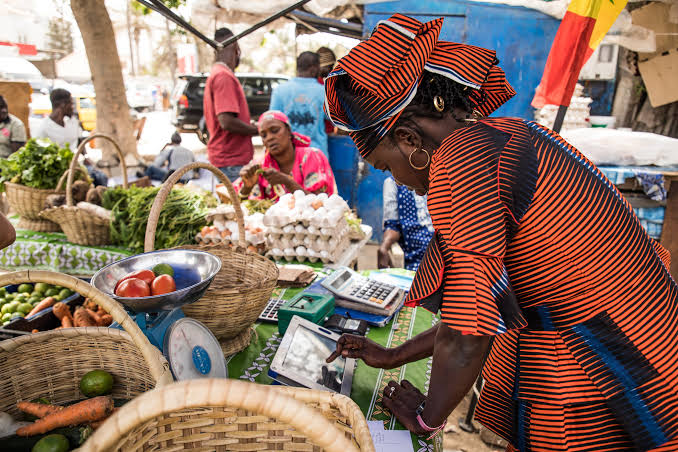
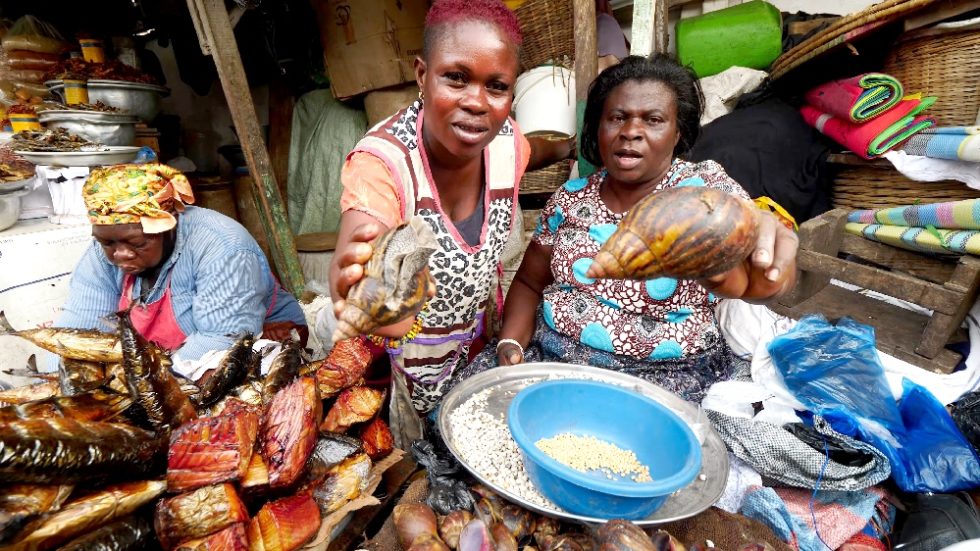
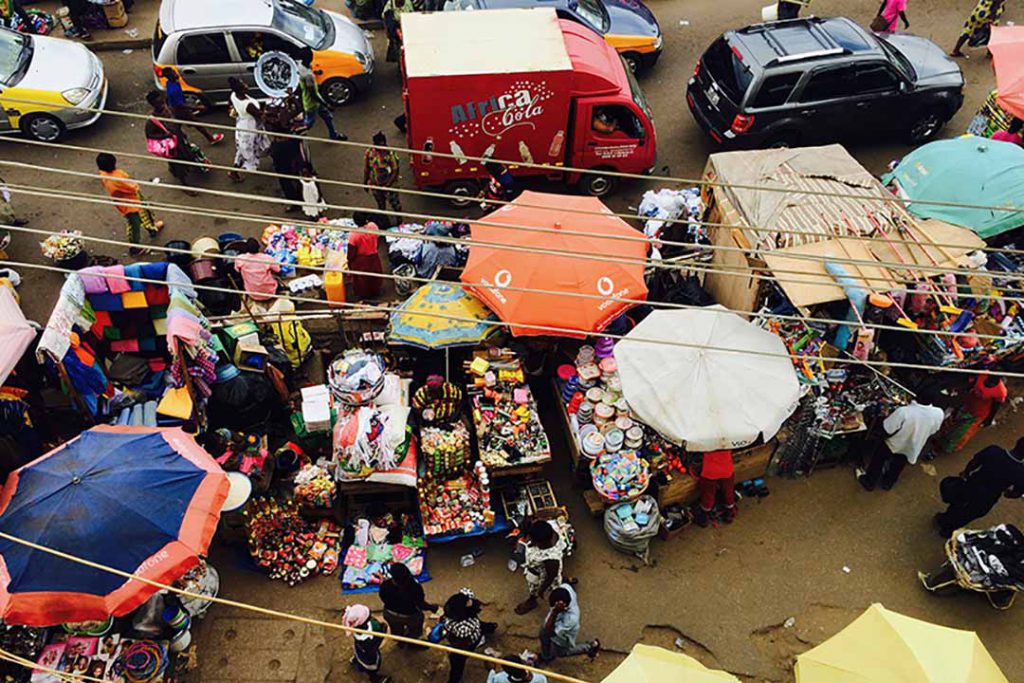
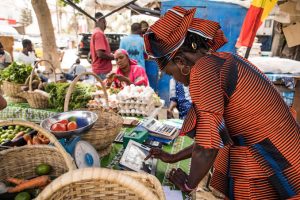
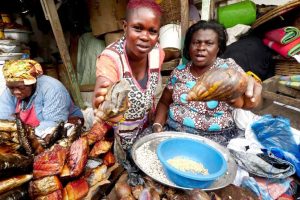
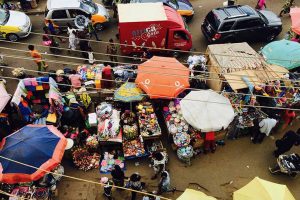
The findings highlight that informal cross-border trade remains a vital part of Ghana’s economy, generating billions of cedis annually and sustaining thousands of small traders, farmers, transporters, and market operators.

Because much of this activity goes unrecorded, the country’s official trade statistics and GDP estimates fail to present a complete picture of economic performance.

Dr Iddrisu noted that the goal is not to suppress informal trade, but rather to recognise and support it, ensuring that policy reflects economic realities.

“When we acknowledge informal trade as legitimate economic activity, we build a more inclusive and realistic picture of our economy,” he stated.

He further explained that GDP and trade statistics depend on understanding the value of goods and services entering and leaving the country.

OTHERS READING:  Shell Moves Closer to Ending Century-Long Fuel Retail Presence in South Africa

When significant volumes of goods cross borders informally, national accounts fail to capture these flows, resulting in undercounted GDP, distorted growth rates, and poorly targeted policies due to gaps in data on demand, supply, and distribution.

With the ICBT data now publicly available, the GSS is urging government, the private sector, and development partners to move from dialogue to decisive action—investing in border infrastructure, introducing trader registration and financing schemes, and harmonising regional trade procedures to make cross-border commerce more efficient.

“Now we have the data on informal trade. Let’s use it to design policies that are grounded in evidence,” Dr Iddrisu urged.

Source: Accra Business News

Disclaimer: Some content on The High Street Business may be aggregated, summarized, or edited from third-party sources for informational purposes. Images and media are used under fair use or royalty-free licenses. The High Street Business is a subsidiary of SamBoad Publishing under SamBoad Business Group Ltd, registered in Ghana since 2014.

For concerns or inquiries, please visit our Privacy Policy or Contact Page.

Leave a Reply

Your email address will not be published. Required fields are marked *

Counting the Uncounted — Why Ghana Must Integrate Informal Cross-Border Trade Into Its Growth Strategy

Fintech Startups and the New Banking Era

Nearly half of Ghana’s economic engagements with its neighbouring countries take place within the informal sector, a development that significantly affects the accurate assessment of the country’s economic growth.

According to new data from the Ghana Statistical Service (GSS), a substantial portion of trade between Ghana and its northern and western neighbours occurs outside formal systems, obscuring the true size and performance of the Ghanaian economy.

Launching the Informal Cross-Border Trade (ICBT) Survey, Government Statistician, Dr Alhassan Iddrisu, explained that Ghana’s Gross Domestic Product (GDP) calculations may be understating real economic activity, as informal trade flows are not fully captured in national accounts.

📢 GET A DETAILED ARTICLES + JOBS

Join SamBoad's WhatsApp Channel and never miss a post or opportunity.

📲 Join the Channel Now

The GSS’s maiden ICBT survey tracked the movement of goods between Ghana and neighbouring Togo, Côte d’Ivoire, and Burkina Faso that pass through informal customs channels.

The findings highlight that informal cross-border trade remains a vital part of Ghana’s economy, generating billions of cedis annually and sustaining thousands of small traders, farmers, transporters, and market operators.

Because much of this activity goes unrecorded, the country’s official trade statistics and GDP estimates fail to present a complete picture of economic performance.

Dr Iddrisu noted that the goal is not to suppress informal trade, but rather to recognise and support it, ensuring that policy reflects economic realities.

“When we acknowledge informal trade as legitimate economic activity, we build a more inclusive and realistic picture of our economy,” he stated.

He further explained that GDP and trade statistics depend on understanding the value of goods and services entering and leaving the country.

OTHERS READING:  Dangote Refinery Lowers Fuel Prices to N899.50/Liter for Festive Season Relief

When significant volumes of goods cross borders informally, national accounts fail to capture these flows, resulting in undercounted GDP, distorted growth rates, and poorly targeted policies due to gaps in data on demand, supply, and distribution.

With the ICBT data now publicly available, the GSS is urging government, the private sector, and development partners to move from dialogue to decisive action—investing in border infrastructure, introducing trader registration and financing schemes, and harmonising regional trade procedures to make cross-border commerce more efficient.

“Now we have the data on informal trade. Let’s use it to design policies that are grounded in evidence,” Dr Iddrisu urged.

Source: Accra Business News

Disclaimer: Some content on The High Street Business may be aggregated, summarized, or edited from third-party sources for informational purposes. Images and media are used under fair use or royalty-free licenses. The High Street Business is a subsidiary of SamBoad Publishing under SamBoad Business Group Ltd, registered in Ghana since 2014.

For concerns or inquiries, please visit our Privacy Policy or Contact Page.

Leave a Reply

Your email address will not be published. Required fields are marked *

error: Content is protected. Kindly credit The High Street Business when referencing.