



The global Islamic finance industry closed 2024 with an extraordinary milestone: $3.88 trillion in total assets, cementing its position as one of the fastest-growing segments of global finance. What began decades ago as a niche alternative for faith-based investors has now evolved into a sophisticated, rapidly expanding system drawing interest from sovereigns, institutional investors, and corporations worldwide.
And yet, despite its scale and the appetite for ethical, asset-backed financial instruments, Ghana remains an untapped frontier—a country with the potential to become a major gateway for Islamic finance in West Africa. The question is no longer whether Islamic finance will matter to Ghana’s economic future, but whether the country will move fast enough to claim its place in a shifting global financial order.
According to Dr. Shaibu Ali, Director General of the Islamic Finance Roundtable Initiative Ghana (IFRIG), the time for Ghana to act is now.
📢 GET DETAILED ARTICLES + JOBS
Join THSB's WhatsApp Channel and never miss a post or opportunity.
“Islamic finance is no longer marginal,” Dr. Ali told Accra Street Journal. “It provides an ethical, asset-backed, and risk-sharing model that aligns naturally with Ghanaian cultural and moral values. The global industry’s rapid expansion presents a major opportunity for Ghana to reshape parts of its financial landscape.”
A Global Surge Driven by Stability and Investor Demand
Islamic finance’s multi-trillion-dollar ascent is not accidental. Several macroeconomic and market factors converged in 2024 to push the sector into its strongest period of growth in a decade:
-
Stabilizing interest rates, increasing appetite for alternative instruments
-
Capital flow security, especially in the Gulf region
-
Strong investor demand for Shariah-compliant products tied to real economic activity
This blend of macro drivers has created a perfect storm—one pushing Islamic finance deeper into the mainstream.
A closer look at the regional distribution of assets reveals where global powerhouses sit:
-
GCC countries (Saudi Arabia, UAE, Kuwait): 53.1%
-
East Asia & Pacific (Malaysia, Indonesia): 21.9%
-
Middle East & North Africa (excluding GCC): 16.9%
-
Sub-Saharan Africa, Europe, South Asia: emerging hotspots of expansion
In short, the world’s major emerging markets have embraced Islamic finance, and the rest of the world is catching up.
Banking Still Dominates—But Sukuk and Takaful Are the New Growth Engines
While Islamic banking accounts for 71.6% of industry assets, other segments are accelerating far faster.
Sukuk Market (Islamic Bonds)
Sukuk has become the preferred financing tool for governments seeking long-term, stable, Shariah-compliant capital.
-
2024 Sukuk issuances: $230.4 billion
-
Growth rate: 25.6%
-
Outstanding Sukuk stock: Over $900 billion
Countries from Malaysia to the UK have issued sovereign sukuk to fund major public infrastructure. African economies are increasingly exploring the instrument to diversify financing options while avoiding high-interest conventional debt.
Takaful (Islamic Insurance)
Takaful is expanding even faster than many conventional insurance segments:
-
Assets: $54.4 billion
-
Gross written contributions: $28.6 billion
Growth is driven by rising middle-class populations and demand for ethical, shared-risk insurance solutions.
Despite the impressive growth, Dr. Ali cautions that the industry remains too heavily weighted toward banking, calling for stronger diversification into capital markets, insurance, and fintech.
Why Ghana Cannot Afford to Wait
Ghana is entering a crucial phase of economic restructuring. With inflation cooling, debt restructuring nearing completion, and capital inflows improving, the financial sector is searching for innovative pathways to deepen liquidity and broaden inclusion.
Islamic finance offers exactly that.
A Pathway to Inclusion for Millions
A significant share of Ghana’s population—particularly in Muslim-majority northern regions—remains unbanked or underbanked, in part due to discomfort with interest-based financial systems. Islamic banking’s profit-and-loss sharing model provides credible alternatives aligned with religious and ethical values.
Islamic microfinance could unlock access to capital for:
-
Smallholder farmers
-
Women-led microenterprises
-
Informal sector traders
-
Low-income households
“This is not just about religion,” Dr. Ali emphasized. “It is about financial inclusion. These are models that allow people to participate in the financial system without compromising their values.”
A Magnet for Gulf Investments
Ghana’s infrastructure ambitions—from hospitals to roads to renewable energy—require large, patient capital. Gulf countries and Southeast Asian sovereign funds increasingly deploy capital through Shariah-compliant channels.
“Sukuk is a gateway to Gulf capital,” Dr. Ali observed. “Ghana can issue sovereign sukuk to finance hospitals, roads, schools, and green energy without increasing conventional debt.”
Countries like Indonesia, Malaysia, Nigeria, the UK, and the UAE have successfully used sukuk to finance infrastructure. Ghana, he argues, should follow suit.
The Regulatory Push Ghana Needs
For Ghana to position itself as a West African Islamic finance hub, Dr. Ali outlined key policy measures:
1. Establish a Clear Legal and Regulatory Framework
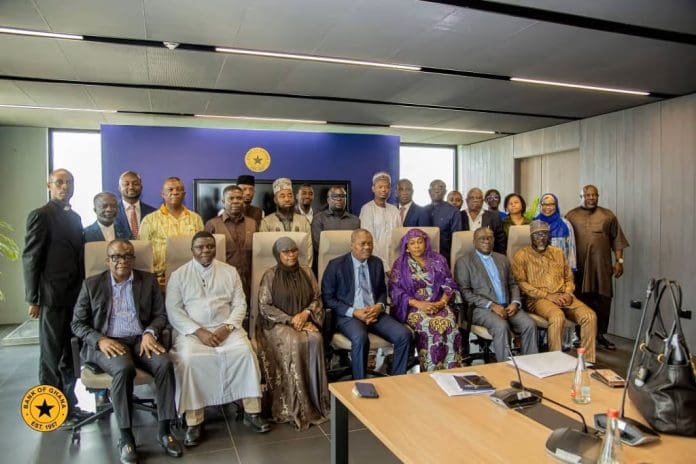
The Bank of Ghana has already set up a high-level technical team to draft the country’s Islamic finance framework. But the regulatory roadmap must be completed and operationalized.
2. Ensure Tax Neutrality
Islamic contracts often involve multiple transactions; without tax neutrality, they become more expensive than conventional instruments.
3. Enable Islamic Banking Licenses and Windows
Allowing both fully fledged Islamic banks and Islamic finance windows in traditional banks will broaden consumer access.
4. Support for Takaful Operators
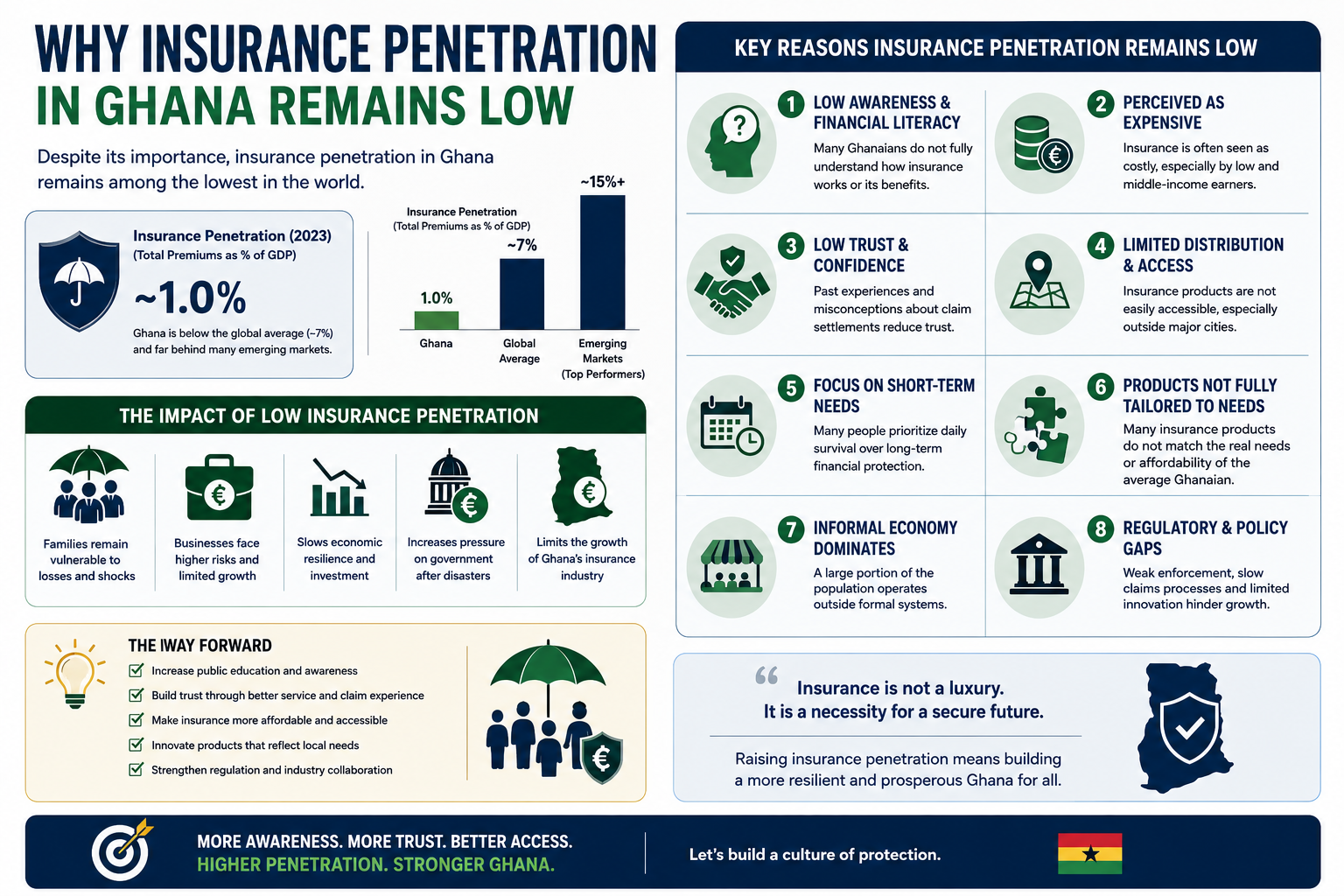
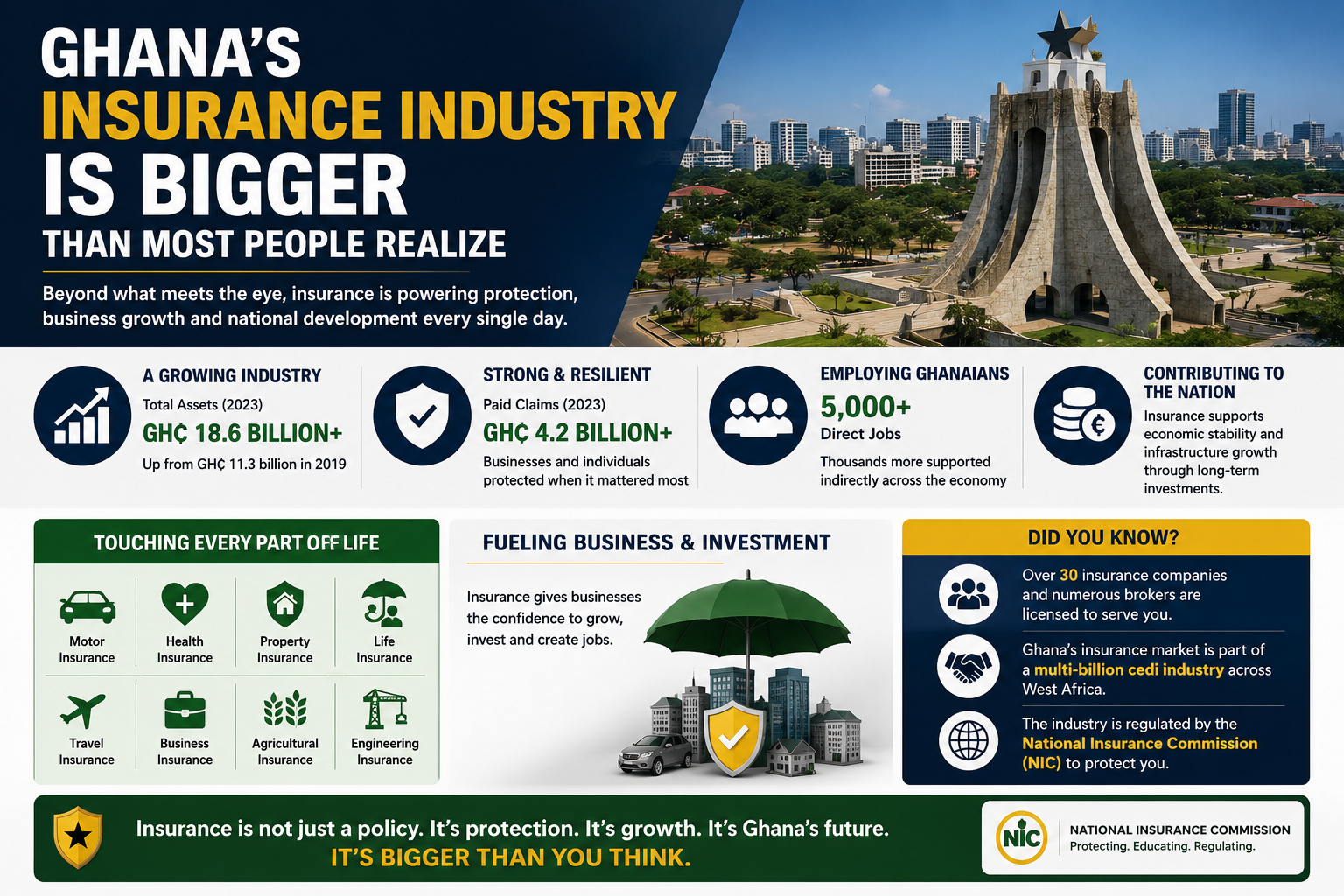
Insurance penetration in Ghana remains low. Takaful can strengthen the insurance ecosystem while supporting inclusion.
5. Deepen Public Education and Financial Literacy
Islamic finance is still misunderstood by many Ghanaians. Awareness campaigns and market education are essential.
The Social Impact Ghana Cannot Ignore
Islamic microfinance and philanthropic mechanisms like waqf (endowment funds) can reshape community development:
-
Interest-free loans for the poor
-
Shared-risk financing for small businesses
-
Funding for health, education, and social services
“These are ethical, inclusive, and resilient models,” Dr. Ali stressed. “If Ghana integrates Islamic finance properly, the social impact will be profound.”
A Global Industry Ghana Must Not Ignore
The Islamic finance industry enters 2025 with strong momentum, but its future hinges on:
-
Regulatory harmonization
-
Innovation in financial products
-
Cross-border partnerships
For Ghana, the opportunity is both strategic and time-sensitive. A well-constructed Islamic finance framework could anchor decades of investment, reduce reliance on conventional debt, deepen financial inclusion, and unlock new global partnerships.
As Dr. Ali warns:
“The rise of Islamic finance is global. Ghana must not be left behind.”
Source: The High Street Business
Disclaimer: Some content on The High Street Business may be aggregated, summarized, or edited from third-party sources for informational purposes. Images and media are used under fair use or royalty-free licenses. The High Street Business is a subsidiary of SamBoad Publishing under SamBoad Business Group Ltd, registered in Ghana since 2014.
For concerns or inquiries, please visit our Privacy Policy or Contact Page.
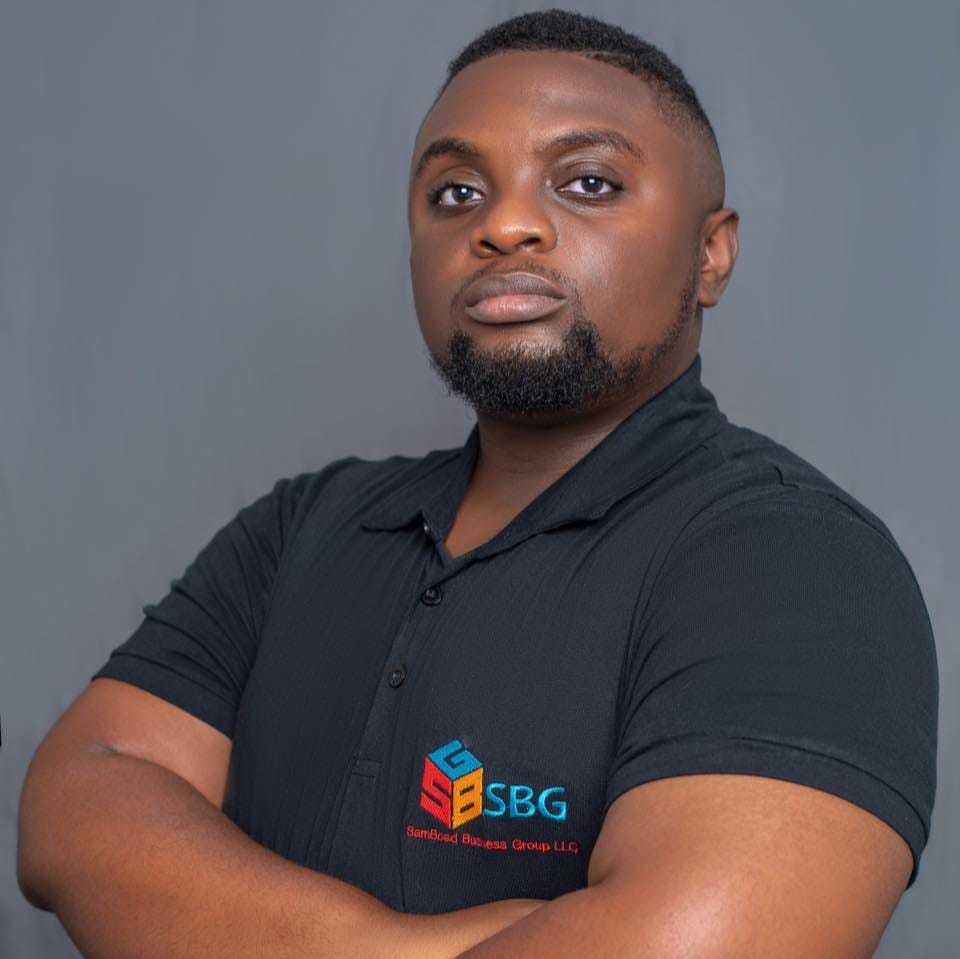
Samuel Kwame Boadu is a Ghanaian entrepreneur, writer, and digital consultant passionate about creating impactful stories and business solutions. He is the Founder & CEO of SamBoad Business Group Ltd, a dynamic company with subsidiaries in digital marketing, logistics, publishing, and risk management.