









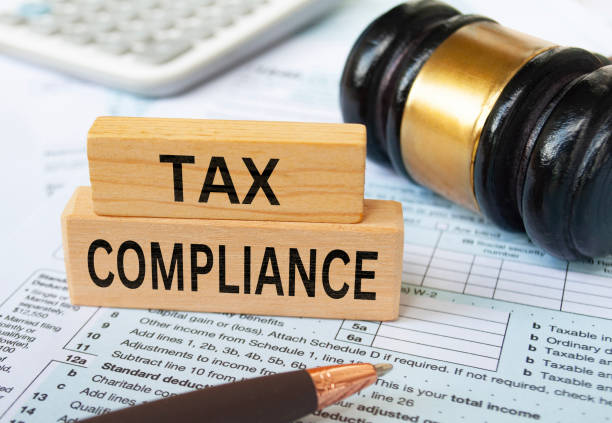

Tax compliance is often viewed narrowly—as a legal obligation or administrative burden. For many businesses and individuals, taxation is seen primarily through the lens of cost. Yet tax compliance is far more than a statutory requirement. It is a foundational pillar of economic stability, business credibility, and national development.
At The High Street Business, we approach tax compliance not simply as a regulatory issue, but as an economic necessity. This editorial explains why tax compliance matters in Ghana, how it affects businesses and the wider economy, and why sustainable growth depends on responsible participation in the tax system.
1. What Tax Compliance Means
Tax compliance refers to the accurate reporting of income, proper calculation of tax obligations, and timely payment of taxes as required by law.
📢 GET DETAILED ARTICLES + JOBS
Join THSB's WhatsApp Channel and never miss a post or opportunity.
For businesses, compliance includes:

-
Registering appropriately
-
Maintaining accurate financial records
-
Filing returns on time
-
Paying corporate, income, and indirect taxes as required
For individuals, it involves declaring income honestly and meeting personal tax obligations.
Compliance is not merely payment—it is transparency and accountability.
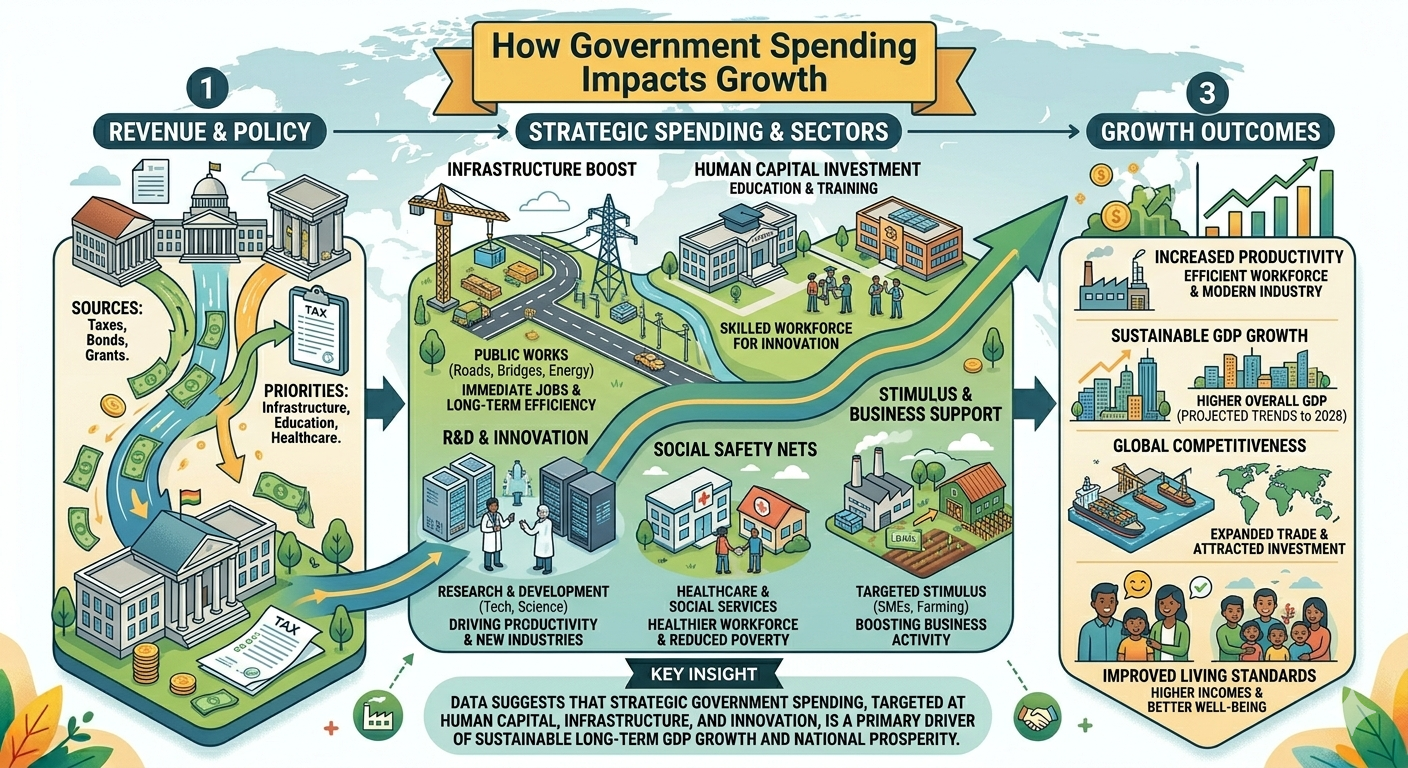
2. Public Revenue and National Development
Taxes are the primary source of government revenue. They finance public services such as:
-
Healthcare systems
-
Education
When compliance levels are high, government revenue becomes more stable and predictable. This stability supports long-term planning and reduces dependence on borrowing.
In contrast, widespread non-compliance reduces revenue, increases fiscal pressure, and shifts the burden onto compliant taxpayers.
3. Reducing the Burden of Public Debt
Low tax compliance can lead governments to borrow more to meet expenditure needs. Excessive borrowing increases public debt and creates future fiscal constraints.
High compliance broadens the tax base, spreads responsibility fairly, and reduces reliance on debt financing. This contributes to macroeconomic stability and improved investor confidence.
Tax compliance therefore supports fiscal sustainability.
4. Creating a Fair Business Environment
When some businesses comply and others do not, market competition becomes distorted. Non-compliant businesses may gain unfair price advantages by avoiding tax obligations.
This creates an uneven playing field, discouraging responsible enterprises and undermining formalisation efforts.

Strong compliance ensures fairness, allowing competition to be based on efficiency and innovation rather than evasion.
5. Strengthening Investor Confidence
Investors assess the credibility of tax systems before committing capital. Transparent, enforceable tax frameworks signal institutional strength.
High compliance rates demonstrate:
-
Regulatory credibility
-
Predictable revenue systems
-
Lower fiscal risk
Countries with strong compliance cultures are generally perceived as more stable investment destinations.
6. Supporting Infrastructure and Business Growth
Businesses rely heavily on public infrastructure—roads, ports, utilities, digital networks, and regulatory systems. These are funded primarily through tax revenue.
Tax compliance contributes indirectly to:
-
Efficient logistics
-
Improved service delivery
-
Reliable regulatory oversight
When tax revenue is adequate, infrastructure improves, lowering operating costs for businesses.
7. Encouraging Formalisation and Financial Inclusion
Compliance encourages formal business registration and proper accounting practices. Formalisation enhances access to:
-
Bank financing
-
Government contracts
Businesses that comply build financial records that improve credibility with lenders and investors.
Tax compliance thus strengthens long-term business viability.
8. Building a Culture of Accountability
Tax compliance fosters a culture of responsibility within the economy. When citizens and businesses fulfil obligations, it strengthens social trust.
A culture of compliance promotes:
-
Transparency
-
Reduced corruption incentives
-
Stronger governance structures
Economic systems function more effectively when rules are respected consistently.
9. Reducing Informality
Ghana’s economy has a significant informal sector. While informality offers flexibility, widespread tax non-compliance limits revenue mobilisation and economic planning.
Encouraging compliance helps integrate informal enterprises into the formal economy, improving data accuracy and policy design.
Gradual formalisation strengthens economic resilience.
10. Compliance and Long-Term Stability
Sustainable economic growth requires predictable revenue systems. Governments that can rely on stable tax income are better positioned to maintain policy consistency and manage economic shocks.
For businesses, operating in a stable fiscal environment reduces uncertainty and enhances strategic planning.
Tax compliance is therefore a shared investment in long-term stability.
11. The Cost of Non-Compliance
Non-compliance carries both legal and economic consequences. Beyond penalties and fines, it can:
-
Damage business reputation
-
Limit access to financing
-
Increase regulatory scrutiny
At a systemic level, widespread evasion increases inequality and weakens public institutions.
The short-term benefit of avoiding taxes often leads to long-term economic harm.
12. Tax Compliance as a Strategic Decision
For forward-looking businesses, compliance is not just an obligation—it is a strategic choice. Compliant businesses are better positioned to scale, attract investors, and participate in international markets.
Transparency and accountability enhance credibility. In a competitive economy, credibility is an asset.
13. Shared Responsibility in Economic Growth
Tax compliance is not solely a government issue; it is a shared responsibility among businesses, individuals, and institutions.
A sustainable economy depends on:
-
Fair contribution
-
Transparent systems
-
Predictable enforcement
At The High Street Business, we emphasise that compliance is foundational to economic trust and national progress.
FAQs
Why is tax compliance important for businesses?
It ensures legal security, builds credibility, and supports access to financing and contracts.
How does tax compliance affect the economy?
It strengthens public revenue, reduces debt reliance, and supports infrastructure development.
Does non-compliance create unfair competition?
Yes. Businesses that evade taxes may undercut compliant firms unfairly.
Can strong tax compliance attract investors?
Yes. It signals stability, transparency, and institutional strength.
Is tax compliance only about paying taxes?
No. It includes accurate reporting, timely filing, and transparent record-keeping.
Source: The High Street Business
Disclaimer: Some content on The High Street Business may be aggregated, summarized, or edited from third-party sources for informational purposes. Images and media are used under fair use or royalty-free licenses. The High Street Business is a subsidiary of SamBoad Publishing under SamBoad Business Group Ltd, registered in Ghana since 2014.
For concerns or inquiries, please visit our Privacy Policy or Contact Page.

Samuel Kwame Boadu is a Ghanaian entrepreneur, writer, and digital consultant passionate about creating impactful stories and business solutions. He is the Founder & CEO of SamBoad Business Group Ltd, a dynamic company with subsidiaries in digital marketing, logistics, publishing, and risk management.