









Commission, fuel, and the long road to profit in Accra’s ride-hailing market
QUICK FACTS BOX
| Category | Details |
|---|---|
| Industry | Ride-hailing / E-hailing transport |
| Typical Business Model | Driver-owned vehicle + platform commission |
| Average Daily Sales (Gross) | GHS 500–1,000 (good day) |
| Bolt Commission Rate | Estimated 25–30% per trip (industry reportedly up from ~15% in 2017) |
| Average Daily Fuel Cost | GHS 200 |
| Average Daily Net Earnings | GHS 400–550 (after Bolt commission and fuel) |
| Average Monthly Net Earnings | GHS 10,000–16,500 (based on 26 working days) |
| Peak Season Earnings (December) | Can exceed GHS 45,000 in holiday month |
| Number of Active Drivers (Est.) | 10,000–15,000 (across Bolt, Uber, Yango) |
| Key Operating Cost | Fuel (40–50% of gross sales before commission) |
| Barriers to Entry | Low–Moderate (vehicle GHS 20k–80k, or rental) |
EXECUTIVE INTRODUCTION
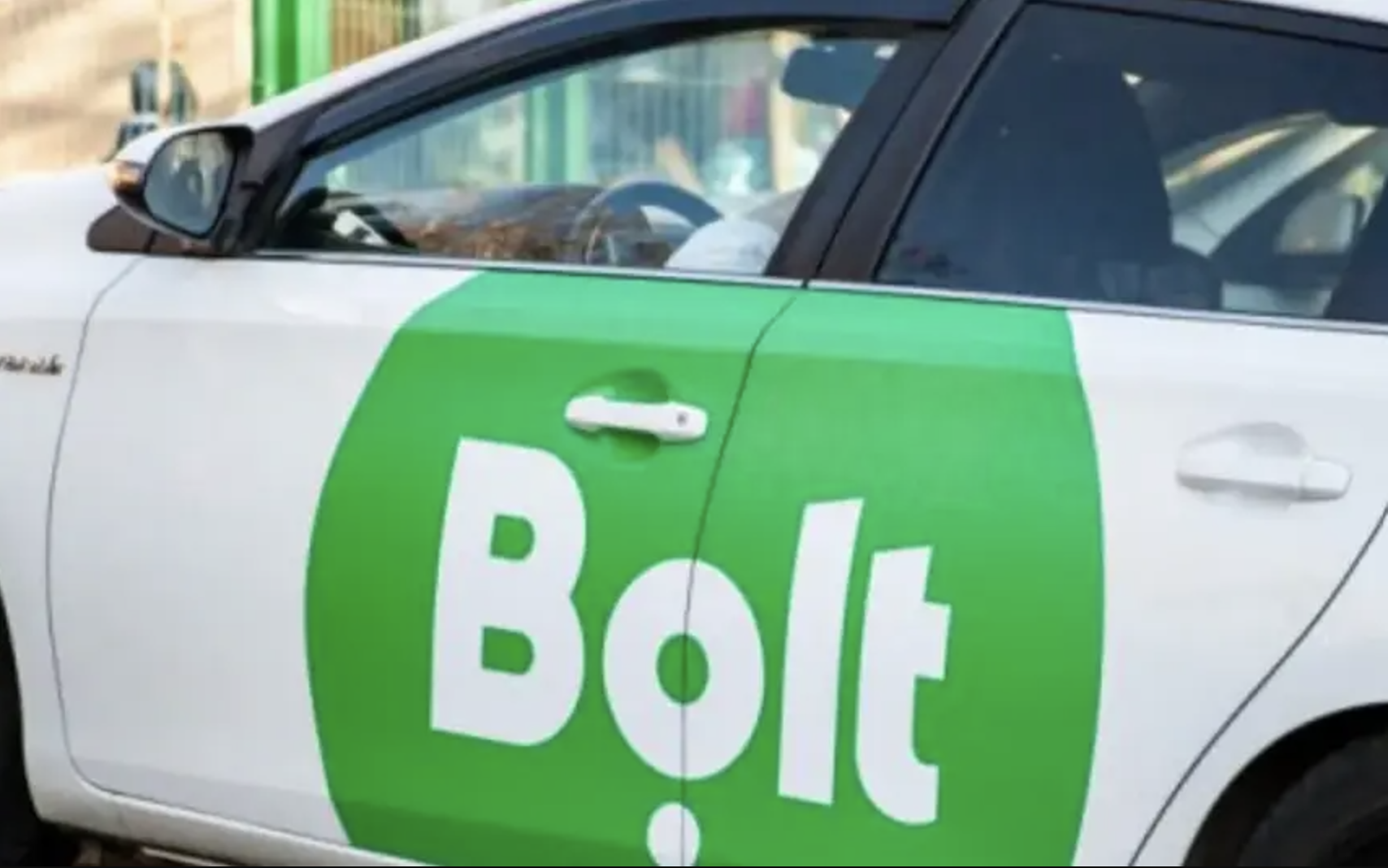
The Bolt driver is the face of Ghana’s ride-hailing revolution. Every day, thousands of them navigate Accra’s notorious traffic, picking up passengers who summon them through an app, and earning money per trip. To the outside observer, it looks like a straightforward transaction: driver drives, passenger pays, platform takes a cut. But beneath the surface lies a complex, capital-intensive, and increasingly squeezed business model.
This profile examines the real economics of being a Bolt driver in Ghana. Drawing on driver testimonies, platform data, and industry analysis, it breaks down the numbers that matter: commission rates (which drivers say have risen to as high as 30%), fuel costs (GHS 200 per day for a 12-hour shift), maintenance, insurance, and the narrow window of net profit that remains after all deductions .
📢 GET DETAILED ARTICLES + JOBS
Join THSB's WhatsApp Channel and never miss a post or opportunity.
The story is not one of easy money. A driver who grosses GHS 1,000 in daily sales may take home only GHS 550 after Bolt commission and fuel . That GHS 550 must then cover vehicle maintenance, insurance, tyre replacement, and the driver’s own living expenses. The 12-hour days are long. The traffic is punishing. The vehicle is depreciating.
And yet, thousands of Ghanaians choose this life. Some because formal employment is unavailable. Others because they have done the math and found that, even after all costs, ride-hailing pays better than the alternatives. A skilled driver on a good route, working peak hours and leveraging platform bonuses, can earn GHS 10,000–15,000 monthly net — a solid middle-class income in Ghana’s economy . During the December peak season, some drivers have reportedly earned over GHS 45,000 in a single month .
This profile does not romanticise or condemn ride-hailing. It lays out the numbers, the trade-offs, and the structural realities that determine whether a Bolt driver succeeds or struggles.
THE RIDE-HAILING VALUE CHAIN
Understanding driver economics requires understanding the relationship between driver, platform, and passenger.
The Three Parties
| Party | Role | Revenue/Cost |
|---|---|---|
| Passenger | Requests ride, pays fare | Pays fare (cash, card, or mobile money) |
| Bolt (Platform) | Matches passengers with drivers, sets pricing, processes payments | Takes commission (estimated 25–30% of fare) |
| Driver | Provides vehicle, fuel, labour, maintenance | Keeps fare minus commission, pays operating costs |
The driver is an independent contractor, not an employee. This distinction is critical. Bolt does not provide:
-
A vehicle (driver must own or rent one)
-
Fuel (driver pays)
-
Maintenance (driver pays)
-
Insurance (driver pays)
-
Health insurance, pension, or paid leave (driver bears all risk)
In return, the driver has flexibility: they can choose when to work, which platform to drive for (Bolt, Uber, Yango, or multiple simultaneously), and whether to accept or decline specific trip requests.
The Commission Structure
The commission is the platform’s primary revenue source. Drivers have reported that commission rates have risen significantly over time:
When Uber began operations in Ghana in 2013 under the Mahama administration, commission charges stood at about 10% per trip. Bolt and Yango later operated with around 15% commission in 2017. However, in recent years, particularly under the previous administration, commissions have reportedly risen to about 30%.”
The Ghana Online Drivers Association has petitioned the government to regulate these commissions, describing the current rates as “unfair and excessive” .
Example commission impact:
| Trip Fare (GHS) | Commission at 25% | Commission at 30% | Difference |
|---|---|---|---|
| 20 | 5 | 6 | 1 |
| 50 | 12.50 | 15 | 2.50 |
| 100 | 25 | 30 | 5 |
Over a day of 20 trips averaging GHS 50 each (GHS 1,000 gross sales), the difference between 25% and 30% commission is GHS 50 — a full day’s fuel cost for some drivers.
The Driver’s Cost Breakdown
A driver who works 12 hours daily faces the following cost structure, based on driver testimonies :
| Cost Item | Daily (GHS) | Monthly (26 days) (GHS) | Notes |
|---|---|---|---|
| Fuel | 200 | 5,200 | Based on 12-hour shift |
| Bolt commission (estimated 25-30% of GHS 1,000 sales) | 250-300 | 6,500-7,800 | |
| Subtotal (before other costs) | 450-500 | 11,700-13,000 | |
| Vehicle maintenance (oil, tyres, servicing) | 20-30 | 520-780 | Amortised |
| Insurance (annual amortised) | 10-15 | 260-390 | |
| Car loan/rental repayment (if applicable) | 20-40 | 520-1,040 | Highly variable |
| Total operating costs | 500-585 | 13,000-15,210 | |
| Net daily earnings | 415-500 | 10,790-13,000 | Based on GHS 1,000 gross sales |
Important note: The net earnings figures above assume GHS 1,000 in daily gross sales. Not every driver achieves this every day. A slower day with GHS 500 in gross sales would yield net earnings of approximately GHS 165-250.
The Driver’s Actual Take-Home
A financial planner who interviewed a Bolt driver directly broke down the numbers:
“The driver shared that he makes around GH₵ 1,000 in sales on a good day. Out of that amount, about GH₵200 goes towards topping up the fuel tank, and Bolt takes roughly GH₵ 250 as commission. After subtracting those two major costs, the driver is left with about GH₵550 as daily profit. When that figure is considered over a longer period, the numbers over the week come to about GH₵ 3,300. Over a month, the estimate stands at roughly GH₵ 15,200.”
The financial planner noted that this calculation does not include car servicing, oil changes, tyre replacement, insurance, and unexpected breakdowns — all of which eat into the GHS 15,200 monthly figure .
SEASONALITY AND PEAK EARNINGS
Not all months are equal for Bolt drivers. The festive season — particularly December — brings a surge in demand as people travel for celebrations, visit family, and attend events.
December 2025 case study: A Bolt driver reportedly earned GHS 45,000 during the Christmas period, which he used to sponsor his brother’s trip to Japan. The driver told a passenger: “He has never seen a Christmas like this one. In this short period, he made GH¢45,000 through his Bolt work and used the money to sponsor his brother’s travel abroad. So many people were in town benefiting from the holiday hustle.”
Reactions from other drivers: The claim drew scepticism from some fellow drivers. One responded: “It’s not possible! The most I could make was around GH¢2,000, and that was from the 23rd to the 3rd. I’m a Bolt driver myself; I worked every day and night.”
What explains the discrepancy? The driver who earned GHS 45,000 likely worked extreme hours (perhaps 16-18 hours daily), benefited from surge pricing (high demand periods), received cash tips, and had low operating costs (possibly an efficient or electric vehicle). The sceptical driver may operate in a less lucrative area or have higher costs.
Other peak periods:
-
Easter (March/April)
-
Valentine’s Day (February 14)
-
Ghana’s Independence Day (March 6)
-
Major holidays and election periods
Drivers who understand seasonality can plan their work schedules to maximise earnings during high-demand periods and rest or perform maintenance during low-demand periods (typically January-February and August).
PLATFORM INITIATIVES TO SUPPORT DRIVERS
Bolt has introduced several programmes aimed at reducing driver costs and improving earnings.
1. Fuel Discount Card (Shell Ezypass)
Bolt partnered with Vivo Energy Ghana (Shell) to offer drivers a fuel card with discounts:
-
0.75% discount per litre on fuel at any Shell station nationwide
-
50% discount off service charge at Shell Lube bays
-
10% discount on filters purchased from Shell Lube bays
-
Cashback bonuses for frequent fuel purchases
While 0.75% is modest (saving approximately GHS 1.50 on a GHS 200 fuel purchase), the maintenance discounts are more substantial.
2. Credit Partnerships (Fido Credit)
Bolt partnered with Fido Credit, a digital finance provider, to offer short-term loans to drivers. Key features:
-
GHS 35 cashback for drivers who repay their first loan
-
GHS 30 commission for referrals (after taking at least two loans)
-
24-hour grace period before interest accrues
Since the partnership launched, over 2,400 Bolt drivers have already taken advantage of the offering, highlighting a strong demand for alternative financing solutions within the sector.
3. Electric Vehicle (EV) Initiative
Bolt partnered with mobility firm MAX to introduce electric motorcycles for commercial riders. The programme uses a subscription-based rent-to-own model, with payments deducted through the Bolt app.
Key benefits:
-
40-50% reduction in operating expenses (no petrol, fewer moving parts to maintain)
-
Eligibility based on driver performance and consistency, not credit scores
-
Includes insurance and access to maintenance network
One of the biggest challenges we have right now is vehicle access and the fact that drivers’ earnings are impacted by maintenance and fuel costs.” — Enoch Amobire, Operations Manager at Bolt
4. Card Payment Incentives
Bolt offers drivers an additional GHS 2 per trip when passengers pay with a card (rather than cash). Partnerships with banks like Ecobank provide:
-
GHS 2 extra per card ride for drivers
-
Discounts for passengers (50% off first ride, 5% off subsequent rides for Ecobank customers)
This incentivises drivers to accept card payments, which reduce cash handling risks and speed up transactions.
5. Driver Rewards and Bonuses
Bolt periodically runs promotions offering bonuses for completing a certain number of trips within a time window, maintaining high acceptance rates, or driving during peak hours.
COST STRUCTURE DEEP DIVE
Fuel: The Largest Variable Cost
Fuel is the driver’s single largest daily expense. A driver working 12 hours spends approximately GHS 200 per day on fuel . This translates to:
-
Weekly: GHS 1,400
-
Monthly (26 days): GHS 5,200
Fuel efficiency matters: A fuel-efficient vehicle (e.g., Toyota Corolla, Hyundai Accent) consumes less fuel per kilometre than a larger engine or poorly maintained car. Drivers who neglect tyre pressure, engine tuning, or oil changes burn more fuel and earn less profit.
Fuel price volatility: When fuel prices rise (as they did sharply in 2022–2023), driver margins compress immediately. Unlike formal employees with fixed salaries, drivers cannot pass increased costs to passengers — fare increases are controlled by the platform.
Vehicle Maintenance (The Silent Profit Killer)
Drivers who focus only on daily fuel and commission often underestimate maintenance costs.
| Maintenance Item | Frequency | Typical Cost (GHS) | Monthly Amortised (GHS) |
|---|---|---|---|
| Engine oil and filter change | Every 5,000 km (1-2 months) | 300-500 | 150-250 |
| Tyre replacement (4 tyres) | Every 40,000 km (6-12 months) | 1,200-2,000 | 100-200 |
| Brake pads | Every 20,000 km (3-6 months) | 200-400 | 50-100 |
| Suspension repairs | As needed | 500-1,500 | 50-100 |
| Air conditioning service | Every 6-12 months | 200-500 | 20-40 |
| Unexpected breakdowns | Variable | 500-2,000+ | 50-100+ (contingency) |
| Total monthly maintenance | 420-790+ |
A driver who neglects maintenance may save GHS 400-800 monthly in the short term but risks a major breakdown (engine failure, transmission issue) costing GHS 5,000-15,000 — wiping out months of profit.
Insurance: The Underestimated Essential
| Insurance Type | Annual Cost (GHS) | Monthly Amortised (GHS) |
|---|---|---|
| Third-party (minimum legal) | 800-1,500 | 67-125 |
| Comprehensive (recommended) | 2,500-5,000 | 208-417 |
| Comprehensive + passenger liability | 3,500-6,000 | 292-500 |
Many drivers carry only third-party insurance to save money. This is risky: in an accident, the driver is personally liable for damage to their own vehicle and medical costs for injured passengers. A serious accident can bankrupt an uninsured driver.
REGULATORY AND INDUSTRY PRESSURES
The Commission Debate
The Ghana Online Drivers Association has been vocal about commission rates. Their petition to President Mahama highlights several concerns:
-
Rising commissions: From approximately 10-15% in the early years of ride-hailing to an estimated 30% currently
-
Lack of transparency in distance calculations and fare pricing
-
No regulatory oversight of platform pricing practices
We are urging the President to intervene and regulate Uber, Bolt, and Yango to review their pricing systems and ensure fairness in distance calculations and charges.” — Augustine Mensah, President, Ghana Online Drivers Association
The Impact of the E-Levy
The Electronic Transfer Levy (E-Levy) of 1.5% on mobile money transfers above a threshold affects drivers who receive payments via mobile money. While not directly a driver cost, the levy may reduce passenger demand for digital payments (some passengers revert to cash to avoid the levy), increasing driver cash handling risks.
Fuel Price Regulation
The National Petroleum Authority (NPA) regulates fuel prices, but drivers have no control over this input cost. When global oil prices rise, driver margins fall unless the platform adjusts fares upward — which rarely happens quickly or fully.
DRIVER STRATEGIES FOR PROFITABILITY
Not all Bolt drivers struggle. Profitable drivers employ specific strategies:
1. Platform Stacking
Successful drivers register with multiple platforms (Bolt, Uber, Yango) and run all apps simultaneously, accepting the most profitable trip from whichever platform offers it. This maximises vehicle utilisation and reduces idle time.
2. Peak Hour Specialisation
Drivers who work during high-demand periods (early morning 5–8 am, evening rush 4–7 pm, late night 10 pm–2 am on weekends) benefit from surge pricing, which multiplies fares by 1.2x–2.0x.
3. Route Optimisation
Experienced drivers learn which areas have high demand and low supply (e.g., residential areas in the morning, business districts in the evening, entertainment zones on weekends). They position themselves strategically rather than driving randomly.
4. Fuel Efficiency Practices
-
Maintaining correct tyre pressure (reduces rolling resistance)
-
Smooth acceleration and braking (avoiding “jackrabbit” starts)
-
Reducing idling time (turning off engine while waiting)
-
Using the Shell fuel card discount
5. Vehicle Selection
Fuel-efficient, reliable, low-maintenance vehicles (e.g., Toyota Corolla, Suzuki Swift, Hyundai Accent) are preferred over larger, thirstier cars. Some drivers are transitioning to electric motorcycles through Bolt’s partnership with MAX, achieving 40-50% lower operating costs .
6. Customer Service for Tips
Friendly, professional drivers who keep their vehicles clean, drive safely, and assist with luggage receive tips from satisfied passengers. Tips are pure profit (no commission deducted).
7. Diversification
Many drivers also work as delivery riders for Bolt Food, Glovo, or Yango Delivery during off-peak ride hours . This diversifies income and keeps the vehicle productive.
COMPETITIVE LANDSCAPE
Ride-Hailing Platforms in Ghana
| Platform | Entry Year | Estimated Market Share | Commission (Est.) | Notes |
|---|---|---|---|---|
| Uber | 2013 | 30-35% | 25-30% | First entrant |
| Bolt | 2017 | 35-40% | 25-30% | Currently market leader |
| Yango | 2020 | 15-20% | 25-30% | Backed by Yandex |
| Others (local) | Various | 5-10% | Variable | Smaller players |
Drivers often work for multiple platforms simultaneously to maximise trip volume.
Competition from Other Transport Modes
| Mode | Price (Short Trip) | Convenience | Threat Level |
|---|---|---|---|
| Trotro (minibus) | GHS 2-4 | Low (fixed routes, crowded) | Low (different market segment) |
| Taxi (traditional) | GHS 15-30 (negotiated) | Medium (hailing) | Medium (price-competitive) |
| Uber/Bolt | GHS 20-40 (metered) | High (app, tracking) | N/A |
| Private car | N/A | Highest | Low (drivers not customers) |
Bolt’s primary competition is traditional taxis, which offer similar point-to-point service but without app-based convenience. Uber and Yango compete directly on price and service quality.
ECONOMIC & INDUSTRY IMPACT
Employment
| Category | Estimated Number |
|---|---|
| Active Bolt drivers (Ghana) | 8,000-12,000 |
| Uber and Yango drivers | 5,000-8,000 |
| Total ride-hailing drivers | 13,000-20,000 |
| Indirect employment (vehicle maintenance, car washes) | 2,000-5,000 |
Ride-hailing is a significant source of employment for young men (and some women) with driving skills and access to a vehicle.
Government Revenue
Ride-hailing contributes to government revenue through:
-
Vehicle registration and roadworthy fees
-
Income tax (few drivers file or pay)
-
E-Levy (on mobile money payments)
Most driver earnings go unreported, so personal income tax collection is minimal.
Consumer Welfare
Bolt has transformed urban transportation in Accra, Kumasi, and Tema by offering:
-
Reliable, tracked rides with estimated arrival times
-
Price transparency (fare calculated before trip)
-
Multiple payment options (cash, card, mobile money)
-
Safety features (share trip, emergency button)
For passengers, ride-hailing is often preferable to traditional taxis, which require negotiation and have no tracking or accountability.
FUTURE OUTLOOK
Short-to-Medium Term (1-5 years)
-
Commission regulation possible. The drivers’ petition to government may lead to price caps or mandatory transparency in commission structures .
-
EV adoption accelerates. The Bolt-MAX electric motorcycle initiative could expand, reducing driver operating costs by 40-50% .
-
Platform consolidation. Bolt, Uber, and Yango will continue to dominate. Smaller players may exit.
-
Driver incomes stabilise. As the market matures, driver earnings may stabilise at a level comparable to other transport work (taxi, trotro).
Long-Term (5-10 years)
Scenario 1: Formalisation (Probability: 40%)
The government classifies ride-hailing drivers as employees or establishes minimum earnings standards. Platforms must provide benefits (SSNIT, health insurance). Driver incomes rise, but some drivers lose flexibility and platforms may reduce driver numbers.
Scenario 2: Status Quo Extended (Probability: 50%)
Drivers remain independent contractors. Commission rates stabilise around 25-30%. EV adoption reduces fuel costs. Driver incomes remain modest but viable.
Scenario 3: Autonomous Vehicles (Probability: 10%)
Self-driving technology arrives in Ghana (very long-term). Human drivers are displaced. This is not imminent given infrastructure and regulatory challenges.
Strategic Risks to Monitor
| Risk | Probability | Impact | Mitigation |
|---|---|---|---|
| Government commission regulation | Medium (30-40%) | High (platforms may reduce driver numbers) | Diversify across platforms |
| Fuel price spike | Medium (similar to 2022) | Severe (margins disappear) | Switch to EV; reduce driving hours |
| Economic downturn reducing travel demand | High (Ghana’s economy is volatile) | Medium (lower trip volume) | Diversify into delivery work |
| Platform exit (e.g., Uber leaving Ghana) | Low (10%) | Severe (loss of income source) | Work with remaining platforms |
THSB CONCLUSION
The Bolt driver’s economics reveal a business that is viable but not generous. A driver who works 12-hour days, manages fuel efficiently, maintains their vehicle properly, and works during peak hours can net GHS 10,000-15,000 monthly — a respectable income in Ghana’s economy
But these figures are not guaranteed. They require discipline, long hours, and a tolerance for risk. The driver bears all the costs: vehicle depreciation, maintenance, insurance, fuel price volatility, and the physical toll of 12 hours in Accra traffic. The platform takes its commission — estimated at 25-30% — and bears none of these costs .
The ride-hailing driver is not an employee. They are a micro-entrepreneur, running a single-vehicle transport business with the platform as a marketing and dispatch partner. The successful ones treat it as a business: tracking costs, maintaining their asset, optimising routes, and diversifying across platforms and services (including delivery work) .
For many Ghanaians, ride-hailing is not a career. It is a stepping stone — to save for a different business, to supplement other income, or to survive between formal jobs. And in that role, it serves an essential economic function: providing flexible, cash-generating work for thousands who might otherwise be unemployed.
The road is long. The traffic is heavy. But for those who do the math and drive smart, Bolt can pay.
FAQ SECTION
1. How much does a Bolt driver earn in Ghana per month?
A driver working 12 hours daily can earn GHS 10,000-15,000 monthly net after Bolt commission and fuel costs, based on driver testimonies . During peak seasons like December, earnings can exceed GHS 45,000 in a month .
2. What is Bolt’s commission rate in Ghana?
Drivers have reported that commission rates have risen to approximately 25-30% per trip, up from approximately 15% in 2017 . The Ghana Online Drivers Association has petitioned the government to regulate these commissions.
3. How much does a Bolt driver spend on fuel daily?
A driver working 12 hours spends approximately GHS 200 per day on fuel . This translates to GHS 1,400 weekly and GHS 5,200 monthly.
4. Is Bolt driving profitable in Ghana?
Yes, but margins are tight. A driver with GHS 1,000 in daily sales nets approximately GHS 550 after Bolt commission (GHS 250) and fuel (GHS 200) . This does not include maintenance, insurance, or vehicle depreciation.
5. Do Bolt drivers own their vehicles?
Most do. Some rent vehicles (daily or weekly) from owners, which adds a significant cost (GHS 20-40 daily) and reduces net earnings. The driver bears all operating costs regardless of ownership structure.
6. What are the biggest costs for a Bolt driver?
Fuel (40-50% of gross sales before commission), Bolt commission (25-30% of fare), and vehicle maintenance (tyres, oil, servicing) are the three largest expenses. Insurance and loan repayments add further costs.
7. Does Bolt offer any support to drivers?
Yes. Bolt provides a fuel discount card (0.75% off Shell fuel, 50% off service charges), credit partnerships with Fido Credit (over 2,400 drivers have accessed loans), an electric vehicle transition programme (40-50% lower operating costs), and GHS 2 extra per card trip .
8. What is the Ghana Online Drivers Association?
A drivers’ association that has petitioned the government to regulate ride-hailing commissions, which it describes as “unfair and excessive” at 30% . The association argues that current rates make the job “increasingly unsustainable.”
9. When do Bolt drivers earn the most?
December (festive season) is the most profitable month, with drivers reporting earnings exceeding GHS 45,000 . Other peak periods include Easter, Valentine’s Day, and major holidays. Surge pricing during high-demand periods multiplies fares.
10. Can Bolt drivers also work for Uber and Yango?
Yes. Most drivers register with multiple platforms and run all apps simultaneously, accepting the most profitable trip. This practice, called “platform stacking,” maximises vehicle utilisation and earnings.
11. What is the future of ride-hailing for drivers in Ghana?
EV adoption could reduce operating costs by 40-50% through Bolt’s partnership with MAX . Potential government regulation of commissions could also improve driver earnings. However, continued fuel price volatility and economic pressures remain risks.
12. Is being a Bolt driver better than a traditional taxi driver?
It depends. Bolt offers app-based demand (no street hailing), price transparency, and safety features. Traditional taxis have lower or no commissions but require more active customer seeking and negotiation. Many drivers do both.
Disclaimer: Some content on The High Street Business may be aggregated, summarized, or edited from third-party sources for informational purposes. Images and media are used under fair use or royalty-free licenses. The High Street Business is a subsidiary of SamBoad Publishing under SamBoad Business Group Ltd, registered in Ghana since 2014.
For concerns or inquiries, please visit our Privacy Policy or Contact Page.

Samuel Kwame Boadu is a Ghanaian entrepreneur, writer, and digital consultant passionate about creating impactful stories and business solutions. He is the Founder & CEO of SamBoad Business Group Ltd, a dynamic company with subsidiaries in digital marketing, logistics, publishing, and risk management.