
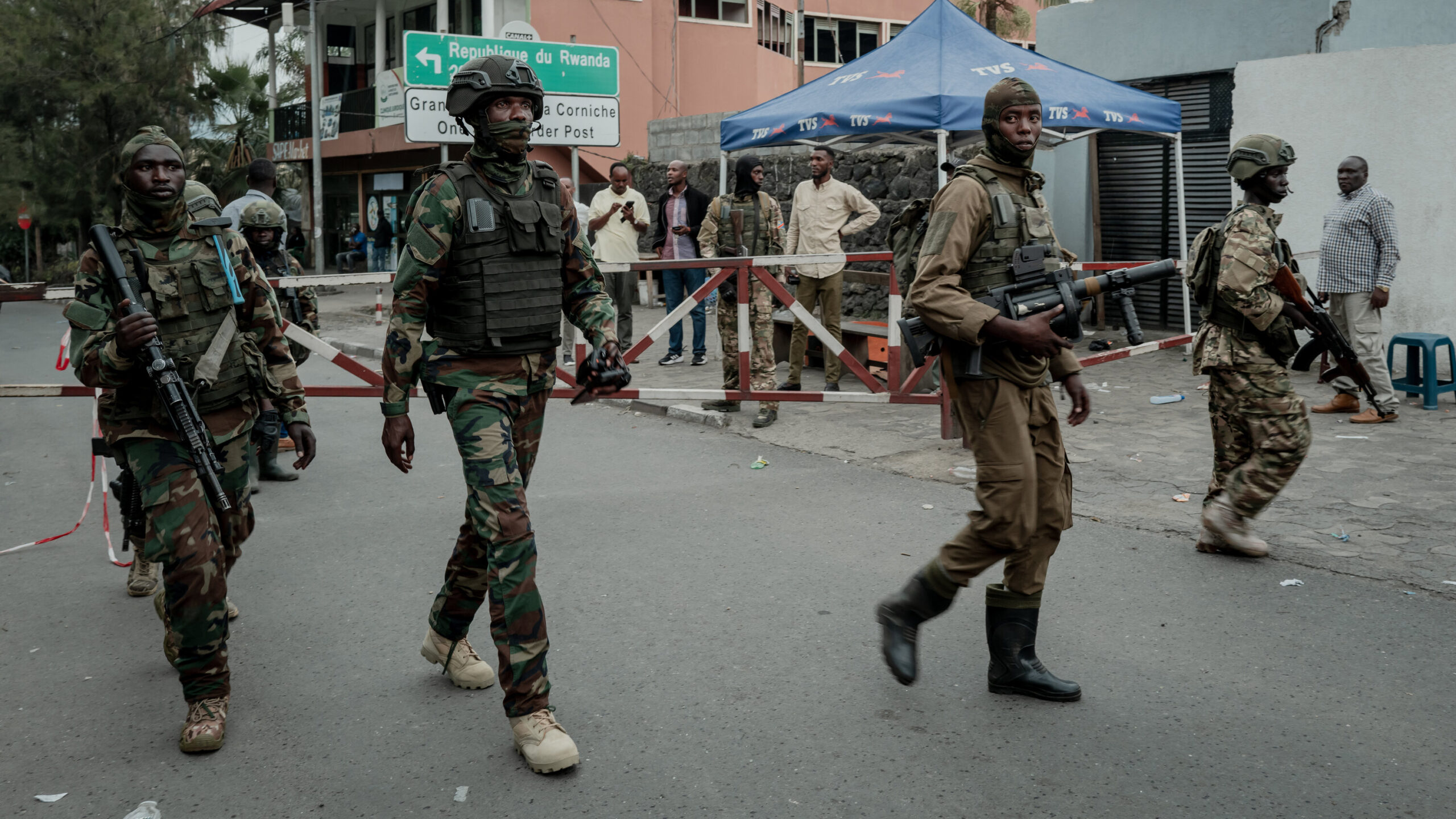
The escalating tensions between the Democratic Republic of Congo (DRC) and Rwanda have triggered renewed economic concerns across East and Central Africa. According to S&P Global Ratings, the ongoing conflict—intensified by the advance of M23 rebels in eastern Congo—now poses a direct threat to the credit ratings, borrowing costs, and long-term fiscal stability of both countries. As violence expands around strategic cities such as Goma and Bukavu, the financial implications are becoming as alarming as the humanitarian and security risks.
While regional conflict in eastern Congo is not new, the most recent developments are different in scale, timing, and geopolitical sensitivity. They are occurring at a moment when both countries depend heavily on external financing to sustain their budgets, and when global lenders are growing more cautious about sovereign risk. For Congo and Rwanda, conflict no longer affects only security—it threatens their economic futures.
Rising Conflict, Rising Costs: S&P Issues Stark Warning
S&P Global Ratings has warned that intensifying hostilities between the DRC and Rwanda could undermine both countries’ credit profiles. For Rwanda, the greatest risk comes from the potential loss of foreign aid, which is a critical pillar of its national budget. For the DRC, the danger lies in rising military expenditures and widening fiscal deficits as it seeks to contain the M23 rebellion.
📢 GET A DETAILED ARTICLES + JOBS
Join SamBoad's WhatsApp Channel and never miss a post or opportunity.
According to S&P, the M23 rebel advance toward urban centres—especially Goma and now Bukavu—has sharply magnified the downside risks already tied to regional instability. The agency notes that the presence of a Rwanda-backed rebel group has increased the likelihood of a broader interstate conflict, further weakening confidence among development partners and investors.
Rwanda’s Vulnerability: Aid Cuts Could Cripple Growth
Rwanda remains one of Africa’s most aid-dependent economies. A significant portion of its national budget—particularly capital expenditure—is financed by concessional loans and donor grants. This support has historically enabled Rwanda to build world-class infrastructure, grow tourism, and expand service sectors that power its economic model.
But this dependence also makes the country fragile in times of geopolitical pressure.
S&P warns that Rwanda could face:
-
A reduction in concessional loans
-
Cuts in donor funding
-
Higher borrowing costs due to rising sovereign risk
-
Currency depreciation, making external debt more expensive to service
These warnings are not without precedent. In 2012, when the M23 rebellion erupted, Rwanda faced widespread international condemnation and cuts in foreign aid. The economic effects were immediate and severe. Rwanda’s GDP growth fell from 8.6% in 2012 to 4.8% in 2013. S&P suggests that the country could face a similar downturn should donors react strongly to allegations of involvement in the current conflict.
Rwanda denies backing M23 or having troops in eastern Congo, insisting that its involvement is limited to border protection. Nevertheless, the geopolitical perception alone may be enough to trigger donor hesitation.
Eurobond Risk: Higher Debt Servicing Looms
Rwanda currently has a $620 million Eurobond maturing in 2031. Any sustained conflict or reduction in foreign aid could lead to:
-
Higher yields demanded by investors
-
Worsened credit rating outlook
-
Increased pressure on the Rwandan franc
For a country that relies heavily on concessional financing, even slight increases in commercial borrowing costs could pose significant fiscal challenges.
Congo’s Fiscal Stability at Risk: Rising Defence Spending and Investor Anxiety
While Congo’s economy is less dependent on foreign grants, it faces risks of its own. The DRC is already stretched by years of internal conflict, low institutional capacity, and a reliance on mineral exports. The advance of M23 rebels toward key cities increases the likelihood of:
-
Higher defence spending
-
A widening fiscal deficit
-
Reduced investor confidence
-
Pressure on the Congolese franc
S&P notes that continued fighting could dampen foreign investment, particularly in non-mining sectors. The DRC has historically struggled to attract diversified investments due to instability; renewed conflict threatens to deepen this challenge.
Limited Short-Term Economic Impact—But Long-Term Risks Loom
Interestingly, S&P states that the immediate economic impact on the DRC is currently limited because the conflict zone contributes relatively little to the country’s official revenue. The DRC’s primary export earnings—copper and cobalt—come from mines in the southeastern provinces, far from the conflict.
However, the long-term risks are substantial:
-
Investor confidence may erode further
-
Mining companies could grow nervous about broader instability
-
Public finances could be redirected to warfare instead of development
The DRC holds a B-/B credit rating, with a stable outlook. But if security risks expand or fiscal deficits widen significantly, this stability could weaken.
The Broader Regional Implications
The Congo–Rwanda tensions risk creating a broader ripple effect across East Africa and the Great Lakes region. As conflict intensifies:
-
Trade routes may be disrupted
-
Cross-border commerce may decline
-
Humanitarian and refugee pressures may increase
-
International donors may divert funds to crisis response
-
Regional borrowing costs may rise as sovereign risk spreads
Investors tend to assess regions collectively. A rise in instability in one country can quickly spill over into higher yields and weaker funding conditions for neighbours.
Minerals at the Heart of the Conflict?
The DRC is home to vast mineral wealth—gold, tin, tungsten, tantalum, and major deposits of copper and cobalt. Despite this, much of the mineral output is smuggled through neighbouring countries, depriving Congo of billions in potential revenue.
The Congolese government argues that M23 and Rwanda are fighting not for ethnic rights, as M23 claims, but to control lucrative mining assets. Rwanda strongly denies this.
Regardless of the underlying motivations, mineral smuggling perpetuates the conflict by:
-
Funding armed groups
-
Weakening Congo’s fiscal position
-
Undermining regional trust
-
Encouraging continued militarisation
This resource-based dimension makes the conflict economically complex and protracted.
S&P’s Current Outlook
As of the latest rating:
-
DRC: B-/B (stable)
-
Rwanda: B+/B (stable)
However, both ratings face downward pressure. Any deterioration in security, donor relationships, or fiscal stability could prompt a negative outlook or downgrade.
Frequently Asked Questions (FAQs)
1. Why could the Congo–Rwanda conflict raise borrowing costs?
Because heightened instability increases sovereign risk, making investors demand higher interest rates.
2. Why is Rwanda especially vulnerable to aid cuts?
A significant share of its budget relies on concessional loans and donor support, which can be withdrawn during geopolitical disputes.
3. Will the conflict affect Congo’s mining exports?
Not immediately—the major mines are far from the conflict zone—but long-term investor confidence could be damaged.
4. What happened to Rwanda during the last major M23 rebellion?
After donor cuts in 2012, Rwanda’s growth dropped sharply from 8.6% to 4.8%.
5. Could credit rating downgrades occur?
Yes. S&P warns that prolonged conflict could weaken both nations’ fiscal positions and external financing conditions.
Source: The High Street Business
Disclaimer: Some content on The High Street Business may be aggregated, summarized, or edited from third-party sources for informational purposes. Images and media are used under fair use or royalty-free licenses. The High Street Business is a subsidiary of SamBoad Publishing under SamBoad Business Group Ltd, registered in Ghana since 2014.
For concerns or inquiries, please visit our Privacy Policy or Contact Page.

Samuel Kwame Boadu is a Ghanaian entrepreneur, writer, and digital consultant passionate about creating impactful stories and business solutions. He is the Founder & CEO of SamBoad Business Group Ltd, a dynamic company with subsidiaries in digital marketing, logistics, publishing, and risk management.