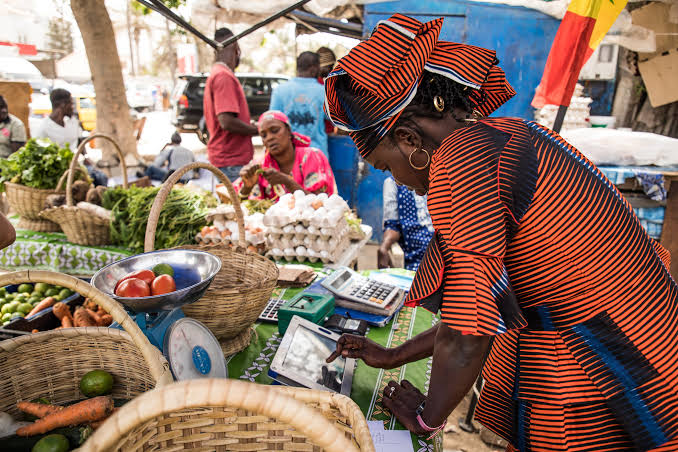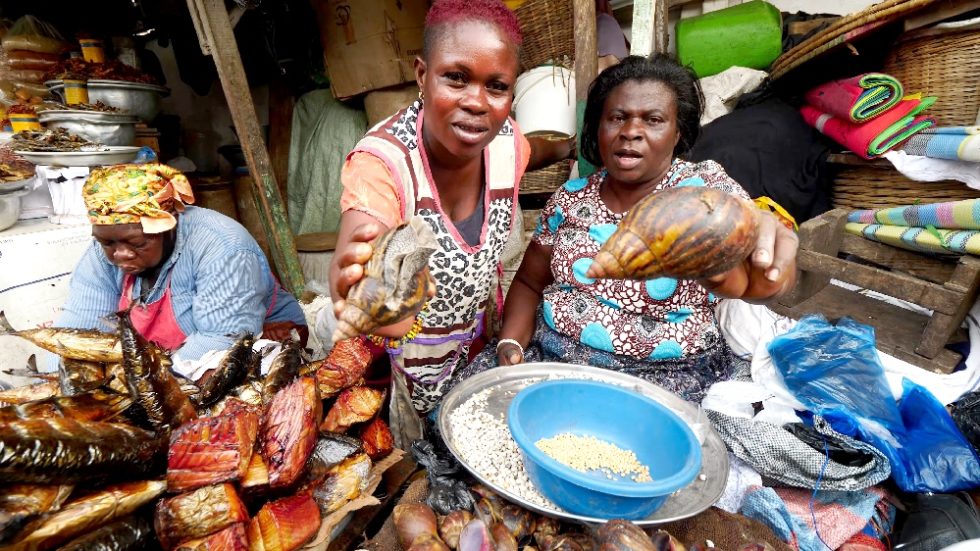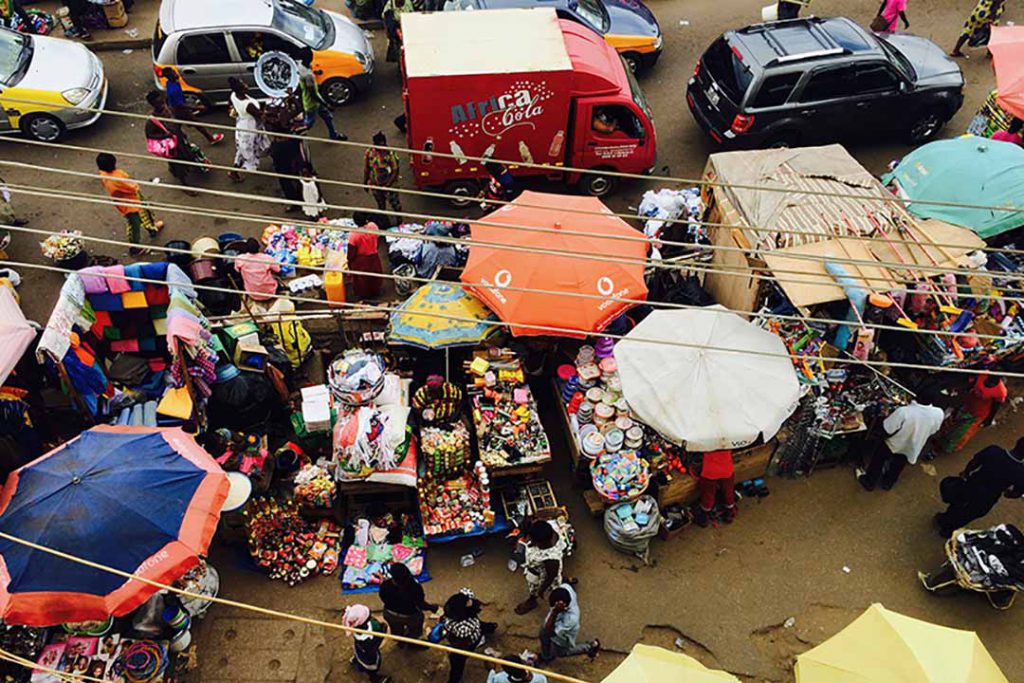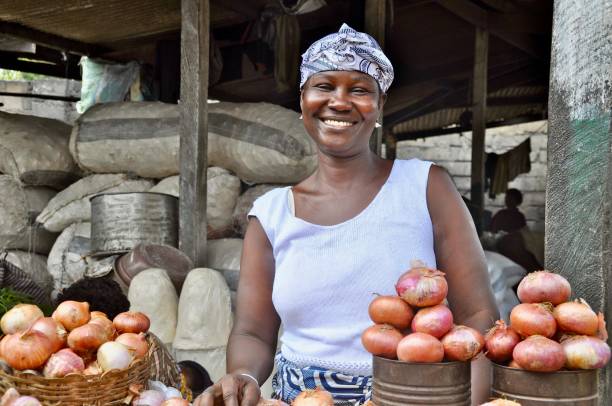







The African Continental Free Trade Area (AfCFTA) was expected to rewrite the future of African trade by opening borders, reducing barriers, and giving businesses across the continent a shared field of opportunity according to Accra Street Journal. For Ghana, the agreement carried even greater symbolic and economic significance. As the host nation of the AfCFTA Secretariat, Ghana positioned itself as the gateway to Africa—an emerging hub where investors and traders could leverage policy advantages to expand across the continent.
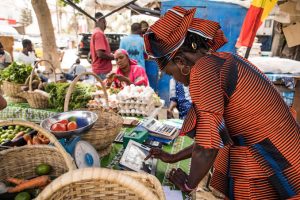
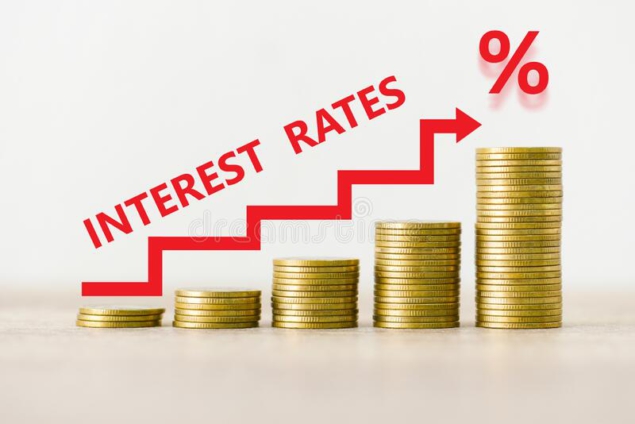
Yet on the ground, Ghanaian traders say this promise is slipping away from them. Instead of becoming a competitive force within Africa’s single market, many local businesses feel they are losing the contest before it even begins. The Traders Advocacy Group Ghana (TTAG) has raised an alarming concern: Ghana’s extremely high lending rates—driven by an equally elevated monetary policy rate—are crushing the competitiveness of Ghanaian traders under AfCFTA.
Their argument is simple, but deeply troubling: You cannot compete in a free market when you borrow at 35–40% while your competitors borrow at 10–18%.
📢 GET DETAILED ARTICLES + JOBS
Join THSB's WhatsApp Channel and never miss a post or opportunity.
As AfCFTA strives to harmonize trade conditions across the continent, Ghanaian businesses are starting the race with a weight tied to their ankles.
AfCFTA’s Promise vs. Ghana’s Reality
When AfCFTA launched, traders, manufacturers, and policymakers in Ghana celebrated it as a turning point—an unprecedented opportunity for market expansion, increased export capacity, and reduced trade barriers. Ghanaian products were expected to enter markets from Nairobi to Cape Town with fewer restrictions and greater demand.
But in practice, Ghanaian businesses are finding the environment far from equal.
TTAG President Kwadwo Amoateng captures the frustration clearly:
“If we are all at one marketplace selling our goods, and the Ghanaian has taken a loan with an interest rate of 36%, how can a Ghanaian compete with people from Kenya, South Africa, or Nigeria?”
It is a question that cuts to the core of Ghana’s economic competitiveness. For a free trade area to function, local traders must be at least somewhat aligned in terms of production cost structures. But Ghana’s lending rates tell a very different story.
The Lending Rate Gap: Ghana vs. Other AfCFTA Members
A comparison across key AfCFTA countries shows just how wide the financing gap has become:
-
Ghana: Policy rate 27%, lending rates 35% to 40%
-
Kenya: Lending rate 12%
-
South Africa: Lending rate 10%
-
Nigeria: Lending rate 18% (even with major economic challenges)
The contrast is striking. Ghanaian businesses borrow at more than double the rate of their Nigerian counterparts, three times the borrowing cost of Kenyan businesses, and nearly four times that of South African firms.
This disparity means that the cost of capital in Ghana is disproportionately high—translating into:
-
higher production costs
-
higher retail prices
-
lower profit margins
-
weaker competitiveness on export markets
In a competitive continental market, this disadvantage is devastating.
Why Are Lending Rates in Ghana So High?
To understand the crisis, one must trace the problem to its structural roots. Ghana’s lending rates are not arbitrarily high; they are the consequence of deeper economic challenges that have persisted for decades.
1. High Inflation
Ghana has battled persistent inflation driven by:
-
import dependence
-
rising utility and production costs
-
supply chain distortions
Under Ghana’s inflation-targeting regime, the central bank uses the policy rate to control inflation. When inflation rises, the Bank of Ghana (BoG) keeps the policy rate high. This trickles down to commercial banks, creating very expensive lending conditions.
2. Structural Defects in the Economy
Ghana’s economy continues to rely heavily on imports—from raw materials to finished goods. This creates chronic pressure on the cedi and contributes to inflationary cycles.
Weak local manufacturing capacity also means:
-
fewer export opportunities
-
limited foreign exchange earnings
-
increased vulnerability to global price shocks
These structural problems reinforce the need for high monetary controls, which keep lending rates elevated.
3. Currency Instability
A depreciating cedi increases the cost of imported production inputs and erodes profit margins. To mitigate credit risk, banks build the instability into their interest rates—making loans even costlier.
4. High Default Rates in the Financial Sector
Some banks classify SMEs as high-risk borrowers due to:
-
lack of collateral
-
inconsistent cash flows
-
informal business structures
To compensate, they charge higher interest rates, widening the financing gap even more.
The Vicious Cycle Hurting Traders
The problem is not simply high policy rates—it is the cyclical impact on Ghanaian businesses:
-
Businesses borrow at 35–40% →
-
Cost of doing business skyrockets →
-
Traders increase prices →
-
Consumers reduce demand →
-
Business growth slows →
-
Inflation risk increases again
It is a cycle that traps traders and weakens Ghana’s ability to reap AfCFTA’s benefits.
Why Ghanaian Traders Are Struggling Under AfCFTA
AfCFTA aims to eliminate tariffs, but tariffs are only part of the cost burden. If the cost of capital remains high, Ghanaian traders cannot price competitively—even if tariffs are reduced to zero.
In open continental competition:
-
Kenyan traders can price goods lower
-
South African exporters maintain strong production margins
-
Nigerian businesses, despite instability, secure cheaper financing
-
Ghanaian traders lose market share
This reality has made AfCFTA feel like a disadvantage rather than an opportunity for many Ghanaian businesses.
What Economists Recommend
For Ghana to unlock AfCFTA’s full benefits, economists argue that the government must address its foundational economic constraints.
1. Strengthen Local Manufacturing
Reducing import dependence lowers inflationary pressures and stabilizes the currency.
2. Improve Exchange Rate Management
A stable cedi reduces risk premiums on loans.
3. Reform the Financial Sector
Encourage SME-friendly lending models, risk-sharing schemes, and credit guarantee programs.
4. Support Production and Export Capacity
Targeted financing for manufacturing, processing, and agro-industries will make Ghanaian goods more competitive.
5. Stabilize Government Fiscal Policy
Consistent revenue management lowers inflation and supports monetary stability.
The Bigger Picture: AfCFTA Cannot Succeed on Policy Alone
Ghana cannot fully participate in continental trade without fixing domestic financing structures. AfCFTA may remove trade barriers, but it cannot compensate for:
-
expensive loans
-
unstable macroeconomic conditions
-
import-dependent production models
-
high inflation
Until these challenges are addressed, Ghana will remain at a disadvantage—even as the host of the AfCFTA Secretariat.
Conclusion: A Call for Urgent Economic Reform
The concerns raised by Ghanaian traders reflect a broader national dilemma. AfCFTA offers unprecedented opportunities, but Ghanaian businesses cannot compete with such high borrowing costs. If the country intends to position itself as the true gateway to Africa, it must urgently recalibrate its monetary, fiscal, and structural strategies.
High lending rates are not just an inconvenience—they are an existential threat to Ghana’s competitiveness in Africa’s new single market.
AfCFTA may promise a level playing field, but if Ghana does not fix its economic fundamentals, the field will remain tilted—against its own traders.
Source: The High Street Business
Disclaimer: Some content on The High Street Business may be aggregated, summarized, or edited from third-party sources for informational purposes. Images and media are used under fair use or royalty-free licenses. The High Street Business is a subsidiary of SamBoad Publishing under SamBoad Business Group Ltd, registered in Ghana since 2014.
For concerns or inquiries, please visit our Privacy Policy or Contact Page.

Samuel Kwame Boadu is a Ghanaian entrepreneur, writer, and digital consultant passionate about creating impactful stories and business solutions. He is the Founder & CEO of SamBoad Business Group Ltd, a dynamic company with subsidiaries in digital marketing, logistics, publishing, and risk management.