






Telecel Ghana may appear like a new player in Ghana’s telecommunications space, but its roots go back decades—long before mobile data, smartphones, or 4G networks became part of daily life. Behind the modern Telecel brand is a long and transformative history of public ownership, global investment, technological shifts, market competition, and corporate rebranding.
Understanding the story of Telecel Ghana means tracing the evolution of Ghana’s telecom industry—from state-owned Ghana Telecom to the globally recognized Vodafone Ghana, and now to Telecel Ghana under new African ownership.
This editorial by The High Street Business provides a complete, timeline of how the company evolved into the Telecel brand we know today.
📢 GET DETAILED ARTICLES + JOBS
Join THSB's WhatsApp Channel and never miss a post or opportunity.
1. The Beginning: The Era of Ghana Telecom
Before Telecel and Vodafone, there was Ghana Telecom, the national telecommunications company responsible for fixed-line services, early mobile telephony, and foundational telecom infrastructure.
Key highlights of the Ghana Telecom era:
-
Government-owned
-
Managed fixed-line telephony nationwide
-
Operated OneTouch, one of the earliest mobile networks
-
Provided foundational broadband and ADSL services
The company played an essential role in early digital communication in Ghana but struggled with underinvestment, outdated systems, and the rising demands of a modernizing telecom sector.
2. 2008: Vodafone Enters Ghana Through Acquisition
A major turning point occurred in 2008, when the Government of Ghana sold 70% of Ghana Telecom to Vodafone Group for approximately $900 million.
Why the sale happened:
-
The mobile revolution was accelerating
-
Private-sector expertise was required to modernize infrastructure
What changed under Vodafone:
-
Rebranding of OneTouch to Vodafone Ghana
-
Major investment into 3G technology
-
Upgrading national fibre infrastructure
-
Expansion of broadband services
-
Introduction of upgraded customer service and digital systems
Vodafone became a strong second-place operator in Ghana’s telecom market, competing fiercely with MTN and other emerging players.
3. Growth, Challenges, and Shifting Strategy (2008–2021)
Vodafone Ghana invested heavily in network expansion, enterprise solutions, digital customer support, and Vodafone Cash mobile money services.
But the company also faced challenges:
-
MTN’s overwhelming market dominance
-
High operational costs
-
Rapid shifts in global strategy at Vodafone Group
-
The need for massive investment to keep up with data demand
By 2021, Vodafone Group began reassessing its global footprint, focusing more on Europe and reducing its presence in markets that required heavy long-term capital.
4. Vodafone Exits: Telecel Group Steps In (2022–2023)
In 2022, Vodafone Group announced its intention to sell its 70% stake in Vodafone Ghana. After a long regulatory process, Telecel Group, an African telecom and digital services company, successfully acquired the company in early 2023.
Who is Telecel Group?
A multinational telecom and digital conglomerate operating in:
-
Mobile telecom services
-
Infrastructure
-
Digital financial services
-
Cloud and enterprise solutions
-
Startup and innovation development
The acquisition aligned with Telecel Group’s strategy of expanding its African presence and investing in digital transformation across the continent.
5. 2023: Vodafone Ghana Rebrands to Telecel Ghana
Following the acquisition, the company officially transitioned from Vodafone Ghana to Telecel Ghana—one of the most significant rebrands in recent telecom history.
Why the rebrand was necessary:
-
New ownership required a new identity
-
Telecel’s African-focused brand strategy
-
A desire to reposition the company as innovative and digital-first
-
Efforts to refresh customer perception and market competitiveness
The rebrand came with changes in visual identity, customer experience platforms, and long-term investment promises.
6. Telecel Ghana’s Strategic Focus Today
Telecel Ghana is now pushing a more technology-driven, youth-oriented, and digitally innovative agenda.
Key focus areas include:
-
Expanding 4G and preparing for 5G
-
Enhancing fibre and broadband connectivity
-
Introducing new digital financial services
-
Supporting Ghana’s entrepreneurial ecosystem via the ASIP program
-
Delivering competitive data and mobile products
Telecel aims to position itself not just as a telecom operator, but as a digital lifestyle and innovation company.
7. The Role of the Government of Ghana
While Telecel Group owns 70% of the company, the Government of Ghana retains a 30% stake, ensuring:
-
National oversight
-
Infrastructure stability
-
Policy alignment
-
Long-term public interest protection
This balance of ownership mirrors international standards for strategic telecom assets.
8. How the Telecel Era Is Shaping Ghana’s Digital Future
Telecel’s arrival introduces new energy into a market dominated by MTN. The company’s digital and investment-focused approach may cause positive disruptions:
-
More competitive pricing
-
Better broadband expansion
-
Enhanced digital services for SMEs
-
Stronger innovation support for startups
-
Greater rural connectivity opportunities
If Telecel delivers on its commitments, its presence will significantly influence Ghana’s telecom and digital economy landscape.
FAQs
**1. What was Telecel Ghana called before?
It was previously known as Vodafone Ghana, and before that, Ghana Telecom.**
2. When did Telecel acquire Vodafone Ghana?
Telecel Group completed the acquisition in early 2023.
3. Why did Vodafone leave Ghana?
Vodafone shifted its global strategy and focused on European markets, making Ghana less of a strategic priority.
4. Does the Government of Ghana still own part of Telecel Ghana?
Yes. The government retains a 30% stake in the company.
5. What changes has Telecel introduced since taking over?
The company is expanding network coverage, launching digital products, and supporting tech startups.
6. Is Telecel Ghana fully operational nationwide?
Yes. All services, including mobile, broadband, and enterprise solutions, continue under the new brand.
Source: The High Street Business
Disclaimer: Some content on The High Street Business may be aggregated, summarized, or edited from third-party sources for informational purposes. Images and media are used under fair use or royalty-free licenses. The High Street Business is a subsidiary of SamBoad Publishing under SamBoad Business Group Ltd, registered in Ghana since 2014.
For concerns or inquiries, please visit our Privacy Policy or Contact Page.
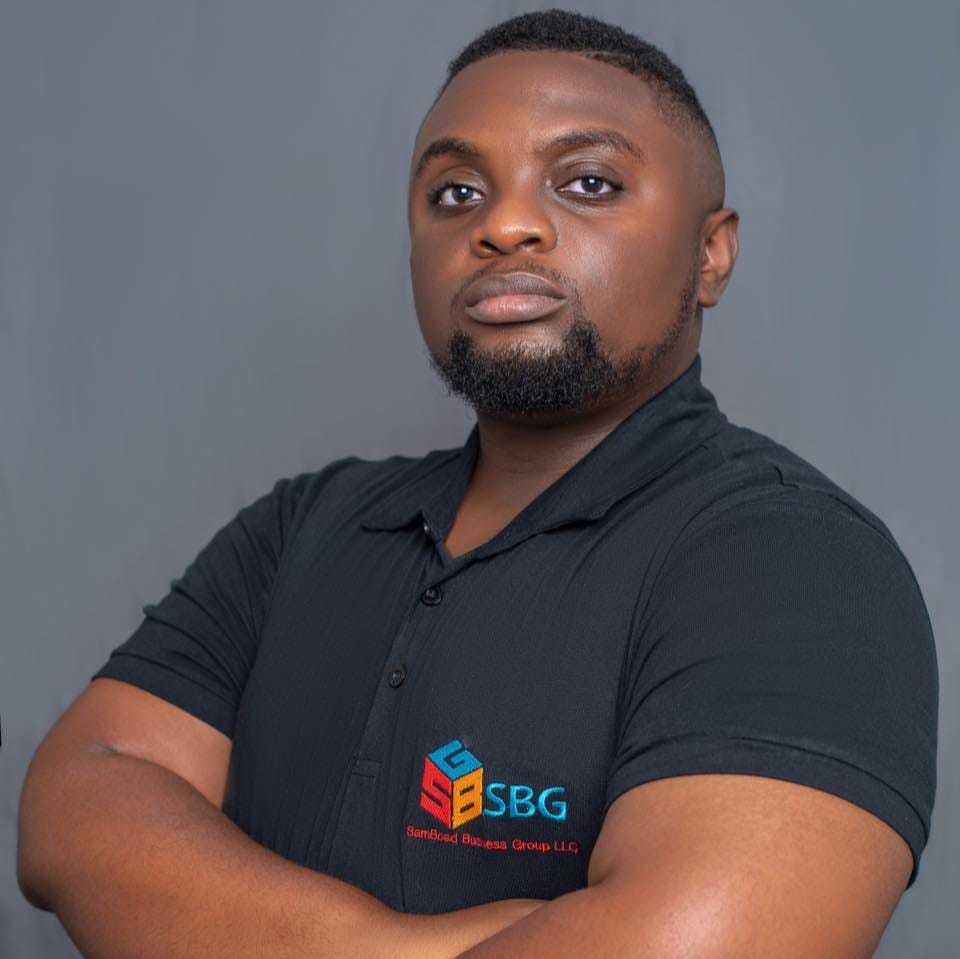
Samuel Kwame Boadu is a Ghanaian entrepreneur, writer, and digital consultant passionate about creating impactful stories and business solutions. He is the Founder & CEO of SamBoad Business Group Ltd, a dynamic company with subsidiaries in digital marketing, logistics, publishing, and risk management.