








Demand and supply are the fundamental forces governing how Ghana’s economy functions. From open markets and industrial production to financial services and digital platforms, the interaction between what consumers want and what producers can provide determines prices, output levels, employment, and investment flows.
In 2026, Ghana’s economy remains largely market-driven, with demand and supply influencing nearly every economic outcome. While government policies and global factors shape the environment, it is the balance—or imbalance—between demand and supply that ultimately defines economic performance across sectors.
Understanding Demand in the Ghanaian Context
Demand in Ghana reflects the purchasing behavior of households, businesses, and government. Household demand accounts for the largest share, driven by population growth, income levels, cultural practices, and urbanization.
📢 GET DETAILED ARTICLES + JOBS
Join THSB's WhatsApp Channel and never miss a post or opportunity.
As the population expands and urban centers grow, demand rises for food, housing, transportation, healthcare, education, energy, and digital services. However, demand is not uniform; it fluctuates with income distribution, seasonal spending, and economic confidence.

Businesses also contribute to demand through investment in machinery, raw materials, logistics, and services. Government demand further influences the economy through public procurement, infrastructure projects, and social programs.
Factors Influencing Consumer Demand
Several factors shape demand patterns in Ghana:
-
Income levels and employment conditions
-
Prices and inflation expectations
-
Population growth and demographics
-
Cultural and seasonal spending habits
-
Access to credit and financial services
When incomes rise or credit becomes more accessible, demand increases. Conversely, economic uncertainty or rising prices tend to suppress discretionary spending.
Supply Structures in Ghana’s Economy
Supply represents the capacity of producers to deliver goods and services to the market. In Ghana, supply is influenced by domestic production, imports, infrastructure quality, technology, and access to capital.
Agriculture remains a major source of supply for food and raw materials, while manufacturing, services, mining, and energy production contribute significantly to economic output. Imports supplement domestic supply, particularly for fuel, machinery, pharmaceuticals, and consumer goods.
Supply constraints—such as power reliability, logistics inefficiencies, financing challenges, and skills gaps—often limit production capacity, affecting availability and prices.
Interaction Between Demand and Supply
The interaction between demand and supply determines market outcomes. When demand grows faster than supply, shortages emerge, leading to price increases. When supply outpaces demand, surpluses develop, putting downward pressure on prices.
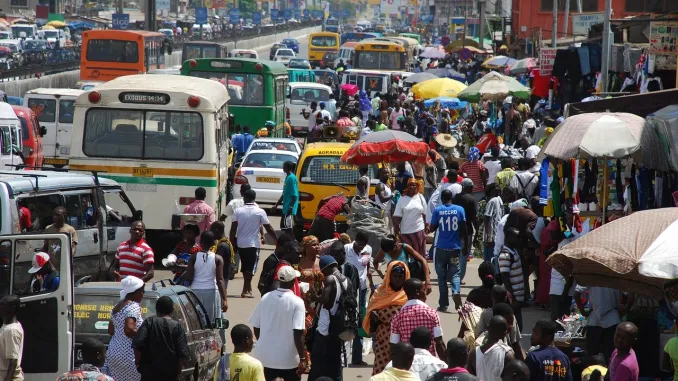
In Ghana, this interaction is visible in sectors such as housing, food, transportation, and energy. Rapid urbanization increases demand for housing, while supply lags due to high construction costs and limited financing. The result is rising prices and affordability challenges.
Seasonal Effects on Demand and Supply
Seasonality plays a significant role in Ghana’s economy. Agricultural cycles influence food supply, while festive periods and school calendars affect demand.
During harvest seasons, food supply increases, stabilizing prices. In lean seasons, supply constraints raise prices, affecting household budgets. Seasonal demand spikes also occur during holidays, school reopening periods, and major social events.

Businesses that align production and inventory with these cycles gain efficiency and pricing advantages.
Impact on Prices and Inflation
Demand and supply dynamics are central to price formation and inflation trends. Persistent excess demand leads to inflationary pressure, while weak demand can slow economic activity.
In Ghana, inflation is often driven by supply-side factors such as fuel costs, exchange rate movements, and production constraints. Demand-side pressures also contribute when consumer spending outpaces productive capacity.
The balance between these forces influences purchasing power, business profitability, and economic stability.
Employment and Income Effects
Demand and supply dynamics directly affect employment levels. When demand for goods and services rises, businesses expand production, creating jobs and increasing incomes. When demand weakens, firms reduce output and employment.
Supply-side investments in skills development, technology, and infrastructure enhance productivity, enabling businesses to meet demand more efficiently and sustainably.
Role of Government Policy
Government policies influence demand and supply without replacing market mechanisms. Fiscal policy affects demand through public spending and taxation, while monetary policy influences credit conditions and investment.
Supply-side policies focus on improving infrastructure, reducing production costs, enhancing skills, and supporting key sectors. Effective policy coordination helps stabilize the demand-supply balance.
Informal Markets and Demand-Supply Flexibility
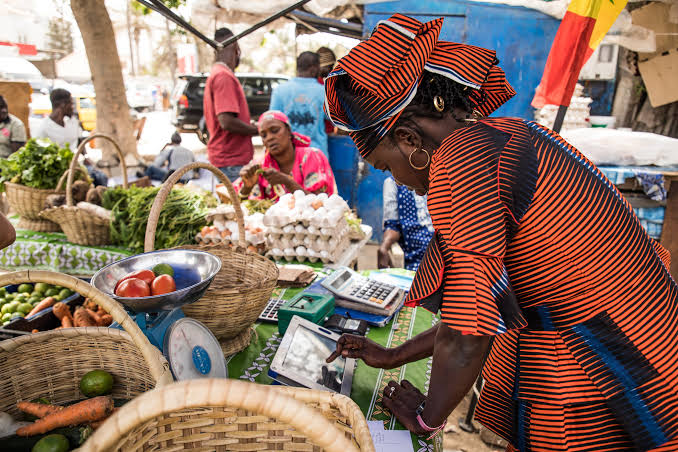
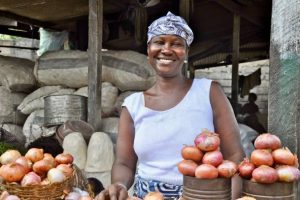
Ghana’s informal sector adds flexibility to demand and supply interactions. Informal producers and traders adjust quickly to changes in consumer demand, often filling gaps left by formal markets.
This adaptability helps absorb shocks but also introduces price variability and quality inconsistencies. The informal sector remains a crucial buffer within the economy.
Long-Term Economic Implications
Over the long term, sustainable economic growth depends on aligning demand expansion with productive capacity. Over-reliance on consumption without corresponding supply growth leads to inflation and external imbalances.
Investment in production, value addition, infrastructure, and human capital strengthens supply responsiveness, supporting stable growth and competitiveness.
FAQs
Why are demand and supply important in Ghana’s economy?
They determine prices, output, employment, and overall economic performance across sectors.
What causes supply shortages in Ghana?
Infrastructure gaps, financing challenges, import dependence, and seasonal factors often limit supply.
How does demand affect inflation?
Excess demand relative to supply puts upward pressure on prices.
Does government control demand and supply?
Government influences but does not control them; market forces remain dominant.
Why is seasonality important in Ghana?
Seasonal production and spending cycles significantly affect availability and prices.
Source: The High Street Business
Disclaimer: Some content on The High Street Business may be aggregated, summarized, or edited from third-party sources for informational purposes. Images and media are used under fair use or royalty-free licenses. The High Street Business is a subsidiary of SamBoad Publishing under SamBoad Business Group Ltd, registered in Ghana since 2014.
For concerns or inquiries, please visit our Privacy Policy or Contact Page.

Samuel Kwame Boadu is a Ghanaian entrepreneur, writer, and digital consultant passionate about creating impactful stories and business solutions. He is the Founder & CEO of SamBoad Business Group Ltd, a dynamic company with subsidiaries in digital marketing, logistics, publishing, and risk management.