






For decades, Ghana’s agricultural sector has been dominated by the production and export of raw commodities. While this model has supported livelihoods and generated foreign exchange, it has also limited income potential across the value chain. Increasingly, agribusiness stakeholders are recognising that the future of sustainable growth lies in value addition — the process of transforming raw crops into finished or semi-finished products ready for local and international markets.
Value addition is no longer optional for Ghanaian agribusinesses seeking resilience, competitiveness, and profitability. This editorial by The High Street Business examines how value addition can transform Ghana’s agribusiness sector, highlighting opportunities, challenges, and practical strategies for turning raw crops into market-ready goods.
What Is Value Addition in Agribusiness?
Value addition refers to any activity that increases the economic value of an agricultural product beyond its raw state. This may involve processing, packaging, branding, grading, or certification.
📢 GET A DETAILED ARTICLES + JOBS
Join SamBoad's WhatsApp Channel and never miss a post or opportunity.
Examples include:
-
Cassava processed into gari or starch
-
Cocoa processed into butter or powder
-
Fresh fruits dried or juiced
-
Maize milled into flour
-
Shea nuts processed into shea butter
Each step enhances shelf life, quality, and market appeal.
Why Value Addition Matters in Ghana
Value addition is critical to Ghana’s agribusiness transformation for several reasons:
-
Higher income for farmers and processors
-
Reduced post-harvest losses
-
Job creation across the value chain
-
Increased export earnings
-
Improved food security
-
Stronger local industries
By exporting finished products rather than raw materials, Ghana captures more value domestically.
Key Crops with High Value Addition Potential
1. Cassava
Cassava is one of Ghana’s most widely grown crops.
Value-added products include:
-
Gari
-
High-quality cassava flour
-
Starch
-
Industrial ethanol
Cassava processing supports food, industrial, and export markets.
2. Cocoa
Cocoa offers significant processing opportunities.
Value-added cocoa products include:
-
Cocoa butter
-
Cocoa liquor
-
Cocoa powder
-
Chocolate and confectionery
Processing cocoa locally increases export value and job creation.
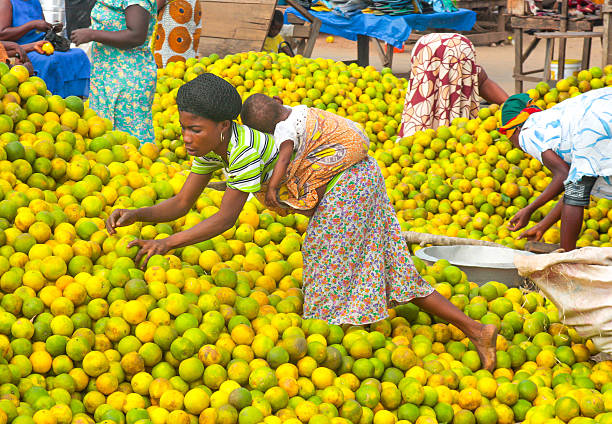
3. Fruits
Fruits are highly perishable but offer strong value addition opportunities.
Products include:
-
Fruit juices
-
Dried fruits
-
Purees and concentrates
-
Jams and preserves
Processing extends shelf life and reduces waste.
4. Rice and Cereals
Cereal processing improves quality and consumer appeal.
Value-added products include:
-
Polished and packaged rice
-
Fortified flours
-
Breakfast cereals
Modern processing enhances competitiveness with imports.
5. Oilseeds and Nuts
Ghana produces several oil-bearing crops.
Value-added products include:
-
Palm oil derivatives
-
Groundnut paste
-
Shea butter
-
Coconut oil
These products serve food, cosmetic, and industrial markets.
Forms of Value Addition in Agribusiness
Processing
Transforming raw produce into consumable or industrial products.
Packaging
Improving product presentation, shelf life, and safety.
Branding
Creating product identity and market differentiation.
Certification
Meeting standards such as organic, fair trade, or food safety compliance.
Each layer increases product value.
Market Opportunities for Value-Added Products
Value-added products target multiple markets:
-
Urban consumers
-
Supermarkets
-
Hotels and restaurants
-
Export buyers
-
Industrial users
Market access improves significantly with quality and consistency.
Role of Technology in Value Addition
Technology improves efficiency and quality.
Examples include:
-
Improved processing equipment
-
Cold storage facilities
-
Quality testing tools
-
Digital marketing platforms
Technology adoption lowers losses and boosts competitiveness.
Challenges in Value Addition for Ghanaian Agribusinesses
Despite its potential, value addition faces challenges:
-
High cost of processing equipment
-
Limited access to finance
-
Energy and water constraints
-
Quality and standards compliance
-
Weak market linkages
Addressing these challenges requires policy and private sector support.
How Small-Scale Agribusinesses Can Add Value
Value addition is not only for large companies.
Small businesses can:
-
Start with simple processing
-
Focus on niche products
-
Improve packaging and branding
-
Use local markets as entry points
Gradual scaling reduces financial risk.
Profitability and Economic Impact
Value addition increases profit margins by:
-
Improving price stability
-
Reducing dependence on raw commodity prices
-
Expanding market reach
At the national level, it strengthens economic resilience.
Export Potential of Value-Added Products
Processed products:
-
Are easier to store and transport
-
Attract higher prices
-
Meet global demand for convenience foods
Value addition supports Ghana’s agro-export diversification strategy.
Role of Policy and Institutions
Supportive policies are essential.
Key focus areas include:
-
Incentives for agro-processing
-
Skills training
Collaboration between public and private sectors is critical.
Sustainability and Value Addition
Value addition promotes sustainability by:
-
Reducing food waste
-
Encouraging efficient resource use
-
Supporting circular economy practices
Sustainable processing strengthens long-term growth.
The Future of Value Addition in Ghanaian Agribusiness
As competition intensifies and consumer preferences evolve, value addition will define successful agribusinesses. Ghana’s ability to move up the agricultural value chain will determine income growth, employment creation, and export competitiveness.
Value addition is not just a strategy — it is the future of agribusiness in Ghana.
Frequently Asked Questions (FAQs)
What is value addition in agribusiness?
Value addition involves processing, packaging, branding, or certifying agricultural products to increase their market value.
Why is value addition important for Ghana?
It increases farmer incomes, reduces post-harvest losses, creates jobs, and boosts export earnings.
Can small farmers benefit from value addition?
Yes. Small-scale processing and cooperative models allow farmers to add value collectively.
What crops have the highest value addition potential?
Cassava, cocoa, fruits, rice, oilseeds, and nuts offer strong value addition opportunities.
Does value addition improve export potential?
Yes. Processed products are more competitive and command higher prices in global markets.
Source: The High Street Business
Disclaimer: Some content on The High Street Business may be aggregated, summarized, or edited from third-party sources for informational purposes. Images and media are used under fair use or royalty-free licenses. The High Street Business is a subsidiary of SamBoad Publishing under SamBoad Business Group Ltd, registered in Ghana since 2014.
For concerns or inquiries, please visit our Privacy Policy or Contact Page.