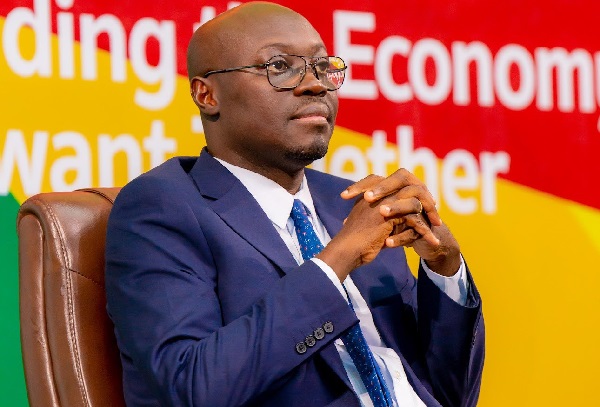
Explore the latest Ghana business news in 2026, including economic recovery, inflation trends, debt restructuring, cocoa reforms, and investment opportunities shaping the economy.
Ghana’s economic trajectory in 2026 reflects a nation emerging from crisis into cautious recovery, with policymakers, investors, and businesses closely watching a shifting landscape defined by reforms, global pressures, and renewed optimism.
After years of economic instability, the West African economy is stabilising under the guidance of the International Monetary Fund (IMF) programme, which has anchored fiscal discipline and restored a degree of confidence in financial markets. Yet, the road ahead remains complex.
📢 GET A DETAILED ARTICLES + JOBS
Join SamBoad's WhatsApp Channel and never miss a post or opportunity.
Economic Recovery: Growth Returns, Confidence Builds
Ghana’s growth outlook in 2026 signals a steady rebound. Economic activity is picking up across key sectors, including mining, agriculture, and services. The country’s GDP is projected to grow by nearly 5%, driven largely by:
– Strong gold exports
– Gradual recovery in consumer demand
– Improved macroeconomic stability
This recovery is not just statistical, it is psychological. Investor sentiment, once shaken by debt restructuring and currency volatility, is gradually returning, with both local and foreign investors re-engaging the market. However, analysts caution that sustaining this growth will require continued fiscal restraint and structural reforms.
Inflation Decline: A Rare Window of Stability
One of the most striking developments is Ghana’s rapid disinflation. After peaking at historic highs just a few years ago, inflation has dropped sharply into single digits.
This has provided:
– Relief for households facing high living costs
– Lower input costs for businesses
– Space for monetary easing by the central bank
The Bank of Ghana has already begun reducing interest rates, signalling confidence in price stability. Yet, this progress remains fragile. Ghana’s heavy reliance on imports means that global shocks, particularly rising oil prices, could quickly reverse gains.
Debt Restructuring: Rebuilding Credibility
Ghana’s debt crisis remains central to its economic narrative. Following a sweeping restructuring programme, the government is now focused on rebuilding trust with investors. Regular interest payments under the Domestic Debt Exchange Programme (DDEP) have resumed, signalling a commitment to honour obligations.
This phase is critical because:
– It restores credibility in domestic financial markets
– It lays the groundwork for future borrowing
– It reassures institutional investors
Still, the country must maintain strict fiscal discipline to prevent a relapse into unsustainable debt levels.
RELATED: Minister-Designate Pledges To Revive Komenda Sugar Factory To Reduce Sugar Imports
Global Pressures: External Risks Persist
Despite domestic progress, Ghana’s economy remains highly exposed to global developments. Fluctuations in commodity prices, especially gold, cocoa, and crude oil, continue to shape economic outcomes. Rising geopolitical tensions and supply chain disruptions have already begun pushing up fuel prices across Africa.
For Ghanaian businesses, this creates a dual reality:
– Opportunities from strong export prices
– Risks from rising import costs
In an interconnected global economy, Ghana’s recovery cannot be isolated from external shocks.
Cocoa Sector Reforms: A Turning Point
The cocoa sector, long a backbone of Ghana’s economy, is undergoing significant transformation under the oversight of the Ghana Cocoa Board. Key developments include:
– Adjustments to farmgate prices
– Introduction of new financing models
– Strategic push toward local processing
The government aims to process at least 50% of cocoa locally, moving up the value chain and reducing dependence on raw exports. While this strategy promises long-term gains, it presents short-term challenges, particularly for farmers adjusting to price changes. You are reading Ghana Business News In 2026.
Industrialisation Drive: Renewed Focus on Production
Ghana’s push toward industrialisation is gaining renewed attention in 2026. A notable example is the planned revival of the Komenda Sugar Factory, a project symbolic of the country’s ambition to boost domestic production and reduce import dependency. The broader industrial strategy focuses on:
– Revitalising dormant factories
– Encouraging agro-processing
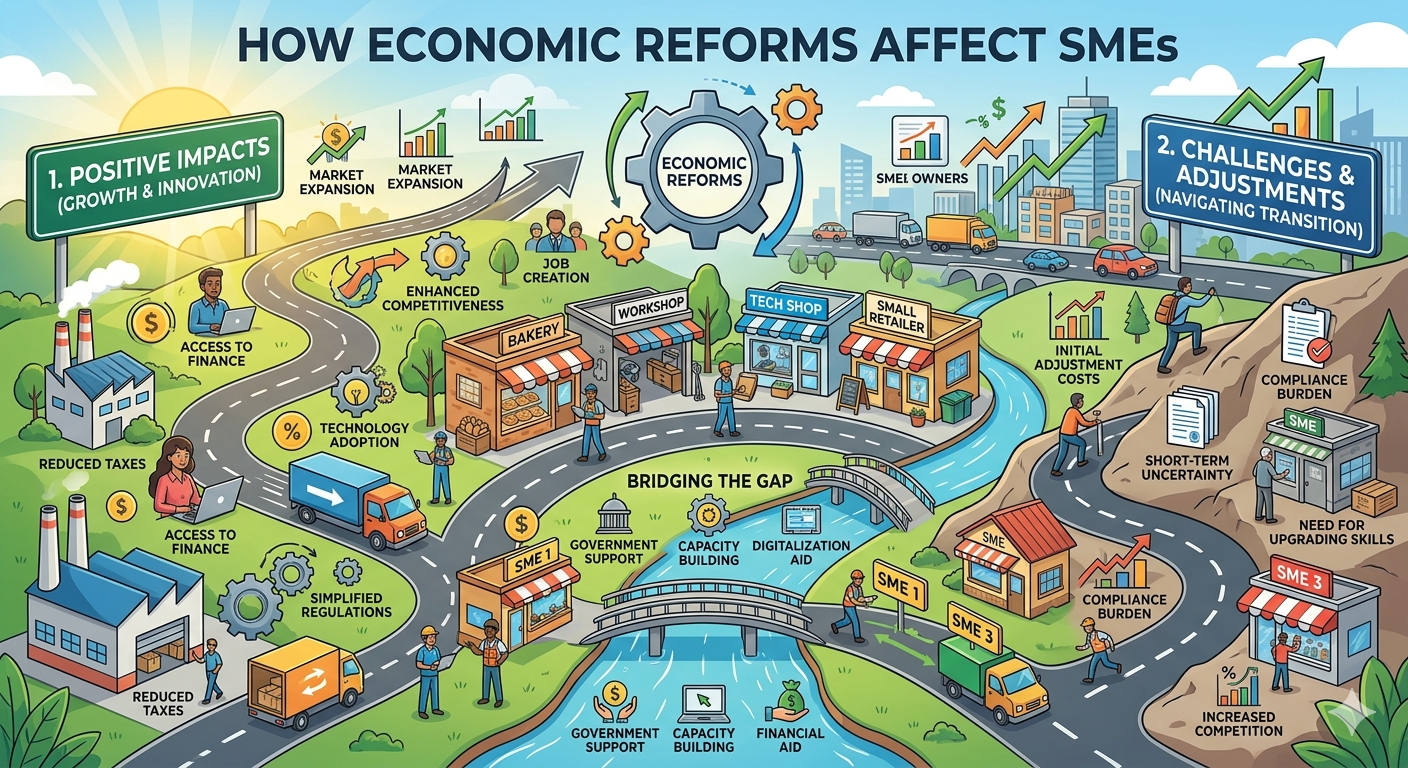
– Supporting small and medium enterprises
If successfully implemented, this could redefine Ghana’s economic structure from consumption-led to production-driven growth.
Banking Sector: Gradual Recovery
The financial sector is stabilising but remains cautious. Banks, heavily impacted by the debt restructuring programme, are now rebuilding balance sheets and tightening lending practices. While liquidity conditions have improved, credit to the private sector is recovering slowly. For businesses, this means:
– Access to credit is improving, but still limited
– Lending conditions remain relatively strict
– Financial institutions are prioritising risk management
The pace of recovery in this sector will be crucial for sustaining broader economic growth.
Energy Sector Challenges: A Lingering Concern
Ghana’s energy sector continues to pose fiscal and operational challenges. Despite having adequate generation capacity, inefficiencies, legacy debts, and contractual obligations continue to strain public finances. Reforms are ongoing, focusing on:
– Renegotiating power purchase agreements
– Improving revenue collection
– Enhancing operational efficiency
The success of these reforms will determine whether the sector becomes a driver of growth—or a persistent economic burden.
Investment Outlook: Opportunity Meets Caution
For investors, Ghana in 2026 presents a compelling but complex picture. Opportunities include:
– A stabilising macroeconomic environment
– Expanding industrial and agricultural sectors
– Government-backed reforms
Risks remain:
– Exposure to global economic shocks
– Fiscal vulnerabilities
– Structural inefficiencies
The key for investors is navigating this balance, leveraging emerging opportunities while managing underlying risks.
RECOMMENDED: Dr. Ato Forson Gives Overview Of How Ghana Will Tackle Its Ghc7 Billion Debts
A Defining Year for Ghana’s Economy
Ghana’s business environment in 2026 is defined by a delicate balance between recovery and risk.The country is making tangible progress:
– Inflation is under control
– Growth is returning
– Reforms are underway
Yet, the journey is far from complete. Sustained discipline, effective policy implementation, and resilience against global shocks will determine whether Ghana can fully transition from recovery to long-term prosperity. For businesses and investors alike, 2026 is not just another year, it is a turning point.
Disclaimer: Some content on The High Street Business may be aggregated, summarized, or edited from third-party sources for informational purposes. Images and media are used under fair use or royalty-free licenses. The High Street Business is a subsidiary of SamBoad Publishing under SamBoad Business Group Ltd, registered in Ghana since 2014.
For concerns or inquiries, please visit our Privacy Policy or Contact Page.

Esther Aku-Sika is a content writer and social media strategist who helps brands and startups grow through intentional storytelling and practical marketing strategies. With a keen eye for trends and audience behavior, she shares business insights, content strategies, and real-life lessons to help entrepreneurs build visibility and turn ideas into income. Through her writing, she simplifies complex concepts and equips readers with actionable steps to grow in today’s digital space.