
For the average Ghanaian, the week often starts with a familiar anxiety. You wake up, scroll through your phone, or listen to the morning radio drive-time show, waiting for the inevitable announcement from the National Petroleum Authority (NPA) or the Oil Marketing Companies (OMCs). Will diesel go up by 50 pesewas? Will petrol cross the 15 cedi mark? It is a national conversation that cuts across socioeconomic lines—from the trotro driver sweating in the Accra traffic to the market woman in Kumasi calculating her margins, and the business executive in Airport City reviewing quarterly forecasts.
In Ghana, fuel is more than just a commodity you put in a vehicle; it is the lifeblood of the economy. When fuel prices rise, the ripple effects are immediate and unforgiving. They don’t just increase the cost of transportation; they rewrite the rules of commerce, alter consumer behavior, and shift the entire landscape of market trends. Understanding this dynamic is essential for anyone running a business on The High Street—whether you are selling imported textiles, running a local bakery, or managing a logistics company.
This is the story of how the price at the pump dictates the price of bread, the availability of goods in the Northern Region, and the strategic decisions of Ghanaian entrepreneurs.
📢 GET A DETAILED ARTICLES + JOBS
Join SamBoad's WhatsApp Channel and never miss a post or opportunity.
The Domino Effect: How a Litre of Fuel Touches Everything
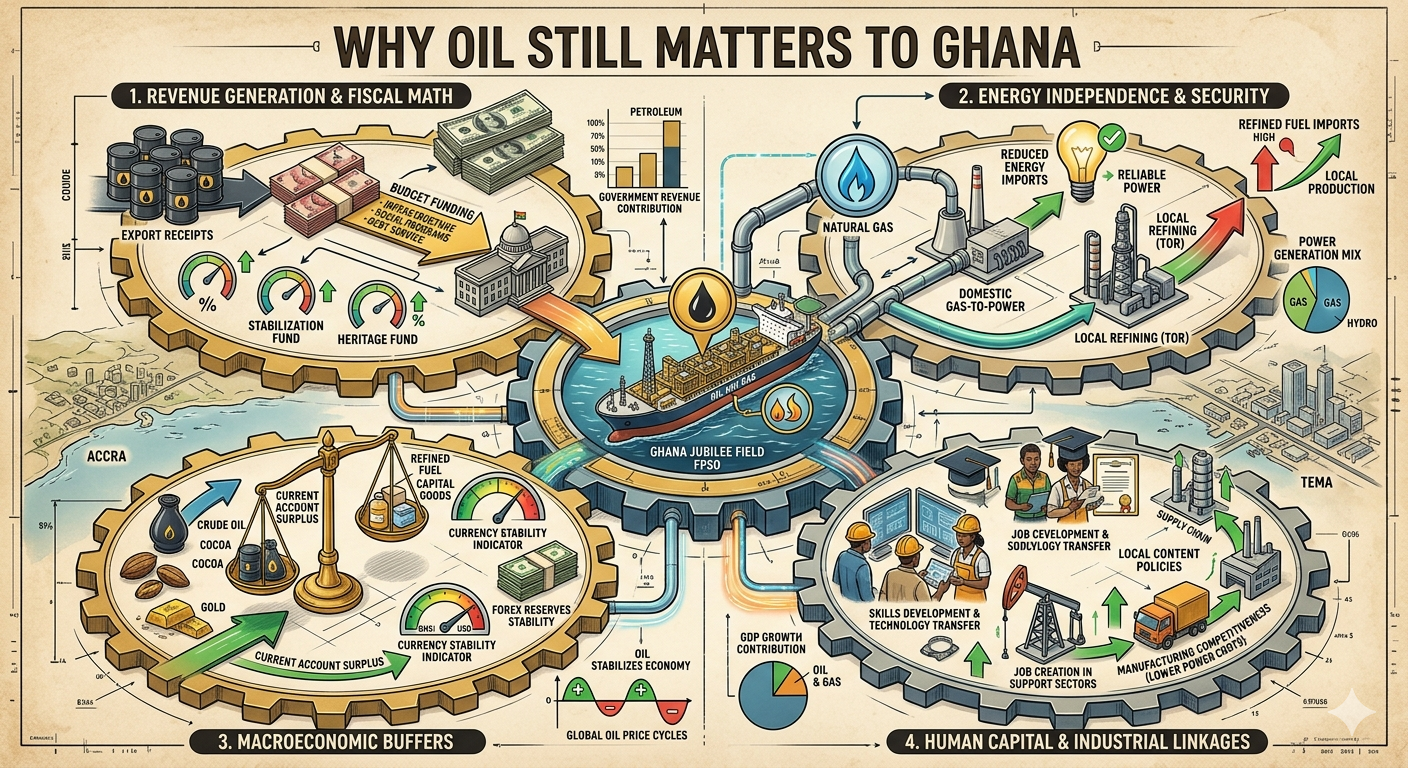
To understand market trends in Ghana, one must first understand the concept of “pass-through costs.” Ghana is a net importer of refined petroleum products. While we have the Tema Oil Refinery (TOR), its operational capacity does not meet national demand, meaning we rely heavily on imported finished products. Therefore, the local price of fuel is a cocktail of global crude oil prices, the performance of the Cedi against the Dollar, and local taxes and margins.
When this cocktail becomes more expensive, it triggers a domino effect across three primary sectors:
1. Transportation and Logistics
This is the most visible impact. Ghana’s economy relies on road transport for the movement of goods and people. From the haulage trucks that bring tomatoes from the Volta Region to the containers of electronics cleared at the Tema Port heading to the central business districts, every kilometer has a fuel cost attached.
When fuel prices spike, transport unions like GPRTU (Ghana Private Road Transport Union) almost immediately adjust fares. For a consumer, a 20% increase in fuel can lead to a 30% increase in transport fares, as drivers try to cover maintenance costs as well. For businesses, this translates to higher inbound freight costs. A retailer in Takoradi ordering stock from Accra no longer just pays the supplier; they must account for a logistics cost that can fluctuate by thousands of cedis weekly.
2. Production and Manufacturing
Fuel is a critical input for manufacturing. Many businesses in Ghana rely on diesel generators to power their operations due to the inconsistent nature of the national grid. A factory in Tema or a cold store in Abossey Okai runs on diesel. When the price of diesel rises, the cost of production rises in tandem. This forces manufacturers to make a difficult choice: absorb the cost and slash profits, or pass the cost to the consumer, thereby reducing demand.
3. Agriculture
Modern agriculture in Ghana is heavily mechanized. From tractors tilling the land in the Afram Plains to irrigation pumps in the Upper East Region, fuel is indispensable. When fuel prices go up, the cost of planting, harvesting, and transporting food produce surges. This is why, more often than not, spikes in fuel prices precede spikes in food inflation.
Ghana-Based Practical Examples: The Real-Life Impact
To move beyond theory, let’s look at how this plays out in specific Ghanaian contexts.
The Case of the Trotro Driver and the Market Woman
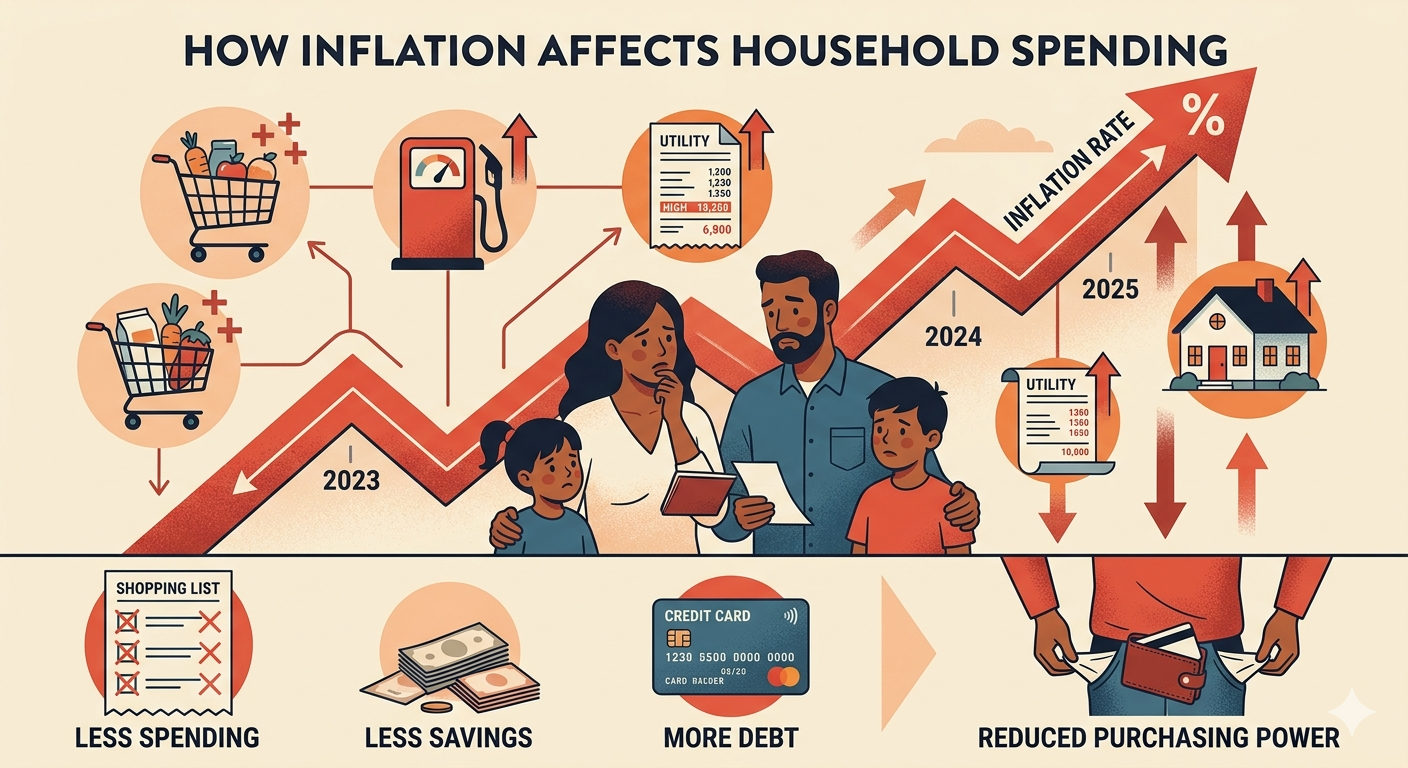
Consider a trotro driver plying the Kasoa to Accra route. Before a price hike, he might make three round trips a day, netting a modest profit. After a 20% fuel hike, his daily operating cost increases by about GHS 80. To maintain his profit, he needs to increase fares. However, his primary passengers—office workers and traders—now have less disposable income because they are spending more on transport.
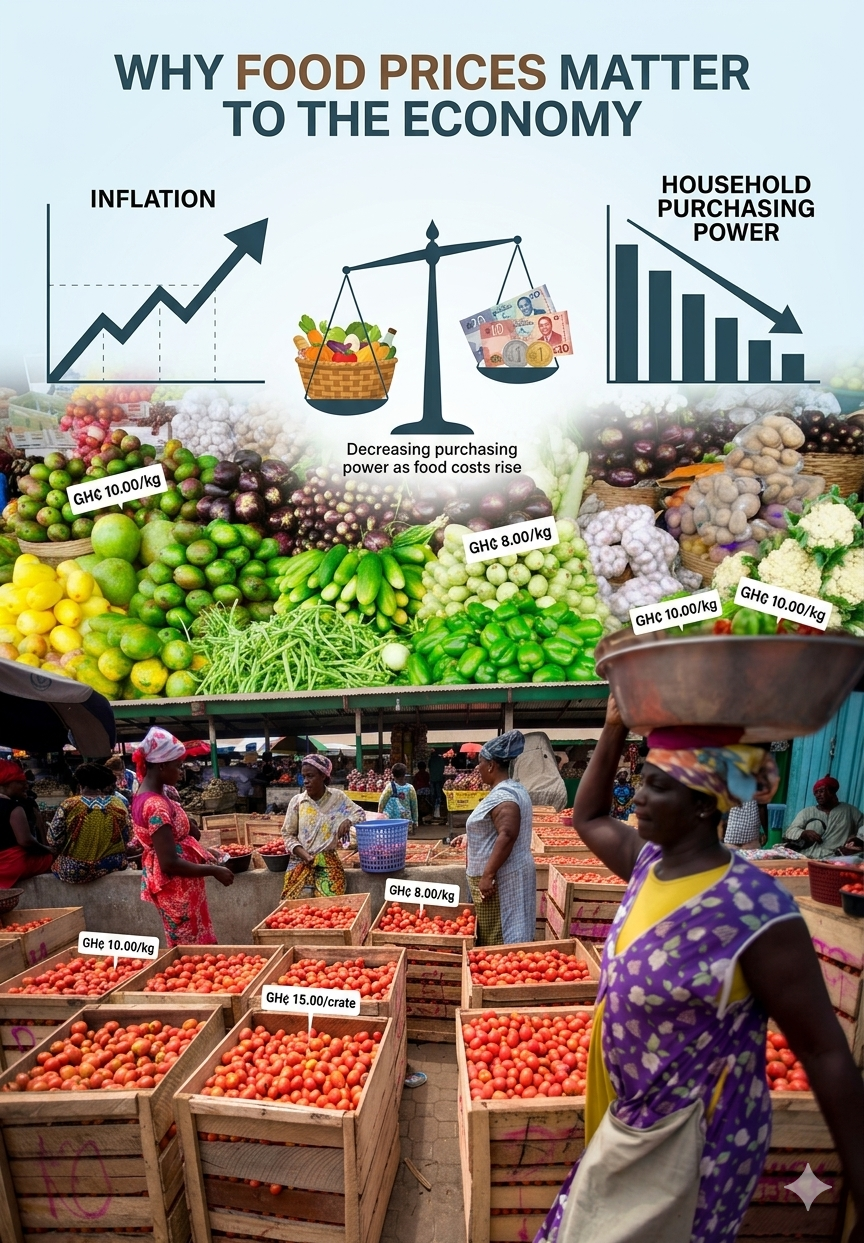
Meanwhile, the market woman (or “Yaa Asantewaa”) who sells tomatoes and onions at Makola is facing a double blow. The trucks that brought her produce from Techiman or Burkina Faso charged higher freight fees. She passes this on to her customers. The trotro driver, now paying more for transport and food, has to cut back on his family’s expenditure. This cyclical reduction in purchasing power is what economists call “demand destruction.” When fuel prices are high, the velocity of money slows down; people buy fewer non-essentials, and the High Street retail sector feels the pinch.
The Real Estate and Rental Market Shift
A less obvious but significant trend influenced by fuel prices in Ghana is the rental market. For years, the construction industry has relied heavily on the importation of materials like iron rods, tiles, and paints. High fuel prices increase the cost of importing these materials, which raises the cost of building new homes.
Furthermore, with rising transport costs, there is a growing trend of “reverse migration” to city centers. Many Ghanaians who moved to satellite towns like Appolonia, Prampram, or Bawjiase because of cheaper rent are now finding that the cost of commuting to work in Accra is erasing their savings. Consequently, there is a renewed market trend demanding affordable housing closer to central business districts, even if the units are smaller.
Key Insights and Trends for the Ghanaian Business Owner
For those running businesses on The High Street—whether a pharmacy, a fashion boutique, or a restaurant—fuel price volatility forces a shift in strategy. Here are the key insights shaping the market currently:
1. The Rise of “Just-in-Time” Inventory
Historically, Ghanaian retailers often stocked up heavily, buying in bulk to take advantage of economies of scale. However, with fuel prices causing uncertainty in shipping and haulage costs, many are shifting to a “just-in-time” inventory model. Businesses are ordering smaller quantities more frequently to avoid being stuck with expensive inventory if the market turns, or to avoid massive write-downs if the Cedi depreciates further against the dollar, which is intrinsically linked to fuel prices.
2. Digital Services as a Hedge
High fuel prices have accelerated the adoption of digital delivery services. Consumers are doing the math: spending 20 cedis on transport to go to the mall and back, versus paying 15 cedis for delivery. Platforms like Bolt Food, Glovo, and local courier services have thrived during periods of high fuel costs because they allow consumers to avoid the cost and stress of commuting. For businesses, investing in a robust online presence and delivery logistics is no longer optional; it is a hedge against the volatility of foot traffic.
3. The “Made in Ghana” Advantage
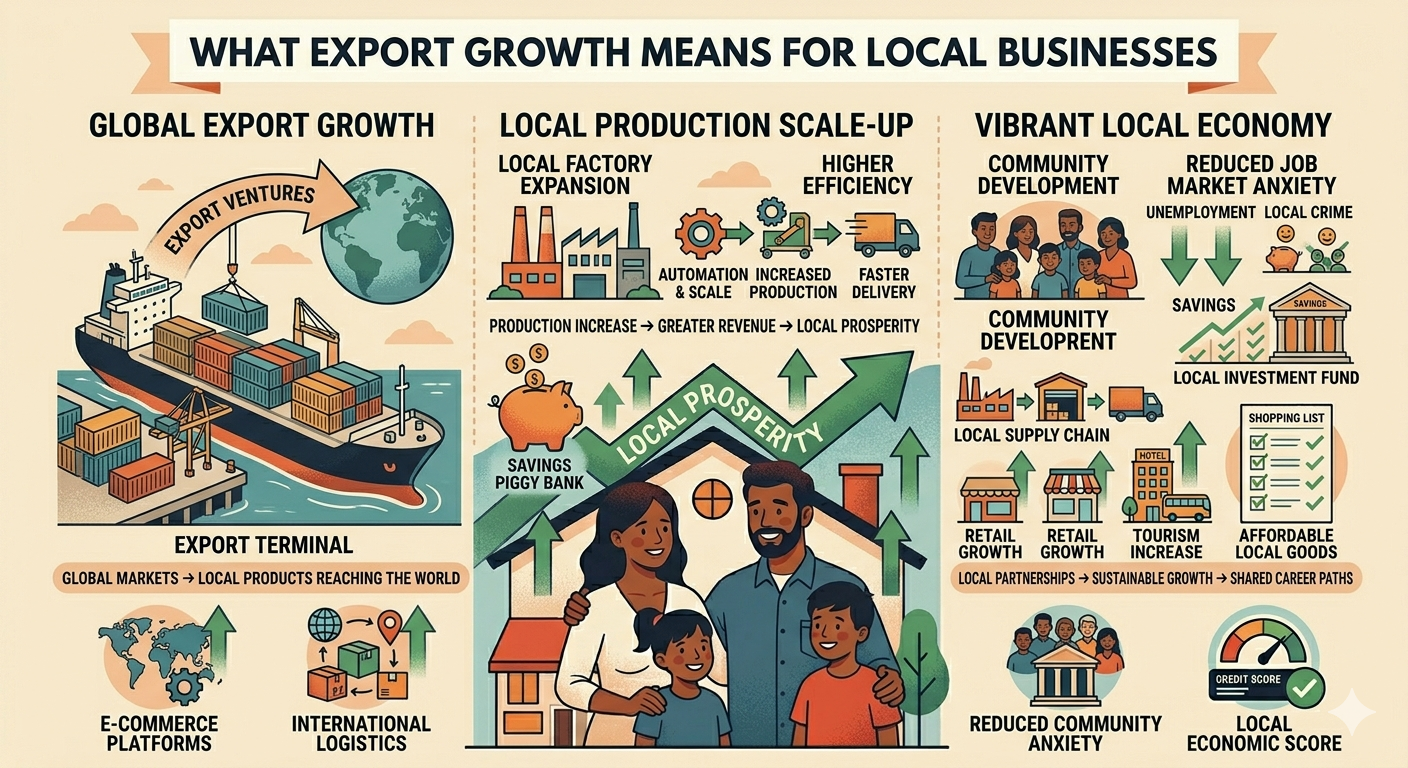
When fuel prices rise, the cost of imported goods becomes significantly higher due to the shipping and clearing costs. This creates a window of opportunity for locally manufactured goods. Whether it is本土 beverages like Sobolo or Asana, local textiles like Gonja cloth, or locally processed foods, the price gap between imports and local products narrows. Savvy Ghanaian entrepreneurs are leveraging this by marketing the “Made in Ghana” label not just as a point of patriotism, but as a cost-effective alternative.
4. Energy Diversification
The constant fear of diesel price hikes is pushing businesses to explore solar energy. While the initial capital expenditure is high, the long-term operational savings are becoming a major market trend. From salons in Osu to manufacturing SMEs in Suame Magazine, there is a growing shift towards hybrid energy solutions to decouple business operations from the volatility of fuel prices.
Strategic Adjustments: How to Weather the Storm
If you are a business owner in Ghana, understanding that fuel prices are a variable you cannot control is the first step. The next step is building resilience. Instead of panicking every time the NPA announces a review, consider the following strategies that successful High Street businesses are adopting:
-
Dynamic Pricing Models: Instead of raising prices dramatically once a month, some businesses are adopting micro-adjustments. By educating customers that prices are tied to fuel indices (like the IES index), they build transparency and trust.
-
Route Optimization: For logistics and delivery businesses, using GPS and route optimization software to reduce idle time and distance traveled can cut fuel consumption by 15-20%, mitigating the impact of price hikes.
-
Supplier Consolidation: Instead of buying from multiple distant suppliers, businesses are consolidating orders to reduce the number of deliveries, thereby saving on freight costs.
Conclusion: What It Means Going Forward
As we look toward the future, the relationship between fuel prices and market trends in Ghana will only intensify. With global geopolitical tensions affecting crude oil supply, and domestic fiscal policies influencing the Cedi’s stability, volatility is the new normal.
For the Ghanaian consumer, the era of stable, predictable prices is likely over. The market is trending towards flexibility: flexible work arrangements to reduce commuting, flexible payment plans to manage cash flow, and flexible business models that can pivot between physical and digital operations.
For The High Street Business, the key takeaway is vigilance. Fuel prices are not just a line item in your expense sheet; they are a leading economic indicator. When fuel prices rise, expect a contraction in disposable income within 2 to 3 weeks. When they stabilize, look for a slow return of consumer confidence.
By embedding this understanding into your business strategy—tracking fuel indices, diversifying energy sources, and adapting logistics—you don’t just survive the shocks; you position your business to capture market share from competitors who fail to adapt. In Ghana, mastering the mathematics of fuel is mastering the art of commerce.
FAQs
1. How often do fuel prices change in Ghana, and who regulates them?
Fuel prices in Ghana are deregulated, meaning Oil Marketing Companies (OMCs) set their own prices based on market forces. However, the National Petroleum Authority (NPA) provides guidelines. Prices typically change every two weeks or month, depending on global crude oil prices and the foreign exchange rate.
2. Why does food inflation often follow fuel price hikes in Ghana?
Fuel is a primary input in agriculture (for machinery and irrigation) and transportation (to move goods to markets). When fuel prices increase, farmers incur higher costs, and truckers raise freight charges. These costs are passed down the supply chain, resulting in higher prices for staples like maize, plantain, and tomatoes within weeks.
3. How do high fuel prices affect small businesses in the informal sector?
Small businesses, especially those relying on generators (like hair salons, welding shops, and cold stores), see their operating costs surge. This often forces them to reduce operating hours, lay off staff, or increase service prices, which can reduce customer turnout and overall revenue.
4. Is there a correlation between fuel prices and the Ghana Cedi’s performance?
Yes. Ghana imports refined petroleum, requiring US dollars. When the Cedi depreciates against the dollar, the cost of importing fuel rises. Conversely, high global fuel prices increase demand for dollars to pay for imports, putting further pressure on the Cedi. It is a cyclical relationship that directly impacts inflation.
5. What are the best strategies for businesses to reduce reliance on volatile fuel prices?
Businesses can invest in solar energy alternatives to reduce generator dependency, optimize delivery routes to cut fuel waste, and build strong relationships with local suppliers to minimize the cost impact of imported goods and long-distance haulage.
Source: The High Street Business
Disclaimer: Some content on The High Street Business may be aggregated, summarized, or edited from third-party sources for informational purposes. Images and media are used under fair use or royalty-free licenses. The High Street Business is a subsidiary of SamBoad Publishing under SamBoad Business Group Ltd, registered in Ghana since 2014.
For concerns or inquiries, please visit our Privacy Policy or Contact Page.

Samuel Kwame Boadu is a Ghanaian entrepreneur, writer, and digital consultant passionate about creating impactful stories and business solutions. He is the Founder & CEO of SamBoad Business Group Ltd, a dynamic company with subsidiaries in digital marketing, logistics, publishing, and risk management.